
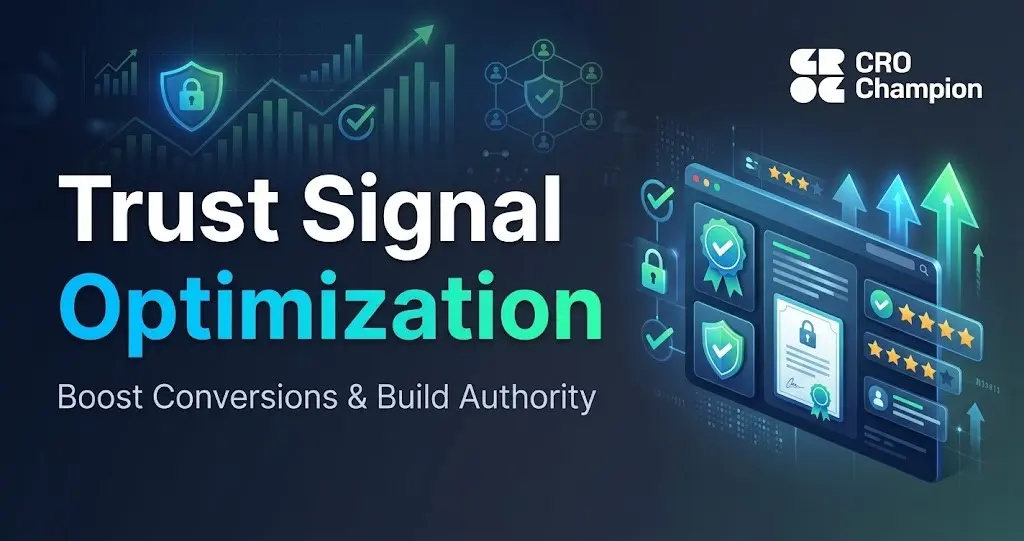
Trust Signal Optimization is an important strategy for businesses that want to build customer confidence, improve website credibility, and encourage meaningful engagement. When visitors land on a website, they quickly evaluate whether the business appears reliable, professional, and capable of meeting their needs. Elements such as customer reviews, testimonials, security badges, transparent policies, contact information, and professional website design can influence these decisions. Without sufficient trust signals, even a well-designed website may struggle to turn visitors into engaged customers.
Effective Trust Signal Optimization involves improving the elements that demonstrate credibility throughout the customer journey. Businesses can strengthen trust by providing accurate information, showcasing genuine customer experiences, improving website performance, and making important details easy to access. Combining trust-building techniques with page speed optimization, conversion tracking, and customer journey optimization helps businesses understand visitor behavior and identify opportunities to improve engagement.
By implementing a structured trust optimization strategy, businesses can create a more reassuring online experience, encourage meaningful interactions, and support long-term customer relationships.
What Is Trust Signal Optimization?
Trust Signal Optimization is the process of improving the credibility indicators that help visitors feel confident about interacting with a website or business. These indicators communicate reliability, security, transparency, expertise, and customer satisfaction. When visitors recognize credible signals, they may feel more comfortable exploring products, requesting services, subscribing to newsletters, or completing purchases.
Trust signals can appear throughout a website, including the homepage, product pages, service descriptions, checkout process, and contact page. Their effectiveness depends on relevance, authenticity, visibility, and consistency. A security badge may reassure customers during payment, while detailed testimonials may help visitors evaluate service quality before making a decision.
Why Trust Signals Matter for Customer Engagement
Customer engagement improves when visitors feel comfortable exploring a website and interacting with its content. Trust signals help reduce uncertainty by showing that a business values transparency, protects customer information, and delivers reliable services. These indicators can encourage visitors to spend more time learning about a company and considering its offerings.
Strong trust signals also support better communication between businesses and customers. When visitors find clear contact information, authentic reviews, and understandable policies, they can make informed decisions without unnecessary confusion. This creates a stronger foundation for meaningful engagement and lasting customer relationships.
Essential Trust Signals Every Website Should Have
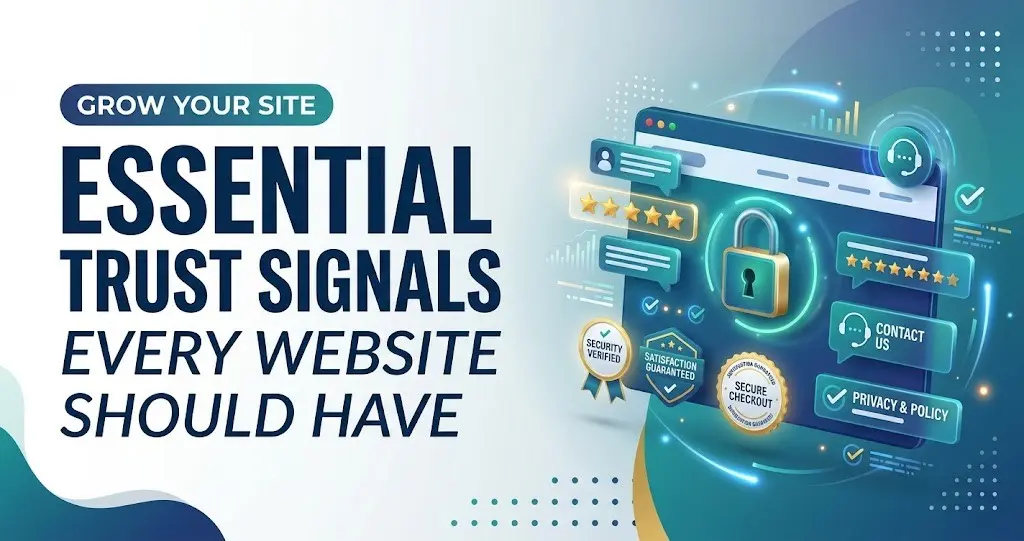 Effective trust signals provide visible evidence that a business is legitimate, dependable, and customer-focused. Businesses should select indicators that match their industry, audience, and customer expectations rather than adding unnecessary badges or unsupported claims. A well-organized website presents relevant trust information naturally, allowing visitors to evaluate credibility without interrupting their browsing experience.
The most effective approach combines social proof, business transparency, website security, and consistent branding. These elements work together to create a professional digital environment where visitors can understand the company’s services, verify important information, and decide whether to take the next step.
Customer Reviews and Testimonials
Customer reviews and testimonials are powerful trust signals because they show how other people experienced a company’s products or services. Genuine feedback can help potential customers understand service quality, reliability, responsiveness, and overall satisfaction before contacting a business or making a purchase.
Businesses should display authentic testimonials in relevant locations, such as service pages, landing pages, and product descriptions. Reviews should remain accurate and representative of actual customer experiences. Responding professionally to criticism also demonstrates accountability and a willingness to improve, which can strengthen customer confidence even when feedback is not entirely positive.
Security Indicators and Transparent Policies
Website security and transparent policies help visitors understand how a business protects their information and handles transactions. HTTPS encryption, recognizable payment providers, accessible privacy policies, clear refund conditions, and understandable terms of service can reduce uncertainty during important decision-making moments.
Businesses should ensure that security indicators accurately reflect their technical protections. Trust badges should never imply certifications or guarantees that the company does not possess. Clear explanations of data collection, payment processing, and customer rights make the website more transparent and help visitors feel more comfortable sharing information.
Professional Website Design and Business Information
A professional website design supports trust by presenting information clearly and consistently. Readable typography, logical navigation, accurate service descriptions, and consistent branding help visitors understand the business without unnecessary effort. Broken links, outdated information, intrusive pop-ups, and confusing layouts can weaken credibility.
Businesses should also provide accessible contact information, accurate company details, and clear descriptions of their products or services. Depending on the industry, relevant professional credentials, company history, or verifiable business registrations may provide additional reassurance. These details help visitors evaluate legitimacy and determine whether the business meets their expectations.
Trust Signal Optimization Strategies for Better Customer Engagement
Trust Signal Optimization becomes more effective when businesses connect credibility improvements with actual customer needs. Instead of displaying trust indicators randomly, companies should determine which concerns visitors may have at each stage of the buying process. A first-time visitor may need evidence of expertise, while someone approaching checkout may prioritize payment security and clear refund information.
A strategic approach places relevant trust signals where customers need reassurance most. By combining customer research, content improvements, website usability, and performance measurement, businesses can create a more supportive experience that encourages visitors to explore, communicate, and complete meaningful actions.
Place Trust Signals at Important Decision Points
Trust signals should appear where they can directly address customer concerns. For example, service pages can feature relevant testimonials, pricing pages can explain payment terms, and checkout pages can display appropriate security information. Contact pages should make it easy to reach the business through accurate and accessible communication channels.
The goal is to provide reassurance without overwhelming visitors. Too many badges, repeated testimonials, or exaggerated claims can make a website appear less credible. Businesses should prioritize relevant evidence and present it clearly, ensuring that every trust element contributes to the visitor’s decision-making process.
Use Authentic Social Proof
Social proof helps visitors evaluate a business by showing genuine customer experiences and verifiable achievements. Customer testimonials, independently collected reviews, case studies, and documented project outcomes can demonstrate how a company has helped people solve specific problems.
Authenticity is essential for effective social proof. Businesses should obtain permission when necessary, avoid fabricated testimonials, and provide sufficient context for performance claims. When visitors can understand the situation behind a review or case study, they gain a more realistic picture of the company’s capabilities and can make better-informed decisions.
Improve Website Content Transparency
Transparent content helps customers understand what a business offers, how its services work, and what they can reasonably expect. Clear pricing information, detailed service descriptions, realistic timelines, and accessible policies reduce uncertainty and make it easier for visitors to evaluate their options.
Businesses should avoid vague promises, hidden conditions, and unsupported superlatives. Instead, content should explain benefits accurately and address common questions before visitors need to contact support. This approach strengthens credibility while making the customer experience more straightforward and informative.
How Page Speed Optimization Strengthens Website Trust
 Page speed optimization contributes to trust because visitors expect websites to load quickly and respond smoothly. Slow-loading pages, unresponsive buttons, and delayed checkout experiences can create frustration and make a business appear less professional. Website performance is especially important for mobile users, who may abandon a page when essential information takes too long to appear.
Businesses can improve performance by compressing images, reducing unnecessary scripts, enabling effective caching, and optimizing server response times. Monitoring Core Web Vitals can also help identify problems with loading performance, responsiveness, and visual stability. Although page speed alone does not guarantee customer trust, a fast and reliable website supports a smoother experience and makes trust signals easier to access.
Create a Reliable Mobile Experience
Mobile usability is essential because many visitors research businesses and make purchasing decisions through smartphones. A website should display reviews, security information, contact details, and important policies clearly across different screen sizes. Small buttons, difficult navigation, and poorly formatted content can prevent customers from accessing important information.
Responsive layouts, readable text, accessible controls, and streamlined forms help reduce friction. Businesses should test important pages on different devices and connections to identify usability problems. A consistent mobile experience makes it easier for visitors to evaluate credibility and interact confidently with the business.
The Role of Conversion Tracking in Trust Optimization
Conversion tracking helps businesses understand whether trust-building improvements encourage visitors to complete meaningful actions. Rather than assuming that testimonials or security badges automatically improve engagement, companies can measure activities such as form submissions, account registrations, purchases, appointment requests, and newsletter subscriptions.
Accurate conversion tracking provides insight into which pages and interactions contribute to business goals. Businesses can compare performance before and after changes, evaluate different page layouts, and identify points where visitors abandon the process. Tracking should respect applicable privacy requirements and use appropriate consent mechanisms when necessary.
Measure Engagement and Conversion Performance
Engagement metrics can reveal how visitors interact with website content and trust indicators. Businesses may examine relevant page views, scroll depth, engagement time, form completion rates, and conversion rates to understand whether visitors find the information useful and accessible.
These metrics should be interpreted together rather than in isolation. Longer engagement does not always mean stronger trust, and a high conversion rate may not indicate long-term customer satisfaction. Combining behavioral data with customer feedback provides a more balanced understanding of website performance and helps businesses make informed optimization decisions.
Customer Journey Optimization Through Trust Signals
 Customer journey optimization focuses on improving the experience people have as they move from discovering a business to evaluating its offerings and becoming customers. Trust signals support this process by addressing concerns at each stage. New visitors may need credible educational content, returning visitors may look for customer results, and ready-to-buy customers may require transparent pricing and secure transactions.
Mapping the customer journey helps businesses identify where visitors hesitate, become confused, or abandon important actions. Companies can then place relevant information at these points and remove unnecessary barriers. Aligning trust signals with customer expectations creates a more consistent experience and supports stronger engagement throughout the decision-making process.
Reduce Friction Across the Conversion Funnel
Conversion friction occurs when website visitors encounter unnecessary obstacles while trying to complete an action. Complicated forms, unexpected fees, unclear instructions, and missing contact details can undermine trust and discourage engagement. Identifying these barriers is an important part of improving the customer journey.
Businesses can simplify forms, explain requirements clearly, disclose costs early, and provide accessible support options. Relevant testimonials and concise security explanations can reassure visitors at sensitive stages. By reducing friction and answering common concerns, companies can make it easier for customers to proceed without feeling pressured or uncertain.
Common Trust Signal Optimization Mistakes to Avoid
Trust Signal Optimization can lose effectiveness when businesses prioritize appearance over authenticity. Unsupported claims, fake testimonials, outdated certifications, excessive pop-ups, and irrelevant security badges may create suspicion instead of confidence. Visitors increasingly expect businesses to provide evidence for their claims and communicate honestly about their products, services, and policies.
Another common mistake is treating trust optimization as a one-time design task. Customer expectations, website technology, and business information change over time. Companies should regularly review trust indicators, test website usability, update outdated content, and verify that testimonials and credentials remain accurate. Continuous improvement helps preserve credibility as the business grows.
Maintain Consistency Across Digital Platforms
Customers may discover a business through search engines, review websites, social media, directories, or advertising campaigns. Inconsistent business names, outdated contact details, conflicting service descriptions, and inaccurate opening hours can create confusion and weaken trust.
Businesses should maintain consistent information across relevant digital platforms and correct discrepancies when they appear. Review responses, brand messaging, and customer service communication should also reflect the same professional standards. Consistency helps visitors recognize the business and verify that the information they encounter is reliable.
Conclusion
Trust Signal Optimization is a valuable strategy for businesses seeking to improve customer engagement, strengthen website credibility, and create more effective digital experiences. Authentic customer reviews, transparent policies, reliable security indicators, professional design, and accurate business information help visitors evaluate a company with greater confidence.
Combining trust signals with page speed optimization, conversion tracking, and customer journey optimization allows businesses to improve both usability and performance measurement. Rather than relying on visual badges alone, companies should provide genuine evidence of reliability and place relevant information where customers need it most.
By monitoring user behavior, addressing friction, and maintaining consistency across digital platforms, businesses can build stronger customer relationships and encourage meaningful interactions. A transparent and customer-focused approach to Trust Signal Optimization supports sustainable engagement and provides a stronger foundation for long-term online growth.
Frequently Asked Questions (FAQs)
1. What Is Trust Signal Optimization?
Trust Signal Optimization is the process of improving website elements that demonstrate credibility, security, transparency, and reliability. It includes authentic reviews, testimonials, clear business information, secure browsing, transparent policies, and verifiable credentials that help visitors feel more confident interacting with a business.
2. Why Is Trust Signal Optimization Important for Customer Engagement?
Trust Signal Optimization helps reduce uncertainty and makes visitors more comfortable exploring a website. When customers find credible information and genuine social proof, they may be more willing to read content, contact a business, subscribe to updates, or complete a purchase.
3. What Are the Most Important Website Trust Signals?
Important trust signals include authentic customer reviews, HTTPS encryption, clear contact details, transparent privacy policies, accurate pricing, professional design, and verifiable business credentials. The most relevant signals depend on the industry, audience, and specific concerns customers have before making a decision.
4. How Do Customer Reviews Improve Website Trust?
Customer reviews provide insight into real experiences with a company’s products or services. Genuine, relevant feedback helps prospective customers evaluate service quality and reliability. Professional responses to negative reviews can also demonstrate accountability and a commitment to resolving customer concerns.
5. How Does Page Speed Optimization Affect Customer Trust?
Page speed optimization improves website responsiveness and helps visitors access information without unnecessary delays. Faster-loading pages and reliable interactions create a smoother experience, while persistent performance problems can frustrate users and weaken their perception of a business’s professionalism.
6. What Is the Role of Conversion Tracking in Trust Optimization?
Conversion tracking measures whether visitors complete important actions, such as purchases, form submissions, or appointment requests. It helps businesses evaluate the performance of trust-building improvements and identify opportunities to improve website usability and the customer experience.
7. How Does Customer Journey Optimization Support Trust Signals?
Customer journey optimization identifies the information and reassurance customers need at different stages of their decision-making process. Placing relevant reviews, pricing details, security information, and contact options at appropriate points can reduce uncertainty and make interactions more convenient.
8. Can Trust Signal Optimization Improve Conversion Rates?
Trust Signal Optimization can contribute to better conversion rates by reducing uncertainty and making important information easier to evaluate. However, results depend on factors such as traffic quality, pricing, usability, customer needs, and the relevance of the trust signals being implemented.
9. How Often Should Businesses Review Their Website Trust Signals?
Businesses should review important trust signals regularly and whenever services, policies, credentials, or customer feedback change significantly. Periodic website audits can identify outdated information, broken links, performance problems, and opportunities to improve credibility and usability.
10. How Can Businesses Measure Trust Signal Optimization Success?
Businesses can evaluate performance through conversion tracking, customer feedback, review sentiment, form completion rates, engagement metrics, and usability testing. Comparing these indicators over time helps identify improvements and determine whether website changes are supporting customer confidence and meaningful engagement.