
Most businesses obsess over getting customers in the door. They pour money into ads, tweak landing pages, and celebrate every new sign-up. But what happens after that first click? That’s where the real opportunity lives—and where most companies leave money on the table.
Customer journey optimization is the practice of refining every interaction a person has with your brand, from the moment they discover you to the point where they become a loyal advocate. Done well, it turns one-time buyers into repeat customers and casual browsers into champions for your business.
This guide breaks down what customer journey optimization actually involves, why it matters for sustainable growth, and how to put it into practice. You’ll walk away with concrete steps you can apply today, plus the tools and frameworks that make the process easier to manage.
What Is Customer Journey Optimization?
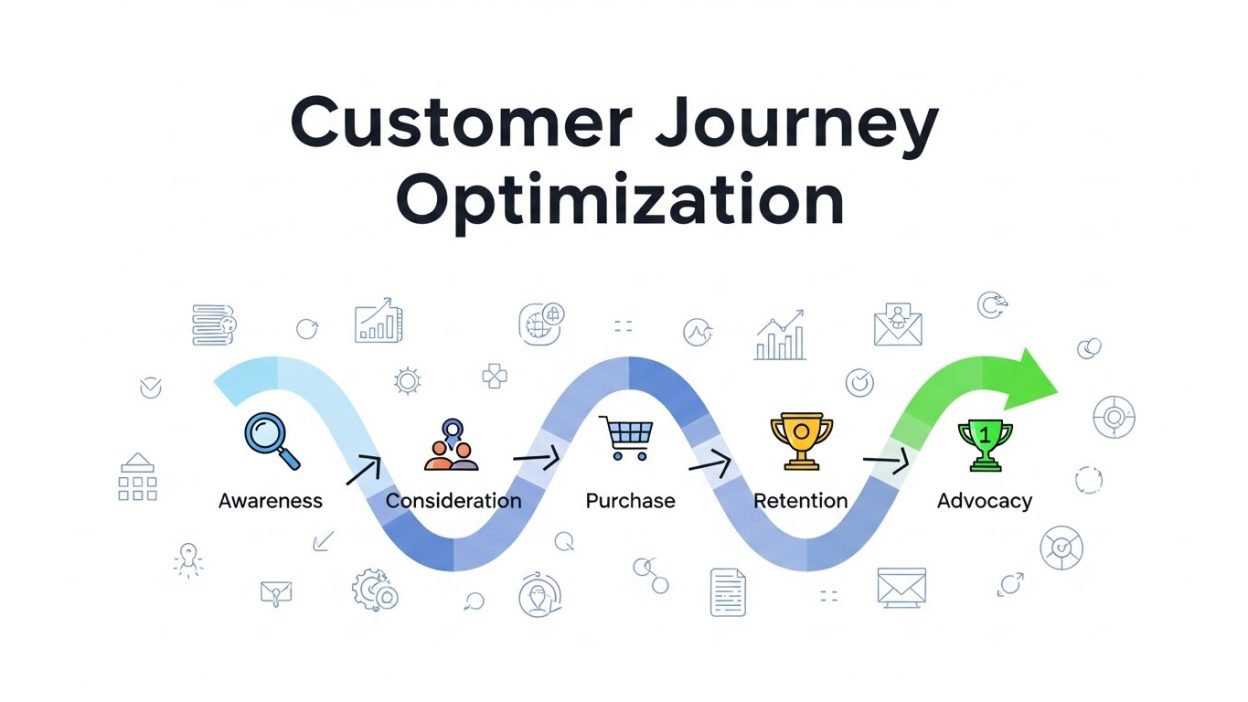
Customer journey optimization is the ongoing process of analyzing and improving how customers move through each stage of their relationship with your brand. It looks at the full picture—awareness, consideration, purchase, retention, and advocacy—rather than focusing on a single touchpoint.
Think of it as connecting the dots. A customer might find you through a social media ad, read a few blog posts, sign up for an email list, and finally make a purchase weeks later. Each of those moments shapes their decision. Optimization means making sure every step feels smooth, relevant, and worth their time.
The goal isn’t just more sales. It’s building a journey so seamless that customers want to come back—and bring others with them.
Why Customer Journey Optimization Matters for Growth
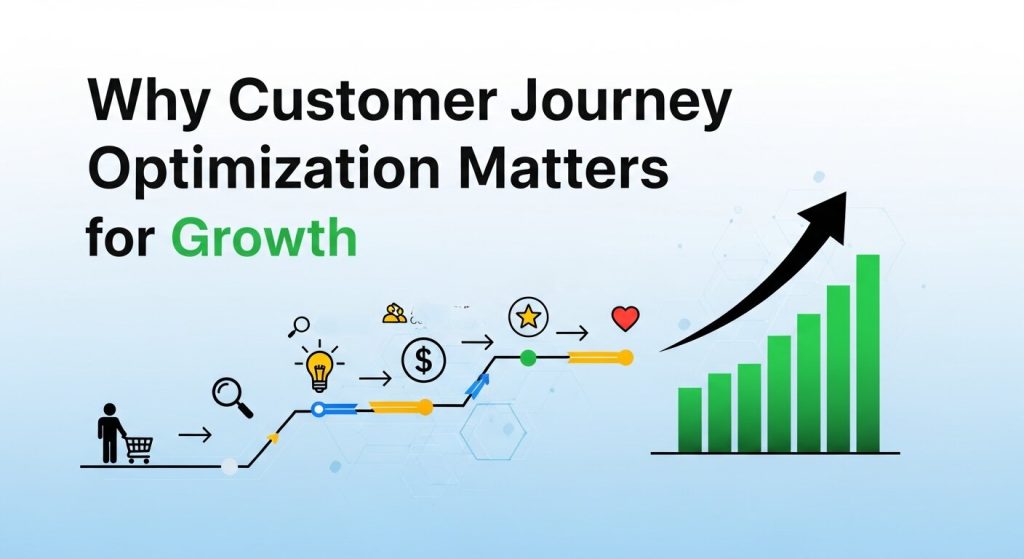 Acquiring a new customer costs far more than keeping an existing one. When you optimize the journey, you reduce friction that causes people to drop off, which means you get more value from every dollar you spend on acquisition.
Here’s the bigger picture: sustainable growth doesn’t come from a constant flood of new leads. It comes from maximizing the lifetime value of the customers you already have. A well-optimized journey increases repeat purchases, boosts referrals, and strengthens brand loyalty.
There’s also a competitive angle. Customers now expect personalized, frictionless experiences at every turn. Brands that deliver stand out. Brands that don’t watch their customers leave for someone who does.
The Cost of Ignoring the Journey
When you neglect the customer journey, the warning signs add up quietly. Cart abandonment climbs. Email open rates sink. Support tickets pile up with the same recurring complaints. Each of these is a symptom of friction somewhere in the journey—friction that quietly drains revenue and goodwill.
Mapping the Customer Journey: Where to Start
Before you can optimize anything, you need to understand what your customers actually experience. That starts with a customer journey map—a visual representation of every interaction a customer has with your brand.
Identify Your Key Stages
Most customer journeys follow five core stages:
- Awareness: The customer first learns your brand exists.
- Consideration: They research and compare options.
- Purchase: They decide to buy.
- Retention: They continue using your product or service.
- Advocacy: They recommend you to others.
Your specific journey may have more or fewer stages depending on your business. A SaaS company might add an onboarding stage, while an e-commerce store might focus heavily on the post-purchase experience.
Pinpoint the Touchpoints
Within each stage, list every touchpoint—every place a customer interacts with your brand. This includes your website, social media, email, customer support, packaging, and even word-of-mouth. Mapping these helps you spot gaps and moments of frustration you might otherwise miss.
Gather Real Customer Data
Assumptions are dangerous. Back up your map with actual data: website analytics, heatmaps, customer surveys, support transcripts, and reviews. This is where patterns emerge. Maybe most users abandon their cart at the shipping step. Maybe new customers struggle to find your help docs. The data tells you where to focus.
How to Optimize Each Stage of the Journey
Once you’ve mapped the journey, you can start improving it stage by stage. Here’s how to approach the most important phases.
Awareness: Make a Strong First Impression
At this stage, your job is to be found and to make a memorable entrance. Invest in clear messaging that speaks directly to your audience’s needs. Make sure your website loads fast, looks professional, and communicates your value within seconds.
SEO and content marketing pull their weight here. Helpful blog posts, guides, and videos draw people in while building trust before they ever consider buying.
Consideration: Build Trust and Remove Doubt
When customers are weighing their options, they need reasons to choose you. Showcase social proof—reviews, testimonials, case studies, and ratings. Answer common questions clearly and address objections head-on.
This is also the stage where a conversion rate optimization checklist becomes useful. Audit your product pages, pricing pages, and comparison content to ensure they answer every question a hesitant buyer might have.
Purchase: Eliminate Friction at Checkout
The purchase stage is where many businesses lose customers who were ready to buy. A clunky checkout, surprise fees, or limited payment options can kill a sale in seconds.
If you run an online store, conversion rate optimization for Shopify deserves special attention. Streamline the checkout flow, offer guest checkout, display shipping costs early, and provide multiple payment methods. Every extra step or unexpected cost gives the customer a reason to leave.
Retention: Keep Customers Coming Back
Closing the sale is just the beginning. Retention is where lifetime value is built. Welcome new customers with thoughtful onboarding. Send helpful follow-up emails. Reward loyalty with exclusive offers or early access to new products.
A strong retention strategy turns a single transaction into an ongoing relationship—and that relationship is far more profitable than chasing endless new leads.
Advocacy: Turn Customers into Promoters
Your happiest customers are your best marketing channel. Encourage them to share their experiences through referral programs, review requests, and shareable content. A genuine recommendation from a friend carries more weight than any ad you could buy.
Tools That Make Optimization Easier
You don’t have to do all this manually. The right conversion rate optimization software can automate testing, track customer behavior, and surface insights you’d never spot on your own.
Look for tools that offer:
- A/B testing to compare different versions of pages and emails.
- Heatmaps and session recordings to see how users actually behave.
- Analytics dashboards that connect data across every touchpoint.
- Personalization features that tailor the experience to each visitor.
The best setup depends on your needs. Choose a platform built for e-commerce if you sell physical products and rely heavily on checkout optimization. Pick a more flexible analytics suite if your journey spans multiple channels and longer sales cycles.
Measuring the Impact of Your Efforts
 Optimization without measurement is just guessing. Track metrics that reflect real progress across the journey:
- Conversion rate: The percentage of visitors who take a desired action.
- Customer lifetime value (CLV): The total revenue a customer generates over time.
- Churn rate: How many customers stop buying from you.
- Net Promoter Score (NPS): How likely customers are to recommend you.
- Cart abandonment rate: How often shoppers leave without completing a purchase.
Review these numbers regularly. When you make a change, watch how the metrics respond. Small, consistent improvements compound into significant growth over time.
Common Mistakes to Avoid
Even well-intentioned teams stumble. Watch out for these pitfalls:
- Optimizing in silos: Improving one touchpoint while ignoring how it connects to others creates a disjointed experience.
- Relying on assumptions: Always validate changes with data, not gut feelings.
- Chasing acquisition only: Neglecting retention wastes the value of the customers you’ve already won.
- Set-and-forget thinking: The journey evolves as customer expectations shift. Optimization is ongoing, not a one-time project.
The Role of Personalization in Customer Journey Optimization
Personalization is one of the most effective ways to improve the customer journey. Modern customers expect brands to understand their preferences and provide experiences tailored to their needs. This can include personalized product recommendations, targeted email campaigns, and customized website content based on browsing behavior or purchase history. When businesses deliver relevant experiences, customers feel valued and are more likely to engage with the brand. Personalization also reduces friction by helping customers find what they need more quickly. As technology advances, businesses that invest in personalized experiences will strengthen customer relationships, increase loyalty, and achieve higher conversion rates throughout the entire customer journey.
How Artificial Intelligence Improves Customer Journeys
 Artificial intelligence is transforming customer journey optimization by helping businesses make smarter decisions and deliver better experiences. AI-powered tools analyze customer behavior, predict future actions, and automate personalized interactions across multiple channels. Chatbots provide instant customer support, recommendation engines suggest relevant products, and predictive analytics identify potential churn before it happens. These capabilities allow businesses to respond to customer needs more effectively and create seamless experiences at scale. As AI technology continues to evolve, companies that embrace these tools will gain deeper customer insights, improve engagement, and create more efficient journeys that drive long-term business growth.
Creating an Omnichannel Customer Experience
Customers interact with brands across many channels, including websites, social media, email, mobile apps, and physical stores. An omnichannel approach ensures these interactions feel connected and consistent regardless of where they occur. When customers can switch between channels without losing context, their experience becomes more convenient and enjoyable. Businesses should maintain consistent branding, messaging, and customer data across all touchpoints to create a seamless journey. An effective omnichannel strategy also helps companies understand customer behavior more accurately and deliver personalized experiences. By connecting every channel into one unified experience, businesses can improve satisfaction, strengthen loyalty, and increase overall customer lifetime value.
Frequently Asked Questions (FAQ)
1. What is customer journey optimization?
Customer journey optimization is the process of improving every interaction a customer has with your brand, from initial awareness to post-purchase engagement. The goal is to create a seamless and personalized experience that increases customer satisfaction, conversions, and long-term loyalty.
2. Why is customer journey optimization important for businesses?
Customer journey optimization helps businesses reduce friction, improve customer satisfaction, and increase revenue. By enhancing each stage of the journey, companies can boost conversion rates, encourage repeat purchases, and build stronger relationships with their customers over time.
3. How do I map my customer journey?
Start by identifying the main stages of your customer’s experience, such as awareness, consideration, purchase, retention, and advocacy. Then list all customer touchpoints, gather feedback, and analyze behavioral data to understand where customers face challenges or drop off.
4. What tools are used for customer journey optimization?
Businesses commonly use analytics platforms, heatmaps, customer relationship management (CRM) software, A/B testing tools, and personalization platforms. These tools help track customer behavior, identify pain points, and optimize experiences across different channels.
5. How long does it take to see results from customer journey optimization?
The timeline varies depending on your business size and the changes you implement. Some improvements, such as better website navigation or checkout optimization, can show results within weeks. More comprehensive strategies focused on retention and loyalty often deliver significant results over several months.
6. What metrics should I track for customer journey optimization?
Important metrics include conversion rate, customer lifetime value (CLV), churn rate, cart abandonment rate, customer satisfaction score (CSAT), and Net Promoter Score (NPS). Tracking these metrics helps you measure performance and identify areas that need improvement.
7. Can small businesses benefit from customer journey optimization?
Absolutely. Customer journey optimization is valuable for businesses of all sizes. Small businesses can use it to create better customer experiences, improve retention, and compete more effectively with larger brands without significantly increasing their marketing budgets.
8. What is the biggest mistake businesses make with customer journey optimization?
One of the biggest mistakes is focusing only on acquiring new customers while ignoring existing ones. Many businesses also optimize individual touchpoints without considering the entire customer experience. Successful customer journey optimization requires a holistic, data-driven approach that continuously evolves with customer needs.
Turn Insights into Action
Customer journey optimization isn’t a single task you check off a list. It’s a continuous commitment to understanding your customers and making their experience better at every turn. The businesses that grow sustainably are the ones that treat the journey as a living system—always watching, always refining.
Start small. Map your current journey, find the biggest point of friction, and fix it. Measure the results, then move on to the next opportunity. Over time, these incremental wins build a smoother, more profitable journey that keeps customers coming back. The path to sustainable growth runs straight through your customer experience. Make it a journey worth taking.