
A strong Sales Conversion Strategy helps small businesses turn interested prospects into paying customers while making better use of their marketing resources. Generating website traffic and attracting potential leads are important, but these activities alone do not guarantee revenue. Businesses must understand customer needs, communicate their value clearly, remove purchasing barriers, and guide prospects toward taking meaningful action.
Small businesses often operate with limited budgets, smaller teams, and increasing competition. An effective conversion strategy helps them focus on the activities most likely to produce measurable results. From improving website usability and strengthening follow-up communication to implementing mobile optimization and conversion tracking, the right practices can make the sales process more efficient.
Lead conversion also depends on customer trust, relevant messaging, and a smooth buying experience. By understanding how prospects make decisions and measuring their interactions throughout the customer journey, small businesses can identify weaknesses and improve their approach. This guide explores practical sales conversion strategy best practices that businesses can use to strengthen customer relationships, increase sales opportunities, and support sustainable growth.
Understand Your Target Audience and Customer Needs
Understanding the target audience is the foundation of an effective sales conversion strategy. Small businesses need to identify the customers most likely to benefit from their products or services and understand the problems those customers want to solve. When marketing messages reflect real customer needs, businesses can attract more relevant prospects and improve the likelihood of successful conversions.
Create a Clear Customer Profile
A customer profile describes the characteristics, preferences, challenges, and purchasing motivations of an ideal customer. Small businesses can develop these profiles by analyzing customer inquiries, reviewing previous sales, conducting surveys, and gathering feedback. This information helps businesses understand which audiences are most valuable and how to communicate with them effectively.
Identify Customer Pain Points
Customers are more likely to purchase when they understand how a product or service addresses a specific problem. Businesses should identify the challenges that influence buying decisions and explain how their offerings provide practical solutions. Addressing customer concerns directly makes marketing communication more relevant and helps prospects understand the value of choosing the business.
Optimize Your Website for Better Conversions
 A business website often serves as the first significant interaction between a potential customer and a brand. If the website is confusing, slow, or difficult to navigate, visitors may leave before exploring the available products or services. Website conversion optimization focuses on making information accessible, communicating value clearly, and helping visitors complete the actions that matter to the business.
Improve Website Navigation and User Experience
Simple navigation helps visitors find product information, service details, pricing, and contact options without unnecessary effort. Small businesses should organize website pages logically, use descriptive navigation labels, and maintain a consistent design. Clear layouts reduce confusion and help customers move naturally from discovering an offering to evaluating it and taking the next step.
Create Clear Calls to Action
A call to action guides visitors toward a specific outcome, such as requesting a quotation, booking a consultation, signing up for a newsletter, or completing a purchase. Effective calls to action use straightforward language and appear where customers need them. Businesses should ensure that each important page communicates its primary purpose and makes the next step easy to understand.
Improve Lead Conversion With Effective Follow-Up
Lead conversion is the process of turning potential customers into paying customers. Many prospects need additional information, reassurance, or time before making a purchase. Small businesses can improve lead conversion by responding promptly to inquiries, maintaining consistent communication, and providing relevant information that addresses customer concerns throughout the decision-making process.
Respond to Inquiries Promptly
When potential customers contact a business, response time can influence their purchasing decisions. Delayed replies may cause interested prospects to lose confidence or consider competing offers. Small businesses should establish a reliable process for managing inquiries through email, phone calls, website forms, and messaging channels. Prompt, helpful responses demonstrate professionalism and keep conversations moving forward.
Build a Consistent Lead Nurturing Process
Not every prospect will be ready to buy immediately. Lead nurturing helps businesses maintain relationships with interested customers through relevant follow-up emails, helpful resources, product explanations, and personalized communication. A consistent process ensures that prospects receive appropriate information without excessive pressure, allowing them to develop confidence in the business before making a purchasing decision.
Address Common Sales Objections
Customers may hesitate because of pricing concerns, uncertainty about product quality, limited information, or doubts about whether a service meets their needs. Businesses should identify these objections and prepare clear, honest answers. Explaining pricing, sharing relevant examples, and clarifying service expectations can reduce uncertainty and help qualified prospects make informed decisions.
Prioritize Mobile Optimization for Higher Sales
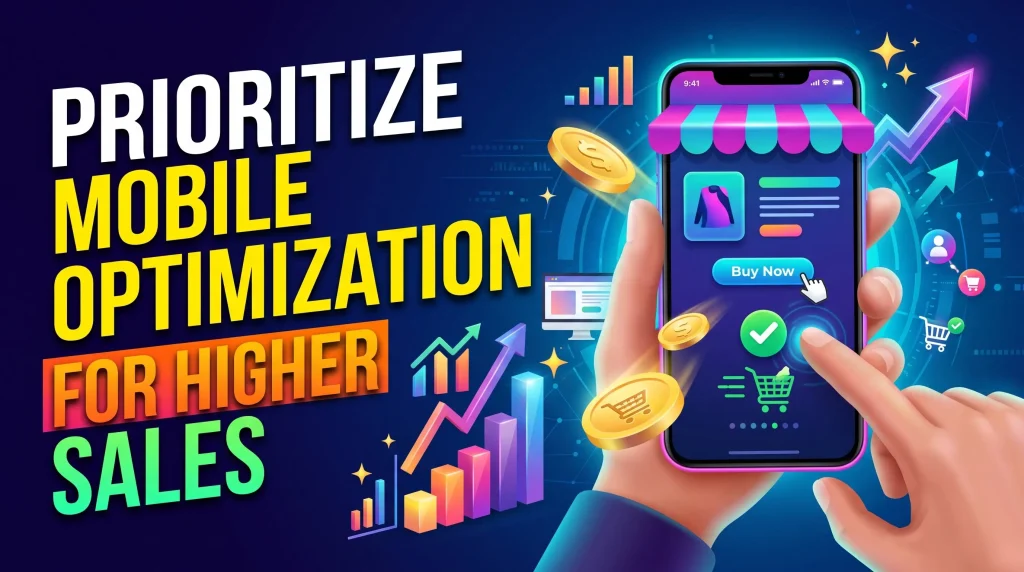 Mobile optimization ensures that customers can browse products, explore services, submit inquiries, and complete purchases comfortably on smartphones and tablets. Since many customers discover businesses through mobile searches and social media, a poor mobile experience can create unnecessary barriers to conversion. Small businesses should make mobile usability a central part of their sales conversion strategy rather than treating it as an optional improvement.
Create a Mobile-Friendly Website Experience
A mobile-friendly website adapts its layout to different screen sizes, displays readable text, and provides touch-friendly navigation. Forms should be simple, buttons should be easy to tap, and essential information should remain accessible without excessive scrolling. These improvements make it easier for mobile visitors to understand an offer and take the next step toward becoming customers.
Improve Mobile Page Speed
Slow-loading pages can frustrate visitors and interrupt the buying process. Businesses can improve page speed by compressing images, reducing unnecessary scripts, selecting reliable hosting, and limiting resource-heavy elements. Testing important landing pages on mobile devices helps identify performance issues that could prevent visitors from completing inquiries, registrations, or purchases.
Simplify Mobile Checkout and Contact Forms
Long forms and complicated checkout processes can cause potential customers to abandon their intended actions. Businesses should request only the information necessary to complete a transaction or respond to an inquiry. Offering convenient payment options, clear instructions, and helpful error messages can reduce friction and improve the overall mobile conversion experience.
Use Conversion Tracking to Make Better Decisions
Conversion tracking helps small businesses understand which marketing activities generate valuable customer actions. Rather than relying on assumptions, companies can measure purchases, form submissions, phone calls, consultation bookings, and other meaningful outcomes. Consistent tracking reveals where customers convert, which channels perform well, and which parts of the sales process need further improvement.
Define Meaningful Conversion Goals
Every business should identify the actions that contribute directly to its objectives. An online store may prioritize completed purchases, while a service provider may focus on qualified inquiries and consultation bookings. Defining these goals before launching campaigns creates a consistent framework for evaluating performance and determining whether marketing activities produce meaningful business results.
Monitor Conversion Rates and Marketing Performance
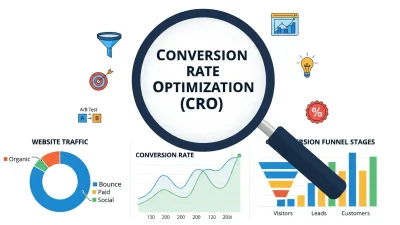
Conversion rate measures the percentage of visitors or prospects who complete a specified action. For example, if 500 website visitors generate 25 qualified inquiries, the visitor-to-inquiry conversion rate is 5%. Businesses can monitor this metric alongside customer acquisition costs, sales revenue, lead quality, and channel performance to better understand marketing effectiveness.
Use Analytics to Identify Improvement Opportunities
Website analytics and conversion tracking tools can reveal where visitors leave a page, which traffic sources generate inquiries, and which landing pages lead to purchases. Businesses can use these insights to investigate problems and prioritize improvements. Accurate tracking requires appropriate configuration, reliable data, and respect for applicable privacy and consent requirements.
Build Trust Through Social Proof and Transparency
Trust plays an important role in purchasing decisions, especially when customers are considering a small business they have not used before. Prospects want reassurance that a company can deliver on its promises and provide a positive experience. Honest communication, genuine customer feedback, and transparent business information can reduce uncertainty and support better conversion outcomes.
Display Genuine Customer Reviews and Testimonials
Customer reviews provide insights into other people’s experiences with a business. With appropriate permission, companies can showcase genuine testimonials, relevant case studies, and verified customer feedback on suitable website pages. Reviews should be presented honestly, without fabricated claims or misleading edits, so prospective customers can evaluate the business with greater confidence.
Communicate Pricing and Service Expectations Clearly
Unclear pricing, hidden conditions, and vague service descriptions can create doubt during the buying process. Businesses should explain what their products or services include, disclose relevant fees, and clarify delivery timelines or project expectations. Transparency helps customers determine whether an offering meets their needs and reduces misunderstandings that might otherwise prevent conversions.
Personalize Marketing Messages and Offers
Personalized marketing helps businesses deliver relevant messages based on customer interests, previous interactions, and purchasing needs. Rather than sending the same promotion to every prospect, companies can adapt their communication to different audience groups. This approach makes offers more useful, improves customer engagement, and helps small businesses guide potential buyers toward suitable products or services.
Segment Leads Based on Their Interests
Lead segmentation divides potential customers into groups according to factors such as service requirements, inquiry history, budget, or stage in the buying journey. Businesses can then tailor follow-up messages to each group’s needs. For example, a first-time prospect may need introductory information, while someone requesting a quotation may benefit from a detailed explanation of the proposed solution.
Use Email Marketing to Support Conversions
Email marketing allows businesses to nurture prospects beyond their first website visit. Educational emails, product demonstrations, relevant offers, and follow-up messages can help customers evaluate their options. By providing useful information and a clear next step, businesses can maintain engagement without relying entirely on paid advertising or repeated sales calls.
Test and Improve Your Sales Conversion Strategy
An effective sales conversion strategy should evolve as customer behavior, market conditions, and business objectives change. Regular testing helps companies understand which messages, offers, website layouts, and sales processes perform best. By using measurable evidence to guide improvements, small businesses can make better use of limited resources and steadily strengthen their conversion performance.
Conduct A/B Testing on Important Website Elements
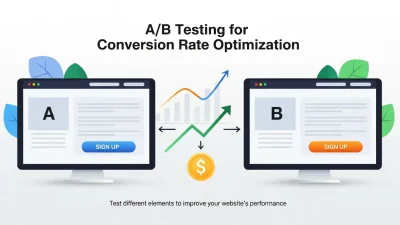
A/B testing compares two versions of an element, such as a headline, call-to-action button, landing page, or email subject line. Businesses can measure which version produces more meaningful actions among comparable audiences. Testing one major variable at a time makes it easier to interpret results and identify improvements that are supported by evidence.
Review the Complete Customer Journey
Businesses should evaluate the customer journey from the first interaction through the final purchase. A landing page may attract attention, for example, but a complicated inquiry form may prevent interested visitors from converting. Reviewing each stage helps companies identify friction, improve transitions between marketing channels, and create a more consistent path to purchase.
Align Sales and Marketing for Sustainable Growth
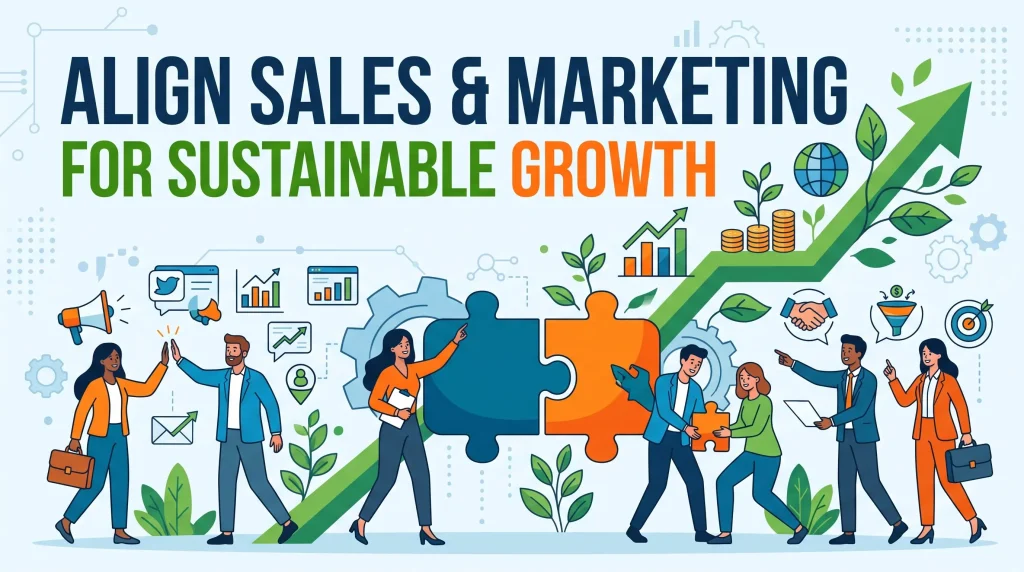 Sales and marketing alignment helps small businesses maintain consistent communication from the first advertisement to the final sales conversation. When both functions understand the target audience, lead qualification criteria, and business goals, prospects receive more relevant information and fewer contradictory messages. This coordination can improve lead quality, reduce wasted effort, and support a more predictable sales process.
Establish Clear Lead Qualification Criteria
Lead qualification helps businesses determine which prospects are most likely to become customers. Companies can assess factors such as customer needs, budget, service fit, and purchase readiness. Clear criteria allow teams to prioritize promising opportunities while providing suitable information to prospects who need more time before making a decision.
Maintain Consistent Communication Across Channels
Customers may discover a business through search engines, social media, email, advertisements, or referrals before speaking with a sales representative. Consistent messaging across these channels helps customers understand the same core benefits, pricing expectations, and service details. Coordinated communication strengthens brand credibility and makes the customer journey easier to navigate.
Conclusion
A practical sales conversion strategy helps small businesses transform customer interest into measurable business results. Understanding the target audience, optimizing website usability, improving lead conversion, prioritizing mobile optimization, and implementing conversion tracking can all contribute to a more effective sales process.
However, successful conversion improvement requires continuous attention to customer needs. Businesses should build trust through transparent communication, personalize relevant offers, follow up consistently, and test important changes before investing heavily in them. Tracking meaningful outcomes allows companies to identify what works and allocate resources more effectively.
Frequently Asked Questions (FAQs)
1. What is a sales conversion strategy?
A sales conversion strategy is a structured approach to turning potential customers into paying customers. It involves understanding customer needs, improving the buying process, nurturing leads, building trust, and measuring sales performance.
2. Why is a sales conversion strategy important for small businesses?
It helps small businesses make better use of limited marketing budgets, improve customer experiences, and generate more revenue from existing traffic and leads. A clear strategy also helps identify weaknesses in the sales process.
3. How can small businesses improve lead conversion?
Small businesses can improve lead conversion by responding quickly to inquiries, providing relevant information, addressing customer objections, personalizing follow-ups, and making the purchasing process straightforward.
4. What is a good sales conversion rate?
A good conversion rate depends on the industry, sales channel, product price, audience, and type of conversion being measured. Businesses should compare their results with relevant benchmarks and focus on improving their own performance over time.
5. How does mobile optimization improve sales conversions?
Mobile optimization makes websites easier to use on smartphones and tablets. Faster loading pages, readable content, simple forms, and convenient checkout processes help reduce friction and make it easier for visitors to complete desired actions.
6. What is conversion tracking?
Conversion tracking measures important customer actions, such as purchases, form submissions, phone calls, and consultation bookings. It helps businesses identify which marketing channels and campaigns generate meaningful results.
7. How can customer reviews improve conversion rates?
Genuine customer reviews and testimonials provide social proof that helps prospective buyers evaluate a business. Authentic feedback can strengthen trust, address concerns, and support purchasing decisions.
8. How often should businesses review their sales conversion strategy?
Businesses should monitor important metrics regularly and conduct more detailed performance reviews monthly or quarterly, depending on their sales volume. Significant changes in customer behavior or campaign performance may require earlier adjustments.
9. Which tools can help improve sales conversion?
Website analytics platforms, customer relationship management systems, email marketing tools, heatmaps, A/B testing platforms, and conversion tracking tools can help businesses understand customer behavior and improve their sales processes.
10. What is the difference between lead generation and lead conversion?
Lead generation attracts potential customers and collects their interest or contact information. Lead conversion focuses on moving those prospects toward a desired outcome, such as booking a consultation, requesting a quotation, or completing a purchase.