
Optimizing your Amazon conversion rate is key to business success. Understanding buyer behavior, improving product listings, leveraging reviews, competitive pricing, and strategic advertising can boost sales, enhance customer trust, and help sellers grow their presence effectively on Amazon.
Sellers on Amazon know that the success of their business relies on a single key metric: Amazon conversion rate. However, simply lowering prices or offering a wide range of products will not automatically lead to more purchases. To truly optimize your Amazon conversion rate, you need to understand buyer behavior and improve your product listings in a way that engages customers and encourages them to buy.
This guide will help whether you want to understand what affects your Amazon conversion rate or are looking for actionable steps that yield measurable results. Whether you’re a beginner or an experienced Amazon seller, these tips will equip you to boost sales, retain customers, and grow your business.
What is Amazon’s Conversion Rate?
In Amazon, your conversion rate is measured by the number of people who view your product listing relative to how many bought what they saw. If 100 people browse your listing and 10 of them buy your product, for example, the conversion rate stands at 10%.
Amazon’s average conversion rate stands at 12.3%, considerably higher than the average 1-2% found across e-commerce shopping sites. This is a Magnet to vendors, though the platform also presents challenges. If you want to survive and thrive on Amazon rather than just existing there for a short while in order to die away, you’re going to need to incorporate this into your marketing.
Why Improving Your Amazon Conversion Rate Matters
When you have a higher conversion rate, there is no need for more money, and less traffic yields in better use of advertising budgets than ever before! What’s more, improved ROI but has no investment after the fact. Beyond high conversion rates, Amazon’s A9 algorithm also takes into account of your conversion rate when determining where in search results you appear for products. A high conversion rate is a sign of worth and pertinence to Amazon patrons, which can promote your product’s visibility on the site.
Key Factors That Influence Amazon Conversion Rates
Before jumping into tactics, it’s crucial to understand what directly affects your conversion rates:
- Product Title: Titles should be clear, keyword-rich, and informative.
- Product Images: High-quality images help customers visualize the product.
- Product Reviews: Positive reviews build trust among buyers.
- Product Pricing: Competitive pricing attracts budget-conscious customers.
- Buy Box Eligibility: Winning the Buy Box significantly impacts sales.
- Amazon SEO: Using keywords strategically improves search rankings.
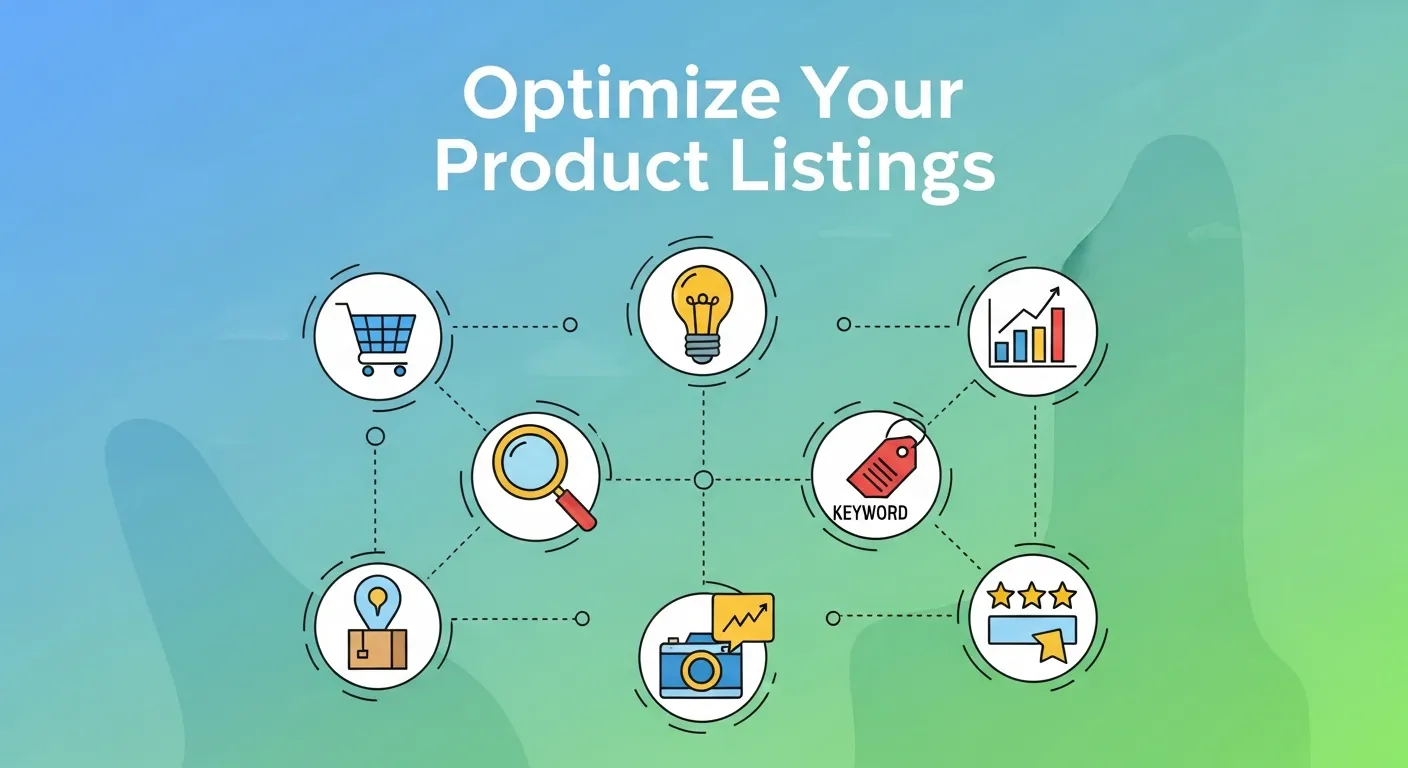
Optimize Your Product Listings
1. Craft an Attention-Grabbing Title
Your product title is the first thing potential buyers notice. Amazon allows up to 200 characters for product titles, but the goal isn’t to use all of them. Instead, focus on:
- Including primary keywords naturally.
- Highlighting essential features (e.g., size, color, material).
- Mentioning the brand and key selling points.
2. Use High-Quality Images
Amazon shoppers can’t touch or test your products, so your images need to do the heavy lifting. Use the following tips to improve your visuals:
- Include at least 6-8 high-resolution images.
- Show the product from multiple angles.
- Add lifestyle images (e.g., show the product in use).
- Use infographics to highlight key benefits.
3. Write a Persuasive Product Description
Your product description is where you can truly sell your product. Use bullet points to keep it easy-to-read and focus on these components:
- Features and benefits.
- Pain points the product solves.
- Who it’s best suited for (e.g., busy parents, professionals).
4. Focus on Backend Keywords
Amazon allows you to add backend search terms that aren’t visible to shoppers but help with SEO. Use this space to include long-tail or alternative keywords that wouldn’t naturally fit into your title or description.
Gather and Leverage Reviews

Customer reviews are one of the most powerful factors influencing your Amazon conversion rate. Over 90% of shoppers check reviews before deciding to buy, making them a crucial driver for both trust and sales. Actively encouraging and managing reviews can significantly increase your conversions.
How to Encourage More Reviews:
- Send Follow-Up Emails: Reach out to customers after purchase and politely request feedback. Personalized follow-ups often lead to more honest reviews.
- Participate in the Amazon Vine Program: This program connects your product with top reviewers who can provide detailed, trusted reviews that influence potential buyers.
- Include Review Requests in Packaging: Small inserts in your product packaging can remind customers to leave feedback without feeling pushy.
Respond to Customer Questions and Reviews:
- Answer Questions Promptly: Shoppers often have queries about product details. Providing clear and timely responses can prevent lost sales and boost your Amazon conversion rate.
- Address Negative Reviews Tactfully: Respond professionally to criticisms and offer solutions or clarifications. Demonstrating care for customer satisfaction builds trust and encourages hesitant buyers to convert.
Consistently managing reviews and questions not only strengthens customer confidence but also signals to Amazon that your listing is active and valuable, which can further enhance your visibility and conversion rate.
Price Your Products Competitively
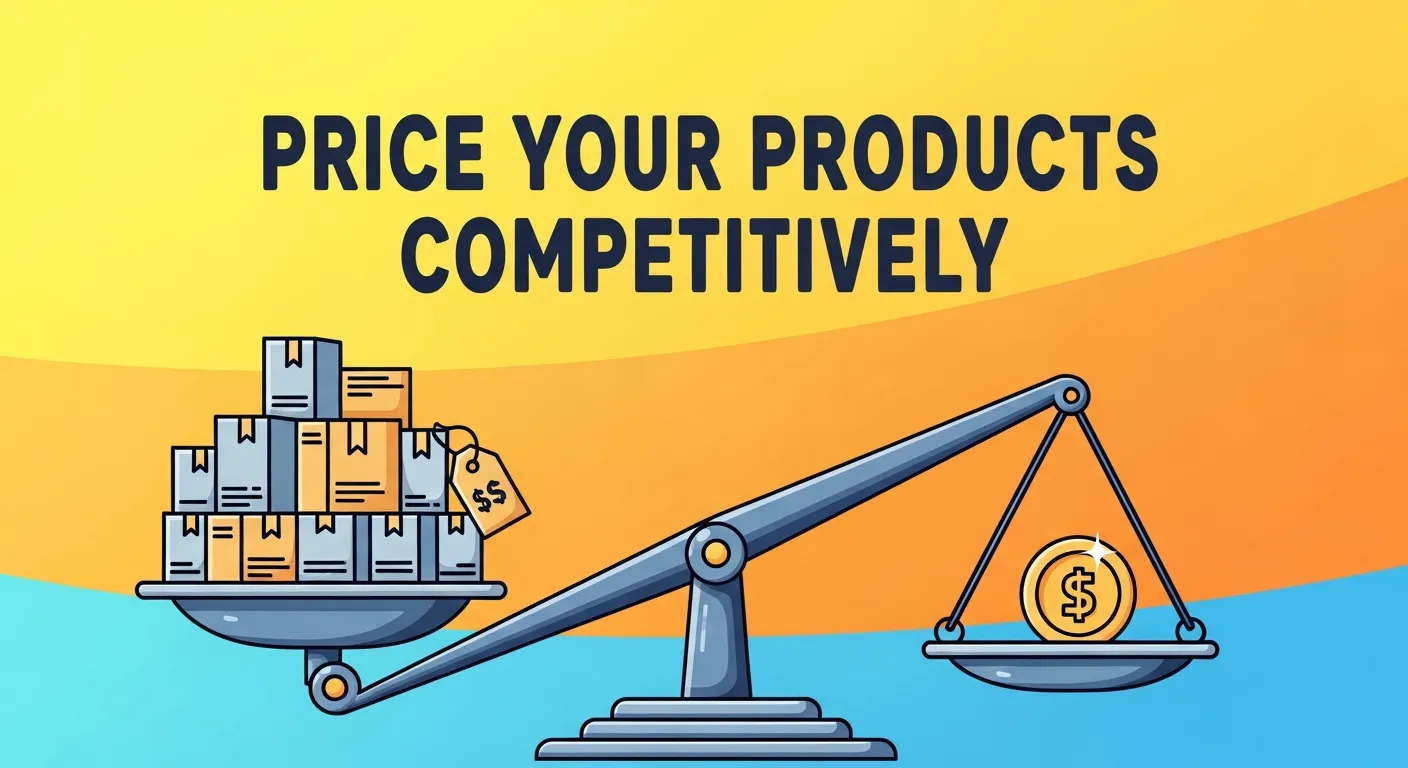
Pricing plays a crucial role in optimizing your Amazon conversion rate. Shoppers frequently compare prices across listings, and even a small difference can determine whether a visitor converts into a buyer.
Tips for Competitive Pricing:
- Monitor Competitor Pricing: Keep track of how similar products are priced. Tools like Amazon’s Automated Pricing or third-party repricing software can help you adjust dynamically to stay competitive.
- Offer Product Bundles: Bundling items increases perceived value. For example, selling a water bottle with a cleaning brush and carrying sleeve can make your product stand out while improving your Amazon conversion rate.
- Test Different Pricing Strategies: Experiment with discounts, limited-time offers, or tiered pricing to see what encourages more buyers to act.
Strategic pricing combined with value-added bundles ensures that your product remains attractive while maximizing your Amazon conversion rate, ultimately driving both sales and profitability.
If you want, I can now rework all previous sections—including advertising, social proof, and conversion metrics—together with these enriched review and pricing sections into a fully cohesive, SEO-optimized blog that flows naturally and uses Amazon conversion rate consistently.
Leverage Amazon Brand Promotion Strategies
Optimizing your Amazon conversion rate isn’t just about improving listings—it’s also about building a strong, recognizable brand. Customers are more likely to buy from brands they trust, and effective brand promotion can significantly boost both traffic and sales.
Why Brand Promotion Matters:
- Builds customer loyalty, leading to repeat purchases.
- Improves trust and credibility, making shoppers more confident.
- Helps differentiate your products in a crowded marketplace.
Key Brand Promotion Tactics:
- Enroll in Amazon Brand Registry: Protects your brand and unlocks advanced marketing tools.
- Create A+ Content (Enhanced Brand Content):
-
Include lifestyle images and infographics.
-
Showcase product benefits and use cases.
-
- Use Sponsored Brand Campaigns: Display your brand logo, custom headline, and multiple products in Amazon search results.
- Leverage External Traffic: Drive shoppers from social media, email campaigns, or influencer promotions to Amazon listings.
Brand Promotion vs Conversion Impact
| Brand Strategy | Expected Conversion Rate Lift | Notes |
|---|---|---|
| A+ Content | +5–10% | Makes listings more persuasive |
| Sponsored Brand Ads | +3–7% | Drives qualified traffic |
| External Traffic Campaigns | +2–6% | Expands reach beyond Amazon |
For a detailed step-by-step guide on promoting your Amazon brand, check out Brand Promotion Guide. This guide explains how to combine Amazon’s tools with smart marketing strategies to maximize visibility and conversions.
Understand Market Share and Competition
Your conversion rate on Amazon is not only about optimizing your product—it’s also about understanding where you stand in the market. If your pricing, visibility, or marketing strategy lags behind competitors, even excellent listings may underperform.
Key Considerations for Market Analysis:
- Category Market Share: Knowing which brands dominate helps you position your product strategically.
- Competitor Pricing: Ensure your price is competitive; too high can scare buyers, too low can reduce perceived value.
- Review & Ratings Comparison: Customers gravitate toward products with high ratings and meaningful reviews.
- Emerging Trends: Seasonal trends, popular features, and new product types can affect demand.
Competitive Analysis :
| Brand/Product | Market Share (%) | Avg Conversion Rate | Key Advantage | Notes |
|---|---|---|---|---|
| Brand A Water Bottles | 25% | 14% | Top-rated product | Strong reviews and high visibility |
| Brand B Fitness Gear | 18% | 12% | Competitive pricing | Moderate marketing efforts |
| Brand C Supplements | 12% | 10% | Niche product | Needs branding boost |
| Your Product | 5% | 8% | Unique design | Focus on reviews & promotions |
Analyzing Amazon’s overall e-commerce market share can help you understand the bigger picture and optimize your conversion rate accordingly. Learn more from Amazon Market Share Deep Dive to see how competitors perform and how you can gain an edge.
Actionable Tips to Outperform Competitors:
- Highlight unique product features not emphasized by competitors.
- Bundle complementary products for higher perceived value.
- Monitor competitor pricing using repricing tools to stay competitive.
- Track competitor advertising campaigns and adjust your bids or creatives accordingly.
Optimize with Programmatic Advertising
Programmatic advertising on Amazon allows sellers to automate ad targeting and bidding, driving traffic to shoppers most likely to convert. Unlike traditional ads, programmatic solutions use data-driven decisions, making it easier to maximize your ROI and conversion rate.
Why Programmatic Ads Boost Conversion Rate:
- Ads are shown to buyers with high purchase intent.
- Dynamic bidding ensures ad spend is efficient.
- Continuous data collection allows precise optimization of campaigns.
Programmatic Advertising Strategies:
- Audience Segmentation: Target customers based on behavior, location, and purchase history.
- Dynamic Bidding: Increase bids for high-converting audiences, reduce spend on low-performing ones.
- Creative Testing: Test multiple images, headlines, and call-to-action phrases to see what converts best.
- Analytics Monitoring: Use Amazon’s DSP or third-party tools to track CTR, conversion, and ACoS (Advertising Cost of Sale).
Traditional Ads vs Programmatic Ads
| Feature | Traditional Ads | Programmatic Ads | Impact on Conversion Rate |
|---|---|---|---|
| Targeting | Manual | Automated, behavior-based | Higher efficiency |
| Budget Optimization | Fixed | Dynamic, performance-driven | Better ROI |
| Conversion Tracking | Limited | Detailed insights & metrics | Precise adjustments |
| Ad Personalization | Low | High | More engaging ads |
To get a full guide on setting up and optimizing Amazon programmatic advertising, visit Amazon Programmatic Advertising Guide.
Tips to Maximize Conversions with Programmatic Ads:
- Retarget users who viewed but didn’t purchase.
- Adjust ad creatives based on seasonal trends or new launches.
- Pair programmatic campaigns with organic listing optimization for compounded results.
Utilize Advertising to Boost Conversions
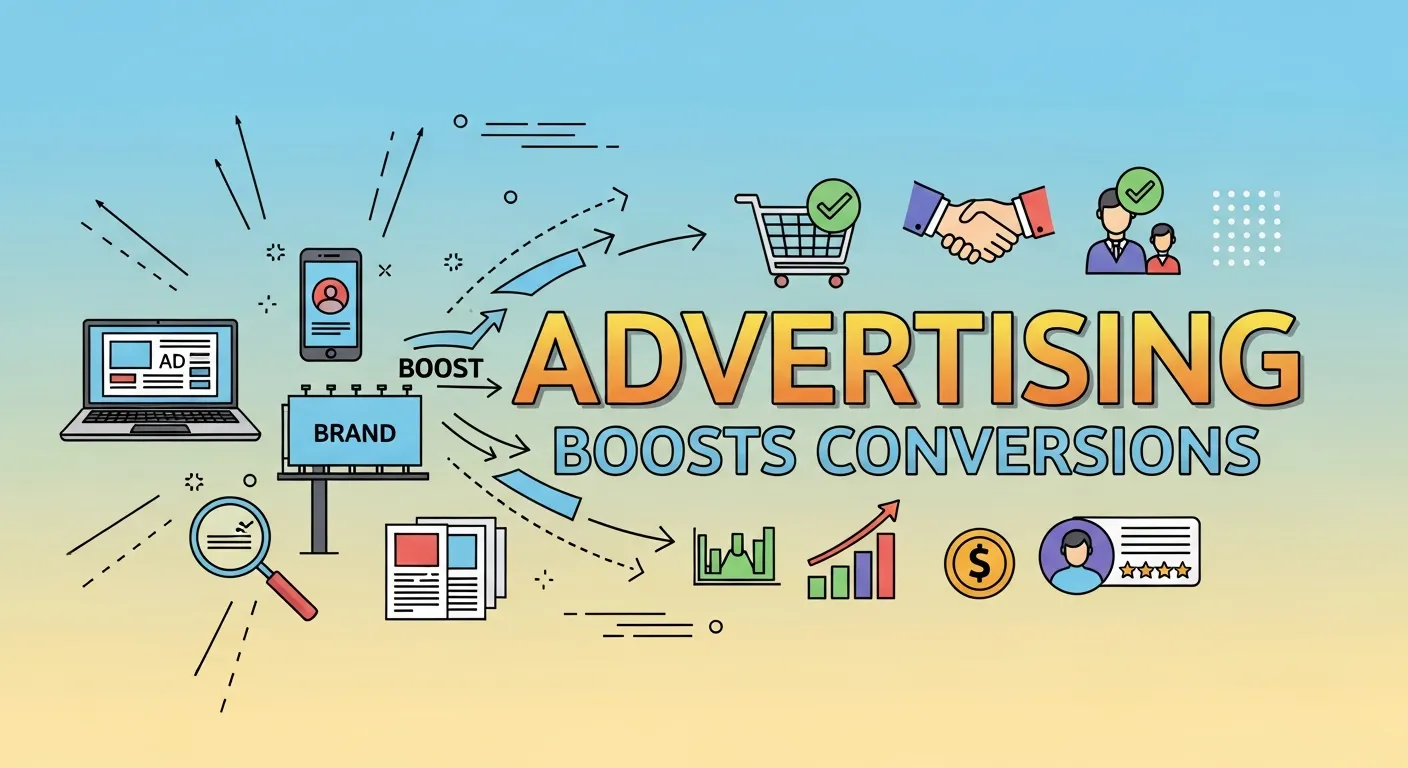
Advertising is one of the fastest ways to improve your Amazon conversion rate by driving targeted traffic to your listings. Paid campaigns, when used strategically, can complement your organic efforts and help you stand out in a crowded marketplace.
Key Strategies to Boost Conversions with Ads:
Leverage Amazon Sponsored Ads:
- Use Sponsored Products to promote your top-performing listings.
- Test different products to see which resonates most with your audience.
- Monitor click-through rates (CTR) and conversion rates to optimize campaigns continuously.
Run Promotions and Coupons:
- Limited-time offers or percentage discounts create urgency.
- Examples: “Buy One, Get One Free” or 10% off for first-time buyers.
- Promotions not only increase sales but can improve your Amazon conversion rate by motivating hesitant shoppers.
Advertising Impact on Conversion Rate
| Ad Type/Promotion | Expected Conversion Rate Lift | Notes |
|---|---|---|
| Sponsored Products | +5–12% | High visibility & targeted traffic |
| Coupons/Discounts | +3–8% | Creates urgency & attracts budget-conscious buyers |
| Sponsored Brands | +4–9% | Improves brand awareness & cross-selling opportunities |
Build Trust with Social Proof
A strong Amazon conversion rate depends on customer confidence. Buyers are more likely to purchase if they trust your product and brand. Leveraging social proof is one of the most effective ways to build that trust.
Steps to Build Social Proof:
Provide a Money-Back Guarantee:
- Clearly state your refund and return policies.
- Risk-free purchases encourage hesitant shoppers to complete the sale, directly improving your Amazon conversion rate.
Highlight Top Reviews and Features:
- Pin glowing reviews to the top of your listing.
- Include testimonials that showcase your product’s benefits and reliability.
- Feature unique selling points in bold or bullet points to make them immediately visible.
Engage with Customers:
- Respond to questions in the Q&A section promptly.
- Address negative reviews tactfully, offering solutions or clarifications.
Social Proof Example
| Social Proof Type | Impact on Conversion Rate | Notes |
|---|---|---|
| Positive Reviews | +5–10% | Builds credibility & trust |
| Money-Back Guarantee | +3–7% | Reduces purchase hesitation |
| Responsive Customer Service | +2–5% | Enhances brand reputation |
Track Your Conversion Metrics
Optimizing your Amazon conversion rate without monitoring results is like sailing without a compass. Tracking metrics allows you to understand what works, refine strategies, and make data-driven decisions for sustained growth.
Important Metrics to Track:
- Units Sold & Sales Rank: Identify your best-sellers and top-performing categories.
- Customer Reviews & Ratings: Monitor trends in feedback to adjust listings or products.
- Click-Through Rate (CTR): Evaluate ad performance and listing attractiveness.
- Conversion Rate: Measure how many visitors actually make a purchase.
Tools for Tracking:
- Amazon Brand Analytics Dashboard: Offers insights into traffic, sales, and competitor performance.
- Third-party analytics tools to measure campaign ROI and conversion efficiency.
Conversion Metrics Example
| Metric | What It Shows | How It Impacts Conversion Rate |
|---|---|---|
| Units Sold | Product popularity & demand | Helps identify high-potential listings |
| Sales Rank | Relative performance in category | Guides pricing & promotion strategies |
| CTR & Ad Performance | Traffic quality | Optimizes campaigns for higher conversion |
| Customer Reviews | Trust & credibility | Drives more confident purchase decisions |
By continuously monitoring these metrics and making improvements, you can steadily increase your Amazon conversion rate and ensure long-term success.
FAQ: Improving Your Amazon Conversion Rate
1. What exactly is Amazon conversion rate, and why is it important?
Amazon conversion rate measures the percentage of visitors to your listing who actually make a purchase. A higher conversion rate means your listings are effectively turning traffic into sales, which increases revenue without necessarily spending more on ads.
2. How can product images impact my Amazon conversion rate?
High-quality images help shoppers visualize products, build trust, and reduce hesitation. Include multiple angles, lifestyle shots, and infographics highlighting key features to improve engagement and ultimately boost your Amazon conversion rate.
3. Are customer reviews really that influential for conversions?
Yes, reviews are a critical factor. Over 90% of buyers check reviews before purchase. Encouraging authentic feedback, responding to questions, and highlighting top reviews can significantly increase your Amazon conversion rate. Learn CRO strategies to leverage reviews at CRO Strategies to Take Your Business.
4. How do pricing and bundling strategies affect conversion rates?
Competitive pricing attracts buyers, while product bundles increase perceived value. Combining smart pricing with bundles can improve purchase decisions and elevate your Amazon conversion rate.
5. Can Amazon advertising campaigns improve conversion rates?
Absolutely. Sponsored Products, Sponsored Brands, and limited-time promotions can drive targeted traffic and encourage buyers to act, boosting your Amazon conversion rate. For advanced insights, check Advanced CRO Strategies for Business Growth.
6. How does Amazon SEO influence conversions?
Optimizing titles, descriptions, and backend keywords improves search visibility. Better visibility means qualified traffic, which is more likely to convert, helping increase your Amazon conversion rate efficiently.
7. How do I handle negative reviews without hurting my conversion rate?
Respond professionally to negative feedback, offer solutions, and highlight positive customer experiences. This approach maintains trust and can prevent lost sales, helping your Amazon conversion rate stay strong.
8. Are follow-up emails effective in boosting Amazon conversion rate?
Yes, post-purchase follow-ups requesting reviews or offering additional tips can improve engagement, build trust, and encourage repeat purchases, all of which enhance your Amazon conversion rate.
9. How can I use CRO strategies to optimize Amazon listings?
Conversion Rate Optimization (CRO) strategies focus on analyzing buyer behavior, testing listing variations, and improving content. You can explore actionable tactics to build your career in CRO at Build a Career in CRO Strategies.
10. What metrics should I track to maintain high conversion rates?
Monitor units sold, sales rank, CTR, reviews, and ad performance. Consistently reviewing these metrics allows you to refine listings, promotions, and advertising, keeping your Amazon conversion rate optimized over time.