

Conversion rate optimization (CRO) is essential for turning website visitors into paying customers. Advanced CRO strategies use data, personalization, and behavioral insights to enhance user experience and boost conversions. Key tactics include optimizing site speed, leveraging social proof, refining CTAs, and improving landing pages. Continuous testing and iteration ensure lasting growth and higher ROI for any online business.
What is CRO and Why Does it Matter?
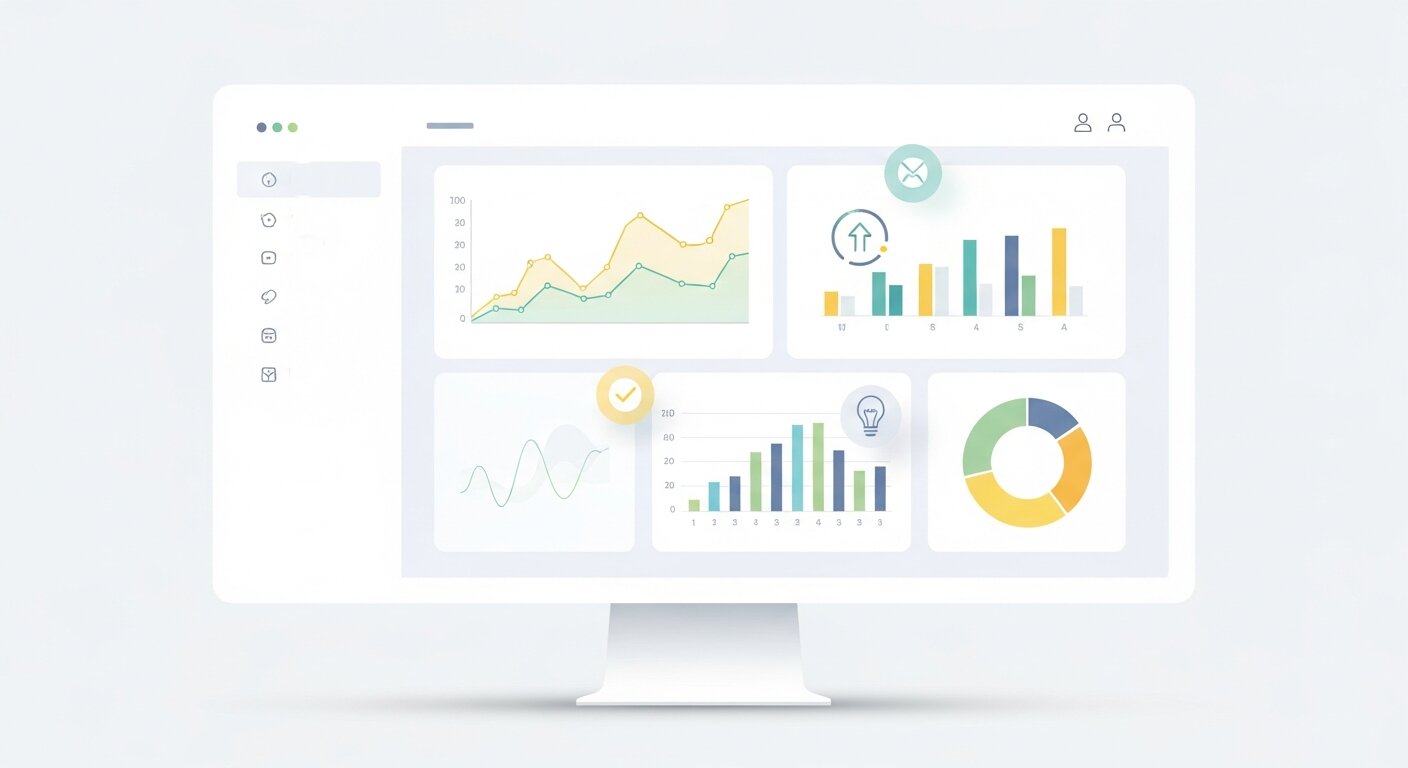
Before diving into actionable steps, it’s important to understand exactly what CRO—or conversion rate optimization—is and why it’s essential for your business growth. At its core, CRO is the systematic process of improving your website or landing pages to encourage visitors to take specific actions. These actions could be making a purchase, signing up for a newsletter, downloading a resource, or even completing a lead form. The ultimate goal is to turn casual visitors into engaged customers or leads.
Why does this matter so much? The answer is simple: traffic alone doesn’t guarantee revenue. You could have thousands of visitors to your site every day, but if they leave without taking any action, that traffic isn’t helping your business. Even a small improvement in your conversion rate can have an outsized impact on revenue. For example, increasing your conversion rate from 2% to 4% doesn’t just double your conversions—it can dramatically improve ROI from your marketing campaigns.
This is where Advanced CRO Strategies come into play. Basic CRO might involve simple tweaks like changing a button color or adding a headline. Advanced approaches, however, go deeper. They use data-driven insights, behavioral analysis, and psychological triggers to optimize the entire user journey. With these strategies, you don’t just increase conversions—you enhance user experience, reduce friction, and create personalized pathways that resonate with your audience.
By focusing on Advanced CRO Strategies, you ensure that every marketing dollar, every piece of content, and every visitor is working harder for your business. If you’re generating traffic but seeing low engagement or conversions, it’s a clear sign that implementing these advanced strategies is no longer optional—it’s essential for sustainable growth.
Advanced CRO Strategies You Need to Implement
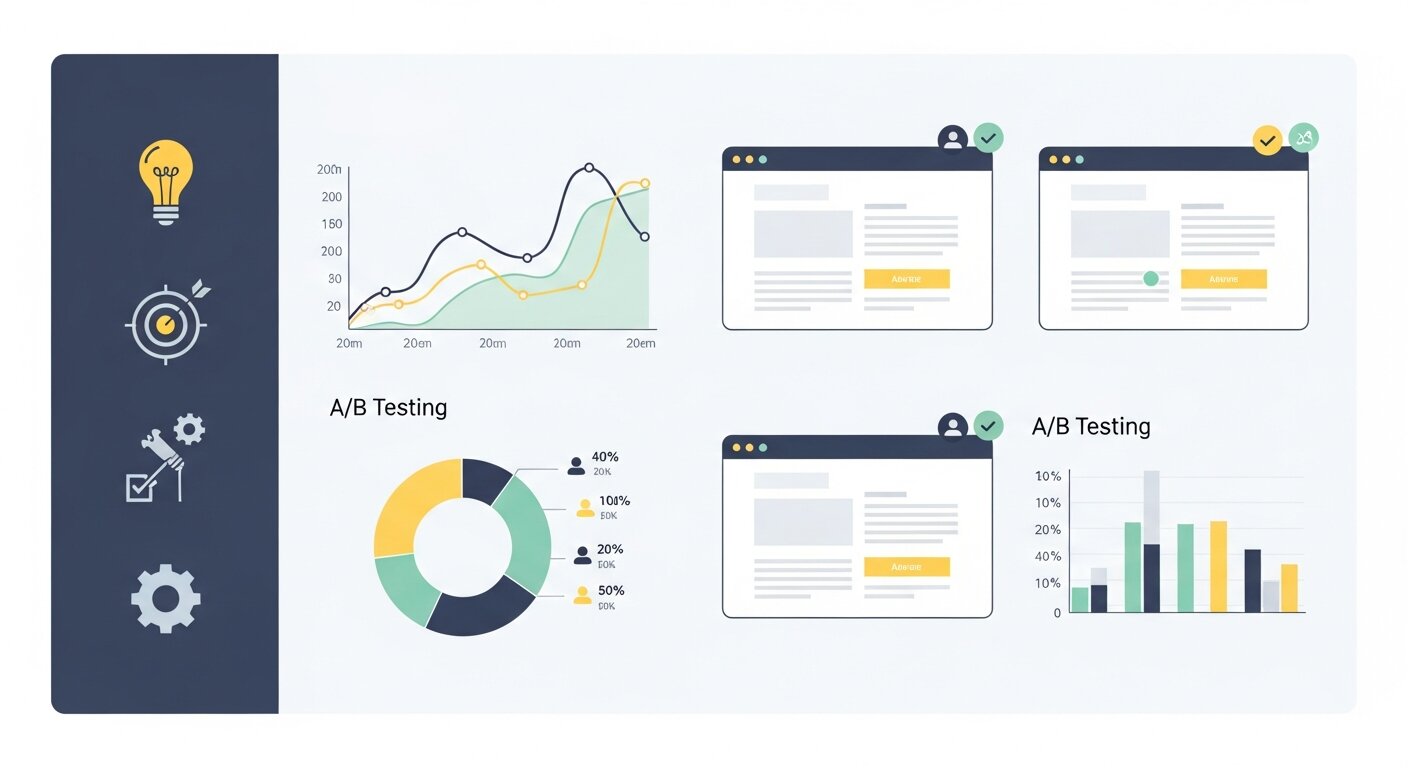
Mastering CRO goes beyond simple A/B tests or mobile-friendly designs. Advanced strategies focus on improving the entire user journey using data-driven insights and behavioral analysis. For a broader perspective, see our Guide to CRO Marketing Strategies. By understanding how visitors interact with your site, you can identify friction points, optimize navigation, and enhance engagement.
Personalization is key—dynamic content, adaptive CTAs, and tailored recommendations make users feel understood, increasing the likelihood of conversion. Other elements like fast-loading pages, simplified forms, and social proof remove barriers and build trust.
Finally, continuous testing and iteration are essential. Multi-variate testing, AI-driven personalization, and ongoing KPI analysis ensure your website evolves with your audience. Implementing Advanced CRO Strategies creates a seamless, conversion-focused experience that maximizes results without relying on guesswork.
Understand Your Audience with Behavioral Analysis
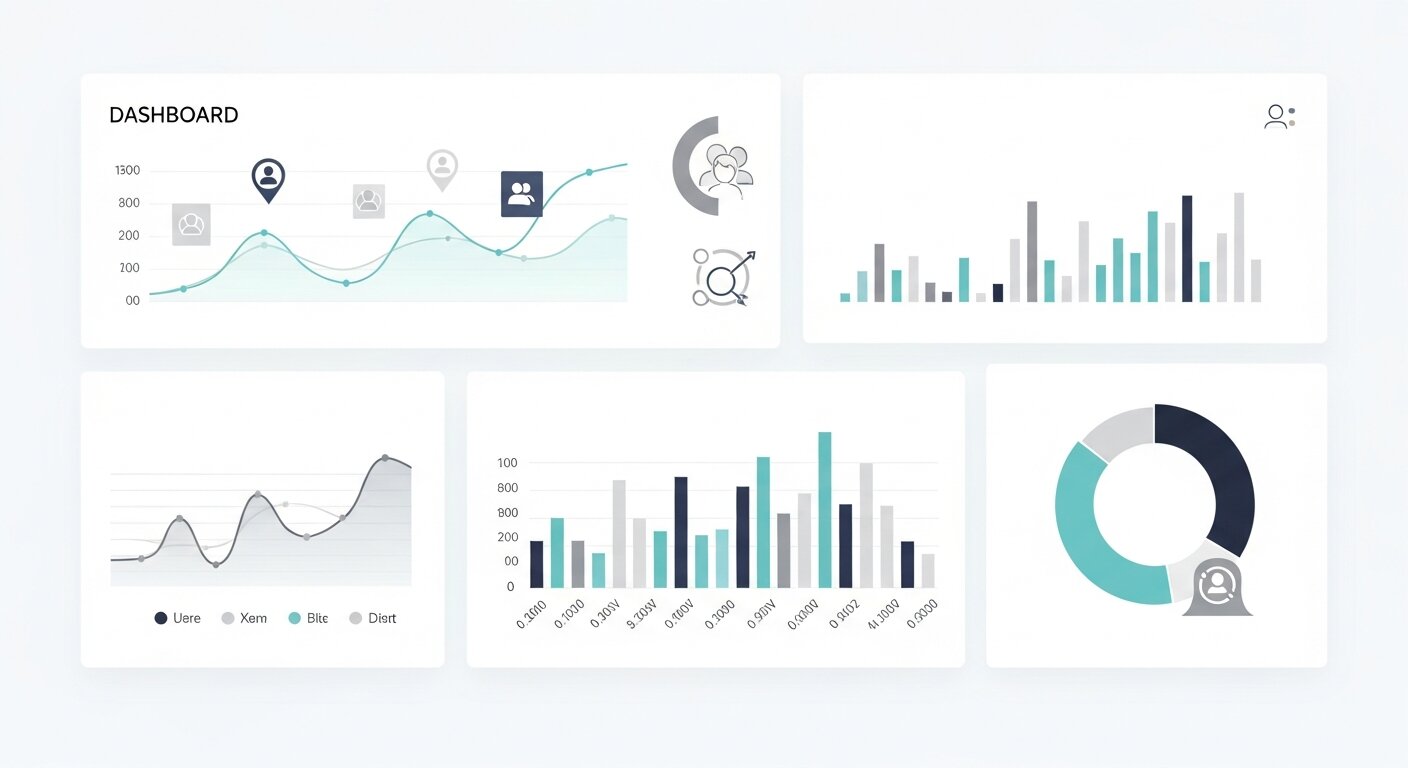
Every audience is different, and understanding how they interact with your website is crucial for driving conversions. Behavioral analysis allows you to dig deeper into user actions, such as where visitors click, how far they scroll, and which pages cause them to leave. This insight helps identify pain points, friction in the user journey, and areas that need improvement.
Tools like heatmaps and session recordings provide a visual representation of user behavior, showing exactly where attention is focused and where engagement drops. Surveys and feedback forms give a qualitative perspective, helping you understand the “why” behind user actions.
By combining these insights, you can make informed decisions about layout, content placement, navigation, and calls-to-action. A website that reflects real user behavior is not only easier to navigate but also more likely to convert visitors into customers, creating a smoother, more satisfying experience for everyone.
To further streamline data collection, you can implement automated data entry forms, ensuring insights are captured accurately without manual work.
Tools to try:
- Heatmaps (via Hotjar or Crazy Egg): Identify where users click, hover, or scroll on your web pages to spot UX bottlenecks.
- Session Recordings: Watch real-time recordings of visitors navigating your site to pinpoint where they drop off.
- Surveys and Feedback Forms: Tools like Type form help you collect valuable insights directly from users.
Knowing what your audience is doing (and why) allows you to make data-driven changes that resonate.
Personalize the User Experience
In today’s competitive online landscape, generic experiences no longer capture attention or drive conversions. Personalization is a key factor in creating meaningful interactions that make visitors feel understood and valued. By leveraging data such as location, device type, browsing history, and previous interactions, you can deliver tailored experiences that resonate with individual users.
Personalization can take many forms: dynamically changing headlines or product recommendations based on user behavior, sending targeted emails triggered by actions like cart abandonment, or adjusting calls-to-action to match user preferences. Even small adjustments, like showing local offers or highlighting products relevant to a visitor’s interests, can significantly boost engagement and conversion rates.
When implemented thoughtfully, personalized experiences create a sense of relevance and connection, increasing the likelihood that users will take the desired action, whether it’s making a purchase, signing up, or exploring more content on your site.
Example techniques:
- Dynamic Content: Use tools like Optimize to deliver personalized headlines or product recommendations.
- Personalized Emails: Send behavior-triggered emails based on user actions, such as cart abandonment reminders or tailored upsell recommendations.
- Adaptive CTAs: Adjust call-to-action buttons based on visitor behavior or demographic segments.
With personalization, potential customers feel understood, which increases their likelihood of converting.
Optimize Your Site Speed
Did you know that a 1-second delay in loading time can cause conversion rates to drop by 7%? Speed matters. A fast website provides a better user experience and keeps potential customers engaged. A fast website keeps potential customers engaged. Steps include image compression, using a CDN, and optimizing code. You can also see How CRO SEO Can Double Your Website’s Performance for optimizing performance and conversions together.
Steps to improve site speed:
- Compress images using tools like TinyPNG.
- Use a content delivery network (CDN) such as Cloudflare.
- Minify CSS, JavaScript, and HTML files.
- Opt for reliable hosting services with scalable options.
Google PageSpeed Insights can provide actionable recommendations tailored to your website. Make speed optimization a priority, and watch your bounce rate plummet.
Leverage Social Proof Strategically
People are wired to trust the opinions of others, making social proof one of the most powerful psychological tools in CRO.
How to implement social proof:
- Showcase customer reviews prominently on your landing pages. Platforms like Trustpilot simplify collecting and displaying reviews.
- Highlight user-generated content (UGC): Encourage customers to share photos or testimonials on social media and display them on your site.
- Display trust badges, awards, or statistics (“Over 50,000 satisfied customers!”) to establish authority.
When potential customers see that others trust and love your brand, they’re more likely to take action.
Create Value-Driven Landing Pages
A well-optimized landing page focuses on one goal and eliminates distractions. But advanced landing page optimization goes beyond a clean layout.
Advanced tips:
- Use Long-Form Content: If your product or service solves complex problems, long-form landing pages with detailed explanations tend to convert better.
- Test Video Content: Videos can increase conversions dramatically by showcasing your product in action or featuring compelling testimonials.
- Focus on Benefits, Not Features: Frame your offering around the value it brings. For example, instead of “Our app tracks expenses,” say, “Easily stay on top of your finances without stress.”
Tools like Unbounce and Leadpages make it simple to test variations and track performance.
Reduce Friction in the Checkout Process
If you’re running an e-commerce site, optimizing the checkout process is critical for reducing cart abandonment.
Tips for simplifying checkout:
- Enable guest checkout: Don’t force account creation.
- Use progress indicators: Show users how many steps remain to complete the process.
- Offer multiple payment options: PayPal, credit cards, Google Pay, or Apple Pay.
- Minimize form fields: Only ask for essential information.
A seamless checkout experience can make the difference between a sale and an abandoned cart.
Test (and Retest) Your CTAs
Your call-to-action (CTA) can make or break a conversion. CTAs should be clear, action-oriented, and benefit-driven. A simple “Sign Up” button doesn’t spark urgency or excitement.
How to create irresistible CTAs:
- Use action-packed verbs like “Get,” “Try,” or “Upgrade.”
- Highlight what users will gain. For example, “Start Your Free Trial Today” beats “Sign Up.”
- Inject urgency when appropriate, such as “Limited Offer!”
A/B testing platforms like Google Optimize or VWO can help you identify which CTAs resonate most with your audience.
Pitfalls to Avoid in Advanced CRO
Even seasoned CRO experts can trip up. Avoid these common mistakes when applying advanced strategies:
- Skipping Data Analysis: Always back your strategies with data. CRO without research is like throwing darts in the dark.
- Overcomplicating Your Website: A true CRO strategy simplifies the user experience, not the other way around.
- Relying on a Single Strategy: A mix of different methods leads to better results than banking on one approach alone.
Achieve Lasting Growth with CRO
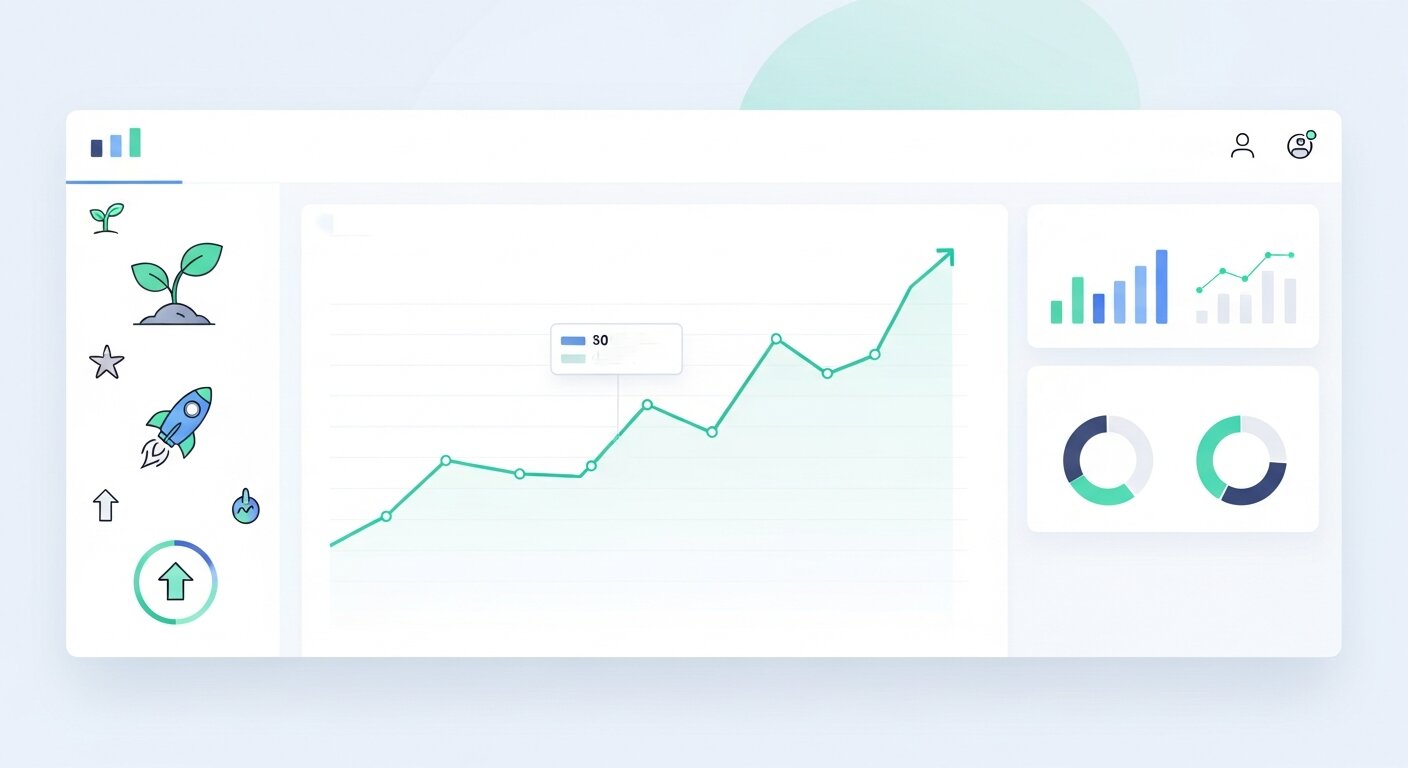
Conversion rate optimization is not a one-time task—it’s an ongoing process that requires regular testing, learning, and refinement. User behavior evolves, market trends shift, and what works today may not work tomorrow. Businesses that treat CRO as a continuous effort are the ones that sustain long-term growth and maintain a competitive edge.
Conversion rate optimization is an ongoing process. Small adjustments compound into significant improvements in conversion rates and revenue. For more structured insights, see Master the Art of Website Conversion Rate Optimization.
If your website is attracting traffic but failing to convert, it’s a signal to revisit how your brand, products, or services are presented. Small adjustments—like simplifying navigation, clarifying your messaging, or reducing friction in forms—can have an immediate impact on performance. Over time, consistently applying insights from data, testing different approaches, and iterating on what works can compound into substantial improvements in conversion rates and overall revenue.
The key is to start with manageable changes, carefully monitor results, and gradually scale successful strategies. By maintaining a cycle of experimentation and improvement, businesses can overcome conversion challenges, enhance user satisfaction, and build a website experience that supports sustainable, long-term growth.
Frequently Asked Questions (FAQ)
What are the most impactful Advanced CRO Strategies for e-commerce?
For e-commerce, Advanced CRO Strategies focus on improving the checkout flow, personalizing product recommendations, and leveraging behavioral triggers like abandoned cart reminders. Multi-step optimization that combines data analysis, mobile-first design, and psychological triggers ensures a seamless path to purchase.
How can Advanced CRO Strategies improve lead generation for service businesses?
By analyzing user behavior, personalizing landing pages, and crafting value-driven CTAs, Advanced CRO Strategies help service-based businesses convert website visitors into qualified leads. Using session recordings and surveys, businesses can identify friction points in forms or signup processes and optimize them to maximize lead capture.
Are there tools that specifically support Advanced CRO Strategies?
Yes. Tools like Hotjar, Crazy Egg, VWO, Google Optimize, and Unbounce are instrumental in implementing Advanced CRO Strategies. They allow businesses to track user behavior, run sophisticated tests, personalize content, and measure the impact of optimizations accurately.
How long does it take to see results from Advanced CRO Strategies?
Results can vary depending on traffic volume, audience behavior, and the complexity of your website. Typically, measurable improvements can appear within a few weeks of implementing targeted strategies, while ongoing optimization ensures sustained growth over months.
Can small websites implement Advanced CRO Strategies effectively?
Absolutely. Even small websites can benefit from Advanced CRO Strategies. Starting with behavioral analysis, simplified personalization, and mobile optimization can significantly improve conversions without requiring large budgets or extensive resources.
What are Advanced CRO Strategies and why are they important?
Advanced CRO Strategies go beyond basic website tweaks—they focus on holistic, data-driven improvements that optimize every aspect of the user journey. These strategies include personalization, behavioral analysis, mobile optimization, and psychological triggers to maximize conversion potential. Implementing advanced strategies ensures consistent growth and higher ROI from your marketing efforts.
How do I identify which Advanced CRO Strategies to implement first?
Start by analyzing your conversion funnel and user behavior. Identify pages or steps with high drop-off rates and prioritize experiments that address those friction points. Tools like heatmaps, analytics dashboards, and session recordings can help determine where Advanced CRO Strategies will have the biggest impact.
Can small businesses benefit from Advanced CRO Strategies?
Absolutely. Even small changes informed by data can significantly improve conversions, making every visitor count. Small businesses can implement personalized messaging, simplify mobile experiences, and leverage user psychology to achieve impressive results without massive budgets.
How do I measure the success of Advanced CRO Strategies?
Success is measured by tracking key performance indicators (KPIs) such as conversion rate, average order value, lead quality, and engagement metrics. Using analytics tools to monitor changes before and after implementing strategies ensures that every optimization effort is data-driven and accountable.
Are Advanced CRO Strategies only for e-commerce websites?
No, these strategies are relevant for any website that relies on visitor actions, including SaaS platforms, lead generation sites, blogs, and service-based businesses. Any website that aims to convert visitors into subscribers, leads, or customers can benefit from a structured approach to CRO.