

Generating leads is only the first step toward business growth. The real challenge is turning interested prospects into paying customers. This is where lead conversion becomes essential. A strong lead conversion strategy helps businesses guide potential customers through the buying journey, build trust, remove friction, and encourage them to take meaningful action.
Whether a business relies on SEO, paid advertising, social media, email marketing, or content marketing, converting leads efficiently can improve revenue and customer acquisition. Businesses can increase conversion opportunities by optimizing landing pages, improving website performance, simplifying forms, creating relevant offers, and tracking customer behavior.
What Is Lead Conversion?
Lead conversion is the process of turning a potential customer or lead into a customer who takes a desired action. That action may include purchasing a product, booking a service, signing up for a subscription, or completing another business goal.
A visitor becomes a lead when they show interest by submitting a form, requesting information, subscribing to an email list, or contacting a business. However, not every lead is ready to buy immediately.
Effective lead conversion focuses on understanding where each prospect is in the buying journey and providing the right information or offer at the right time. Instead of treating every lead the same way, businesses can use personalized communication and relevant content to move prospects closer to a purchase.
Why Lead Conversion Matters for Customer Acquisition
 Customer acquisition can become expensive when businesses generate many leads but fail to convert them. Improving conversion rates allows companies to gain more customers from the leads they already attract.
A strong lead conversion strategy can help businesses:
- Increase sales opportunities
- Improve marketing ROI
- Reduce wasted leads
- Build stronger customer relationships
- Shorten the sales cycle
- Improve customer acquisition efficiency
For example, if a website receives thousands of visitors but very few people submit forms or make purchases, simply increasing traffic may not solve the problem. Improving the experience for existing visitors can sometimes produce better results.
Understand Your Target Audience
Before optimizing lead conversion, businesses need to understand who their ideal customers are. Different audiences have different needs, concerns, budgets, and buying motivations.
Analyze customer behavior to identify what problems prospects are trying to solve and what factors influence their purchasing decisions. Customer feedback, website analytics, search behavior, and sales conversations can provide valuable insights. Understanding your audience also helps businesses create more relevant landing pages, offers, emails, and calls to action.
Create Customer-Focused Messaging
Marketing messages should focus on customer needs rather than simply describing products or services. Instead of only explaining what a company offers, communicate how the solution can solve a specific problem. Clear value propositions can help visitors quickly understand why they should take the next step.
Optimize Landing Pages for Better Conversions
Landing pages play an important role in lead conversion because they are often designed around a specific campaign or offer. A good landing page should have a clear purpose. Visitors should immediately understand what is being offered, why it matters, and what action they should take.
Use a strong headline, concise supporting information, relevant visuals, trust signals, and a noticeable call-to-action. Avoid unnecessary navigation or distractions that can take visitors away from the conversion goal. Landing pages should also match the message used in advertisements, emails, or search results. Consistency creates a smoother experience and reduces confusion.
Improve Website Performance
Website performance can have a direct impact on user experience. If pages take too long to load, visitors may leave before they see the offer or complete a form. This makes Page speed optimization an important part of a successful lead conversion strategy.
Compressing images, reducing unnecessary scripts, improving server performance, using efficient caching, and optimizing website code can help create a faster browsing experience. A fast website makes it easier for visitors to explore content, interact with forms, and complete desired actions.
Prioritize Mobile Optimization
 A significant portion of online traffic comes from smartphones and tablets. If a website is difficult to use on smaller screens, businesses can lose valuable leads. Mobile optimization ensures that pages, forms, buttons, images, menus, and content work properly across different screen sizes.
Mobile visitors should not have to zoom in, scroll excessively, or struggle to click a button. Forms should also be simple enough to complete from a smartphone. A responsive website combined with fast loading times can create a better experience and increase the chances of conversion.
Create Clear and Compelling Calls to Action
A call to action tells visitors what they should do next. Weak or unclear CTAs can create hesitation. Instead of using generic phrases, make the desired action specific and relevant to the offer. For example, a business may use CTAs such as “Request a Free Consultation,” “Get Your Quote,” or “Start Your Free Trial.”
The CTA should be easy to find and visually distinct from surrounding content. However, businesses should avoid overwhelming visitors with too many competing calls to action.
Simplify Lead Capture Forms
Long and complicated forms can discourage potential customers from completing them. Only request information that is necessary for the next stage of the customer journey. If a company only needs a name and email address to begin communication, asking for multiple additional details may create unnecessary friction.
For more complex services, additional information may be necessary. In those cases, businesses can consider multi-step forms that break the process into smaller sections. Simple forms can make it easier for prospects to take action while still giving businesses the information they need.
Build Trust Before Asking for the Sale
Trust is a major factor in customer acquisition. People are more likely to become customers when they believe a business is credible, reliable, and capable of delivering value. Businesses can strengthen trust by displaying customer reviews, testimonials, case studies, industry credentials, transparent pricing information, guarantees, and useful educational content.
Social proof can be particularly effective because potential customers often look for evidence that others have had positive experiences with a company.
Personalize the Customer Journey
Not every lead has the same needs or purchase intent. Personalization allows businesses to deliver more relevant experiences based on customer behavior. For example, someone who downloads an introductory guide may need educational content, while someone who requests a product demonstration may be much closer to making a purchase.
Businesses can use lead source, website activity, previous interactions, interests, and engagement levels to create different communication paths. Personalized email campaigns, targeted offers, and relevant follow-up content can help move leads through the sales funnel more effectively.
Use Content to Educate Prospects
Content marketing can support lead conversion by answering questions and addressing concerns before a customer makes a purchasing decision. Blog posts, guides, case studies, videos, webinars, comparison pages, and FAQs can help prospects understand a product or service.
Educational content is especially useful for businesses with longer sales cycles. Instead of aggressively pushing a sale, businesses can provide valuable information that helps prospects make informed decisions. When prospects repeatedly find useful information from a brand, confidence and familiarity can increase.
Follow Up With Leads Consistently
Many leads do not convert after their first interaction. Without follow-up, businesses may lose prospects who were genuinely interested but not ready to purchase immediately. A consistent follow-up strategy can include email sequences, phone calls, remarketing, personalized messages, or educational content.
The timing and frequency of follow-ups should depend on the business model and customer journey. Communication should remain useful rather than becoming repetitive or intrusive. A good follow-up reminds prospects of the value of the product or service while giving them a clear opportunity to take the next step.
Use Conversion Tracking to Measure Performance
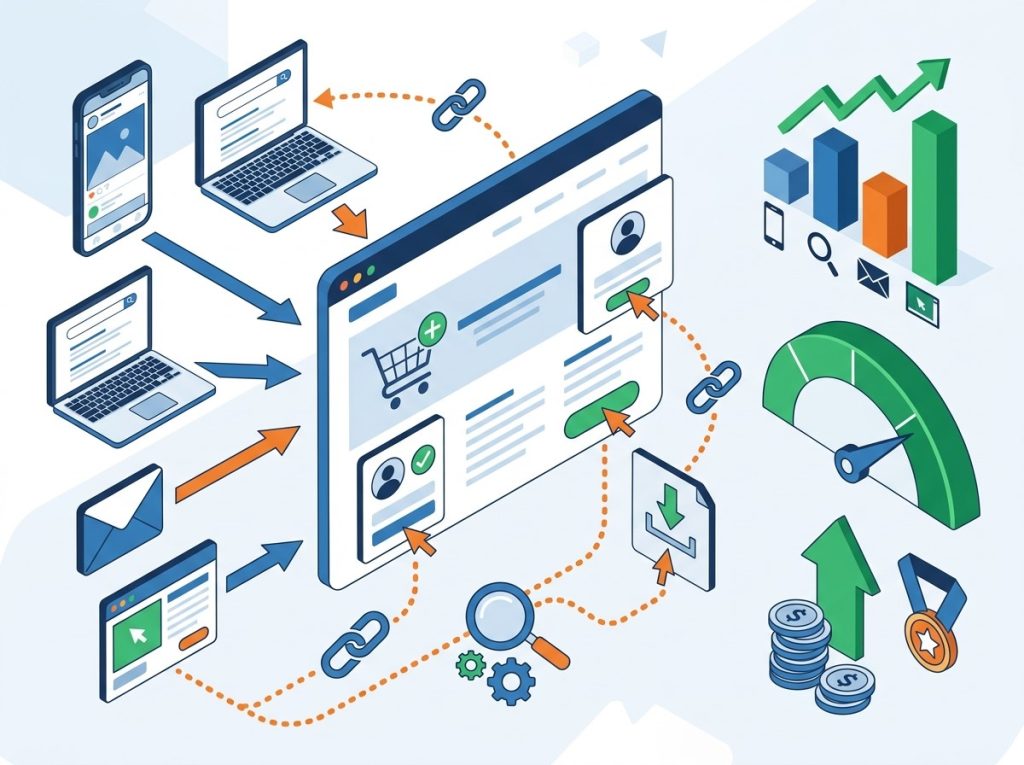 Businesses cannot improve what they do not measure. Conversion tracking helps identify which marketing activities generate leads and which ones actually produce customers. Track important actions such as form submissions, purchases, calls, demo requests, downloads, registrations, and consultation bookings.
Businesses should also compare conversion performance across different channels. A campaign that produces many leads may not necessarily generate the highest number of customers. Analyzing conversion data can help marketers identify which traffic sources, landing pages, offers, and campaigns are producing the strongest results.
Monitor Key Conversion Metrics
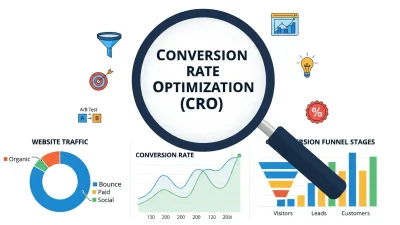
Important metrics may include lead-to-customer conversion rate, cost per lead, cost per acquisition, landing page conversion rate, sales cycle length, and customer acquisition cost. Monitoring these metrics over time makes it easier to identify trends and determine where improvements are needed.
A/B Test Your Conversion Strategy
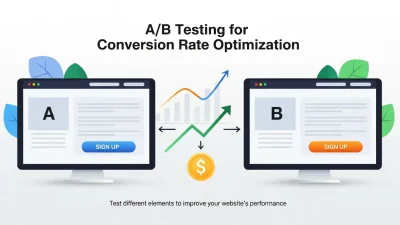
A/B testing allows businesses to compare two versions of an element and determine which performs better. Businesses can test headlines, CTA wording, button placement, form length, landing page layouts, images, offers, and supporting copy.
For example, one landing page may offer a free consultation while another offers a downloadable guide. Measuring results can reveal which offer attracts more qualified leads. Testing should be systematic. Change one major element at a time when possible so that results are easier to interpret.
Align Marketing and Sales Teams
Lead conversion becomes more effective when marketing and sales teams work toward the same goals. Marketing teams often focus on generating leads, while sales teams focus on converting qualified prospects. If both teams have different definitions of a qualified lead, valuable opportunities can be lost.
Create clear criteria for lead qualification and establish communication processes between marketing and sales. Sales teams can also provide feedback about lead quality, common objections, customer questions, and reasons prospects do not purchase. Marketing teams can use this information to improve campaigns and content.
Reduce Friction Throughout the Buying Journey
Every unnecessary step can create an opportunity for prospects to leave. Review the entire customer journey from the first click to the final purchase. Look for complicated navigation, unclear pricing, slow pages, confusing forms, unnecessary account creation, or limited payment options.
The goal is to make the next step obvious and convenient. A smooth buying experience reduces hesitation and helps prospects move from interest to action more efficiently.
Retarget Interested Prospects
Some visitors need additional interactions before becoming customers. Retargeting can help businesses reconnect with people who previously visited a website or interacted with marketing content.
For example, a visitor who views a service page but does not submit a form may later see an advertisement highlighting the same service, a customer testimonial, or a limited-time offer. Retargeting should be relevant and controlled. Repeatedly showing the same message can create a poor user experience.
Continuously Improve Your Lead Conversion Process
Lead conversion is not a one-time marketing activity. Customer expectations, technology, competitors, and market conditions continue to change. Businesses should regularly review analytics, customer feedback, campaign results, and sales data to identify new opportunities for improvement.
Small changes can sometimes create meaningful improvements. A clearer CTA, faster landing page, shorter form, stronger testimonial, or better follow-up email may improve results without requiring a complete marketing overhaul.
Common Lead Conversion Mistakes to Avoid
Businesses often focus heavily on lead generation while overlooking what happens after a prospect becomes a lead. Common mistakes include sending leads to irrelevant landing pages, using unclear CTAs, ignoring mobile users, failing to follow up, collecting too much form information, and not tracking conversions properly.
Another common mistake is focusing on the number of leads instead of lead quality. A smaller number of highly qualified prospects can be more valuable than hundreds of unqualified contacts. Businesses should therefore evaluate both lead volume and revenue outcomes.
Conclusion
Effective lead conversion requires more than generating website traffic or collecting contact information. Businesses need to create a smooth customer journey that builds trust, communicates value, and makes it easy for prospects to take action.
From Page speed optimization and Mobile optimization to personalized messaging and Conversion tracking, every part of the digital experience can influence conversion performance. By continuously testing, measuring, and improving the customer journey, businesses can turn more prospects into customers and achieve stronger long-term growth.
Frequently Asked Questions
1. What is lead conversion?
Lead conversion is the process of turning a potential customer into a paying customer or getting them to complete a desired business action.
2. Why is lead conversion important?
Lead conversion helps businesses generate more customers from existing leads, improve marketing ROI, reduce wasted opportunities, and increase revenue.
3. How can businesses improve lead conversion?
Businesses can improve lead conversion by optimizing landing pages, simplifying forms, improving website speed, strengthening CTAs, building trust, personalizing communication, and following up consistently.
4. How does page speed affect lead conversion?
Slow websites can frustrate visitors and cause them to leave before completing an important action. Page speed optimization can create a smoother experience and support better conversion performance.
5. Why is mobile optimization important for conversions?
Mobile optimization ensures that websites, forms, buttons, and content work properly on smartphones and tablets, helping mobile visitors complete desired actions more easily.
6. What is conversion tracking?
Conversion tracking is the process of measuring specific actions such as purchases, form submissions, calls, registrations, or bookings to determine how effectively marketing campaigns generate results.
7. Should businesses use long or short lead forms?
The ideal form length depends on the business and the information required. Generally, forms should request only information that is necessary for the next step in the customer journey.
8. How does personalization improve lead conversion?
Personalization delivers content, offers, and communication based on a prospect’s interests and behavior. This can make marketing messages more relevant and encourage prospects to take action.
9. How often should businesses follow up with leads?
Follow-up frequency depends on the sales cycle and customer expectations. Businesses should maintain consistent communication while ensuring that each interaction provides useful or relevant information.
10. How can businesses measure lead conversion success?
Businesses can measure success using metrics such as lead-to-customer conversion rate, cost per acquisition, landing page conversion rate, customer acquisition cost, sales cycle length, and revenue generated from leads.