
Online Purchase Experience plays a significant role in determining whether customers complete their orders or leave an ecommerce website without buying anything. A smooth purchasing process helps shoppers discover products, understand prices, compare options, choose payment methods, and complete checkout without unnecessary complications. When customers can move through these steps easily, they are more likely to feel confident about purchasing and returning for future transactions.
Businesses that prioritize convenience, website performance, security, and customer satisfaction can create shopping experiences that encourage more conversions. A complicated checkout, slow-loading pages, unexpected costs, or confusing product information can discourage potential buyers and reduce revenue opportunities. By improving navigation, implementing effective Page speed optimization, and using SEO conversion rate optimization techniques, ecommerce businesses can reduce friction and create a more effective purchasing journey. These improvements can also Boost website engagement, strengthen customer trust, and support sustainable sales growth.
Understanding the Online Purchase Experience
The Online Purchase Experience includes every interaction customers have with an online store while researching products, making purchasing decisions, completing transactions, and receiving order updates. It begins when visitors discover a website and continues through product selection, checkout, payment, delivery communication, and post-purchase support.
A seamless experience makes these interactions convenient, predictable, and reliable. Customers should understand what a business offers, find relevant products quickly, and complete purchases without facing unnecessary barriers. When a website consistently meets these expectations, it can encourage customer satisfaction and improve the likelihood of repeat purchases.
Why a Seamless Shopping Journey Matters
Online shoppers often compare multiple stores before making a decision. If one website provides clear information, faster navigation, transparent pricing, and convenient checkout, customers may prefer it over a competitor with a more complicated purchasing process.
A smooth shopping journey also reduces uncertainty. When shoppers know what they are buying, how much they will pay, and when their orders are expected to arrive, they can make decisions with greater confidence. This combination of convenience and transparency can help businesses improve their sales performance.
How Website Navigation Helps Increase Sales
 Website navigation influences how quickly customers discover products and move toward purchasing decisions. A well-organized online store helps visitors understand product categories, locate relevant items, and access essential information without confusion. When shoppers can find what they need efficiently, they are more likely to explore additional products and continue through the purchasing journey.
Creating Clear Product Categories
Product categories should follow a logical structure that reflects customer expectations. For example, an electronics store might organize products by device type, while a clothing retailer could use categories based on apparel, accessories, and seasonal collections. Clear labels help visitors understand where to look.
Effective navigation should also include accessible search functionality and useful filters. Customers should be able to narrow results according to price, size, brand, ratings, or other relevant characteristics. A simpler discovery process saves time and helps shoppers identify products that match their requirements.
Making Important Information Easy to Find
Customers often need answers about shipping, returns, product specifications, warranties, and payment options before purchasing. Making these details accessible helps reduce hesitation and supports informed decisions.
Businesses should place essential information where shoppers naturally expect to find it. Product pages, checkout screens, and dedicated policy pages should communicate relevant details clearly. This transparency reduces uncertainty and creates a more trustworthy Online Purchase Experience.
The Importance of Page Speed Optimization
Website speed is an important part of the online shopping journey because customers expect pages to load quickly and respond smoothly. Delays can interrupt product discovery, frustrate visitors, and increase the likelihood that they leave before completing a purchase. Page speed optimization helps businesses deliver a more responsive website and remove technical barriers that interfere with shopping.
Improving Website Loading Performance
Page speed optimization involves improving how quickly website content becomes available and how reliably pages respond to customer interactions. Compressing images, reducing unnecessary scripts, enabling browser caching, and choosing suitable hosting can improve performance.
Businesses should also monitor mobile performance because customers frequently shop using smartphones and tablets. Tools such as Google PageSpeed Insights can identify performance issues and provide recommendations. Monitoring Core Web Vitals helps evaluate loading speed, interaction responsiveness, and visual stability.
How Faster Pages Support Sales
Fast-loading product pages allow customers to compare items, examine images, and move between categories without unnecessary delays. A responsive checkout also makes it easier to enter information, select payment methods, and confirm an order.
Speed improvements do not guarantee higher sales on their own, but they can remove a significant source of friction. When combined with relevant products, clear pricing, and a convenient checkout, better performance can contribute to improved conversion rates and customer satisfaction.
How a Simple Checkout Process Reduces Abandoned Carts
Checkout is one of the most important stages of an online purchase. Customers may abandon their carts when they encounter lengthy forms, unexpected fees, confusing instructions, or limited payment options. A streamlined checkout helps shoppers complete transactions with less effort and reduces obstacles between product selection and purchase confirmation.
Reducing Unnecessary Checkout Steps
A straightforward checkout should request only the information necessary to process an order. Guest checkout can accommodate shoppers who do not want to create an account, while clear progress indicators help customers understand how many steps remain.
Businesses should avoid requiring unnecessary personal details or making users repeatedly enter information. Forms should be easy to complete on mobile devices, with clear field labels and helpful error messages. These improvements make checkout more convenient and reduce the likelihood of customers abandoning their orders.
Providing Transparent Pricing and Delivery Information
Unexpected costs can weaken customer confidence at the final stage of a purchase. Shipping fees, taxes, handling charges, and delivery estimates should be communicated as early as practical so shoppers can understand the total cost before committing.
Clear return policies and realistic delivery expectations also support purchasing decisions. When customers know what to expect, they are less likely to experience unpleasant surprises. Transparent checkout practices can strengthen trust and encourage more shoppers to complete their transactions.
How Boosting Website Engagement Supports Purchasing Decisions
Efforts to Boost website engagement can help customers discover useful products, understand available options, and interact more meaningfully with an online store. Engagement includes activities such as viewing product pages, using search filters, reading customer reviews, exploring related items, and adding products to a cart.
Creating Relevant and Helpful Content
Product descriptions, buying guides, comparison pages, and frequently asked questions help customers evaluate their options. Useful content should explain product features, practical benefits, compatibility, and limitations without relying on exaggerated claims.
Relevant internal links can guide visitors toward complementary products and related categories. For example, a customer browsing a laptop might benefit from links to compatible accessories or product comparison guides. This approach can improve product discovery while helping shoppers make more informed decisions.
Using Personalization Responsibly
Personalized recommendations can make shopping more relevant by presenting products that align with a customer’s interests or browsing behaviour. Related product suggestions, recently viewed items, and relevant category recommendations can reduce the effort required to discover suitable options.
Personalization should remain helpful rather than intrusive. Businesses should respect privacy expectations and use customer data responsibly. When recommendations are relevant and the website remains easy to navigate, personalization can improve engagement and support purchasing decisions.
The Role of SEO Conversion Rate Optimization
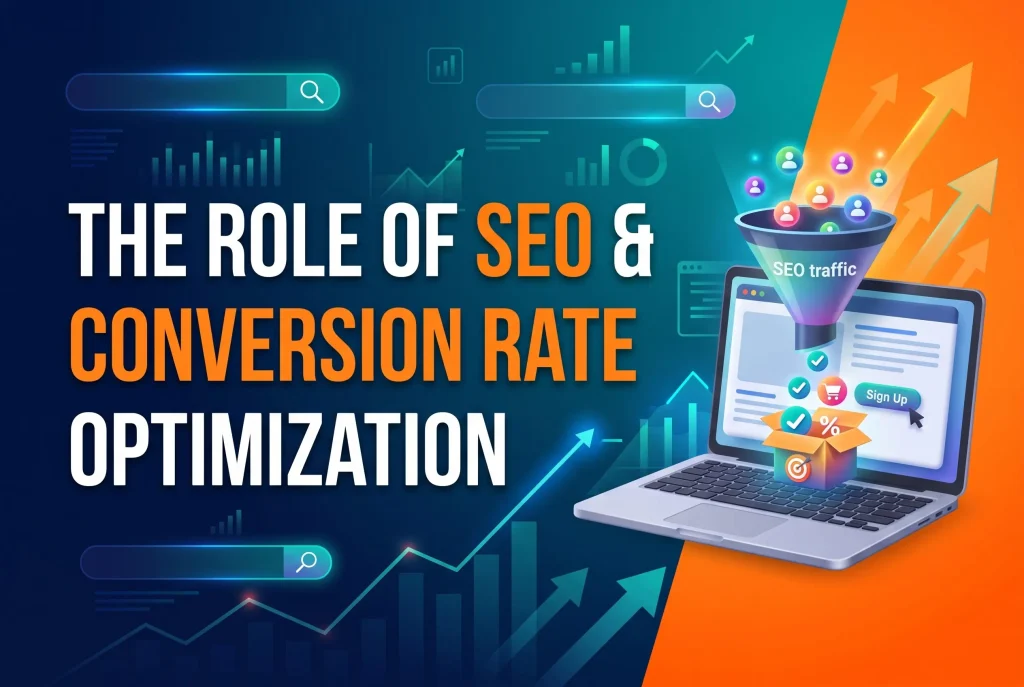 SEO conversion rate optimization brings together search-focused improvements and website conversion strategies to help attract relevant visitors and make it easier for them to complete valuable actions. Search engine optimization helps customers discover relevant products, while conversion optimization improves the experience they encounter after arriving at the website.
Attracting Visitors With Relevant Search Intent
Ecommerce pages should match what potential customers are looking for. Clear product titles, informative descriptions, descriptive page headings, relevant metadata, and structured product information can help search engines understand page content.
Targeting relevant search terms can attract visitors who are more likely to be interested in the products offered. However, organic traffic alone does not guarantee sales. Landing pages must provide accurate information, competitive value, clear calls to action, and a smooth purchasing process to turn visits into meaningful results.
Improving Product Pages for Conversions
SEO conversion rate optimization also involves reviewing how visitors interact with product pages. Businesses can evaluate product-page engagement, add-to-cart rates, checkout progression, and completed purchases to identify opportunities for improvement.
Clear product information, visible pricing, authentic reviews, useful images, and prominent purchase buttons can make decisions easier. Testing different page layouts or calls to action can reveal which changes work best for the intended audience. Combining relevant search visibility with effective page design creates stronger opportunities for ecommerce growth.
Building Customer Trust Throughout the Purchase Journey
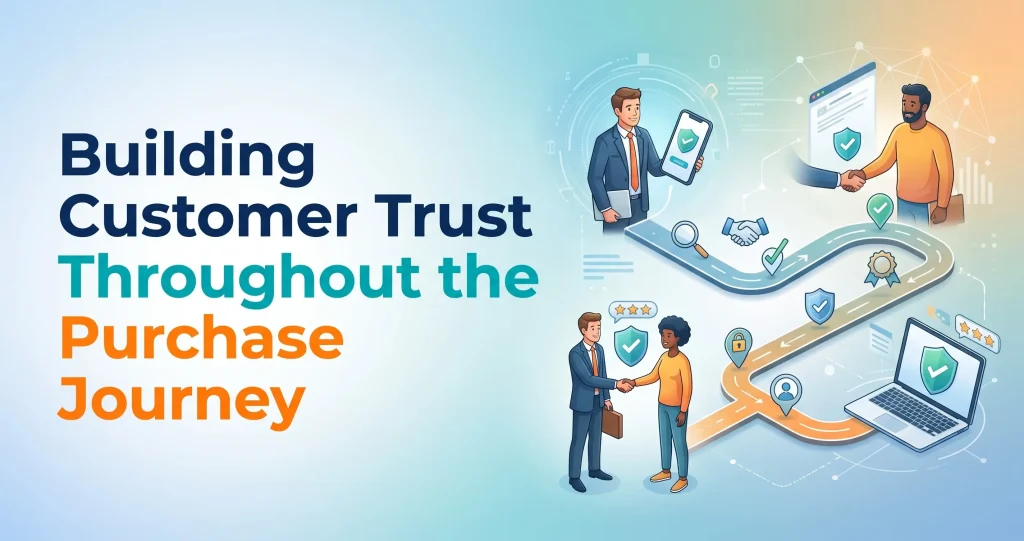 Trust influences whether customers feel comfortable sharing information and paying for products online. A professional website should provide clear business information, secure payment processing, accessible customer support, and honest product descriptions. These elements help shoppers evaluate the business and understand what they can expect.
HTTPS protects information in transit, while reputable payment processors and appropriate security practices help protect transactions. Clear contact details, realistic delivery estimates, and straightforward return policies further strengthen confidence. Businesses should avoid fabricated reviews and unsupported claims because these practices can undermine credibility.
Trust should continue after checkout. Order confirmations, tracking updates, responsive customer service, and fair handling of returns demonstrate that the company values its customers. A reliable post-purchase experience can encourage repeat orders, positive reviews, and recommendations to other shoppers.
Measuring and Improving the Online Purchase Experience
Improving an online store requires ongoing measurement rather than relying solely on design preferences. Analytics can reveal how visitors move through the purchasing journey, where they encounter difficulties, and which improvements deserve attention. Regular evaluation helps businesses make informed decisions and prioritize changes that address actual customer needs.
Tracking Key Ecommerce Performance Metrics
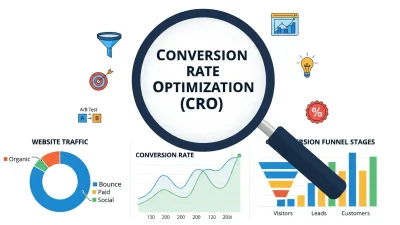
Businesses can monitor conversion rate, cart abandonment rate, average order value, product-page engagement, checkout completion, and repeat purchase rate. Each metric provides a different perspective on the shopping experience.
For example, strong product-page traffic but low add-to-cart activity may indicate unclear descriptions, unsuitable pricing, or insufficient product information. High checkout abandonment may point to unexpected fees, complicated forms, or limited payment choices. Investigating these patterns helps businesses identify relevant solutions.
Testing Improvements and Learning From Feedback
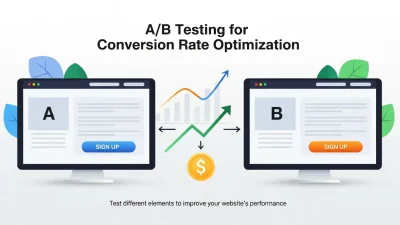
A/B testing allows businesses to compare alternative versions of website elements, such as product layouts, calls to action, and checkout forms. Testing should use a clear objective and sufficient data to reduce the risk of making decisions based on random fluctuations.
Customer surveys, support inquiries, reviews, and usability testing can provide additional context about shoppers’ needs. By combining quantitative data with direct feedback, businesses can refine their Online Purchase Experience and support continuous improvement.
Conclusion
A seamless Online Purchase Experience helps ecommerce businesses turn product interest into completed transactions by making shopping convenient, reliable, and transparent. Clear navigation, fast-loading pages, informative product descriptions, secure payments, and simple checkout processes reduce friction and help customers purchase with confidence.
Businesses can strengthen these efforts through Page speed optimization, strategies to Boost website engagement, and SEO conversion rate optimization. By monitoring customer behaviour, addressing common obstacles, and improving the shopping journey over time, online retailers can create better customer experiences, increase sales opportunities, and encourage long-term loyalty.
Frequently Asked Questions (FAQs)
1. What Is an Online Purchase Experience?
An Online Purchase Experience includes all the interactions customers have with an ecommerce store while discovering products, evaluating options, checking out, paying, and receiving order updates. A seamless experience makes these steps convenient and reliable.
2. How Does a Seamless Online Purchase Experience Increase Sales?
A seamless experience reduces obstacles that may prevent customers from completing purchases. Clear navigation, transparent pricing, fast pages, and convenient checkout can improve customer confidence and create more opportunities for successful transactions.
3. Why Is Page Speed Optimization Important for Ecommerce?
Page speed optimization helps product pages and checkout processes load and respond more efficiently. Faster experiences reduce frustration and allow customers to browse products and complete purchases with fewer interruptions.
4. How Can Businesses Reduce Cart Abandonment?
Businesses can simplify checkout, offer guest purchasing, display total costs early, provide suitable payment methods, and communicate delivery information clearly. These improvements address common reasons shoppers abandon their carts.
5. What Does SEO Conversion Rate Optimization Mean?
SEO conversion rate optimization combines search visibility improvements with strategies that help visitors complete desired actions. It focuses on attracting relevant traffic and improving the pages and processes that support purchasing decisions.
6. How Can Businesses Boost Website Engagement?
Businesses can Boost website engagement by providing useful product descriptions, relevant recommendations, intuitive navigation, helpful buying guides, and authentic customer reviews. These features encourage visitors to explore products and make informed decisions.
7. How Does Website Navigation Affect Online Sales?
Clear navigation helps shoppers locate relevant products quickly and understand the store’s structure. Better product discovery reduces frustration and allows customers to focus on evaluating items and completing purchases.
8. What Website Features Help Build Customer Trust?
Secure payment processing, HTTPS, transparent pricing, accurate product descriptions, genuine reviews, clear return policies, and accessible customer support help customers feel more confident about buying from an online store.
9. Which Metrics Measure Online Purchase Experience?
Important metrics include conversion rate, cart abandonment rate, checkout completion, average order value, product-page engagement, and repeat purchase rate. Reviewing these metrics helps businesses identify problems and evaluate improvements.
10. How Often Should an Ecommerce Website Improve Its Purchase Experience?
Businesses should review their shopping experience regularly and whenever customer feedback, analytics, technology, or business objectives indicate a need for change. Continuous testing and performance monitoring help keep the purchasing process convenient and effective.