
You’ve poured budget into your Google Ads campaigns. The clicks are rolling in, your impressions look healthy, and your traffic graphs point upward. So why aren’t the sales following? The answer often lies in conversion rates. Getting people to click your ad is only half the battle—the real win comes when those visitors take action. That’s where Google Ads conversion rate optimization comes in. By fine-tuning the path from click to conversion, you can squeeze far more value out of every advertising dollar you spend.
In this guide, we’ll break down what conversion rate optimization actually means in the context of Google Ads, why it matters for your return on investment, and the practical steps you can take to turn more clicks into customers. Whether you’re running a small e-commerce store or managing campaigns for a large brand, these strategies will help you make your ad spend work harder.
What Is Google Ads Conversion Rate Optimization?
Google Ads conversion rate optimization is the process of improving the percentage of ad visitors who complete a desired action. That action might be making a purchase, filling out a form, signing up for a newsletter, or booking a demo.
Your conversion rate is calculated with a simple formula:
Conversions ÷ Total ad interactions × 100 = Conversion rate
So if 100 people click your ad and 5 of them buy something, your conversion rate is 5%. The goal of optimization is to push that number higher without necessarily increasing your spend.
This matters because a higher conversion rate means you’re getting more results from the same budget. Instead of paying for clicks that go nowhere, you’re turning a bigger share of your traffic into paying customers. Over time, that shift can dramatically improve your bottom line.
Why Conversion Rate Optimization Drives ROI
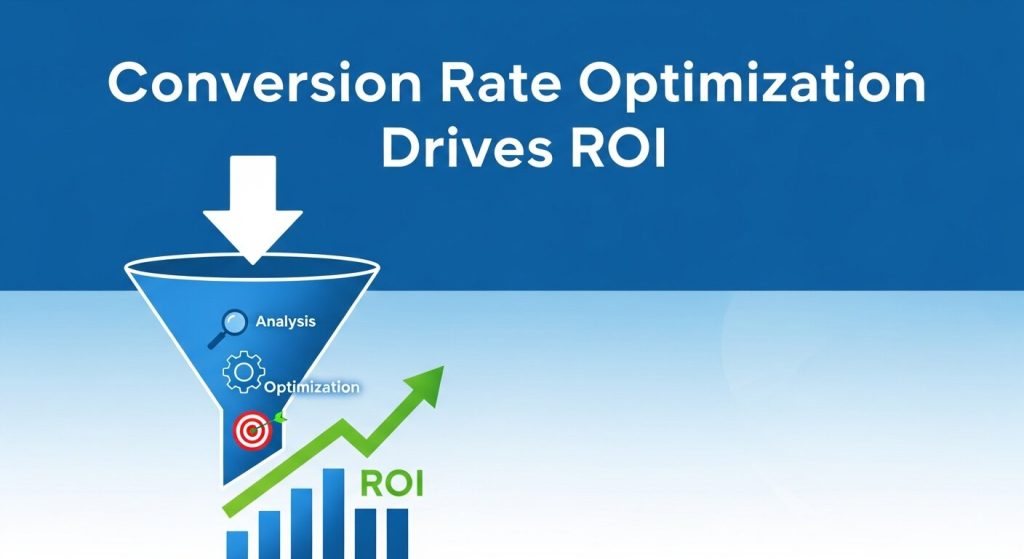 Return on investment is the metric that keeps marketers awake at night. You want every dollar spent on ads to generate more than a dollar in return. Conversion rate optimization is one of the most reliable ways to make that happen.
Here’s why it works so well:
You Lower Your Cost Per Acquisition
When more visitors convert, the cost of acquiring each customer drops. Imagine you spend $500 on ads and get 10 conversions—that’s $50 per customer. Now imagine you double your conversion rate without spending an extra cent. Suddenly you’re getting 20 conversions for the same $500, bringing your cost per acquisition down to $25.
You Maximize Existing Traffic
Driving more traffic costs money. Optimizing your conversion rate lets you get more value from the traffic you already have. This is often cheaper and faster than scaling up your ad budget to chase more clicks.
You Improve Your Quality Score
Google rewards relevant, high-performing ads with better Quality Scores. A strong Quality Score can lower your cost per click and improve your ad position. When your landing pages convert well and match user intent, Google takes notice—and that creates a positive cycle of better performance and lower costs.
You Build a Stronger Sales Pipeline
More conversions mean more leads, more customers, and more revenue. Even small improvements compound over time. A jump from a 3% to a 4% conversion rate might sound minor, but across thousands of clicks, it represents a substantial increase in sales.
Key Elements That Influence Conversion Rates
Before diving into tactics, it helps to understand what actually moves the needle. Several factors shape whether a visitor converts or bounces.
Ad Relevance
Your ad copy needs to match what users are searching for. If someone searches for “affordable running shoes” and your ad promises premium luxury footwear, you’ll get clicks but few sales. Tight alignment between keywords, ad copy, and landing pages is essential.
Landing Page Experience
The landing page is where conversions happen or die. A slow, cluttered, or confusing page will send visitors running. Your page should load quickly, look clean, and guide users toward a single clear action.
Call to Action
A weak or buried call to action kills conversions. Your CTA should be specific, visible, and compelling. “Get My Free Quote” works better than a generic “Submit.”
Trust Signals
People hesitate to buy from brands they don’t trust. Reviews, testimonials, security badges, and guarantees all help reassure visitors that they’re making a safe choice.
Practical Steps for Google Ads Conversion Rate Optimization
Now let’s get into the actionable strategies you can use to lift your conversion rates and boost your sales.
Refine Your Keyword Targeting
Not all keywords are created equal. High-intent keywords—those that signal a readiness to buy—tend to convert far better than broad, informational terms. Focus your budget on keywords like “buy,” “hire,” “near me,” or “best price.”
Use negative keywords to filter out irrelevant traffic. If you sell premium products, adding “free” or “cheap” as negative keywords stops you from paying for clicks that won’t convert.
Optimize Your Landing Pages
Your landing page should be a natural extension of your ad. Keep these principles in mind:
- Match the message: The headline on your landing page should echo the promise in your ad.
- Speed it up: Pages that load in under three seconds convert better. Compress images and minimize code.
- Reduce friction: Ask for only the information you truly need. Every extra form field lowers your conversion rate.
- Make it mobile-friendly: A growing share of clicks come from mobile devices, so your page must look and work great on small screens.
Run Conversion Rate Optimization Testing
Guessing won’t get you far. Conversion rate optimization testing—often called A/B testing—lets you compare two versions of an element to see which performs better. You might test different headlines, button colors, images, or form layouts.
Test one variable at a time so you know exactly what caused any change in performance. Tools like Google Optimize alternatives and platforms such as HubSpot conversion rate optimization features make it easier to run these experiments and track results. Over time, these small wins add up to significant gains.
Strengthen Your Ad Copy
Compelling ad copy attracts the right clicks. Highlight your unique selling points, include numbers and specifics, and create a sense of urgency where appropriate. Use ad extensions to add more detail and take up more space on the results page.
Make sure your copy speaks directly to your audience’s needs. Address their pain points and explain how your product or service solves them.
Leverage Audience Targeting
Google Ads offers powerful audience tools. You can target users based on their demographics, interests, and past behavior. Remarketing—showing ads to people who’ve already visited your site—is especially effective, since these users are already familiar with your brand.
By serving the right message to the right audience, you increase the chances that your clicks turn into conversions.
Track and Measure Everything
You can’t optimize what you don’t measure. Set up conversion tracking in Google Ads so you know exactly which keywords, ads, and campaigns drive results. Link your account to Google Analytics for deeper insights into user behavior.
Monitor metrics like conversion rate, cost per conversion, and return on ad spend. Use this data to double down on what works and cut what doesn’t.
How CRO Connects to Your Broader Marketing Strategy
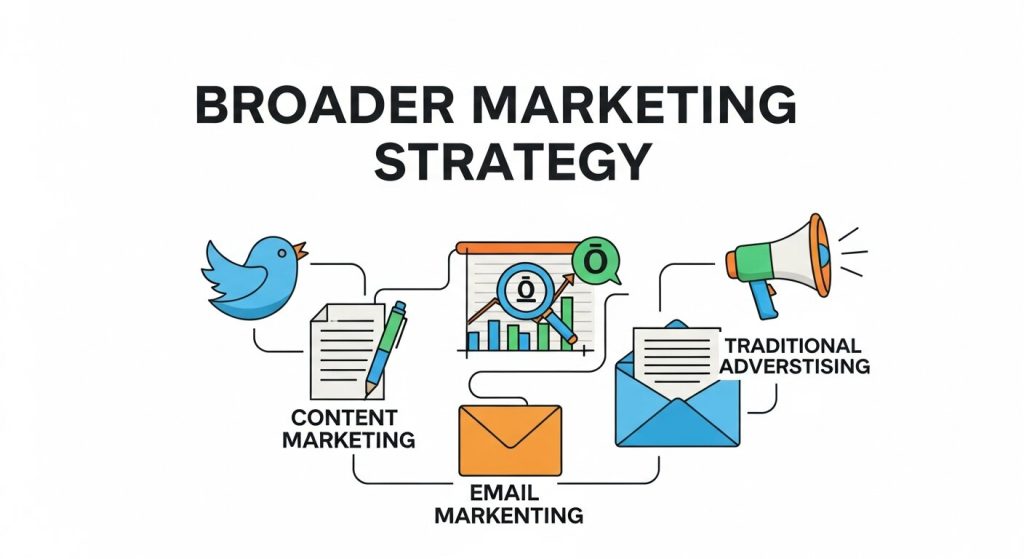 Google Ads conversion rate optimization doesn’t exist in isolation. It works best as part of a wider approach to growing your business online.
For instance, SEO conversion rate optimization focuses on turning organic search visitors into customers. Many of the same principles apply—strong landing pages, clear CTAs, and trust signals benefit both paid and organic traffic. By aligning your paid and organic efforts, you create a consistent experience that builds trust at every touchpoint.
Customer relationship platforms also play a role. HubSpot conversion rate optimization tools, for example, help you nurture leads after they convert, moving them through your sales funnel with targeted emails and personalized content. When your ads, landing pages, and follow-up communications all work together, you get a smoother, more profitable customer journey.
The key takeaway is this: conversion rate optimization is a mindset, not a one-time task. Every part of your marketing should be geared toward removing barriers and making it easy for people to say yes.
Common Mistakes to Avoid
Even experienced marketers slip up. Watch out for these pitfalls:
- Sending all traffic to your homepage: Dedicated landing pages convert far better than generic homepages.
- Ignoring mobile users: A poor mobile experience can tank your conversion rate.
- Testing too many things at once: This makes it impossible to know what actually worked.
- Giving up too soon: Optimization is an ongoing process. Patience and consistency pay off.
- Neglecting the post-click experience: Conversions depend on what happens after the click, not just the ad itself.
Landing Page Speed Optimization
Page speed is one of the most overlooked but powerful factors in Google Ads conversion rate optimization. When a visitor clicks your ad, every second of delay increases the chance they will leave before taking action. A fast-loading landing page creates a smooth first impression, reduces bounce rates, and keeps users engaged long enough to convert. To improve speed, compress images, use modern file formats, minimize unnecessary scripts, and leverage browser caching. Hosting quality also matters, as slow servers can undermine even well-designed pages. Ideally, your landing page should load in under three seconds on both desktop and mobile. Faster pages not only improve user experience but also support better Quality Scores in Google Ads which
Using Remarketing for Higher Conversions
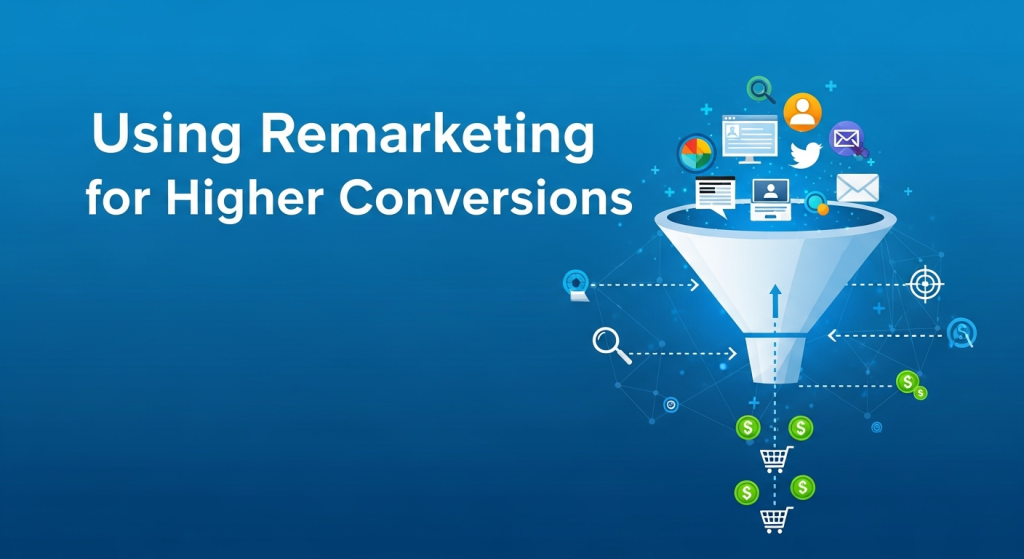 Remarketing is a powerful strategy in Google Ads conversion rate optimization that focuses on re-engaging users who have already visited your website but did not convert. These users are often closer to making a decision because they are already familiar with your brand, products, or services. By showing targeted ads to this warm audience, you increase the likelihood of bringing them back to complete the desired action. Remarketing campaigns can be tailored based on user behavior, such as pages visited or time spent on site, allowing highly personalized messaging. This approach reduces wasted ad spend and improves efficiency, as you are not targeting cold traffic. When combined with strong offers and compelling creatives, remarketing can
FAQ Section: Google Ads Conversion Rate Optimization
1. What is a good conversion rate for Google Ads?
A “good” conversion rate varies by industry, but most campaigns typically see anywhere from 2% to 10%. High-intent industries like legal or finance may convert higher, while e-commerce can vary depending on product type and pricing.
2. How quickly can I see results from conversion rate optimization?
Some improvements (like landing page speed or clearer CTAs) can show results within days. However, meaningful CRO gains usually take a few weeks of testing and iteration to stabilize.
3. Do I need more traffic or a better conversion rate?
In most cases, improving your conversion rate first is more cost-effective. More traffic helps only when your existing funnel is already converting efficiently.
4. What tools can I use for CRO in Google Ads?
Common tools include Google Ads conversion tracking, Google Analytics, Hotjar for heatmaps, and A/B testing platforms like Optimizely or VWO.
5. Does landing page design really affect conversions?
Yes. Design directly impacts user trust, clarity, and engagement. A slow or confusing landing page can significantly reduce conversions even if your ads are well-targeted.
6. What is the biggest mistake in Google Ads CRO?
One of the biggest mistakes is sending all traffic to a homepage instead of a dedicated landing page optimized for a specific keyword or offer.
7. How often should I run A/B tests?
Ideally, you should always be testing. Start with one test per campaign or landing page and continuously iterate based on results.
8. Can CRO lower my ad costs?
Yes. Higher conversion rates improve your overall efficiency, reduce cost per acquisition, and can even improve Quality Score, which may lower your cost per click.
Turn Clicks Into Customers Starting Today
Google Ads conversion rate optimization is one of the smartest investments you can make in your marketing. Rather than constantly chasing more traffic, you focus on getting more from the visitors you already attract. The result is lower costs, higher ROI, and a steady stream of new sales.
Start small. Pick one campaign, audit your landing page, and run a single test. Measure the results, learn from them, and apply those lessons across your account. Bit by bit, you’ll build a conversion machine that turns your ad spend into real, measurable growth.