
A landing page plays an important role in turning website visitors into potential customers. Businesses may invest heavily in SEO, paid advertising, social media, and content marketing to attract visitors, but those efforts can lose value when the landing page fails to encourage action. This is why improving the Landing Page Conversion Rate should be an important part of any digital marketing strategy.
A high-performing landing page gives visitors a clear reason to stay, understand an offer, trust the business, and take the next step. Whether the goal is collecting contact information, requesting a quote, booking a consultation, downloading a resource, or making a purchase, every element should support that goal. Strategies such as Data-driven optimization, Form optimization, and better lead conversion can help businesses create landing pages that generate more meaningful results from existing traffic.
What Is Landing Page Conversion Rate?
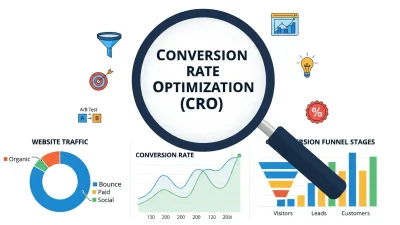
Landing Page Conversion Rate refers to the percentage of visitors who complete a desired action after arriving on a landing page. The action depends on the purpose of the page and may include submitting a form, signing up for a service, requesting information, downloading content, or completing a purchase.
For example, if 1,000 people visit a landing page and 80 complete the desired action, the conversion rate would be 8%. Tracking this measurement helps businesses understand whether their landing pages are effectively turning traffic into prospects or customers.
Why Conversion Rate Matters
Conversion rate provides insight into how efficiently a landing page performs. Increasing traffic is not always the only solution when a business wants more leads. Improving the percentage of visitors who take action can produce more conversions from the same amount of traffic.
A page that receives substantial traffic but generates very few leads may have problems with its messaging, design, offer, CTA, trust signals, or conversion process. Identifying these problems can create opportunities for improvement without requiring a complete change to the marketing campaign.
Create a Clear Landing Page Goal
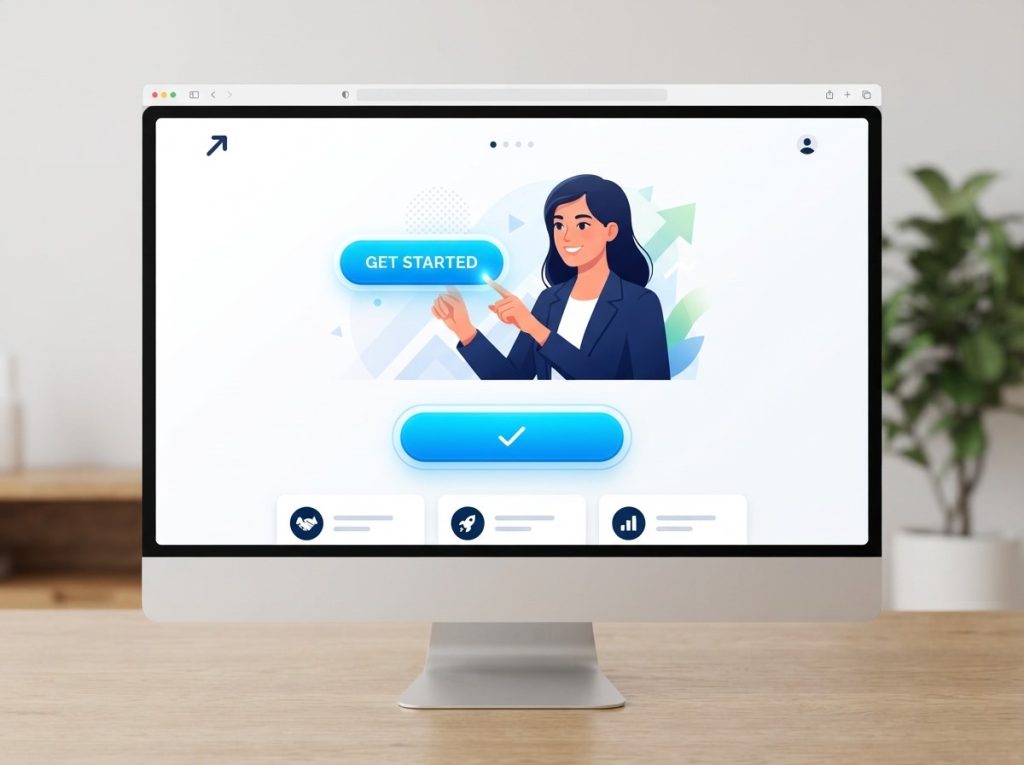 Before optimizing a landing page, businesses should establish exactly what they want visitors to do. A page designed to collect leads will have a different structure from a page designed to sell a product or encourage an appointment.
Focus on One Primary Action
A landing page should have one main conversion objective. When visitors see multiple competing offers, links, buttons, and messages, they may become uncertain about what action to take.
A focused page guides users toward one logical next step. Supporting information can explain the value of the offer, but the primary CTA should remain clear throughout the visitor journey.
Align the Page With User Intent
The landing page should match what visitors expect when they click an advertisement, search result, email, or social media link. If the original message promises a specific solution but the landing page presents something unrelated, visitors may leave immediately.
Maintaining consistency between the traffic source and landing page creates a smoother experience and helps users understand that they have reached the right destination.
Improve Your Value Proposition
The value proposition explains why visitors should consider the offer. It should communicate the main benefit quickly and make the purpose of the page immediately understandable.
Write a Strong Headline
The headline is often one of the first elements visitors notice. It should describe the primary benefit or solution rather than using vague promotional language.
For example, instead of using a generic headline such as “Grow Your Business,” a landing page could communicate a more specific benefit, such as “Generate More Qualified Leads With Conversion-Focused Marketing.” A specific headline helps visitors understand what they can expect from the offer.
Explain Benefits Clearly
Features explain what a product or service includes, while benefits explain why those features matter to the customer. Effective landing pages connect the offer to the visitor’s needs and challenges.
The content should answer an important question: why should the visitor take action now? A clear explanation of value can make the decision process easier and reduce uncertainty.
Optimize the Landing Page Structure
A well-organized page allows visitors to understand the offer without unnecessary effort. The structure should guide them naturally from awareness to consideration and finally toward conversion.
Keep Important Information Above the Fold
The first visible section should communicate the core offer, primary benefit, and desired action. Visitors should not have to scroll through several sections before understanding what the page is about.
Important information can include the main headline, supporting message, CTA, relevant visual, and an initial trust signal. The exact layout depends on the offer and audience, but the first section should establish relevance quickly.
Use a Logical Content Flow
Additional sections can answer common questions, explain benefits, present evidence, and address objections. Each section should support the overall conversion goal. A logical flow reduces cognitive effort and helps visitors move from understanding the offer to feeling confident about taking action.
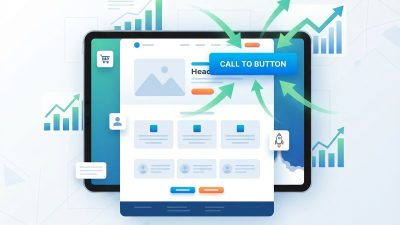
Strengthen Your Call to Action
A call to action tells visitors what to do next. Even when the rest of a landing page is effective, a weak CTA can create unnecessary friction.
Use Specific CTA Language
Generic words such as “Submit” or “Click Here” provide limited context. More descriptive CTA language can communicate the value or action more clearly.
Depending on the page, phrases such as “Get Your Free Quote,” “Book a Consultation,” “Start Your Free Trial,” or “Download the Guide” can make the next step easier to understand.
Position CTAs Strategically
The primary CTA should be easy to find when visitors are ready to act. It can appear near the top of the page and again after important information has been presented.
However, repeatedly displaying the same CTA without considering context can make the page feel overly promotional. CTAs should appear at logical points in the visitor journey.
Improve Form Optimization
Forms are often the point where interest becomes an actual lead. Poorly designed forms can cause visitors to abandon the conversion process even when they are interested in the offer. Effective Form optimization focuses on making submission simple, clear, and convenient.
Reduce Unnecessary Form Fields
Every additional field can increase the amount of effort required from visitors. Businesses should evaluate whether each field is genuinely necessary for the initial conversion.
A simple lead generation campaign may only need basic contact information. More detailed information can sometimes be collected later during the sales or qualification process.
Make Forms Easy to Complete
Forms should have clear labels, readable text, logical field order, and understandable error messages. Mobile users should also be able to complete forms without excessive scrolling or difficult interactions.
The submit button should clearly communicate what happens after the form is completed. This small detail can make the process feel more transparent.
Build Trust With Social Proof
Visitors may hesitate to provide personal information or make a purchase when they do not know whether a business is reliable. Trust signals can reduce this uncertainty.
Use Testimonials and Reviews
Relevant testimonials can demonstrate how customers have benefited from a product or service. Specific experiences are often more useful than vague statements because they help visitors understand the type of results or experience they might receive. Reviews should be presented naturally and should support the offer rather than distract from it.
Add Case Studies and Credibility Signals
Case studies can provide additional context about how a service solved a customer’s problem. Other credibility signals may include industry experience, certifications, guarantees, secure payment information, or recognizable business partnerships where applicable. The most effective trust elements are those that address concerns relevant to the target audience.
Make Landing Pages Mobile-Friendly
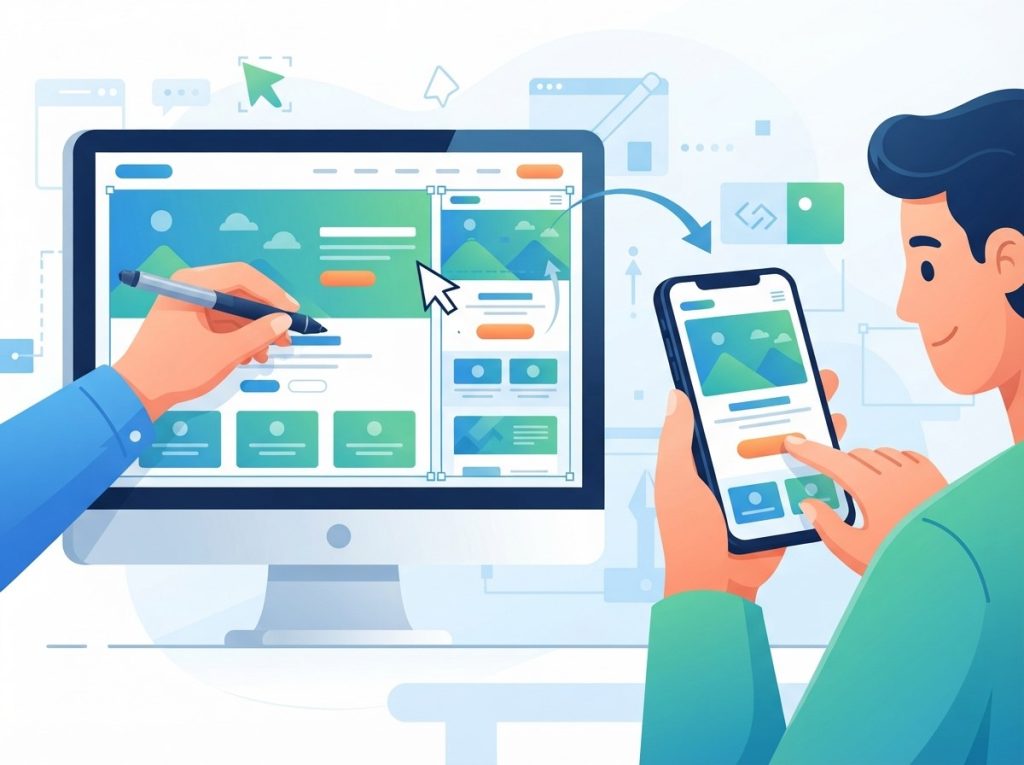 Mobile usability is essential because visitors may access landing pages from smartphones and tablets. A page that works well on desktop but creates difficulties on mobile can lose potential conversions.
Improve Mobile Readability
Text should be large enough to read without excessive zooming. Sections should have enough spacing, and important information should remain easy to scan. Images and other visual elements should also adapt to different screen sizes without slowing the page or pushing important content too far down.
Simplify Mobile Forms
Mobile users should be able to complete forms comfortably. Large input fields, suitable keyboard types, clear labels, and simple navigation can reduce frustration.
Buttons should also be large enough to tap without accidentally selecting another element. A smooth mobile experience can support better engagement and conversion performance.
Improve Page Speed and Performance
Landing page visitors may leave when a page takes too long to load. Slow performance can affect user experience and reduce the number of visitors who reach the conversion stage.
Businesses should optimize large images, reduce unnecessary scripts, use efficient hosting, and review other technical elements that may affect loading performance. A fast page also creates a more professional experience. Visitors can access the offer quickly instead of waiting for content and interactive elements to appear.
Use Data-Driven Optimization
Effective conversion improvement should be based on evidence rather than assumptions. Data-driven optimization allows businesses to understand how visitors interact with landing pages and identify areas where improvements may have the greatest impact.
Analyze Visitor Behavior
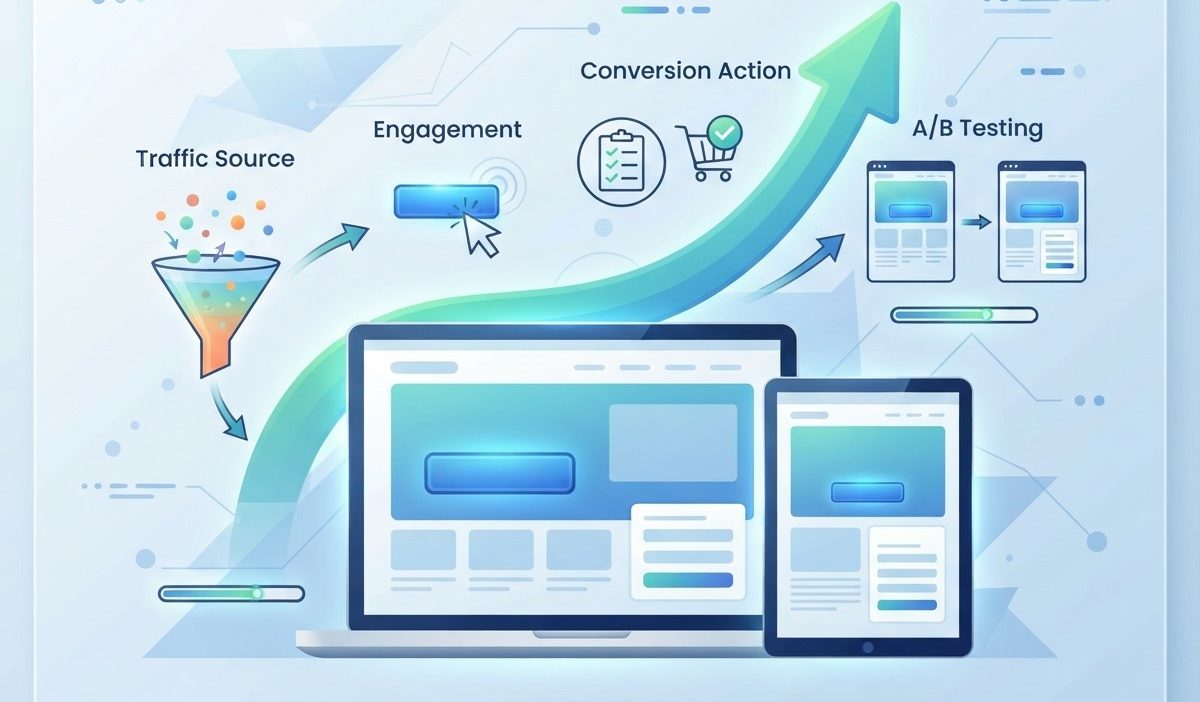
Analytics can provide information about traffic sources, device types, engagement patterns, and conversion activity. Businesses can compare how different audience segments behave and identify potential weaknesses.
For example, if desktop visitors convert consistently while mobile visitors leave at a much higher rate, the mobile experience may require further investigation.
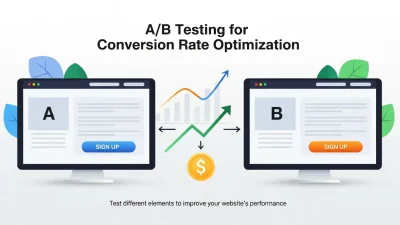
Conduct A/B Testing
A/B testing allows businesses to compare different versions of a landing page element. Headlines, CTA wording, images, forms, layouts, and supporting content can be tested to understand which variation performs better.
Testing should be structured carefully so that businesses can identify which changes are associated with performance differences. Over time, repeated testing can contribute to a stronger Landing Page Conversion Rate.
Address Visitor Objections
Visitors may have concerns that prevent them from converting. These concerns can involve pricing, quality, privacy, complexity, commitment, or uncertainty about what happens after submission. A strong landing page anticipates these questions and provides clear answers before asking visitors to take action.
Explain What Happens Next
People may hesitate to submit a form when they do not know what happens afterward. A short explanation can make the process more transparent.
For example, the page can explain that a team member will review the request and respond within a specific timeframe. This can reduce uncertainty and make the conversion process feel more predictable.
Provide Relevant Guarantees
When appropriate, guarantees or clear policies can reduce perceived risk. Businesses should avoid making unsupported promises and should communicate terms accurately. Transparency helps establish realistic expectations and supports long-term trust between the business and potential customer.
Improve Lead Conversion After the Form Submission
 Landing page optimization should not stop once a visitor submits a form. The next stage can have a major influence on whether a lead eventually becomes a customer.
Create a Useful Thank-You Page
A thank-you page can confirm that the submission was successful and explain what happens next. It may also provide helpful resources or additional information related to the visitor’s request.
The page should avoid creating confusion immediately after conversion. A clear confirmation reassures visitors that their information has been received.
Respond to Leads Quickly
Speed can matter when a visitor is actively interested in a service or product. Businesses should have an organized process for reviewing new inquiries and responding appropriately.
A well-designed follow-up process can turn landing page conversions into meaningful sales opportunities and improve overall lead conversion.
Personalize Landing Page Experiences
Different audiences may have different needs, expectations, and motivations. Personalization can help businesses make landing pages more relevant to specific visitor groups.
For example, visitors arriving from different campaigns may respond to different messaging. A business could create separate landing pages for different services, customer segments, industries, or marketing campaigns. Personalization should remain useful rather than intrusive. The goal is to make the offer more relevant and easier to understand.
Continuously Improve Your Landing Page
Landing page optimization is an ongoing process. Audience behavior, marketing campaigns, competitors, devices, and customer expectations can change over time. A page that performs well today may require adjustments later.
Businesses should regularly review conversion data, identify areas of friction, test meaningful improvements, and monitor the results. This continuous approach helps maintain performance instead of relying on a single redesign. The most effective strategy combines clear messaging, strong user experience, effective CTAs, simplified forms, trust signals, mobile optimization, and ongoing testing. When these elements work together, businesses can create a smoother path from website visitor to qualified lead.
FAQs
What is a good Landing Page Conversion Rate?
There is no single conversion rate that works for every business or campaign. Performance can vary depending on industry, offer, traffic source, audience, device, and conversion goal. Businesses should compare results with their own historical performance and relevant industry benchmarks.
How can I increase my Landing Page Conversion Rate?
Focus on a clear value proposition, strong CTA, simple design, mobile usability, trust signals, fast loading, and an easy conversion process. Regular testing and analytics can help identify which improvements produce better results.
Why are visitors leaving my landing page without converting?
Visitors may leave because the offer is unclear, the page loads slowly, the design is confusing, the CTA is weak, the form is too complicated, or the page does not match their expectations. Analytics and user behavior data can help identify the specific problem.
How does Form optimization improve lead generation?
Form optimization makes it easier for visitors to complete the conversion process. Reducing unnecessary fields, improving usability, and making instructions clearer can reduce friction and increase the number of completed submissions.
What is Data-driven optimization in landing page marketing?
Data-driven optimization uses analytics, visitor behavior, conversion data, and testing results to guide landing page improvements. It helps businesses make decisions based on measurable evidence rather than assumptions.
Should every landing page have a form?
Not necessarily. The appropriate conversion method depends on the purpose of the page. Some pages may use forms, while others may focus on purchases, bookings, calls, downloads, registrations, or other actions.
How important is mobile optimization?
Mobile optimization is highly important because many users access websites from mobile devices. A difficult mobile experience can create friction and prevent interested visitors from completing the desired action.
Does page speed affect conversions?
Page speed can influence user experience. Visitors may leave slow-loading pages before they see the complete offer or reach the CTA. Improving performance can create a smoother experience and support better conversion opportunities.
How often should I test a landing page?
Testing frequency depends on traffic volume and conversion activity. Businesses should allow enough data to accumulate before making conclusions and should prioritize meaningful tests that can provide useful insights.
How does landing page optimization support lead conversion?
Landing page optimization makes it easier for visitors to understand an offer, trust the business, and complete the desired action. A smoother experience can increase qualified inquiries and create better opportunities for successful lead conversion.