
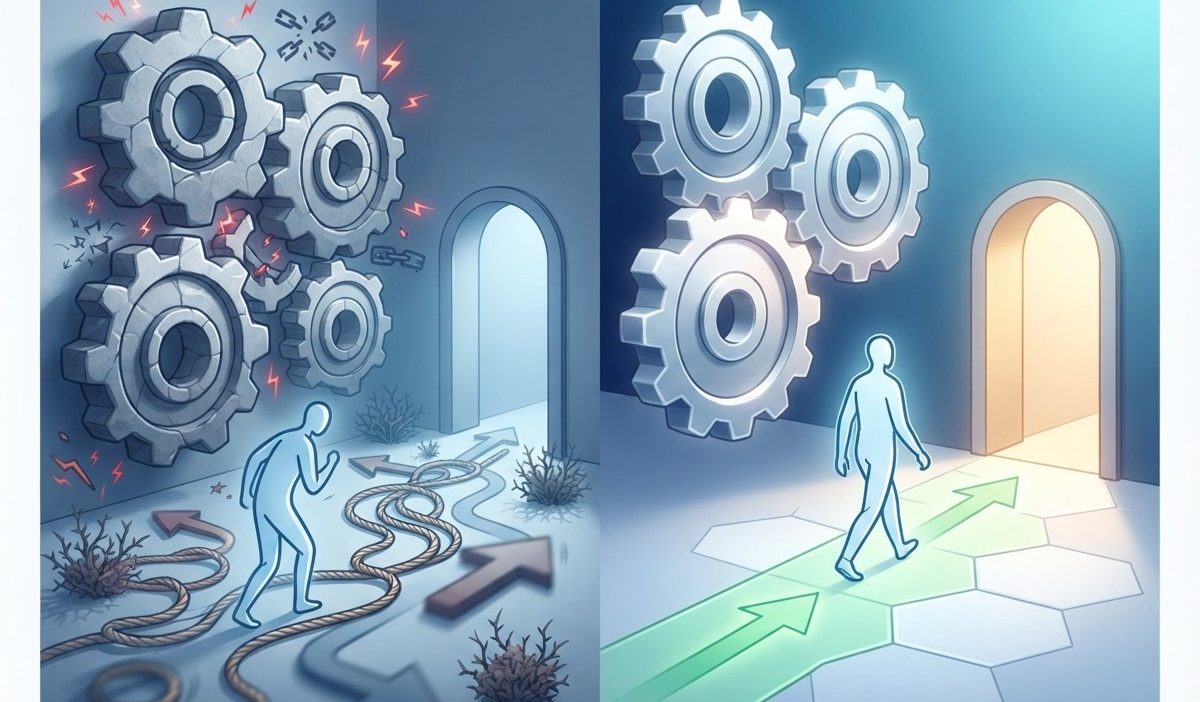
Conversion Friction Reduction is the process of identifying and removing unnecessary obstacles that prevent website visitors from completing valuable actions. These actions can include purchasing a product, submitting a form, signing up for a service, booking an appointment, requesting a quote, or subscribing to an email list.
A website may attract significant traffic but still generate disappointing results when visitors encounter friction during their journey. Complicated navigation, slow-loading pages, unclear messaging, lengthy forms, confusing checkout processes, and weak calls to action can all make conversion more difficult.
By identifying these obstacles and creating a simpler user experience, businesses can help visitors move from initial interest toward meaningful action. Conversion friction reduction is therefore an important part of improving usability, customer experience, and overall website performance.
What Is Conversion Friction Reduction?
Conversion friction reduction involves removing unnecessary effort, confusion, uncertainty, and delays from the conversion journey. The objective is to make it easier for visitors to understand an offer and complete the action they are expected to take.
Understanding Conversion Friction
Conversion friction can appear in both obvious and subtle ways. A complicated checkout process is an obvious example, while unclear product information may create a less visible form of friction.
Visitors may hesitate when they cannot find pricing information, do not understand what happens after submitting a form, or encounter too many choices. Every additional obstacle can create another opportunity for a visitor to abandon the journey. Reducing friction does not mean removing every piece of information or functionality. Instead, it means keeping the experience useful while eliminating unnecessary barriers.
Why Conversion Friction Affects Website Performance
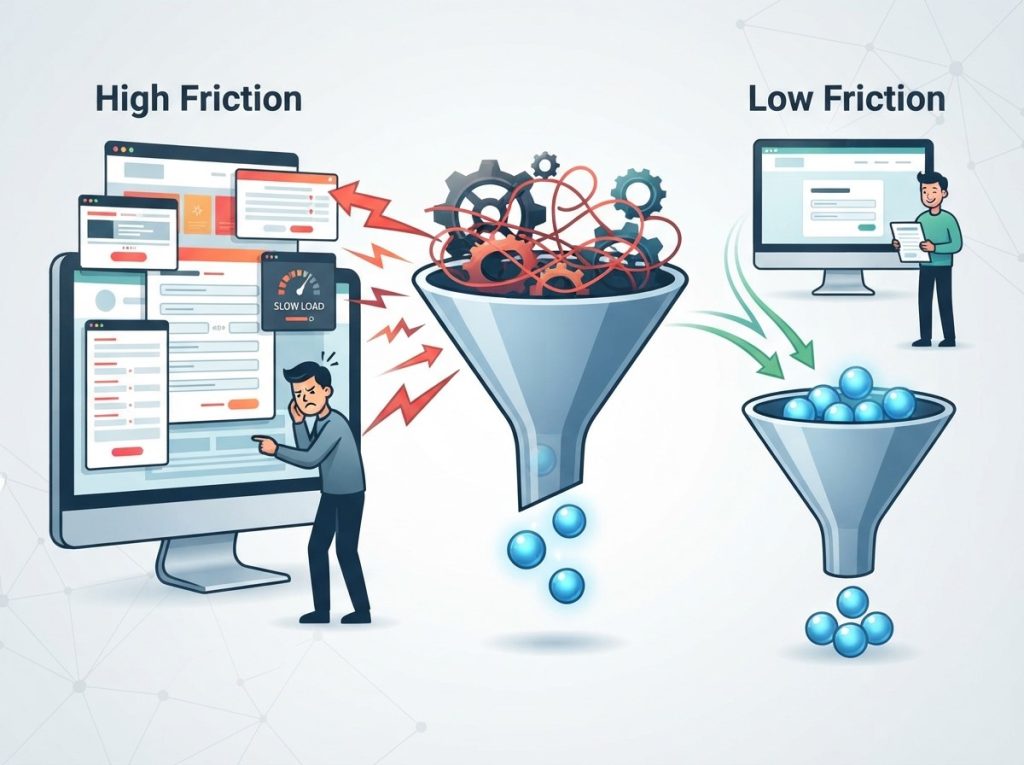 Visitors generally expect websites to provide quick, clear, and convenient experiences. When a website requires excessive effort, users may decide that completing the desired action is not worth the time.
The Relationship Between Friction and User Behavior
Friction can influence whether visitors continue browsing, interact with content, submit forms, or complete purchases. Even small problems can become significant when they occur at important stages of the customer journey.
For example, a visitor who has already decided to purchase may abandon the process because the checkout requires unnecessary steps. Similarly, a potential lead may leave a service page because the contact form asks for too much personal information. Reducing these obstacles can make the path toward conversion more straightforward.
Simplify Website Navigation
Website navigation should help visitors quickly find the information they need. Complicated menus, unclear categories, and excessive navigation options can make the customer journey harder to follow.
Create a Clear Navigation Structure
A clear navigation system uses understandable labels and logical categories. Visitors should not need to guess where they need to click to find products, services, pricing, contact information, or important resources.
Businesses should review their navigation from the perspective of a first-time visitor. If users need multiple unnecessary clicks to reach an important page, there may be an opportunity to reduce friction. Internal links can also guide users toward relevant information without forcing them to return to the main menu repeatedly.
Improve Website Messaging
Visitors need to understand what a business offers before they can make an informed decision. Unclear headlines, generic descriptions, and complicated language can create uncertainty.
Strengthen the Value Proposition
The primary message should quickly communicate what the product or service provides and why it is relevant to the target audience. Supporting content can then explain important features, benefits, processes, or differentiators.
A strong value proposition reduces the amount of mental effort visitors need to understand an offer. Clear messaging can therefore support better engagement and create a smoother transition toward conversion. The language should remain specific and customer-focused. Instead of relying on vague promotional statements, websites can explain practical benefits and outcomes.
Reduce Form Friction
Forms are essential for many conversion activities, including lead generation, registrations, consultations, and downloads. However, lengthy or poorly designed forms can discourage users from completing them.
Make Forms Easier to Complete
Businesses should evaluate every field in a form and determine whether it is necessary. Asking for information that is not immediately needed can increase the perceived effort of submitting the form.
Clear field labels, logical ordering, helpful error messages, and simple layouts can improve usability. Forms should also work properly on mobile devices. For high-intent visitors, reducing unnecessary form friction can make it easier to turn interest into an actual lead.
Simplify the Checkout Experience
E-commerce websites often lose potential customers during checkout. Visitors may become frustrated by unexpected costs, complicated account requirements, limited payment options, or excessive checkout steps.
Create a More Efficient Purchase Journey
A streamlined checkout should provide essential information without overwhelming the customer. Businesses can clearly display product details, pricing, shipping information, return policies, and payment options.
Guest checkout can also reduce unnecessary barriers when account creation is not essential. Clear progress indicators can help customers understand how many steps remain. These improvements can support Website Conversion Improvement by making the final stage of the buying process more convenient.
Improve Website Speed and Performance
 Website performance is an important part of the overall user experience. Slow pages can interrupt the customer journey before visitors have the opportunity to interact with content or complete a conversion.
Optimize Important Conversion Pages
Businesses should pay particular attention to pages that directly influence conversions. Landing pages, product pages, pricing pages, forms, and checkout screens should load efficiently across desktop and mobile devices. Image optimization, efficient code, appropriate caching, and reducing unnecessary scripts can contribute to a faster experience. A faster website reduces the waiting time visitors experience and helps create a more convenient path toward conversion.
Use Clear and Relevant Calls to Action
Calls to action guide visitors toward the next step. However, vague or poorly positioned CTAs can create uncertainty about what visitors should do.
Make the Next Step Obvious
A CTA should clearly communicate the action that will happen after the user clicks. Phrases such as “Request a Quote,” “Start Free Trial,” or “Complete Purchase” can provide more context than generic wording.
CTA placement should also match the visitor’s intent. A user reading an informational article may need educational content before being asked to purchase, while a visitor on a product page may be ready for a direct purchase action. Clear CTAs reduce decision-making friction and help users understand the next stage of the journey.
Build Trust Before Asking for Conversion
Visitors may hesitate when they are uncertain about a business, product, payment process, or data-handling practices. Trust-related friction can be especially important for unfamiliar brands.
Add Relevant Trust Signals
Customer reviews, testimonials, transparent policies, secure payment information, business contact details, guarantees, and clear support information can reduce uncertainty.
Trust signals should appear where visitors need reassurance. For example, payment security information can be useful near checkout, while customer reviews can support product evaluation. The goal is not to overload pages with trust elements. Relevant information should be presented clearly and at appropriate moments.
Support Sales Funnel Optimization
Conversion friction can occur at different stages of the customer journey. Visitors may experience obstacles while discovering a brand, researching an offer, evaluating alternatives, or preparing to purchase.
Reduce Friction at Every Funnel Stage
Sales Funnel Optimization involves improving the movement of potential customers through different stages of the buying process. Friction reduction can support this process by making each stage easier to understand and navigate.
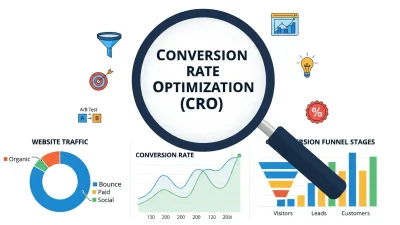
At the awareness stage, clear content can help visitors understand a problem. During consideration, detailed product or service information can reduce uncertainty. At the decision stage, transparent pricing, trust signals, and simple checkout processes can support action. Optimizing the entire funnel prevents businesses from focusing only on the final conversion step.
Use Analytics to Find Conversion Friction
Businesses should not rely entirely on assumptions when identifying friction. Website analytics can reveal where visitors are leaving or failing to complete important actions.
Analyze User Behavior
Conversion rates, exit rates, form completion rates, checkout abandonment, page engagement, and device-specific performance can provide useful information.
For example, if mobile users convert at a significantly lower rate than desktop users, businesses may investigate mobile usability. If many visitors leave during checkout, the checkout process may require closer examination. Analytics can help identify areas that deserve further testing and improvement.
Use Testing to Validate Improvements
Removing friction should be based on evidence whenever possible. A change that appears helpful may not produce the expected result for actual visitors.
Test Different Conversion Experiences
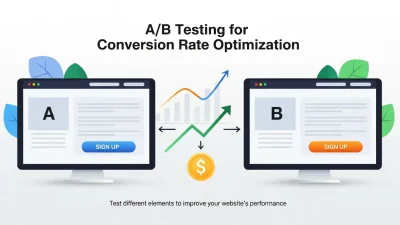
Businesses can test different headlines, CTA wording, page layouts, form lengths, checkout structures, and content presentations. A structured testing process can help determine whether a change improves a relevant conversion metric. Testing should begin with a clear hypothesis and a measurable objective. The purpose is not to change website elements randomly. Instead, businesses should use data to understand which experiences make it easier for visitors to complete meaningful actions.
Improve Mobile Conversion Experiences
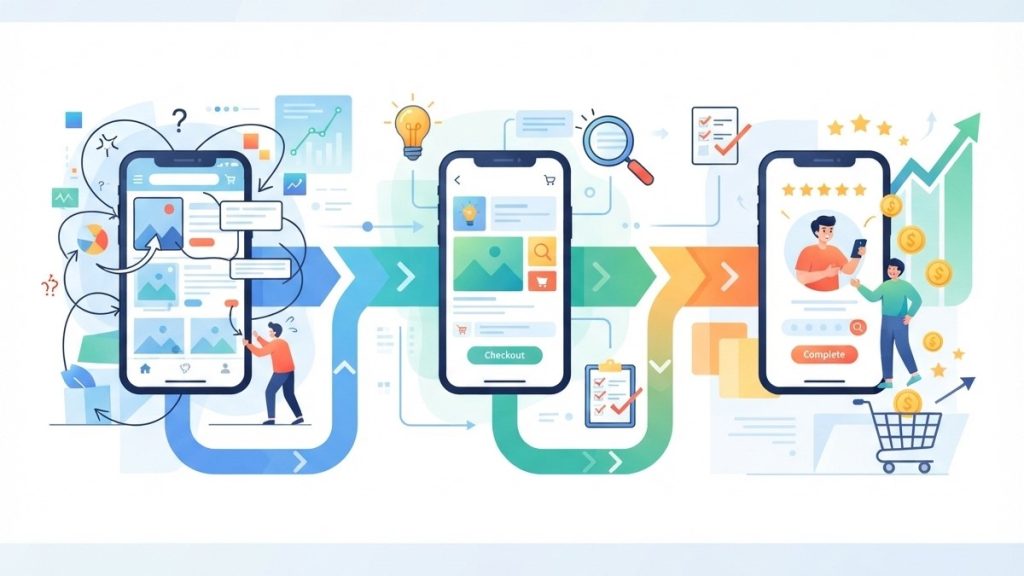 Mobile visitors may experience friction differently from desktop users. Smaller screens can make complex layouts, long forms, large menus, and dense content harder to use.
Make Mobile Actions Simple
Buttons should be easy to tap, text should remain readable, and forms should be comfortable to complete on smaller screens. Important content should not be hidden behind difficult interactions.
Businesses should test critical conversion journeys on different devices and screen sizes. A mobile visitor should be able to discover information, evaluate an offer, and complete an action without unnecessary obstacles. Improving mobile usability can also help Boost website engagement because visitors can interact with content more comfortably.
Personalize the User Journey Where Appropriate
Different visitors may have different needs, levels of knowledge, and purchase intentions. Providing relevant content can reduce the effort required to find useful information.
Match Content With User Intent
New visitors may need educational information, while returning visitors may already understand the product and want pricing or purchasing details. Businesses can organize content around common customer questions and intent signals. However, personalization should remain useful rather than becoming intrusive or complicated. Relevant recommendations, contextual CTAs, and audience-specific landing pages can help visitors reach appropriate information more efficiently.
Create a Continuous Friction Reduction Strategy
Conversion optimization should not be treated as a one-time website project. Customer expectations, devices, products, competitors, and business goals can change over time.
Monitor, Test, and Improve
Businesses can establish a continuous process that includes analyzing performance, identifying friction points, testing improvements, and monitoring results.
This process allows organizations to respond to changing user behavior rather than relying on assumptions based on an older website experience. Regular reviews can also reveal new barriers created by website redesigns, additional marketing campaigns, new technologies, or changes in customer expectations.
Key Benefits of Conversion Friction Reduction
Reducing unnecessary friction can influence several areas of website performance. A simpler customer journey may help visitors understand offers more quickly, complete forms more easily, and move through checkout with fewer obstacles.
Improving the Overall Customer Experience
Conversion friction reduction is not simply about increasing conversion numbers. It can also create a more convenient experience for users. When visitors can easily find information, understand their options, trust the business, and complete desired actions, the website becomes more user-friendly. This approach connects conversion optimization with broader customer experience improvements and supports a website structure designed around user needs.
Conclusion
Conversion Friction Reduction focuses on making the customer journey easier by identifying and removing unnecessary obstacles. Confusing navigation, lengthy forms, unclear messaging, complicated checkout processes, slow pages, weak CTAs, and insufficient trust signals can all create friction.
Businesses can address these issues through clearer website structures, simpler forms, faster pages, stronger messaging, relevant trust signals, and more efficient checkout experiences. Sales Funnel Optimization can further help identify friction across different stages of the customer journey. Analytics and structured testing can show where visitors experience difficulties and whether specific improvements produce measurable results. By continuously applying these principles, businesses can create smoother experiences that support Website Conversion Improvement and Boost website engagement.
Frequently Asked Questions
1. What is Conversion Friction Reduction?
Conversion Friction Reduction is the process of removing unnecessary obstacles that make it difficult for visitors to complete desired website actions. It can involve improving navigation, forms, checkout, messaging, speed, CTAs, and overall usability.
2. Why is Conversion Friction Reduction important?
Reducing friction can make the customer journey easier and more convenient. Visitors may be more likely to continue browsing, submit forms, complete purchases, or take other intended actions when unnecessary obstacles are removed.
3. How can conversion friction affect sales?
Conversion friction can create hesitation or abandonment during important stages of the buying journey. Complicated checkout processes, unclear pricing, slow pages, and confusing information can make completing a purchase more difficult.
4. How does Conversion Friction Reduction support Sales Funnel Optimization?
It helps businesses identify and remove obstacles at different funnel stages. Improving content, navigation, product information, forms, and checkout can make movement between awareness, consideration, and decision stages more efficient.
5. Can reducing form fields improve conversions?
Reducing unnecessary form fields can make forms easier and faster to complete. However, businesses should retain fields that are genuinely necessary for lead qualification, service delivery, or other legitimate business requirements.
6. How does website speed contribute to conversion friction?
Slow-loading pages create waiting time and can interrupt the user journey. Improving website performance can make important pages easier to access and interact with, particularly for mobile visitors and users on slower connections.
7. What is the connection between friction and user engagement?
When websites are easy to navigate and understand, visitors can interact with content with less effort. Removing unnecessary obstacles can therefore support efforts to Boost website engagement and improve the overall user experience.
8. How can businesses identify conversion friction?
Businesses can analyze conversion rates, exit rates, form abandonment, checkout behavior, page performance, and device-specific data. User feedback, usability testing, and controlled experiments can provide additional insights.
9. Does Conversion Friction Reduction apply to e-commerce websites?
Yes. E-commerce websites can apply it to product discovery, product pages, shopping carts, checkout, payment, and post-purchase experiences. Simplifying these stages can create a more efficient purchasing journey.
10. How often should a website be reviewed for conversion friction?
There is no universal schedule. Regular reviews are useful, especially after redesigns, major content changes, new campaigns, product launches, or noticeable changes in conversion and user behavior.