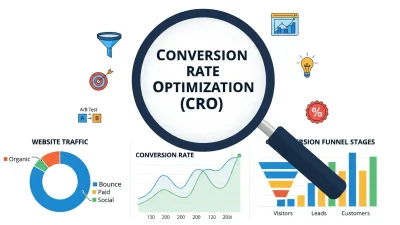

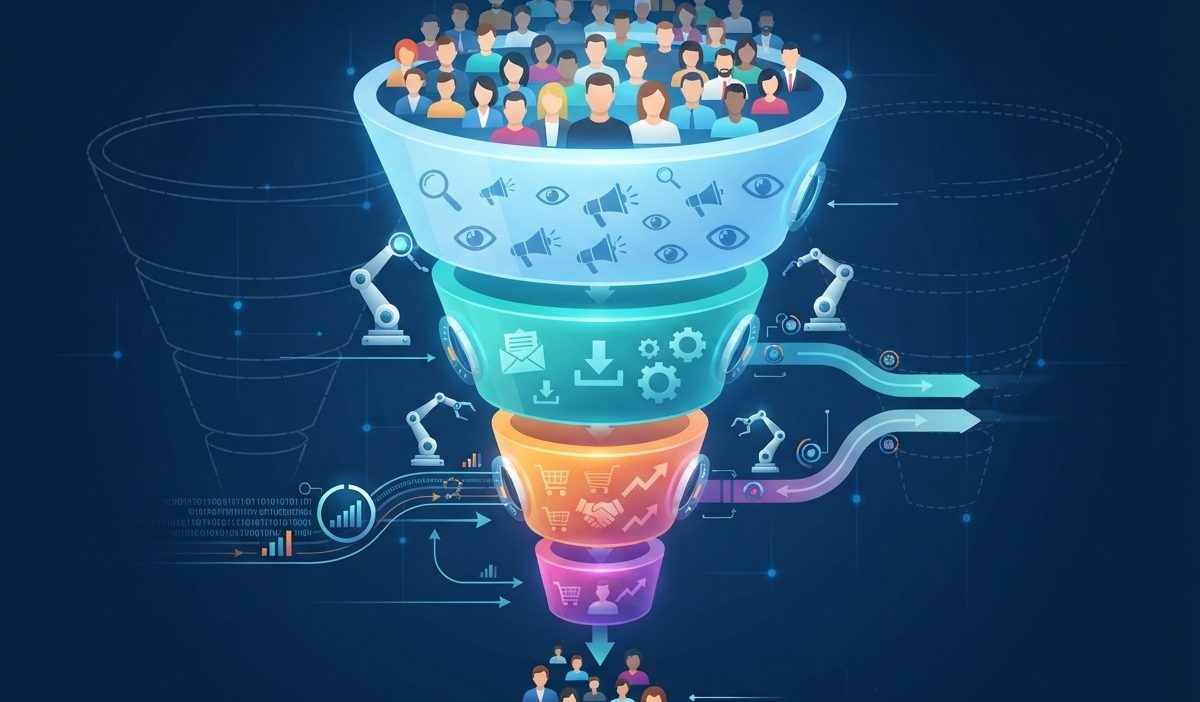
Sales Funnel Optimization plays a major role in helping businesses attract prospects, nurture leads, and convert interested visitors into paying customers. A sales funnel represents the different stages a customer moves through before making a purchase. When any stage is confusing, slow, or difficult to navigate, potential customers may leave without taking action. Optimizing the funnel helps businesses identify these problems and create a smoother customer journey.
By improving landing pages, content, forms, follow-up communication, user experience, and conversion tracking, businesses can increase efficiency and support sustainable growth. Effective funnel optimization also works closely with Page speed optimization and lead conversion strategies to improve marketing and sales performance.
What Is Sales Funnel Optimization?
Sales Funnel Optimization is the process of improving each stage of a sales funnel to increase the number of prospects who move from awareness to purchase. It involves analyzing customer behavior, identifying drop-off points, and making changes that encourage visitors to take the next step.
Understanding the Sales Funnel
A traditional sales funnel includes awareness, interest, consideration, conversion, and retention. During the awareness stage, potential customers discover a business. In the interest stage, they learn more about its products or services.
The consideration stage involves comparing options and evaluating value. The conversion stage is when a prospect becomes a customer. After the purchase, retention activities focus on encouraging repeat business and long-term loyalty.
Why Funnel Optimization Matters
Even if a business attracts a large number of visitors, it may struggle to generate sales if the funnel is not optimized. A confusing website, unclear offer, weak call to action, or complicated checkout process can prevent customers from completing their journey.
Funnel optimization helps businesses improve the customer experience and make better use of existing traffic. Instead of focusing only on attracting more visitors, companies can improve the performance of the visitors they already receive.
How Sales Funnel Optimization Supports Business Growth
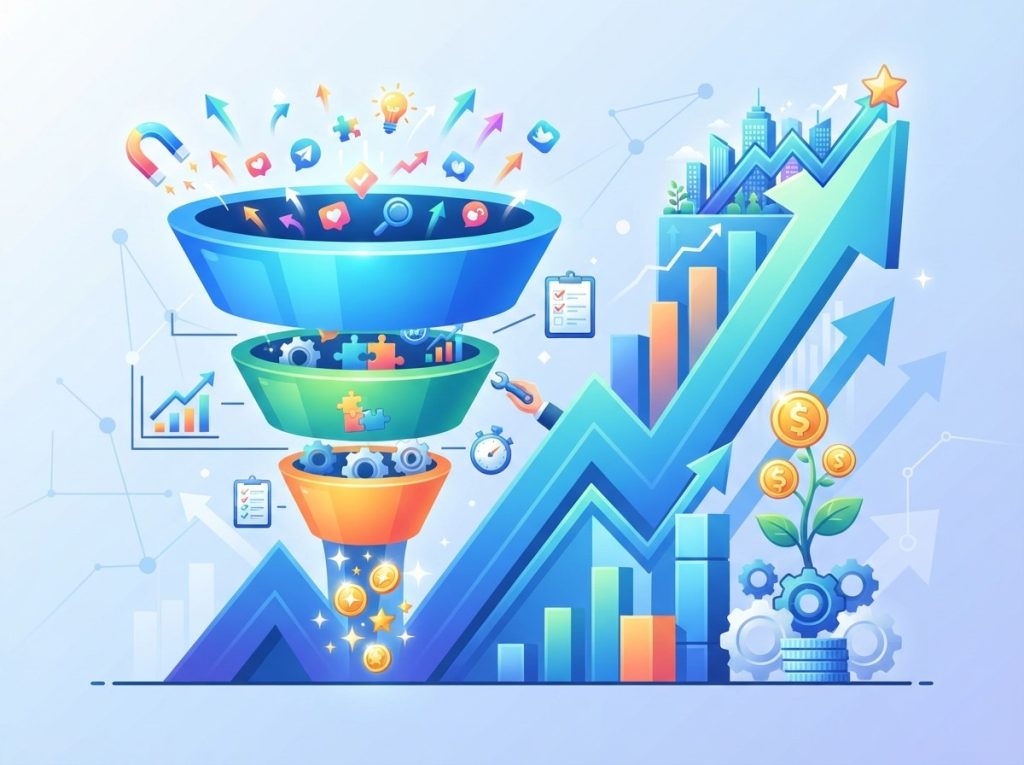 A well-optimized sales funnel can improve marketing efficiency, customer experience, and revenue potential. It helps businesses understand where prospects lose interest and what changes may encourage them to continue.
Increasing Marketing Efficiency
Businesses often spend money on advertising, SEO, content marketing, email campaigns, and social media promotion. If the sales funnel is weak, much of this investment may not produce the expected results.
Optimizing the funnel allows businesses to identify problems between the first interaction and the final purchase. Improving these stages can help marketing campaigns generate more value from the same traffic and budget.
Improving Customer Experience
Customers expect websites and purchasing processes to be simple, clear, and convenient. If visitors struggle to find information or understand the next step, they may abandon the process.
Sales funnel optimization focuses on removing unnecessary friction. Clear navigation, useful content, simple forms, transparent pricing, and relevant calls to action can create a more comfortable experience for potential customers.
Improving Awareness and Interest
The first stages of the funnel are responsible for attracting attention and developing interest. Businesses should ensure that their messaging matches customer needs and clearly communicates the value of their products or services.
Creating Relevant Landing Pages
Landing pages should be designed around a specific audience, offer, or campaign. A page that tries to promote too many products or messages at once may confuse visitors.
A focused landing page should explain the main benefit, address customer concerns, and include a clear call to action. Relevant headlines and supporting content can help visitors understand why they should continue.
Using Strong Calls to Action
A call to action guides visitors toward the next step. Examples may include requesting a consultation, downloading a guide, registering for a webinar, or completing a purchase.
Effective calls to action should be clear, visible, and relevant to the visitor’s current stage. The wording should explain what will happen after the user clicks rather than relying on vague phrases.
Strengthening the Consideration Stage
During the consideration stage, prospects are often comparing businesses, products, prices, and benefits. This stage requires helpful information that reduces uncertainty and builds confidence.
Providing Helpful Product Information
Businesses should provide clear information about product features, service benefits, pricing, delivery, support, and expected outcomes. Customers should not need to search across multiple pages to understand the offer.
Detailed but easy-to-read content can help prospects evaluate whether a product or service meets their needs. Useful explanations also reduce the number of questions that may delay the buying decision.
Using Testimonials and Case Studies
Customer testimonials, reviews, and case studies can help demonstrate real experiences. They provide context about how a product or service has helped other customers.
Businesses should use genuine and relevant examples. Testimonials are most useful when they explain a specific problem, solution, or result instead of making only general statements.
Improving Website Performance
Website performance has a direct influence on user experience. Slow pages can interrupt the customer journey and reduce the likelihood that visitors will continue through the funnel.
The Importance of Page Speed Optimization
Page speed optimization involves improving website loading performance so that users can access content and interact with pages more efficiently. Large images, unnecessary scripts, poor hosting, and unoptimized code can slow down a website.
A faster website can make it easier for visitors to browse products, read information, complete forms, and move toward conversion. Businesses should regularly review performance across both desktop and mobile devices.
Improving Mobile User Experience
Many customers access websites through smartphones. A funnel that works well on desktop but performs poorly on mobile can lose valuable prospects.
Mobile optimization should include readable text, responsive layouts, simple navigation, properly sized buttons, and forms that are easy to complete on smaller screens. The checkout process should also be tested on different mobile devices.
Strengthening Lead Conversion
Lead conversion refers to the process of turning interested prospects into customers or qualified sales opportunities. Improving lead conversion requires understanding customer needs and making the next action simple.
Simplifying Lead Forms
Long or complicated forms can discourage visitors from submitting their information. Businesses should request only the details needed for the specific stage of the funnel.
For example, an initial consultation request may require a name, email address, and short message. Additional information can be collected later when the prospect shows stronger interest.
Creating Relevant Offers
Different audiences may respond to different offers. A new visitor may prefer an educational guide, while a highly interested prospect may be ready for a product demonstration or consultation.
Businesses should match offers with customer intent. Relevant offers can make the funnel more useful and improve the chances of generating qualified leads.
Using Conversion Tracking for Better Decisions
Conversion tracking helps businesses measure important customer actions throughout the sales funnel. It provides information about which campaigns, pages, and channels contribute to leads and sales.
Measuring Important Funnel Actions
Businesses can track actions such as landing page visits, button clicks, form submissions, product views, sign-ups, checkout starts, and completed purchases.
These measurements help teams understand where customers are taking action and where they are leaving. Tracking should be connected to specific business goals rather than focusing only on traffic volume.
Understanding Funnel Drop-Offs
A drop-off occurs when visitors leave the funnel before completing the desired action. For example, many users may visit a product page but only a small percentage may begin checkout.
Analyzing these differences can help businesses identify possible problems with pricing, trust, page design, website performance, or the checkout process.
Improving Email and Follow-Up Communication
 Not every prospect is ready to purchase during the first interaction. Follow-up communication can help businesses maintain interest and guide prospects toward the next funnel stage.
Using Email Nurturing
Email nurturing allows businesses to send relevant information based on a prospect’s interests and actions. Messages may include educational content, product information, customer stories, special offers, or answers to common questions.
A successful email sequence should provide value instead of sending repeated promotional messages. Timing and relevance are important for maintaining engagement.
Personalizing Follow-Up Messages
Personalized communication can improve relevance by reflecting the prospect’s interests, previous actions, or stage in the funnel. For example, someone who downloaded a guide may receive additional information related to that topic.
Businesses should use customer information responsibly and avoid excessive messaging. Helpful communication can support trust and encourage prospects to take the next step.
Reducing Checkout and Purchase Friction
The final conversion stage is critical because prospects have already shown interest and may be ready to buy. Small problems during checkout can cause customers to abandon their purchase.
Simplifying the Checkout Process
A checkout process should be simple, transparent, and easy to understand. Businesses should avoid unnecessary steps, confusing instructions, and unexpected costs.
Important information such as shipping fees, payment options, refund policies, and delivery details should be presented clearly. A simple checkout experience can help customers complete purchases with greater confidence.
Offering Multiple Payment Options
Customers may prefer different payment methods depending on their location, device, and personal preferences. Offering relevant payment options can make the purchase process more convenient.
Businesses should also ensure that payment pages are secure, mobile-friendly, and easy to navigate. Any technical issue during payment should be addressed quickly.
Testing and Improving the Sales Funnel
Sales funnel optimization should be treated as an ongoing process. Customer behavior and market conditions change, so businesses need to review performance regularly and test potential improvements.
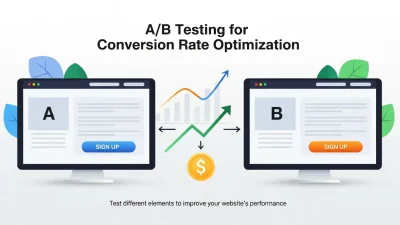
Conducting A/B Testing
A/B testing compares two versions of a page, headline, call to action, form, or offer. Businesses can use the results to understand which version produces stronger engagement or conversions.
Testing should focus on one major change at a time whenever possible. This makes it easier to identify which adjustment influenced the result.
Reviewing Customer Feedback
Analytics can show what customers do, but feedback can help explain why they behave that way. Surveys, customer service conversations, reviews, and interviews can reveal concerns that are not obvious in numerical data.
Combining customer feedback with performance data creates a more complete view of the funnel and supports more informed improvements.
Common Sales Funnel Optimization Mistakes
Businesses can reduce funnel performance by focusing on the wrong metrics or ignoring important customer needs. Avoiding common mistakes can help create a more effective strategy.
Focusing Only on Traffic
High website traffic does not always mean strong business performance. If visitors are not relevant or the funnel does not guide them toward action, traffic may produce limited results. Businesses should evaluate traffic quality, engagement, leads, sales, and customer value together.
Ignoring Existing Customers
Some businesses focus entirely on acquiring new customers and overlook retention. Existing customers may provide repeat purchases, referrals, and valuable feedback. The funnel should include post-purchase communication, customer support, loyalty activities, and opportunities for additional relevant purchases.
Making Too Many Changes at Once
Changing multiple funnel elements simultaneously can make it difficult to understand what improved or reduced performance. Businesses should prioritize the most important problems, test changes carefully, and review results before making additional adjustments.
How to Create an Effective Optimization Strategy
 A practical optimization strategy begins with a clear understanding of the customer journey. Businesses should identify their target audience, define funnel stages, and establish measurable goals.
Identify the Main Business Objective
The objective may be increasing product sales, generating consultation requests, improving registrations, or reducing abandoned checkouts. A clear goal helps determine which funnel stages require the most attention.
Analyze Current Performance
Businesses should review website analytics, conversion tracking data, customer feedback, campaign reports, and sales information. This analysis can reveal where visitors enter, engage, leave, and convert.
Prioritize High-Impact Improvements
Not every problem needs to be solved immediately. Businesses should prioritize changes that are likely to improve customer experience or business results. Improving page speed, simplifying forms, strengthening calls to action, and removing checkout friction may provide useful starting points.
Frequently Asked Questions
1. What is Sales Funnel Optimization?
Sales Funnel Optimization is the process of improving each stage of a sales funnel to help more prospects move from awareness to purchase. It includes improving content, landing pages, forms, communication, and checkout experiences.
2. Why is Sales Funnel Optimization important for business growth?
It helps businesses improve customer experience, increase conversions, reduce drop-offs, and make better use of existing marketing traffic and resources.
3. How does Page speed optimization affect sales funnels?
Page speed optimization improves website loading performance. Faster pages can reduce frustration, support better user experience, and make it easier for visitors to complete important actions.
4. What is lead conversion?
Lead conversion is the process of turning an interested prospect into a customer or qualified sales opportunity. It can be improved through relevant offers, simple forms, clear messaging, and effective follow-up.
5. Why is Conversion tracking necessary?
Conversion tracking helps businesses measure actions such as form submissions, purchases, sign-ups, and checkout completions. It shows which funnel stages and marketing channels are producing results.
6. How can businesses reduce sales funnel drop-offs?
Businesses can reduce drop-offs by improving website speed, simplifying navigation, using clear calls to action, providing useful information, improving trust signals, and removing unnecessary checkout steps.
7. What is the role of landing pages in funnel optimization?
Landing pages guide visitors toward a specific action. A focused landing page with relevant content, strong benefits, and a clear call to action can improve engagement and conversion opportunities.
8. Can email marketing improve a sales funnel?
Yes. Email marketing can nurture prospects, answer questions, share helpful information, and encourage customers to continue toward a purchase when they are not ready to convert immediately.
9. How often should a sales funnel be optimized?
Businesses should monitor funnel performance regularly and review it whenever there are major changes in customer behavior, website design, products, campaigns, or market conditions.
10. What metrics should be monitored during funnel optimization?
Important metrics include traffic quality, engagement rate, landing page conversion rate, form submissions, lead conversion rate, checkout abandonment, purchase completion, customer acquisition cost, and customer lifetime value.
Conclusion
Sales Funnel Optimization is an important part of sustainable business growth because it helps companies improve every stage of the customer journey. From creating relevant landing pages to improving website performance, nurturing leads, tracking conversions, and simplifying checkout, each improvement can support stronger business results. Businesses should pay close attention to Conversion tracking, Page speed optimization, and lead conversion when evaluating funnel performance. A successful strategy requires continuous testing, customer feedback, accurate data, and a clear understanding of customer needs. By reducing friction and making the buying journey easier, businesses can improve efficiency, increase conversion opportunities, and build stronger long-term customer relationships.