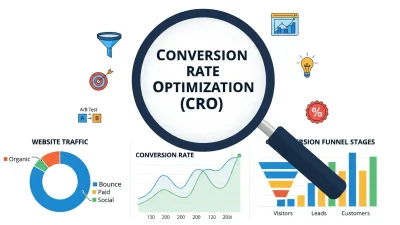

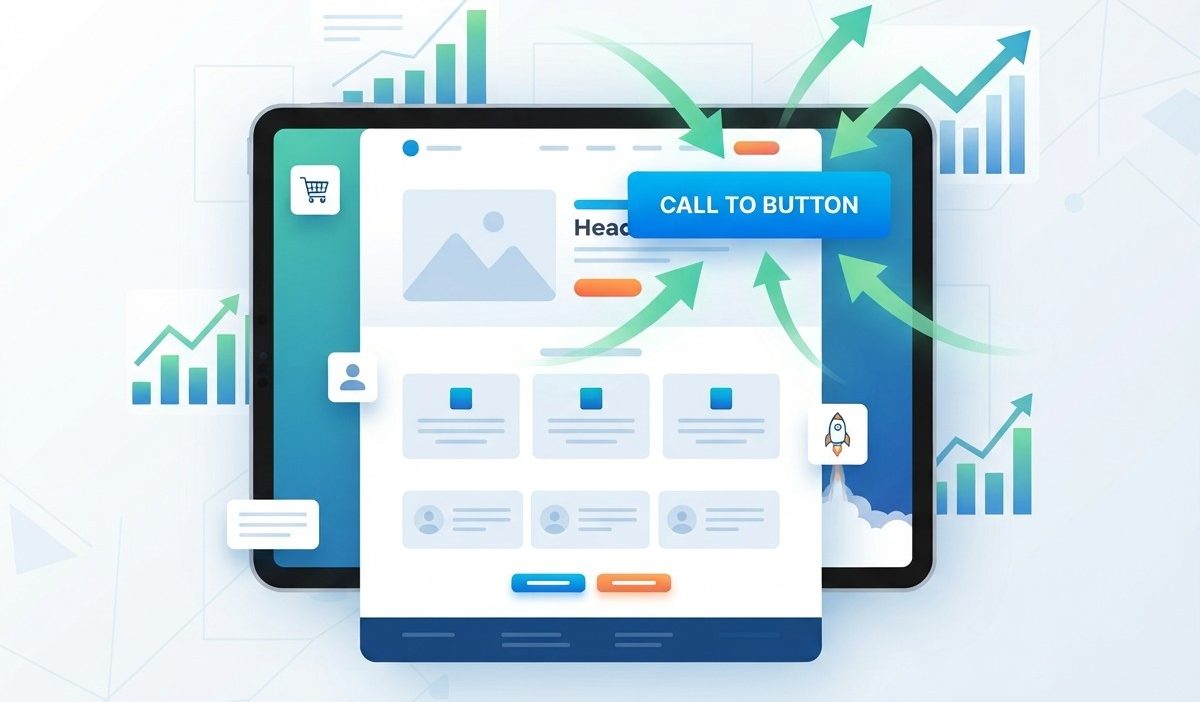
Conversion-Focused Web Design is about creating a website that does more than look professional. It guides visitors toward meaningful actions such as submitting a form, requesting information, booking a service, signing up, or making a purchase. A successful design combines clear messaging, intuitive navigation, strong calls to action, fast performance, and a smooth user experience.
By understanding visitor behavior and removing unnecessary friction, businesses can create websites that support measurable growth. Effective design also works with Conversion tracking, website analytics, and customer journey optimization to identify what works and where improvements are needed.
Understand Your Conversion Goals
A conversion-focused website should begin with a clear understanding of what you want visitors to accomplish. Without defined goals, design decisions can become focused mainly on appearance rather than business results.
Define the Primary Conversion
Your primary conversion should match your business model and marketing objectives. For an ecommerce website, it may be a purchase. For a service business, it could be a consultation request or contact form submission.
A clear primary goal helps determine where CTAs, forms, trust elements, and supporting content should appear. Secondary goals can also be included, but they should not compete with the main action.
Understand Your Target Audience
Knowing who visits your website makes it easier to create relevant experiences. Consider their needs, expectations, problems, objections, and reasons for searching for your product or service.
Your design should answer important questions quickly. Visitors should understand what you offer, who it is for, and why they should continue exploring the website.
Create a Clear Visual Hierarchy
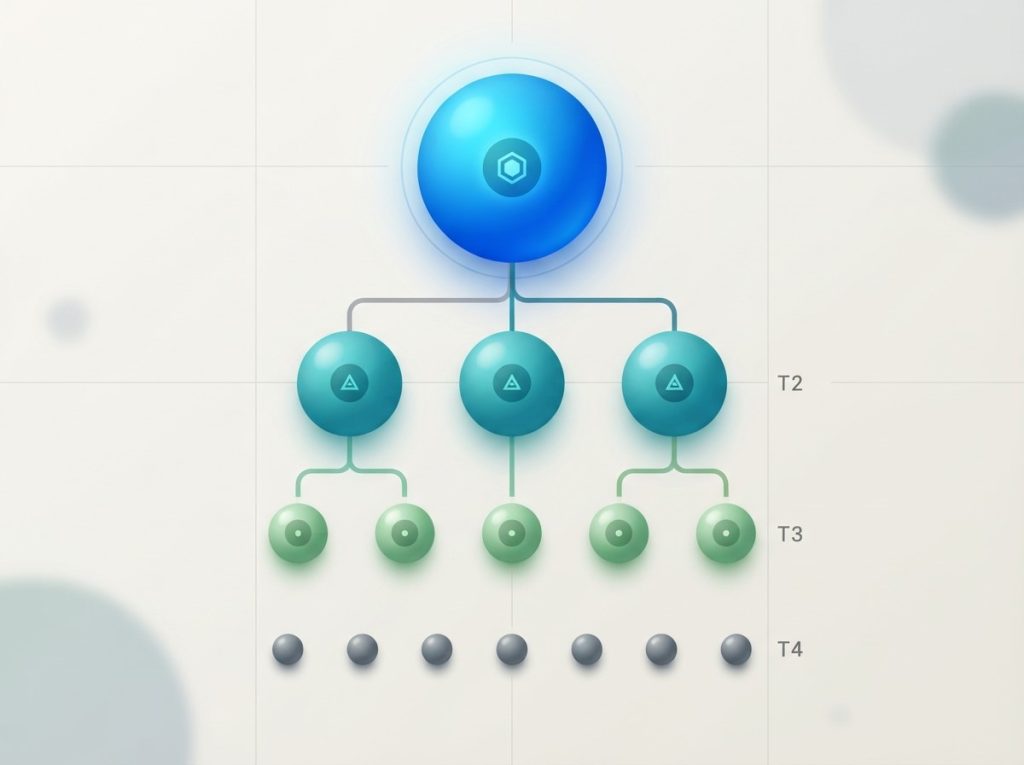 Visual hierarchy helps visitors understand which information deserves their attention first. A well-structured page makes important messages and actions easy to identify without forcing users to search through unnecessary content.
Make Your Value Proposition Clear
Your main headline should communicate the core benefit of your offer. Instead of using vague statements, explain what visitors can gain and why your solution matters.
Supporting text can provide additional context while the primary CTA gives visitors an obvious next step. Together, these elements create a strong opening section that immediately communicates value.
Use Strategic Calls to Action
Calls to action should be noticeable, descriptive, and connected to the visitor’s intent. Generic phrases can sometimes create uncertainty, while action-oriented messaging can make the next step clearer.
CTA placement should also reflect the page structure. Important actions can appear after key value statements, supporting information, and trust signals rather than being placed randomly.
Simplify Website Navigation
Website navigation directly influences how easily visitors find information. Complicated menus, unclear labels, and excessive navigation options can create friction and make users leave before completing an important action.
Keep Navigation Simple
A simple navigation structure helps visitors move between important pages without confusion. Organize content logically and use familiar labels so users can predict what they will find after clicking. Avoid filling the navigation bar with every available page. Prioritize the sections that matter most to your audience and business objectives.
Create a Logical User Flow
Every page should contribute to a logical journey. Visitors may arrive through search engines, social media, advertisements, referrals, or direct traffic, so they should quickly understand where to go next.
This approach supports customer journey optimization by connecting information, trust-building content, and conversion opportunities in a natural sequence.
Optimize Landing Pages for Action
Landing pages are often designed around a specific campaign, product, service, or offer. Their effectiveness depends on how clearly the page connects visitor intent with the desired conversion.
Match Content With Visitor Intent
A visitor who clicks an advertisement for a specific service should land on a page that directly addresses that service. Sending users to an unrelated homepage can create confusion and unnecessary friction.
Keep the landing page message consistent with the source that brought the visitor there. This alignment can improve relevance and make the conversion process easier.
Remove Unnecessary Distractions
Every additional element on a landing page can compete for attention. Remove unnecessary links, excessive animations, unrelated promotions, and other distractions when they do not support the conversion goal. The page should provide enough information to help users make a decision without overwhelming them with unnecessary content.
Improve Form Optimization
Forms are often one of the most important conversion elements on a website. However, complicated forms can discourage visitors from completing the desired action.
Ask Only for Necessary Information
A form should request information that is genuinely needed for the next step. If a simple inquiry requires too many fields, visitors may abandon the process.
Review each field and determine whether it contributes to qualification, communication, personalization, or another important business purpose. Removing unnecessary fields can create a smoother experience.
Make Forms Easy to Complete
Use clear labels, readable input fields, helpful instructions, and understandable error messages. Visitors should know what information is required and how to correct mistakes.
The submit button should also communicate what happens next. Clear wording can reduce uncertainty and make the form experience feel more straightforward.
Build Trust Before Asking for Conversion
Visitors may hesitate to take action when they do not trust a website. Trust elements provide evidence that a business is credible and capable of delivering what it promises.
Use Reviews and Testimonials
Customer testimonials can provide social proof by showing real experiences with a product or service. Relevant reviews should be presented near important conversion points where visitors may need additional reassurance. Testimonials become more useful when they explain specific outcomes rather than simply saying that a company is good or reliable.
Highlight Security and Credibility
Professional contact information, clear policies, recognizable certifications, secure payment indicators, case studies, and transparent business information can strengthen confidence.
The appropriate trust elements depend on the industry and conversion type. A financial service website, for example, may require different reassurance elements than an online store.
Improve Website Speed and Mobile Experience
 Website performance affects how visitors interact with a site. A slow or difficult-to-use website can create friction before users even reach the conversion stage.
Design for Mobile Users
A responsive website should adapt smoothly to different screen sizes. Buttons should be easy to tap, text should remain readable, and forms should work properly on smaller screens.
Mobile users should not have to zoom, scroll excessively, or struggle with navigation. A consistent experience across devices supports stronger engagement and easier conversions.
Reduce Performance Problems
Large images, unnecessary scripts, excessive animations, and poorly optimized resources can affect page performance. Compressing media, improving code efficiency, and using appropriate caching can help create a faster experience.
Performance improvements should be evaluated alongside user behavior to determine whether changes contribute to better engagement and conversions.
Use Data to Improve Design Decisions
Good web design should not depend entirely on personal assumptions. Performance data can reveal how visitors interact with pages and where potential problems exist.
Implement Conversion Tracking
Conversion tracking helps businesses measure important actions such as form submissions, purchases, calls, registrations, or downloads.
Tracking these actions provides a clearer understanding of whether a website is supporting its business objectives. It also allows marketers to compare different traffic sources and identify which pages contribute to conversions.
Analyze Visitor Behavior
Website analytics can reveal useful information about traffic sources, engagement, landing pages, user paths, and conversion activity.
Instead of focusing only on traffic volume, examine how visitors behave after arriving. High traffic with low conversions may indicate problems with messaging, user experience, page relevance, or the conversion process.
Apply Customer Journey Optimization
Visitors rarely move from the homepage directly to conversion without considering other information. A website should support different stages of the decision-making process.
Support Different Intent Levels
Some visitors may be researching a problem, while others may already be comparing solutions. Your content and design should provide suitable information for both groups.
Educational content can support early-stage visitors, while pricing information, comparisons, case studies, testimonials, and strong CTAs can help visitors who are closer to making a decision.
Reduce Conversion Friction
Identify steps that make the journey unnecessarily difficult. Confusing navigation, unclear pricing, complicated forms, missing information, or unexpected requirements can interrupt the path toward conversion.
Improving these areas is an important part of customer journey optimization because it makes the experience more aligned with user expectations.
Test and Continuously Improve
 A conversion-focused website should evolve as new data becomes available. Even a strong initial design can contain opportunities for improvement.
Test Important Page Elements
Test headlines, CTA wording, form layouts, page sections, images, navigation patterns, and other important elements when appropriate. Avoid changing too many variables simultaneously if you want to understand what influenced the results. Testing should be based on a specific question or hypothesis rather than random design changes.
Review Results Regularly
Use website analytics and Conversion tracking to evaluate performance over time. Look for changes in conversion rates, engagement, traffic sources, and user behavior.
Regular reviews help identify whether improvements are producing meaningful results. When a change does not perform as expected, use the data to understand why and determine what should be tested next.
Conclusion
Building a successful Conversion-Focused Web Design requires more than attractive visuals. It requires a clear understanding of business goals, audience needs, user behavior, and conversion opportunities. Strong messaging, simple navigation, effective forms, trust signals, mobile-friendly design, and fast performance all contribute to a better experience.
The most effective approach is continuous improvement. By combining Conversion tracking, website analytics, and customer journey optimization, businesses can understand visitor behavior and make informed design decisions. A website should not simply attract visitors; it should guide them toward meaningful actions through a clear, trustworthy, and friction-free experience.
Frequently Asked Questions
1. What is Conversion-Focused Web Design?
Conversion-Focused Web Design is the process of creating a website around specific business goals, such as generating leads, increasing purchases, receiving inquiries, or encouraging registrations.
2. Why is conversion-focused design important?
It helps turn website visitors into customers or leads by creating a clear user journey, reducing friction, improving usability, and making important actions easier to complete.
3. How can I improve my website conversion rate?
Improve your value proposition, CTA placement, forms, navigation, mobile experience, page speed, trust signals, and content relevance. Use performance data to identify additional opportunities.
4. What role does Conversion tracking play in web design?
Conversion tracking measures important actions taken by visitors. It helps businesses understand whether design changes and marketing activities are contributing to actual business results.
5. How does website analytics help improve conversions?
Website analytics provides information about visitor behavior, traffic sources, landing pages, engagement, and conversion activity. This information can help identify weak areas that need improvement.
6. How important is mobile-friendly web design?
Mobile-friendly design is essential because many users access websites through smartphones and tablets. Responsive layouts make navigation, reading, forms, and CTAs easier to use across devices.
7. Should every page have a CTA?
Important pages should generally provide a relevant next step, but not every page needs an aggressive sales CTA. The CTA should match the visitor’s intent and the purpose of the page.
8. How can form optimization increase conversions?
Form optimization can reduce unnecessary friction by simplifying fields, improving labels, making errors understandable, and creating a straightforward submission process.
9. What is customer journey optimization?
Customer journey optimization involves improving the steps visitors take from their first interaction with a brand through engagement and conversion. The goal is to make the journey clearer and more convenient.
10. How often should a website be optimized for conversions?
Conversion optimization should be an ongoing process. Review performance regularly, identify potential problems, test meaningful changes, and use the results to guide future improvements.