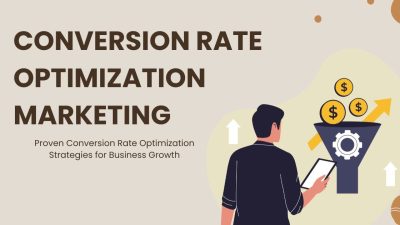


Understanding what is CRO in business is essential for turning website visitors into loyal customers and maximizing revenue from existing traffic. By optimizing user experience, value propositions, trust signals, and call-to-action placement, businesses can guide visitors toward meaningful actions. Consistently testing, analyzing, and refining these strategies ensures sustainable growth, lower acquisition costs, and long-term competitive advantage.
The Foundation of Digital Growth: Understanding CRO

What is Conversion Rate Optimization?
Conversion Rate Optimization (CRO) is the structured system of increasing the percentage of website visitors who perform a desired action. These actions could be a purchase, a form submission, signups, or a download.
The formula for conversion rate is simple:
Conversion Rate = (Conversions ÷ # Total Visitors) × 100
For instance, your conversion rate is 5% if you get 1,000 visitors to your site and 50 of them wind up buying something.
CRO: Now More Than Ever
In today’s competitive digital landscape, it’s easy for businesses to develop tunnel vision around traffic acquisition. Many companies invest heavily in SEO, paid advertising, and social media marketing, believing that more visitors automatically lead to more revenue. While traffic generation is important, it often distracts from a far more impactful opportunity: optimizing the traffic you already have. This is where understanding what is CRO in business becomes critical for sustainable growth.
Conversion Rate Optimization allows businesses to unlock hidden potential within their existing audience. Instead of continually increasing ad spend or chasing new traffic sources, CRO focuses on improving how effectively current visitors engage, interact, and convert. Even small improvements in conversion rates can lead to significant revenue gains, making CRO one of the most cost-effective growth strategies available to modern businesses.
Core Ingredients of a Successful CRO Strategy
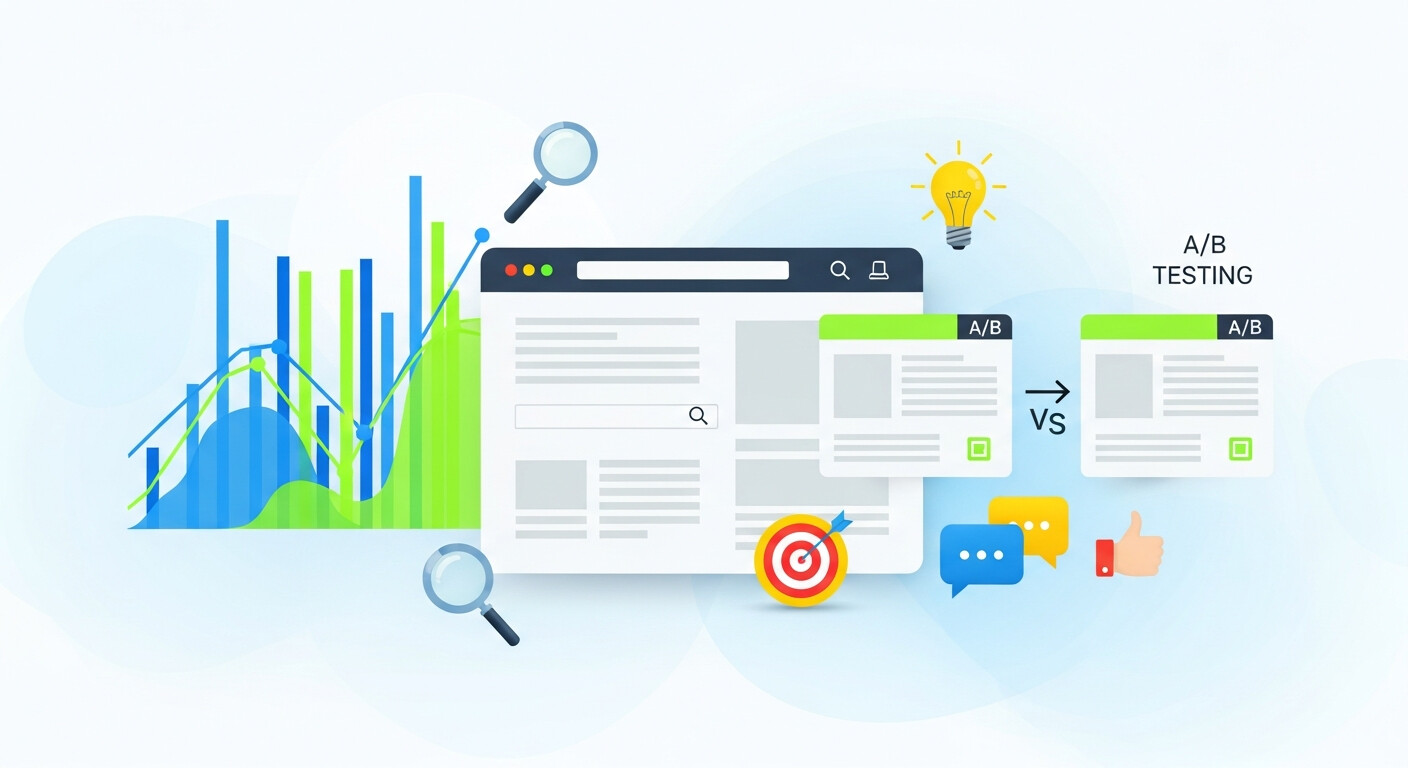
To fully understand what is CRO in business, it’s important to recognize that effective optimization is not driven by a single change or tactic. A successful CRO strategy is built on multiple interconnected components that collectively influence visitor behavior and decision-making. These elements work together to reduce friction, build trust, and guide users toward meaningful actions that directly support business goals.
An effective CRO approach blends user experience design, persuasive messaging, data analysis, and behavioral insights into a structured optimization system. When these components are properly aligned, businesses can create seamless digital experiences that not only attract users but also convert them consistently. Understanding what is CRO in business helps companies ensure that every interaction—whether a click, scroll, or form submission—contributes to measurable growth and long-term performance.
User Experience Design
User experience design is the foundation of any conversion-focused website and a critical pillar in understanding what is CRO in business. Regardless of how strong your traffic sources or marketing campaigns are, poor usability will prevent visitors from converting and limit the impact of your optimization efforts. A well-designed user experience ensures that visitors can easily navigate your site, quickly understand your offering, and complete their intended actions without confusion, frustration, or unnecessary effort—key factors in any successful CRO strategy.
From page load speed to intuitive navigation and content clarity, every UX element plays a vital role in shaping user behavior. When information is easy to find and interactions feel natural, visitors are more likely to stay engaged and progress through the conversion funnel. Effective user experience design removes friction points, builds confidence, and creates a smooth, goal-oriented journey. For businesses aiming to maximize conversions, understanding what is CRO in business highlights why UX is not just about aesthetics—it directly impacts engagement, trust, and measurable conversion rates. For more insights, check our web conversion optimization complete guide.
Some of the most vital UX factors in relation to conversions are:
- Page loading speed
- Mobile responsiveness
- Clear navigation structure
- Readable fonts and appropriate contrast
- Logical information hierarchy
Compelling Value Propositions
A compelling value proposition is one of the most influential elements in conversion rate optimization and a core component of understanding what is CRO in business. It clearly communicates why a visitor should choose your product or service over competitors by highlighting the unique value you deliver. When done correctly, a strong value proposition instantly answers the visitor’s most important question: “What’s in it for me?”
To support higher conversion rates, your value proposition should be highly visible, concise, and positioned prominently on key pages such as homepages, landing pages, and product pages. Clear, benefit-driven messaging reduces uncertainty, builds trust, and encourages visitors to take the next step in the conversion journey. In CRO-focused businesses, refining and testing value propositions is essential for turning interest into action. Learn more in our turn more visitors into customers guide.
Effective value propositions typically include:
- The primary benefit you provide
- How you solve customer problems
- What is your unique selling point vs competition
- Proof or credibility indicators
Strategic Call-to-Action Placement
Strategic call-to-action (CTA) placement plays a crucial role in guiding visitors toward conversions and is a key element in understanding what is CRO in business. CTA buttons act as signposts that tell users exactly what to do next—whether that’s making a purchase, signing up for a trial, or requesting more information. Even minor changes in CTA positioning, wording, or design can have a significant impact on conversion rates.
Effective CTAs are placed where users naturally pause or are ready to take action, such as above the fold, after key benefit sections, or at the end of persuasive content. Clear, action-oriented messaging combined with strong visual contrast helps CTAs stand out without disrupting the user experience. When aligned with user intent and page context, well-positioned CTAs reduce decision friction, increase engagement, and move visitors smoothly through the conversion funnel. For CRO-focused businesses, optimizing CTA placement is essential for turning interest into measurable results.
Best practices for CTAs include:
- Using action-oriented language
- Contrasting with the objects around it aesthetically
- Putting them upfront above the fold
- Experimenting with colors, sizes and placements
- Making sure they’re easily tappable on mobile devices
Trust Signals and Social Proof
Until visitors to your site have confidence in your business, they’re not going to convert. Because trust signals are an instant remedy to doubt, they can minimize purchase anxiety.
Effective trust signals include:
- Customer testimonials and reviews
- Security badges and certifications
- Money-back guarantees
- Company contact information
- Professional design and error-free content
Essential CRO Tools and Techniques
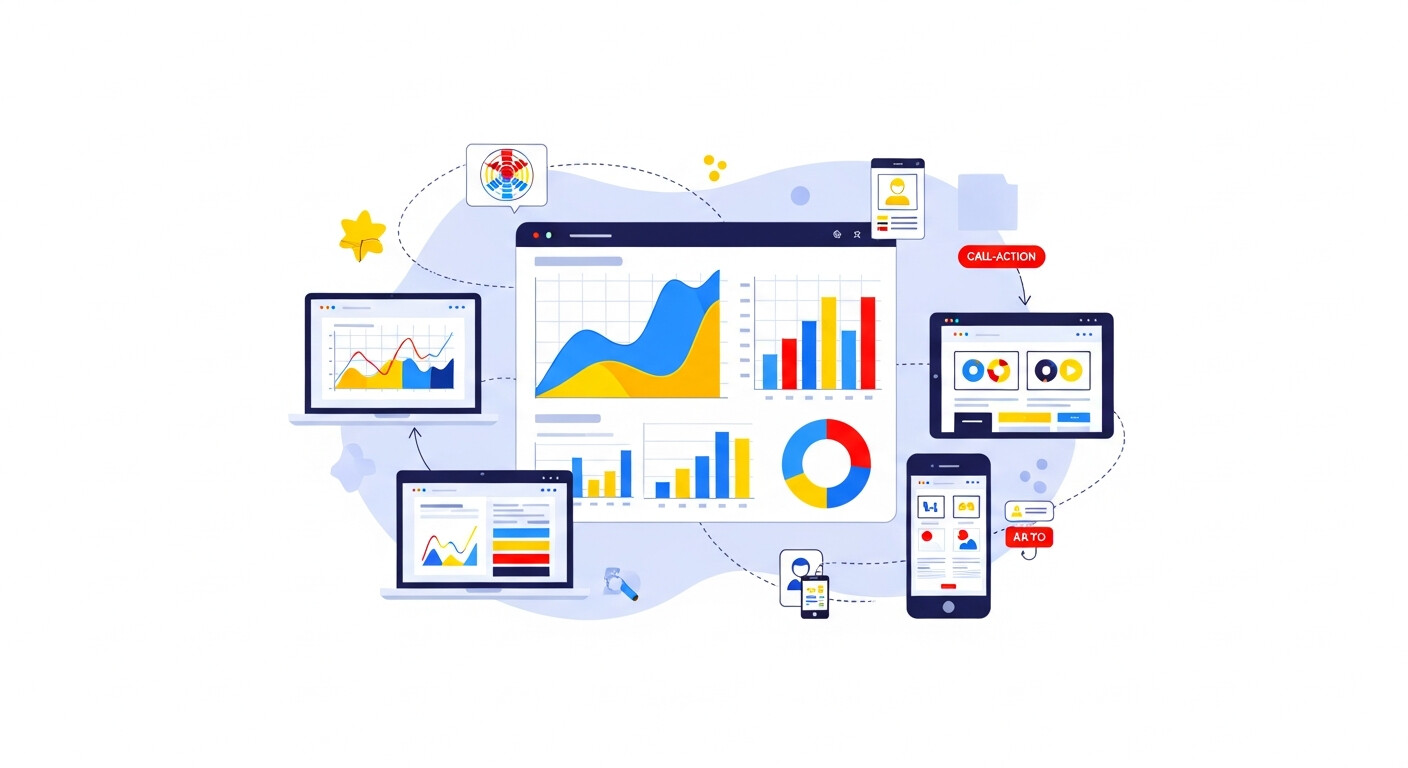
In modern digital marketing, CRO is driven by data, not assumptions. Businesses that understand what CRO is in business rely on a structured set of tools and techniques to analyze visitor behavior, identify friction points, and validate optimization decisions. These tools transform raw user activity into actionable insights, allowing companies to improve conversions with confidence rather than guesswork.
CRO tools help businesses understand how visitors interact with pages, where they hesitate, and why they abandon conversion paths. From testing page variations to tracking user journeys and gathering feedback, these technologies enable continuous optimization across websites, landing pages, and funnels. By combining quantitative data with qualitative insights, businesses can make informed improvements that enhance user experience, increase engagement, and drive consistent conversion growth.
A/B Testing
A/B testing is a process of presenting two versions of a web page to different segments of website visitors. This is great as you can tell which version users are actually engaging with.
Things to A/B Test Here are some of the top things to A/B test:
- Headlines and copy
- Images and videos
- Button colors and text
- Form lengths and fields
- Page layouts and designs
Heat Maps and User Session Recordings
By using heat mapping tools, you can see where your visitors click, scroll and linger on your pages. Session recordings record real user interactions so you can see where users are getting stuck, or where they can be more streamlined.
These tools help identify:
- The most noticed features
- Areas where visitors are liable to become stuck or confused
- Content overlooking or passing that visitors ignore or skip
- Technical issues affecting user experience
Analytics and Performance Monitoring
Web analytics solutions offer statistics on visitor information, conversion funnels, and performance. This data informs what to optimise, what success looks like.
Key metrics to monitor include:
- Conversion rates by traffic source
- Page-level performance data
- Funnel abandonment points
- Average time on page
- Bounce rates
Customer Feedback and Surveys
Direct input from visitors and users can capture insights qualitative data otherwise might overlook: Surveys, feedback forms, and user interviews yield insights into visitor’s motivations, concerns, and preferences.
Valuable feedback methods include:
- Exit-intent surveys
- Post-purchase questionnaires
- Customer interviews
- Live chat interactions
- Support ticket analysis
Measuring and Analyzing CRO Results
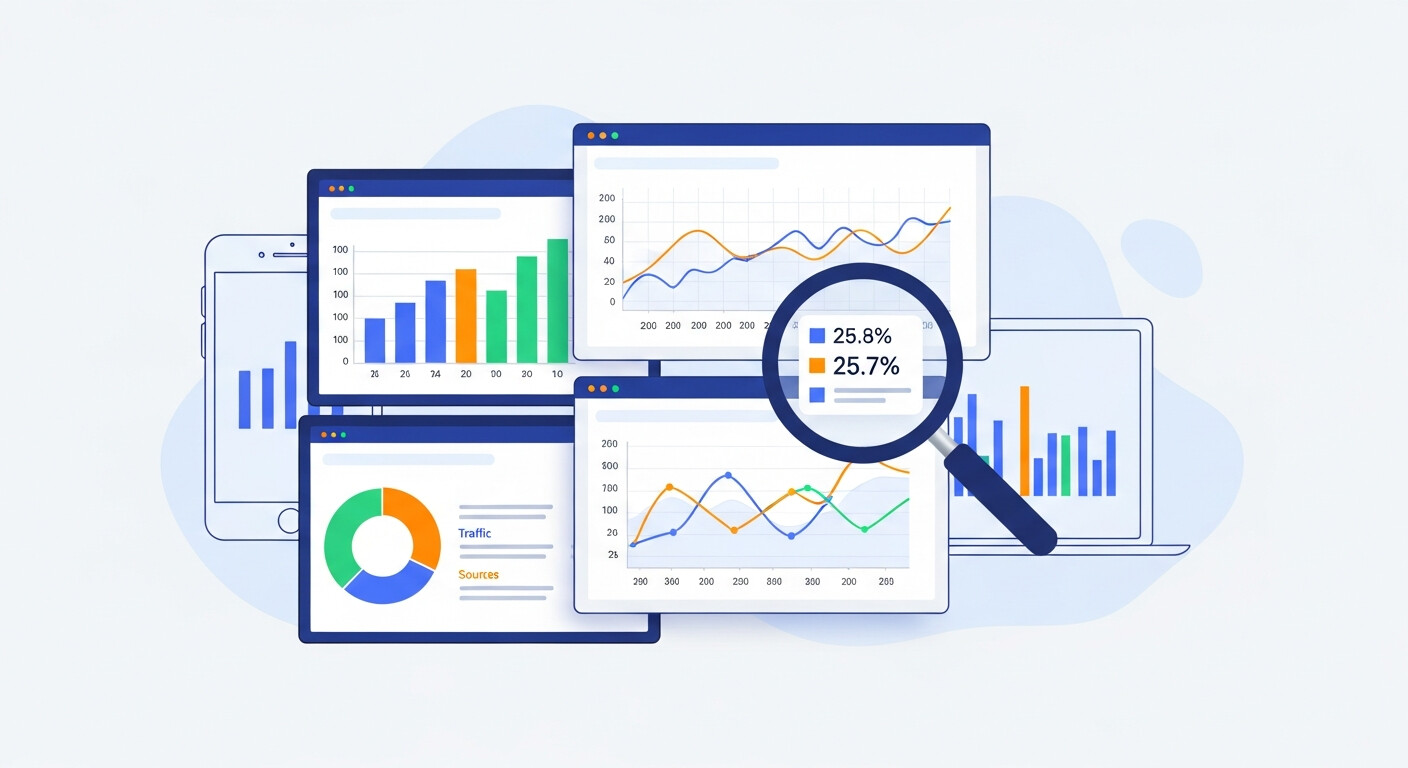
You don’t do conversion rate optimization once and for all. Without tracking, you are unable to determine if the changes you are making attributes to faster speeds, or slower speeds.
Setting Up Proper Tracking
Develop Baseline Measurements and Metering Systems: Before trying to optimize, develop baseline measures and monitoring. This includes:
- Primary and secondary conversion goals explained
- Implementing analytics tracking codes
- How you to do so in the advertising platforms?
- Creating custom events for micro-conversions
- Establishing reporting schedules and responsibilities
Statistical Significance and Test Duration
Your A/B test needs to be long enough to reach statistical significance. This also allows us to assume that differences we observe are due to performance and not chance.
Factors affecting test duration include:
- Current conversion volume
- Expected improvement size
- Confidence level requirements
- Seasonal or cyclical patterns
- Traffic consistency
Interpreting Results and Making Decisions
Raw data doesn’t capture half the story. Effective CRO means results should be taken in #context and judicious actioned decisions should be taken for placement.
The following factors should be taken into account when interpreting results:
- Statistical significance levels
- Practical significance of improvements
- Impact on different visitor segments
- Long-term vs. short-term effects
- Resource requirements for implementation
Real-World CRO Success Stories
Other companies’ success stories are very insightful and inspiring for how they implemented CRO successfully.
E-commerce Optimization Case Study
An e-commerce site saw a 35% lift in conversions from a handful of targeted changes. They streamlined their checkout by lowering the number of form fields from 15 to 7, introduced customer reviews on product pages, and optimized for mobile.
The key changes included:
- Streamlining the checkout flow
- Placing trust badges to be near payment forms
- Implementing one-click purchasing options
- Enhance of product image quality and zoom capacity
B2B Lead Generation Success
By redesigning its landing page, a software company saw a 58% increase in their trial signup rate. They concentrated on their value proposition explanation, adding customer logos and their signup form.
Their optimization strategy involved:
- Testing different headline variations
- One way to achieve this is by going from an 8 to 3 form fields:
- Including video testimonials from current clients
- Creating urgency with limited-time offers
Service-Based Business Transformation
One consulting company literally doubled their leads just by improving their contact process. They also replaced a long contact form with a simple calendar booking system and incorporated case studies throughout their site.
Their improvements included:
- Implementing online scheduling tools
- Adding detailed service descriptions
- Showcasing client results and testimonials
- Creating clear pricing information
Building Your CRO Implementation Plan
Successful CRO is about being methodical and not about randomly trying out for optimizations. Begin by auditing your current performance, then recognizing areas of improvement, and finally developing a prioritized testing roadmap.
Start by making high-impact, low-effort changes, and work your way up to more involved adjustments. Start with the most popular and converting pages. Test, test and please, don’t use assumptions for implementation.
Also, do keep in mind – CRO is not something you finish one day. Consumers habits, the technology and the business drivers change constantly and need constant tuning.
Those businesses who focus on optimization in their testing runtime and are data driven in their testing will always outperform those relying solely on intuition. Start using these CRO strategies now and turn your traffic into high quality customers.
Frequently Asked Questions (FAQ)
What is CRO in business and why does it matter?
What is CRO in business? It refers to the systematic process of increasing the percentage of website visitors who complete meaningful actions that support business goals, such as purchases, signups, or inquiries. Understanding what is CRO in business matters because it enables companies to generate more revenue and leads from existing traffic, reduce marketing costs, and improve overall business efficiency.
How is CRO different from digital marketing?
Digital marketing focuses on attracting traffic through SEO, paid ads, and social media channels. CRO, on the other hand, focuses on converting that traffic into customers or leads. Understanding what is CRO in business ensures that your marketing efforts are not just driving clicks but producing measurable results and business growth.
How long does it take to see results from CRO?
The timeline for CRO results depends on traffic volume, testing scope, and implementation speed. Some improvements may be noticeable within weeks, while others require months of structured testing. Businesses that understand what is CRO in business know that optimization is cumulative, with gains compounding over time rather than appearing instantly.
Is CRO only for large businesses?
No. Small and mid-sized businesses can benefit greatly from CRO because even modest increases in conversion rates can significantly impact revenue. Knowing what is CRO in business helps companies of all sizes grow efficiently without necessarily increasing advertising spend.
What pages should be optimized first?
High-traffic and high-intent pages should be prioritized, including landing pages, product pages, checkout flows, and lead capture forms. Businesses that understand what is CRO in business focus on these pages first to achieve faster, more measurable returns.
Can CRO improve paid advertising performance?
Yes. CRO improves landing page effectiveness, which directly affects ad quality scores, cost per acquisition, and return on ad spend. Understanding what is CRO in business ensures that every marketing dollar delivers maximum value by converting more visitors into customers.