
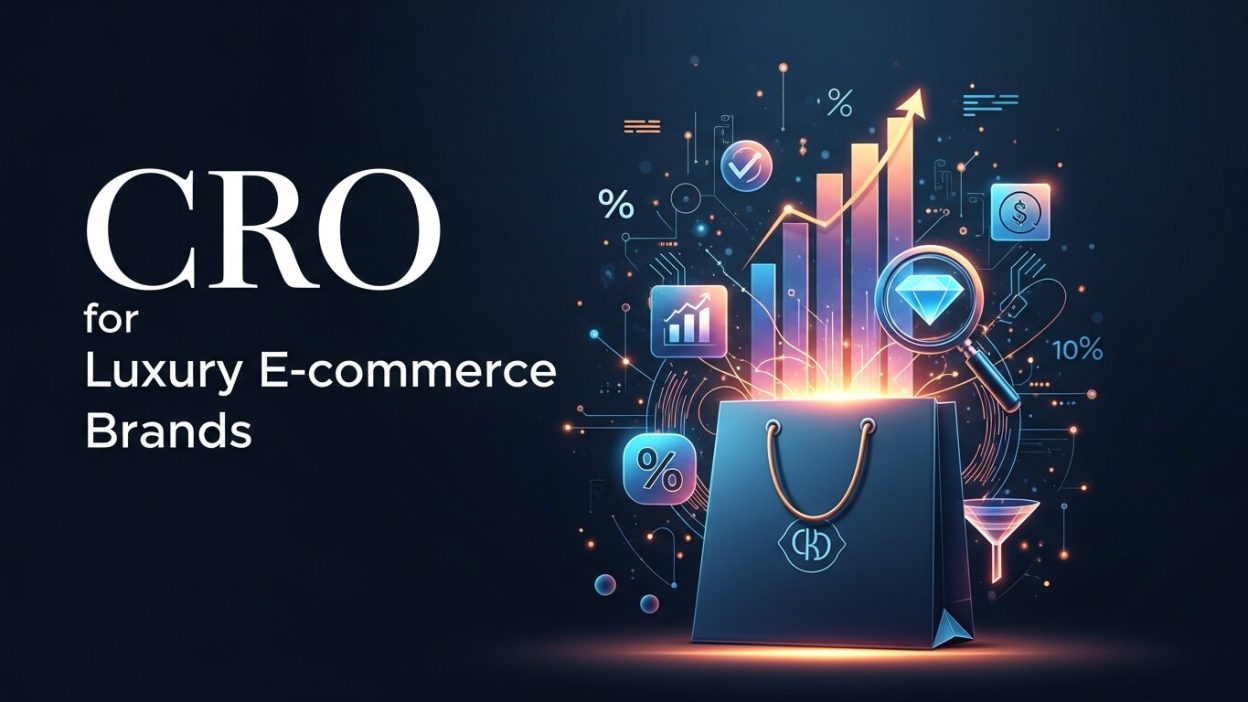
Selling high-end products online requires a delicate balance. For decades, high fashion houses and premium jewelers relied on the physical boutique experience to sell their goods. Customers expected plush carpets, personalized attention, and a glass of champagne. Replicating that white-glove service through a digital screen presents a unique set of challenges. When a customer cannot touch the fabric or feel the weight of a watch, the website must do the heavy lifting to justify a premium price tag.
This is where Conversion Rate Optimization (CRO) becomes essential for the luxury sector. Typical e-commerce websites focus heavily on discounts, countdown timers, and aggressive pop-ups to drive quick sales. Luxury brands must take a different approach. Pushy sales tactics can damage brand prestige. Instead, CRO for high-end retail means removing friction, enhancing the digital aesthetic, and building absolute trust.
Optimizing a premium digital storefront is about elevating the entire customer journey. A minor flaw in navigation or a low-resolution image can instantly break the spell of exclusivity. This guide will help luxury brands maximize their online potential. We will explore the psychology of the affluent buyer, outline key optimization principles, and show you how to turn casual browsers into loyal brand advocates.
Understanding the Luxury E-commerce Customer
 To improve your conversion rates, you must first understand who is buying your products. Luxury consumers behave differently than standard retail shoppers.
Demographics and Psychographics of Luxury Buyers
High-net-worth individuals value their time and expect flawless execution. They are often less price-sensitive but highly sensitive to friction and poor design. They seek status, quality, and heritage. Understanding these psychological drivers helps you tailor the browsing experience to meet their high expectations.
The Role of Brand Perception and Exclusivity
A premium brand survives on its reputation. Customers buy luxury goods to feel part of an exclusive club. Your website must communicate this prestige at every touchpoint. If your digital storefront feels cheap or generic, the perceived value of your products drops immediately.
The Customer Journey: From Discovery to Loyalty
The path to purchasing a $3,000 handbag is rarely linear. A customer might discover the item on social media, read a review in a digital magazine, visit the website several times, and finally make a purchase. Mapping this multi-touchpoint journey allows you to optimize each stage. You can provide inspiration during the discovery phase and seamless utility during the final checkout.
Key Principles of CRO for Luxury Brands
Applying standard CRO tactics to a premium brand often backfires. You must align your optimization strategy with the core values of high-end retail.
The Aesthetics of Luxury: Design and User Experience
Whitespace is your friend. Cluttered pages confuse users and dilute the impact of your products. A minimalist, elegant design lets the items speak for themselves. Typography, color palettes, and layout should mirror the sophistication of your physical boutiques.
Building Trust and Credibility
When spending large sums of money online, customers need total confidence in their purchase. You can build this trust by prominently displaying secure payment certifications, authentic customer testimonials, and a compelling brand story. Highlighting your heritage and commitment to craftsmanship reassures buyers that they are making a wise investment.
Personalization: Tailoring the Experience
Premium shoppers expect to be recognized. Use data carefully to offer personalized product recommendations based on past browsing behavior. Tailoring the homepage or suggesting complementary accessories makes the user feel valued and understood.
Seamless User Experience: Intuitive Navigation
Complex menus frustrate users. Keep your site architecture simple and intuitive. Since many affluent consumers shop on the go, flawless mobile optimization is non-negotiable. Buttons must be easy to tap, and pages must load instantly on all devices.
Strategies for Optimizing Product Pages
The product page is where the decision to buy happens. It must provide all the sensory information a customer would get in a physical store.
High-Quality Visuals
Fuzzy images kill conversions. Use ultra-high-resolution photography that allows users to zoom in on the smallest details. Include videos of the product in motion to show how a fabric falls or how light reflects off a gemstone. Adding 360-degree views gives customers complete control over how they inspect the item.
Compelling Product Descriptions
Do not just list the dimensions and materials. Tell the story of the product. Explain the hours of labor required to create it, the origin of the materials, and the inspiration behind the design. Emphasizing craftsmanship justifies the price point and connects with the buyer on an emotional level.
Scarcity and Exclusivity
Instead of relying on aggressive “limited time” sales, use genuine scarcity. Highlighting that an item is a “limited edition” or offering bespoke customization options increases desirability. It taps into the fear of missing out without compromising brand integrity.
Clear Call-to-Actions
Keep your purchase buttons elegant but highly visible. Use subtle language like “Add to Bag” or “Reserve Now.” The goal is to make the next step obvious and effortless, guiding the user gently toward the checkout.
Enhancing the Checkout Experience
A complicated checkout process leads to high abandonment rates. Affluent customers will not tolerate tedious forms.
Streamlined Checkout Process
Minimize the number of steps required to complete a purchase. Offer a guest checkout option, as forcing account creation can cause immediate drop-offs. Remove unnecessary fields and distractions so the customer can focus entirely on completing the transaction.
Secure Payment Options
Provide a variety of trusted payment methods. Alongside standard credit card options, consider integrating premium digital wallets and secure wire transfer protocols. Prominently displaying security badges instills confidence during this critical step.
Transparent Shipping and Returns Policies
Uncertainty prevents conversions. Clearly state your shipping timelines, costs, and return policies before the customer enters their payment details. Offering complimentary premium shipping and hassle-free returns removes a significant barrier to purchase.
Post-Purchase Experience
The digital experience does not end when the credit card is charged. Send branded confirmation emails beautifully. Detail how the item will be packaged in luxury wrapping. Providing a high-end unboxing experience ensures the customer feels rewarded, increasing the chances of repeat purchases.
Leveraging Technology for CRO
 Modern technology provides powerful tools to refine the luxury shopping experience.
A/B Testing
Never guess what works. Test different layouts, button colors, and imagery to see what yields higher conversions. Even small adjustments to the wording of a product description can significantly impact sales.
AI and Machine Learning
Artificial intelligence can analyze massive amounts of customer data to predict buying behavior. Use machine learning to power advanced search functions and highly accurate product recommendations. This creates a deeply curated shopping experience for every individual visitor.
Live Chat and Concierge Services
Offering instant support bridges the gap between digital and physical retail. Implement a live concierge service where trained associates can answer questions, offer styling advice, and help facilitate high-value transactions in real-time.
Measuring and Analyzing CRO Performance
You cannot improve what you do not measure. A data-driven approach is vital for long-term success.
Key Metrics for Luxury E-commerce CRO
Track more than just the overall conversion rate. Monitor average order value, cart abandonment rate, and time spent on product pages. High-end brands should also measure micro-conversions, such as newsletter sign-ups or requests for consultations.
Tools and Techniques for Data Analysis
Use heatmaps and session recordings to understand how users interact with your website. These tools reveal where customers get stuck or lose interest. Combine this qualitative data with robust analytics platforms to get a complete picture of your site’s performance.
Iterative Optimization
CRO is an ongoing process. Consumer behavior shifts, and technology evolves. Regularly review your data, formulate new hypotheses, and continuously tweak your site to ensure it remains at the cutting edge of digital luxury.
Case Studies: Successful Luxury E-commerce CRO
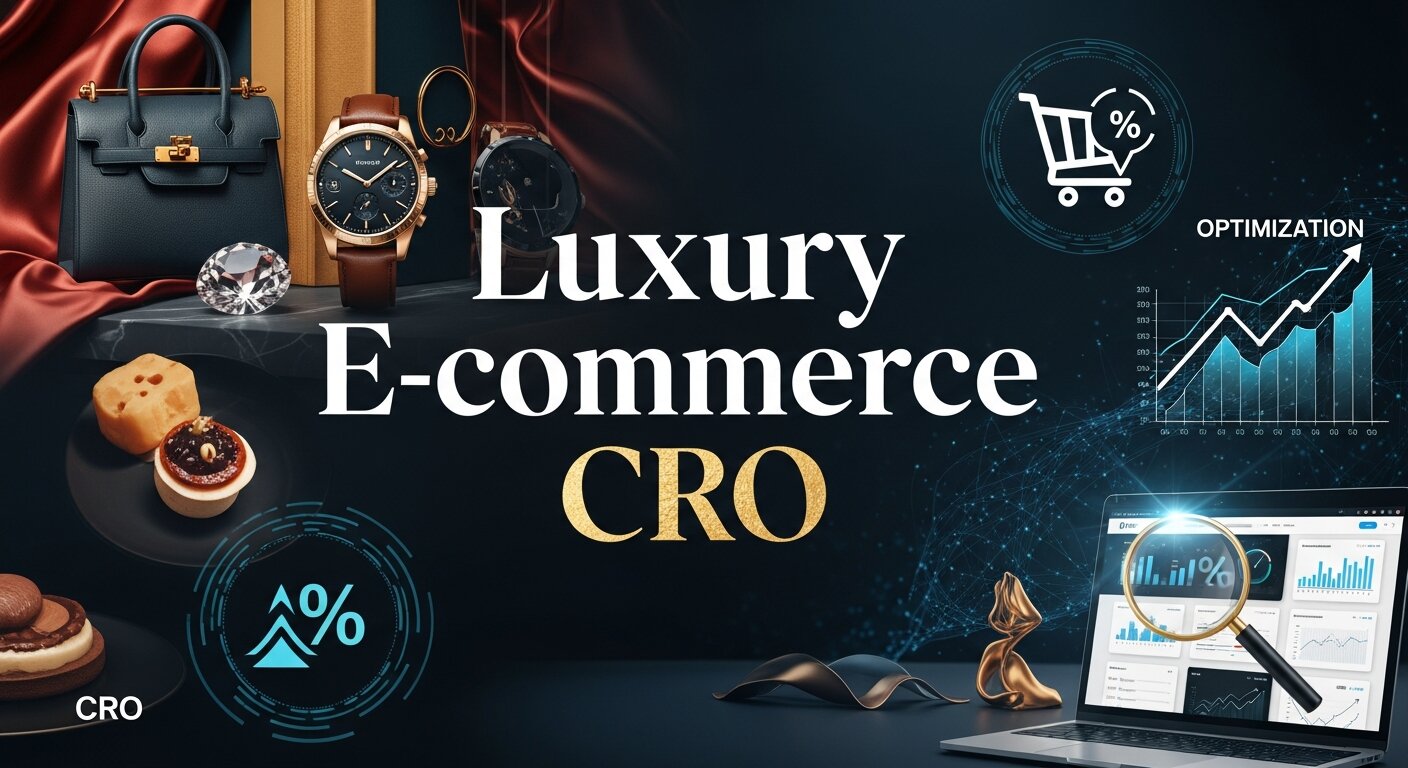 Looking at industry leaders provides valuable inspiration for your own optimization efforts.
Brands Excelling in Online Conversions
Companies like Net-a-Porter and Gucci have mastered the digital luxury space. Net-a-Porter utilizes rich editorial content alongside commerce, turning its website into a digital magazine that drives high engagement and sales. Gucci offers virtual try-ons using augmented reality, reducing purchase hesitation for eyewear and footwear.
Lessons Learned from Industry Leaders
The primary lesson from top luxury brands is that utility and beauty must coexist. They invest heavily in site speed and mobile responsiveness while maintaining stunning visual design. They also excel at using personalized concierge services to guide high-net-worth clients through complex purchases.
Optimizing Platform Performance for Premium Stores
A luxury e-commerce platform must deliver flawless performance at every touchpoint. Slow loading times, broken elements, or laggy interactions can instantly damage brand perception. High-end customers expect speed, precision, and seamless browsing across all devices. By improving backend performance, optimizing images, and ensuring responsive design, brands can create a smooth digital experience. Shopify conversion optimization techniques can be applied in the background to enhance speed and usability without affecting the visual elegance. A fast, reliable platform not only improves user satisfaction but also reduces bounce rates and increases the likelihood of completing high-value purchases.
Aligning Conversion Strategy with Brand Identity
Luxury brands must ensure that every optimization effort aligns with their identity. Aggressive tactics that work for mass-market retailers can feel out of place in a premium environment. CRO digital marketing strategies should focus on subtle persuasion, storytelling, and emotional connection rather than urgency-driven sales. Maintaining a consistent tone, refined visuals, and elegant messaging helps preserve brand value. Every design element, from typography to product presentation, should reflect sophistication. When optimization supports brand identity instead of conflicting with it, customers feel more confident in their purchase decisions, leading to stronger engagement and higher conversion rates.
Enhancing Customer Confidence Through Micro-Interactions
Small details often make a big difference in luxury e-commerce. Micro-interactions, such as smooth hover effects, subtle animations, and instant feedback, create a polished and engaging experience. These elements guide users naturally without overwhelming them. CRO optimization focuses on refining these subtle touchpoints to remove friction and improve usability. For example, a gentle animation when adding a product to the cart can reassure users that their action was successful. These refined interactions contribute to a sense of quality and attention to detail, which is essential for high-end brands aiming to build trust and encourage conversions.
Leveraging Data Without Compromising Experience
Data is essential for improving performance, but it must be used carefully in the luxury space. Overloading a website with tracking scripts or intrusive pop-ups can disrupt the user experience. Instead, brands should rely on clean and efficient data collection methods to understand customer behavior. CRO digital marketing practices help analyze patterns such as browsing habits, time spent on pages, and drop-off points. This insight allows for informed decision-making without sacrificing elegance. By balancing data-driven strategies with a premium user experience, brands can continuously improve their website while maintaining a sophisticated and seamless environment.
Creating Emotional Connections Through Storytelling
Luxury purchases are often driven by emotion rather than necessity. Customers are not just buying a product; they are buying a story, a lifestyle, and a sense of identity. Strong storytelling can significantly influence buying decisions by creating a deeper connection with the audience. CRO optimization techniques can be used to position storytelling elements strategically throughout the website. This includes brand heritage sections, artisan stories, and behind-the-scenes content. When users feel emotionally connected to a brand, they are more likely to trust it and complete a purchase. This approach transforms browsing into an immersive and memorable experience.
Frequently Asked Questions (FAQ)
1. What is Conversion Rate Optimization (CRO) in luxury e-commerce?
Conversion Rate Optimization (CRO) in luxury e-commerce is the process of improving a high-end online store to increase the percentage of visitors who complete a purchase. Unlike standard CRO, luxury-focused optimization avoids aggressive tactics like heavy discounts or pop-ups. Instead, it focuses on refining user experience, improving website aesthetics, building trust, and removing friction.
2. Why is CRO different for luxury brands compared to regular e-commerce?
Luxury brands rely heavily on emotional appeal, exclusivity, and brand perception rather than price-based competition. Traditional e-commerce often uses urgency tactics such as flash sales or countdown timers, but these can damage a premium brand image. In luxury CRO, the focus shifts to storytelling, minimalistic design, high-quality visuals, and personalized experiences.
3. How does website design impact luxury conversion rates?
Website design plays a crucial role in luxury conversions because it directly influences perception. A cluttered or outdated design can instantly reduce trust and lower perceived value. On the other hand, a clean, minimalist layout with high-quality visuals creates a sense of exclusivity and sophistication.
4. What role does trust play in luxury e-commerce CRO?
Trust is one of the most important factors in luxury purchasing decisions. Since customers are spending large amounts online without physically experiencing the product, they need reassurance. Trust can be built through secure payment options, authentic reviews, brand heritage storytelling, and clear return policies.
5. How can personalization improve luxury conversion rates?
Personalization enhances the shopping experience by making users feel recognized and valued. Luxury customers expect tailored recommendations based on their preferences, browsing history, and purchase behavior. Personalized homepage content, curated product suggestions, and exclusive offers can significantly improve engagement.
6. What are the most important CRO metrics for luxury brands?
Luxury brands should track more than just the overall conversion rate. Key metrics include average order value, cart abandonment rate, time spent on product pages, and customer lifetime value. Micro-conversions such as newsletter sign-ups, wishlist additions, and consultation requests are also important indicators of interest.
7. How does AI improve CRO for luxury websites?
Artificial intelligence enhances CRO by analyzing customer behavior and delivering personalized experiences. AI can recommend products, predict buying intent, and optimize search results. It can also automate A/B testing and improve website layouts based on user interaction data. In luxury e-commerce, AI helps create a highly curated and seamless shopping journey for each visitor.
8. Why is mobile optimization important for luxury CRO?
Many luxury shoppers browse and purchase products using mobile devices. If a website is not optimized for mobile, it can lead to poor user experience and lost sales. Mobile optimization ensures fast loading speed, easy navigation, and a responsive design across all screen sizes. Buttons must be easy to tap, images must load clearly, and checkout processes must be simple.
The Future of Luxury Online Retail
Creating an unparalleled online experience requires constant attention to detail.
Recap of Key CRO Strategies
To boost conversions in the luxury sector, focus on reducing friction while elevating the brand narrative. Prioritize high-quality visuals, intuitive navigation, and personalized service. Build trust through transparency and a flawless checkout process.
The Role of CRO Going Forward
As more affluent consumers shift their spending online, the digital storefront will become the primary touchpoint for many luxury brands. CRO will no longer be an optional marketing tactic; it will be a fundamental component of business survival and growth.
Final Thoughts
Optimizing a high-end e-commerce site takes patience and a deep understanding of your audience. By combining elegant design with robust data analysis, you can build a digital experience that honors your brand’s heritage and drives meaningful revenue growth.