
You spend countless hours and a significant portion of your marketing budget driving traffic to your online store. Visitors browse your product pages, carefully select their favorite items, and add them to their digital shopping carts. But then, right at the finish line, they vanish. Cart abandonment is one of the most frustrating challenges online retailers face.
The checkout process is the most critical phase of the customer journey. If it is clunky, confusing, or untrustworthy, you will lose sales that were almost guaranteed. Optimizing this final step is essential for maximizing your revenue and ensuring that your marketing efforts actually pay off.
Many retailers mistakenly believe that a great product is enough to close a sale. While a high-quality catalog draws people in, a seamless purchasing experience is what gets them to pull out their credit cards. By addressing the common friction points that cause shoppers to hesitate, you can dramatically increase the number of completed transactions.
This guide explores the core principles of ecommerce checkout conversion rate optimization. You will learn exactly why shoppers abandon their carts and discover proven, actionable strategies to streamline your checkout flow. By implementing these techniques, you can turn hesitant browsers into loyal, paying customers.
Understanding Checkout Conversion Rates Optimization
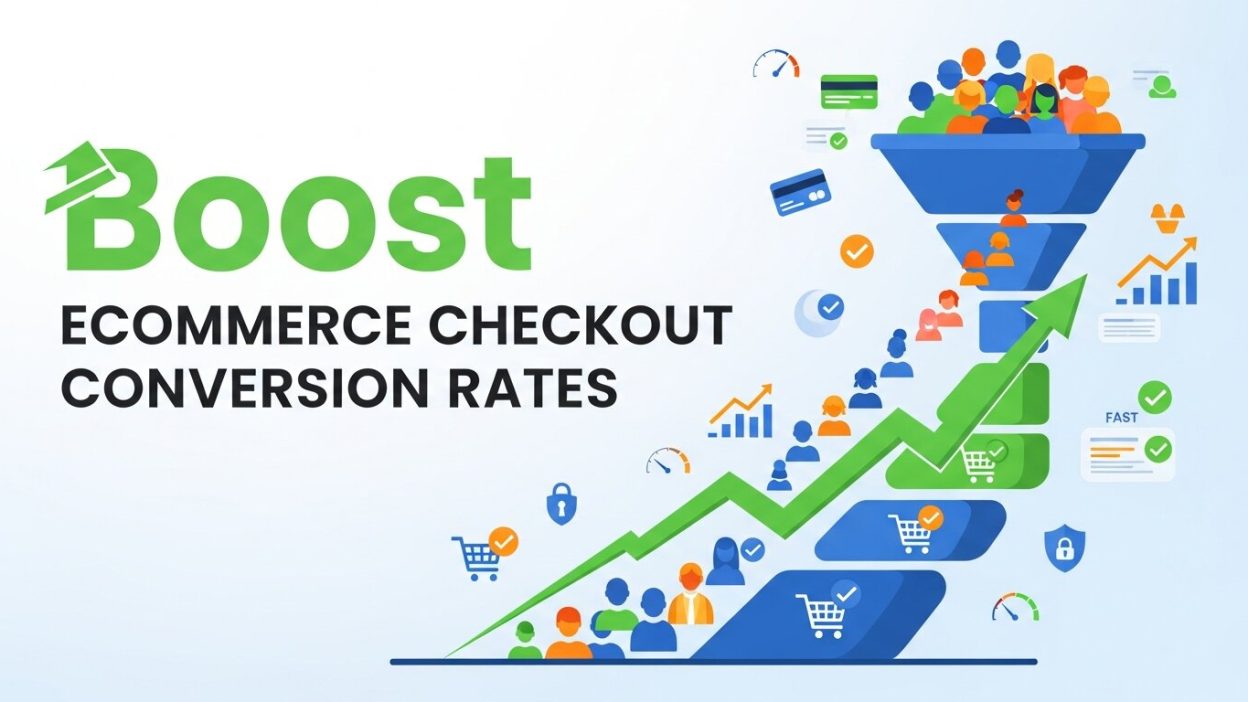
Checkout conversion rate optimization involves tweaking and improving the final steps of your online purchasing process. The goal is to make it as easy, secure, and intuitive as possible for a customer to finalize their order. This process relies heavily on analyzing user behavior, identifying bottlenecks, and testing different solutions to see what yields the highest number of completed sales.
A high amount of traffic means very little if your visitors leave before checking out. Even a minor increase in your checkout conversion rate can have a massive impact on your overall profitability. Because you have already done the hard work of acquiring the customer, improving the checkout experience is one of the most cost-effective ways to grow your business.
Why Customers Abandon Their Shopping Carts
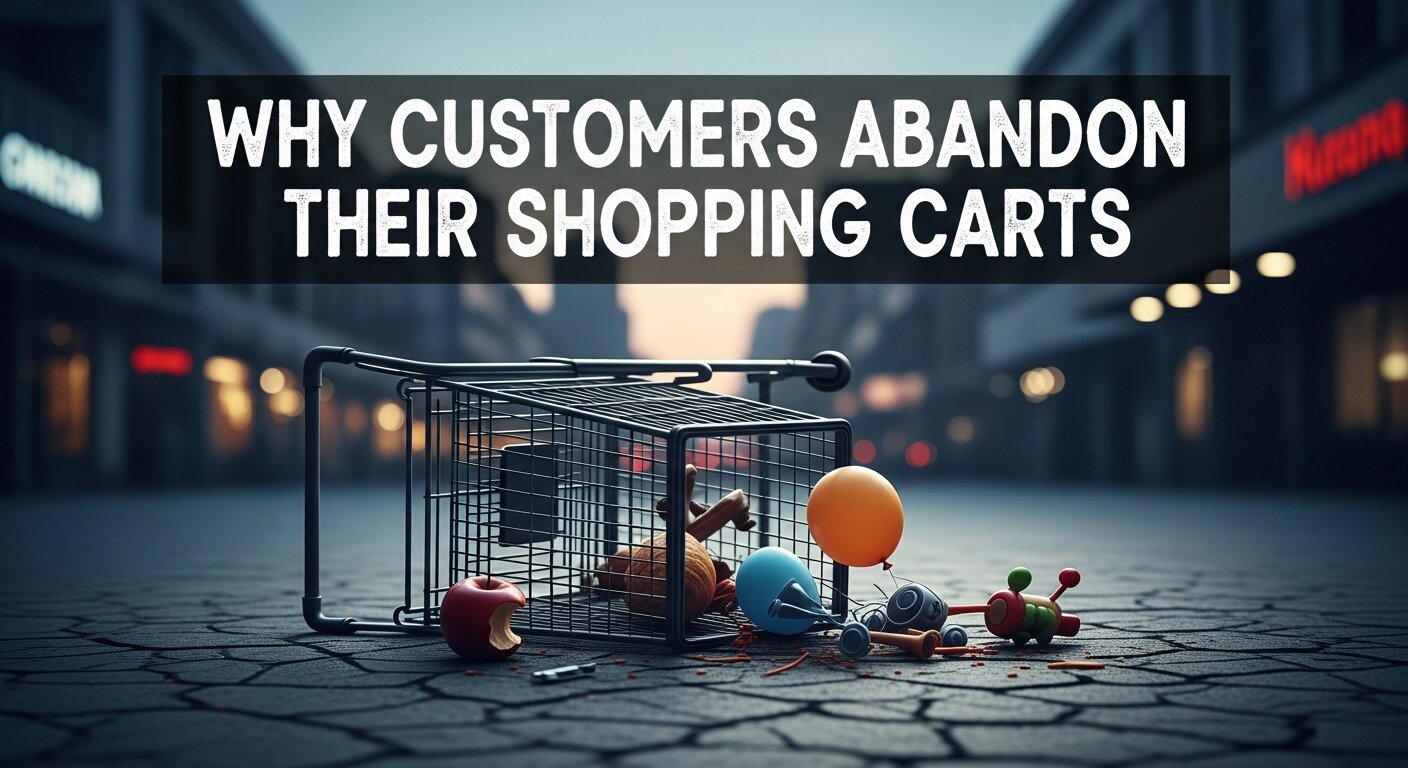 Before you can fix a leaky checkout funnel, you need to understand where and why the leaks are happening. Shoppers leave their carts for a variety of reasons, many of which are entirely preventable.
Unexpected Shipping Costs and Fees
Nothing kills a sale faster than surprise charges at the very end of the purchasing process. When a customer adds an item to their cart, they have a specific price in mind. If they reach the final payment screen and suddenly see steep shipping fees, taxes, or handling charges added to the total, they will likely close the tab. Transparency from the very beginning of the shopping experience is vital.
Complicated Navigation and Account Creation
Shoppers want convenience. Forcing a first-time buyer to create an account, verify their email address, and set up a password before they can buy a simple item creates unnecessary friction. Long, multi-page checkout processes with confusing layouts test the user’s patience. If buying your product feels like hard work, customers will simply go to a competitor who offers a smoother experience.
Lack of Trust and Security Concerns
Online fraud is a valid concern for modern consumers. If your checkout page looks outdated, lacks security badges, or behaves erratically, shoppers will hesitate to enter their payment information. Customers need to feel completely confident that their personal and financial data is safe with your company.
Proven Strategies to Increase Checkout Conversions
Now that we know why customers leave, let’s explore practical ways to keep them engaged and guide them smoothly toward the purchase button.
Implement a Guest Checkout Option
One of the easiest ways to secure a sale is to remove the mandatory account creation barrier. Allow users to check out as a guest. You can always ask them if they want to save their details to create an account after the transaction is successfully completed. This keeps the momentum going and respects the customer’s time.
Offer Multiple Payment Options
Consumers have distinct preferences when it comes to paying online. While credit cards are standard, many shoppers prefer the convenience and security of digital wallets like PayPal, Apple Pay, or Google Pay. Additionally, offering “buy now, pay later” services can significantly boost conversions, especially for higher-ticket items. Providing a diverse range of payment methods ensures that you don’t lose a customer simply because their preferred option is missing.
Simplify the Form Fields
Take a critical look at the information you require from your buyers. Do you really need their company name, secondary phone number, or fax number? Eliminate every non-essential field from your checkout form. The fewer boxes a customer has to type into, the faster they can complete the purchase. Use features like Google Address Autofill to speed up the shipping information step.
Display Trust Signals Prominently
Reassure your customers by prominently displaying security badges, SSL certificates, and recognized payment logos near the credit card input fields. Include links to your return policy, shipping details, and customer support contact information. When a shopper knows they can easily reach you or return an item if something goes wrong, their perceived risk drops significantly.
Optimize for Mobile Devices
A massive portion of ecommerce traffic comes from smartphones. If your checkout page requires users to pinch, zoom, or scroll horizontally, they will abandon the purchase. Ensure your checkout flow is highly responsive, with large, easily tappable buttons and readable text. Mobile users are often on the go, so a streamlined, single-page checkout works exceptionally well for this demographic.
How Luxury E-commerce Brands Handle Checkout
Studying the best in the business can provide excellent inspiration for your own store. Luxury e-commerce brands excel at creating seamless, elegant checkout experiences that reflect the premium nature of their products. They understand that a clunky interface can instantly devalue a high-end item.
These brands focus heavily on minimalism and speed. They remove all distracting elements, such as navigation bars and promotional banners, from the checkout page. The focus is entirely on the product and the payment. They also excel at providing white-glove customer service right at the point of purchase, often including live chat options or complimentary expedited shipping to make the final decision incredibly easy for the buyer.
The Impact of Page Speed on Checkout Conversions
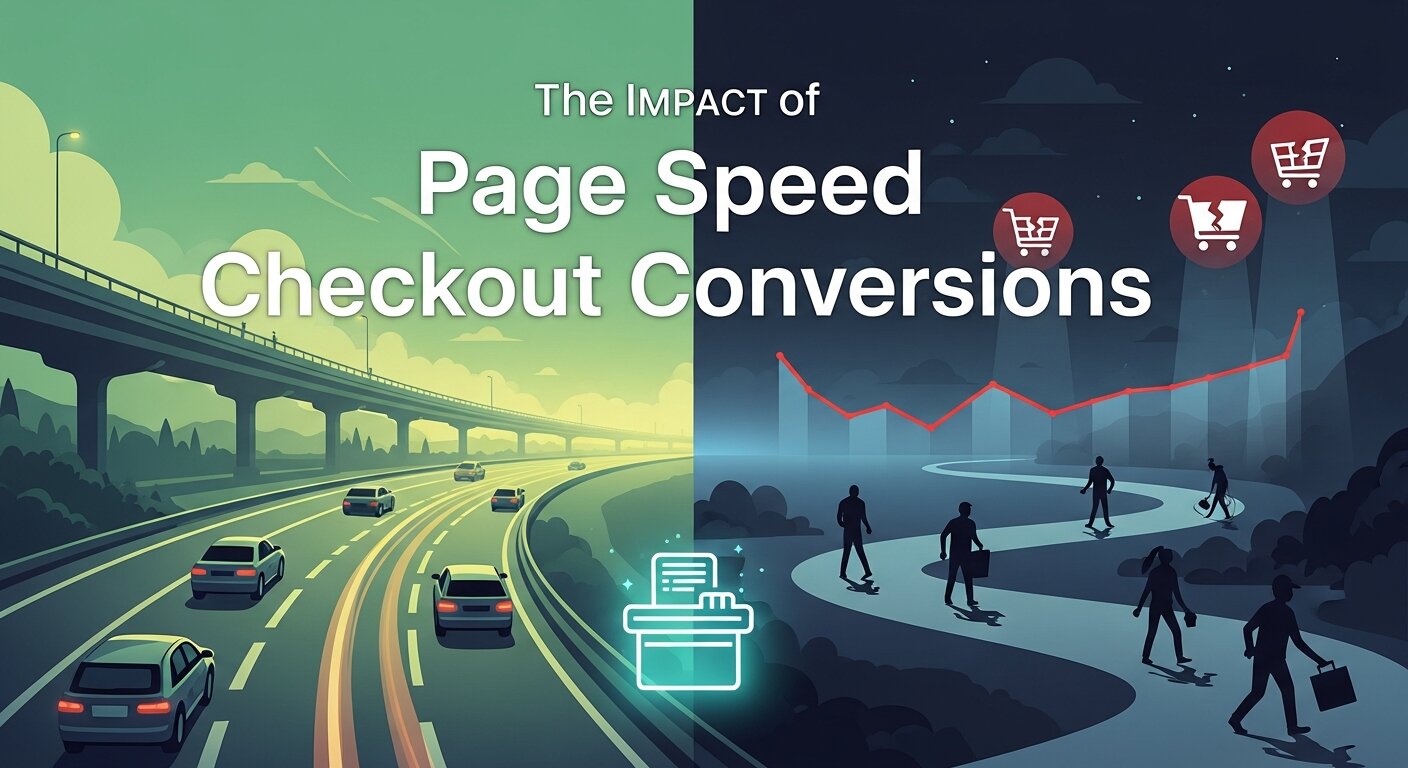 Page speed plays a crucial role in determining whether a customer completes a purchase or abandons their cart. Even a delay of a few seconds can significantly increase bounce rates and reduce trust in your website. During checkout, users expect a fast and seamless experience, especially when entering sensitive payment information. Slow-loading pages create frustration and uncertainty, making customers question the reliability of your store. Optimizing images, reducing unnecessary scripts, and using efficient hosting solutions can dramatically improve load times. A fast checkout not only enhances user experience but also directly boosts conversion rates by keeping customers engaged until the final step.
The Importance of Clear Call-to-Action (CTA) Design
Your checkout page should guide users effortlessly toward completing their purchase, and clear call-to-action (CTA) buttons play a vital role in this process. Buttons like “Place Order” or “Complete Purchase” must be highly visible, easy to understand, and strategically placed. Confusing or poorly designed CTAs can create hesitation, causing users to abandon the process. The wording should be direct and action-oriented, removing any ambiguity about what happens next. Additionally, using contrasting colors and sufficient spacing ensures that the CTA stands out on the page. A well-designed CTA reduces friction and helps users move confidently through the checkout process.
The Role of Progress Indicators in Checkout
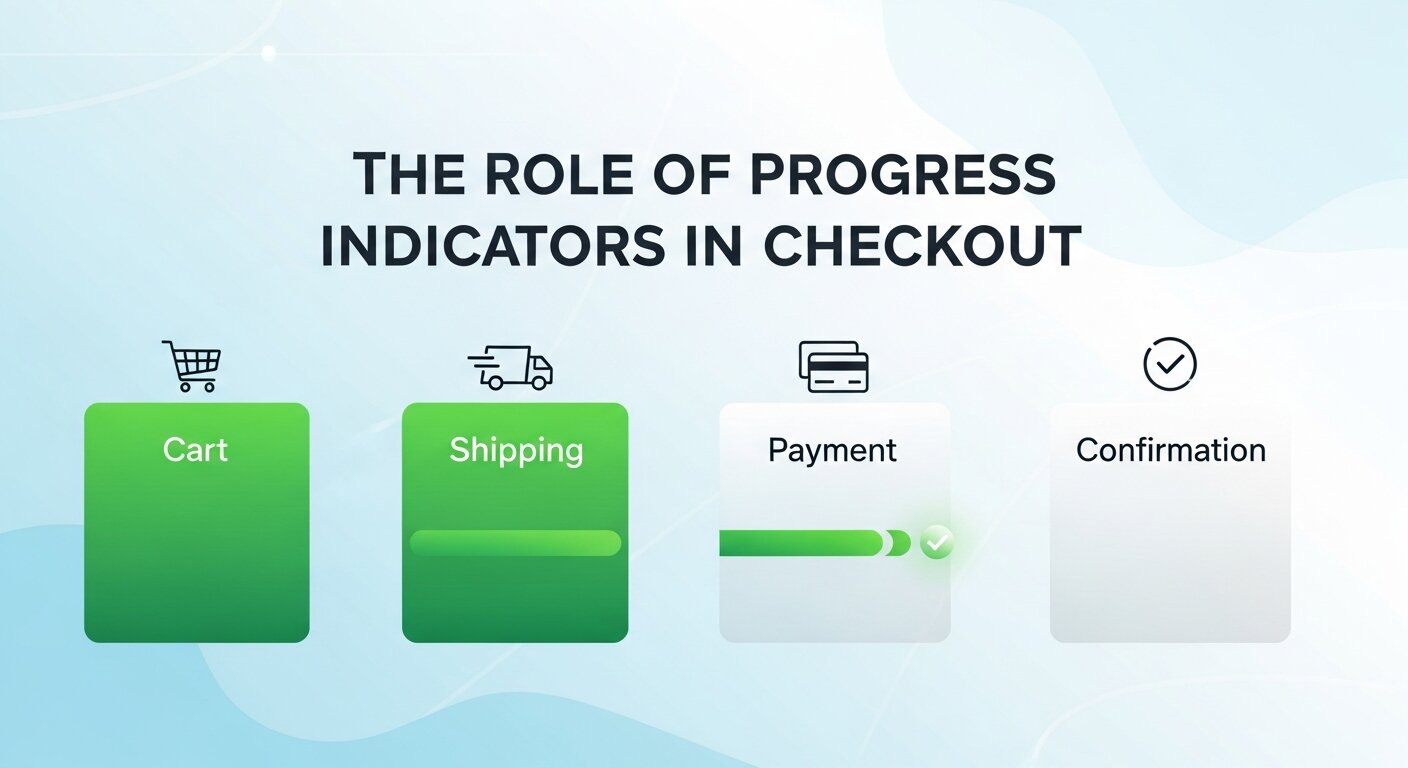 Progress indicators are powerful tools that help users understand how many steps remain in the checkout process. When customers know exactly where they are and what comes next, they feel more in control and less overwhelmed. This transparency reduces anxiety and encourages users to continue until completion. A simple progress bar or step-by-step indicator can make a multi-page checkout feel shorter and more manageable. It also sets clear expectations, preventing surprises that could lead to abandonment. By guiding users visually, progress indicators improve usability and create a smoother, more predictable checkout experience that supports higher conversion rates.
Personalization in the Checkout Experience
Personalization can significantly enhance the checkout experience by making it more relevant and user-friendly. Returning customers appreciate when their information, such as shipping addresses and payment methods, is saved securely for faster transactions. Personalized product recommendations or upsell offers during checkout can also increase order value without disrupting the flow. Additionally, displaying localized currency, language, and shipping options ensures a more comfortable experience for global users. By tailoring the checkout process to individual preferences, businesses can create a sense of familiarity and convenience. This level of customization not only improves satisfaction but also increases the likelihood of completed purchases.
The Importance of Error Handling and Validation
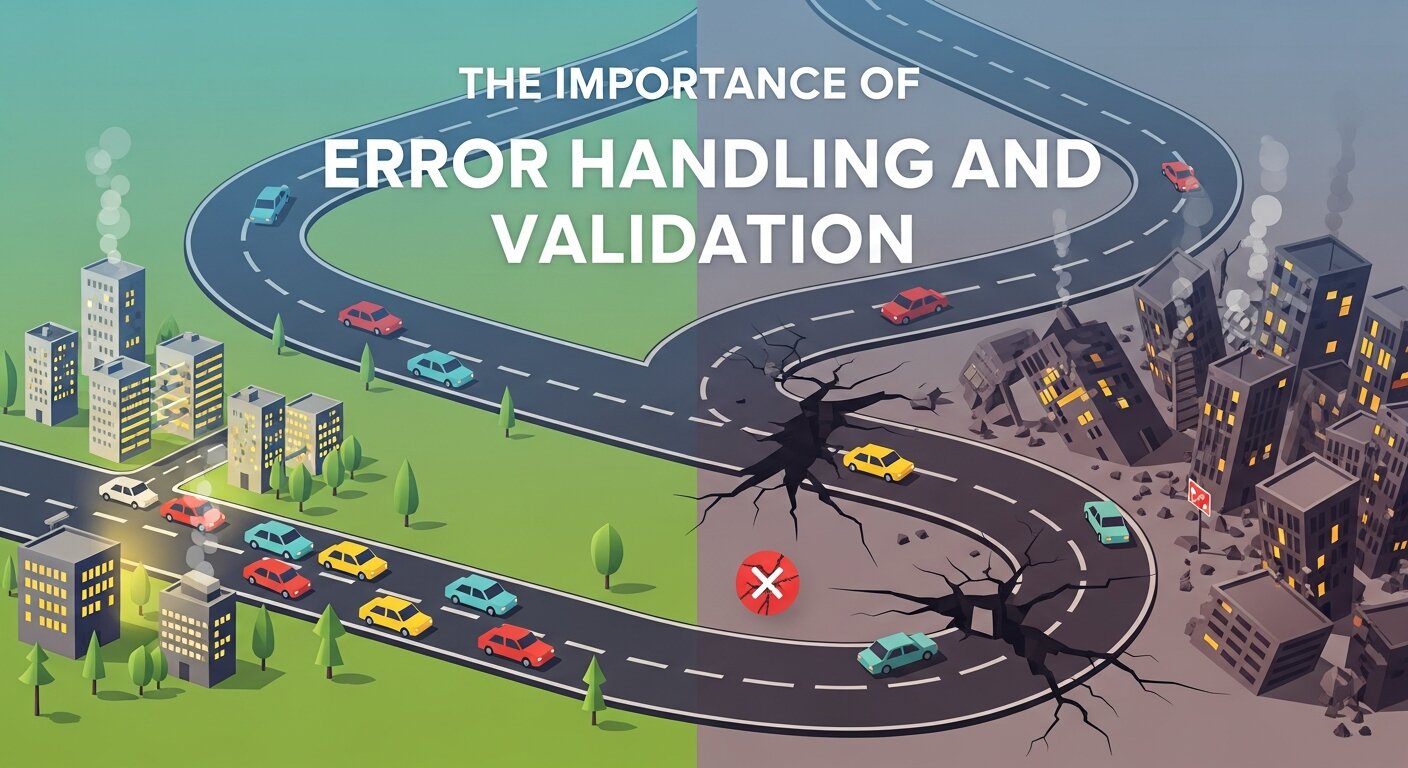 Errors during checkout can quickly frustrate users and lead to abandoned carts if not handled properly. Clear and immediate validation helps customers correct mistakes without confusion. For example, if a user enters an invalid email or credit card number, the system should provide a simple, specific message explaining the issue. Avoid generic error messages that leave users guessing what went wrong. Inline validation, which checks information as it is entered, can prevent problems before submission. Additionally, preserving user input when errors occur ensures they do not have to start over. Effective error handling creates a smoother experience and keeps users moving forward.
Leveraging Analytics to Optimize Checkout Performance
Data-driven decisions are essential for improving checkout conversion rates. Analytics tools allow you to track user behavior and identify where customers drop off during the checkout process. By analyzing metrics such as time spent on each step, exit rates, and device usage, you can uncover hidden friction points. Heatmaps and session recordings provide visual insights into how users interact with your checkout page. This information helps you test different layouts, simplify processes, and refine your strategy. Continuous monitoring and optimization ensure that your checkout remains efficient and aligned with user expectations, leading to consistent improvements in conversion rates.
Frequently Asked Questions About Checkout Optimization
What is checkout conversion rate optimization in ecommerce?
Checkout conversion rate optimization (CRO) is the process of improving the final steps of the buying journey to increase the percentage of users who complete a purchase. It focuses on reducing friction, simplifying the process, and building trust.
What is a good ecommerce checkout conversion rate?
A typical ecommerce conversion rate ranges from 2% to 3%. However, checkout-specific conversion (from cart to purchase) should ideally be 30% or higher, depending on your industry and audience.
Why do customers abandon their carts during checkout?
Common reasons include unexpected costs, complicated checkout processes, mandatory account creation, limited payment options, and lack of trust signals like security badges or clear policies.
How can I reduce cart abandonment?
You can reduce abandonment by offering guest checkout, being transparent about pricing, simplifying forms, adding trust badges, and ensuring a fast, mobile-friendly checkout experience.
Is guest checkout really important?
Yes, guest checkout removes friction for first-time buyers. Forcing account creation can drive users away, especially when they want a quick and hassle-free purchase.
How many steps should a checkout process have?
Ideally, a checkout process should have as few steps as possible. A single-page checkout often works best, but a multi-step checkout with a clear progress indicator can also perform well.
Which payment methods should I offer?
You should provide multiple payment options, including credit/debit cards, digital wallets (like PayPal), and buy-now-pay-later services. More choices increase the chances of conversion.
How important is mobile optimization for checkout?
Extremely important. A large portion of users shop via mobile devices, so your checkout must be fast, responsive, and easy to navigate on smaller screens.
Do trust signals really impact conversions?
Yes, trust signals like SSL certificates, secure payment icons, customer reviews, and return policies help reassure customers and significantly improve conversion rates.
How can I test and improve my checkout performance?
Use A/B testing to experiment with different layouts, form fields, and payment options. Analyze user behavior through tools like heatmaps and analytics to identify drop-off points and optimize accordingly.
Start Optimizing Your Store Today
Improving your checkout conversion rate is an ongoing process of testing, analyzing, and refining. You do not need to overhaul your entire website overnight. Start by implementing small changes, such as enabling guest checkout or removing unnecessary form fields, and measure the results.
Pay close attention to your analytics to see exactly where users are dropping off. By continuously smoothing out the friction points in your purchasing process, you will build a more profitable ecommerce business and create a vastly superior shopping experience for your customers.