
Conversion Opportunity Analysis is an essential strategy for businesses that want to turn more website visitors into customers, generate qualified leads, and improve overall marketing performance. Instead of relying on assumptions, businesses can analyze website behavior, identify conversion barriers, and discover opportunities to improve the customer experience.
This process helps organizations understand why visitors leave without taking action and which improvements may encourage them to complete a purchase, submit a form, or request a service. By combining Mobile optimization, Data-driven optimization, and customer journey optimization, businesses can develop a more effective conversion strategy. A structured analysis can also help marketing teams prioritize improvements, use resources efficiently, and support sustainable business growth.
What Is Conversion Opportunity Analysis?
Conversion Opportunity Analysis is the process of evaluating a website, landing page, marketing campaign, or sales funnel to identify opportunities for increasing desired user actions. These actions may include making a purchase, registering for a service, downloading a resource, booking a consultation, or subscribing to a newsletter. The analysis focuses on understanding existing performance and identifying practical improvements.
Businesses use website analytics, customer feedback, conversion reports, and user behavior data to discover where potential customers experience difficulties. For example, a product page may attract significant traffic but generate few purchases because its pricing information is unclear. Identifying and correcting such problems can help businesses improve conversion performance without necessarily increasing advertising expenditure.
Why Conversion Opportunities Matter
Conversion opportunities matter because attracting website traffic is only one part of digital marketing success. If visitors cannot find relevant information, understand an offer, or complete an action easily, marketing investments may produce disappointing results. Analyzing these opportunities helps businesses understand whether their websites and campaigns are meeting customer expectations.
Even small improvements can have meaningful effects when applied to pages receiving substantial traffic. A clearer call to action, a simpler checkout process, or more relevant content may encourage additional visitors to convert. However, businesses should measure each change carefully to determine whether it produces a genuine improvement.
Identify Conversion Gaps Across Your Website
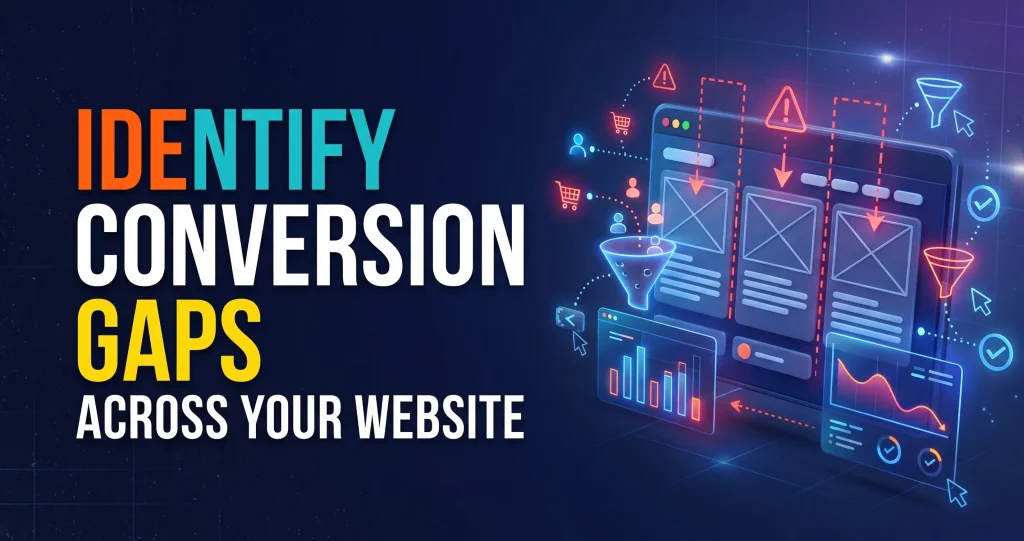 Conversion gaps occur when visitors show interest in a product, service, or offer but fail to complete the intended action. These gaps may result from confusing navigation, slow page loading, weak messaging, unexpected costs, or a lack of trust. Identifying them requires examining how users interact with different pages and where they abandon the conversion process.
Businesses should evaluate important website sections, including the homepage, product pages, service pages, landing pages, contact forms, and checkout screens. Comparing traffic and conversion performance across these areas can reveal where improvements may have the greatest impact. The objective is to understand the reasons behind weak performance rather than simply changing website elements without evidence.
Analyze Landing Page Performance
Landing pages often play a central role in converting visitors from paid advertisements, email campaigns, and organic search results. A successful landing page communicates a clear value proposition, addresses the audience’s needs, and provides a straightforward next step. When these elements are missing, visitors may leave before exploring the offer.
Businesses should examine whether the headline matches the original marketing message, the content explains the benefits, and the call to action is easy to find. Reviewing bounce patterns, engagement, form completion, and conversion rates can help identify weaknesses. Testing different headlines, layouts, and offers can then reveal which versions perform more effectively.
Evaluate Conversion Funnel Drop-Offs
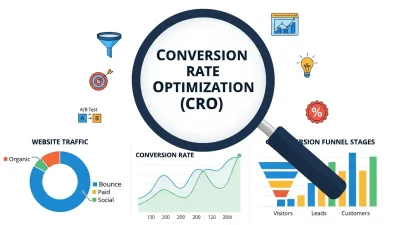
A conversion funnel represents the steps visitors take before completing a desired action. An online purchase funnel, for example, may include visiting a product page, adding an item to the cart, entering delivery details, and completing payment. When many users abandon one stage, that step may contain a barrier that deserves further investigation.
Businesses can compare the number of users entering and completing each stage to locate significant drop-offs. Unexpected shipping fees, lengthy forms, limited payment options, or unclear instructions may discourage customers. Addressing these problems can make the process easier and reduce unnecessary friction throughout the conversion funnel.
Use Data-driven optimization to Improve Conversions
Data-driven optimization uses measurable evidence to guide website improvements and marketing decisions. Rather than depending entirely on personal opinions, businesses examine analytics, conversion reports, customer interactions, and experiment results to determine what needs attention. This approach helps teams prioritize changes according to their likely business impact and evaluate whether those changes deliver measurable benefits.
Useful data may include conversion rate, click-through rate, form abandonment, average order value, customer acquisition cost, and revenue per visitor. No single metric explains the entire customer experience, so businesses should interpret several indicators together. Segmenting results by traffic source, device, location, or audience type can also reveal opportunities that broad averages may hide.
Track the Right Conversion Metrics
Selecting appropriate metrics is essential for meaningful conversion analysis. A business focused on lead generation may measure completed inquiry forms, qualified leads, and consultation bookings. An ecommerce company may prioritize purchases, checkout completion, average order value, and revenue generated from website sessions.
The conversion rate is commonly calculated by dividing the number of conversions by the number of eligible visitors or sessions, depending on the measurement method, and multiplying by 100. Businesses should use a consistent definition when comparing results over time. Monitoring both conversion volume and conversion quality helps prevent misleading conclusions about performance.
Conduct A/B Testing
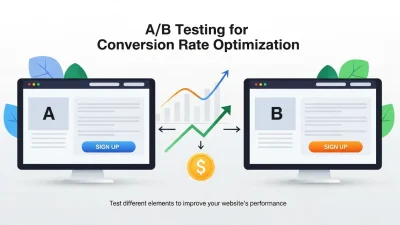
A/B testing compares two versions of a webpage or marketing element to determine which performs better against a defined objective. Businesses may test headlines, button text, page layouts, product descriptions, images, or form designs. Instead of assuming which version will work, teams use observed results to guide future improvements.
Effective testing requires a clear hypothesis, an appropriate success metric, and enough data to make a reasonable comparison. Changing several major elements simultaneously can make it difficult to determine which change caused the result. Businesses should also consider statistical uncertainty and avoid declaring a winner simply because one version performs better during a short period.
Improve Mobile optimization for Higher Conversions
 Mobile optimization is critical because many customers discover businesses, compare products, and complete transactions using smartphones. A website that works well on desktop computers may still create problems on smaller screens. Tiny buttons, difficult navigation, slow loading, and complicated checkout forms can prevent mobile visitors from completing their intended actions.
Businesses should examine conversion performance separately for mobile devices, tablets, and desktops. This comparison may reveal that mobile visitors engage with content but convert less frequently. Improving responsive layouts, simplifying navigation, and ensuring that important information remains visible can help reduce these barriers and create a more consistent experience across devices.
Improve Mobile Page Speed
Page speed affects how quickly visitors can access information and interact with a website. Slow-loading pages may frustrate users, particularly when they are browsing through mobile networks or using older devices. Businesses can investigate loading performance and identify large images, unnecessary scripts, inefficient code, or other technical problems that affect responsiveness.
Optimizing image sizes, reducing unnecessary scripts, using efficient caching, and improving hosting performance may help pages load faster. However, speed improvements should be measured alongside usability and conversion results. A technically faster page is valuable, but the ultimate objective is to help visitors access relevant information and complete actions without unnecessary delays.
Simplify Mobile Forms and Checkout
Forms and checkout pages should be designed for quick, clear interactions on smaller screens. Excessive fields, unclear error messages, difficult dropdowns, and inconvenient payment steps can cause visitors to abandon the process. Businesses should request only the information necessary to complete the transaction or respond to an inquiry.
Using readable labels, suitable input types, clear error guidance, and accessible buttons can improve usability. For ecommerce websites, displaying delivery costs, payment options, and return policies before the final step may also reduce uncertainty. Regular testing on different devices helps identify issues that automated tools or desktop reviews might overlook.
Strengthen customer journey optimization
Customer journey optimization focuses on improving the complete experience customers have while discovering, evaluating, purchasing, and using a product or service. Conversion problems may occur because of a single confusing webpage, but they can also result from inconsistencies between advertisements, website content, sales communication, and post-purchase support.
Businesses should map important customer touchpoints and understand what users need at each stage. First-time visitors may require educational content and trust signals, while returning visitors may need product comparisons, pricing details, or a simple purchase process. Aligning messages and experiences with customer needs can reduce friction and help users move confidently toward conversion.
Match Content to Customer Intent
Customers visit websites with different levels of awareness and purchase intent. Some are researching a problem, others are comparing solutions, and some are ready to buy. Providing the same message to every visitor may fail to answer the specific questions that influence their decisions.
Businesses can create content for different stages of the buying process. Educational articles can introduce a problem, comparison pages can explain available options, and detailed product or service pages can support purchase decisions. Relevant calls to action should guide visitors toward the next logical step rather than pushing every user to make an immediate purchase.
Build Trust Throughout the Journey
Trust plays an important role in conversion decisions, particularly when customers are unfamiliar with a business or need to share personal or payment information. Unclear policies, unsupported claims, outdated content, and missing contact details may create doubt and discourage users from proceeding.
Businesses can strengthen trust by providing accurate product information, transparent pricing, accessible customer support, clear privacy policies, and genuine customer reviews where appropriate. Security information should be presented accurately rather than using misleading assurances. Consistent communication across advertisements, landing pages, and follow-up messages also helps customers understand what to expect.
Prioritize Conversion Opportunities by Business Impact
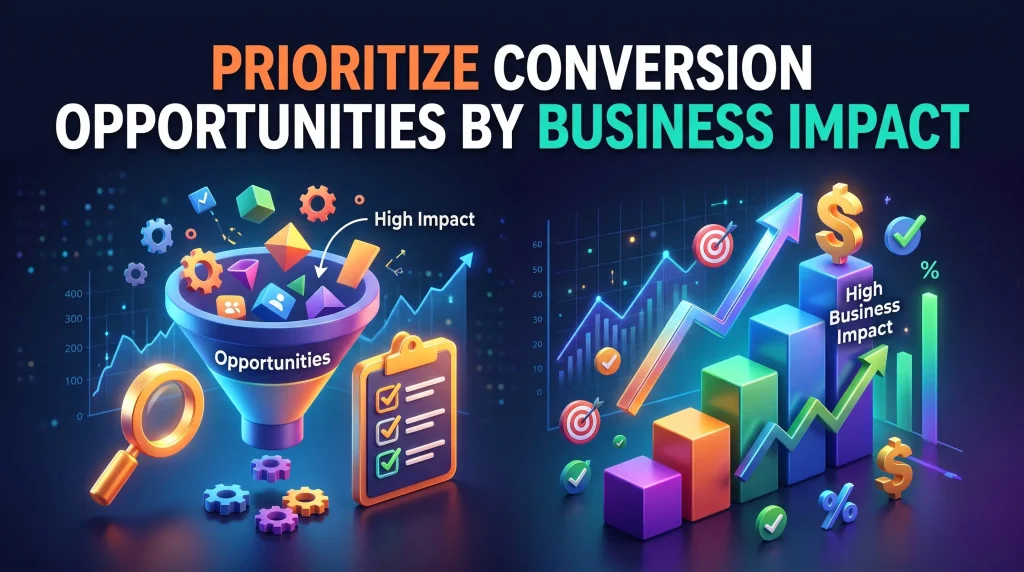 Not every website issue deserves immediate attention. Some improvements require substantial development work but may have limited influence on conversions, while others can address major customer frustrations with relatively little effort. Prioritizing opportunities allows businesses to direct their time, budget, and technical resources toward changes that are most likely to support their goals.
Teams can evaluate each opportunity according to its potential impact, implementation effort, confidence in the available evidence, and strategic importance. For example, fixing a broken checkout button may take priority over redesigning a decorative element. A structured evaluation process reduces wasted effort and makes conversion improvement more manageable.
Balance Quick Wins With Long-Term Improvements
Quick wins are changes that can be implemented relatively easily and may address obvious barriers. Examples include correcting broken links, improving unclear button labels, fixing form errors, or making essential contact information easier to find. These changes can improve usability without requiring a complete website redesign.
Long-term improvements may involve restructuring navigation, updating the technical platform, improving personalization, or redesigning the conversion funnel. Businesses should balance immediate fixes with broader strategic projects. Measuring the results of quick wins can also provide useful evidence for deciding which larger investments deserve attention.
Common Conversion Opportunity Analysis Mistakes
Conversion Opportunity Analysis becomes less effective when businesses rely on incomplete data, focus on vanity metrics, or make changes without clear objectives. A rise in website traffic does not necessarily mean revenue or lead quality has improved. Similarly, a higher conversion rate may not represent business success if the new conversions produce few qualified leads or low-value purchases.
Another common mistake is copying competitors without considering differences in audience, pricing, brand positioning, or customer needs. Businesses should use competitor research to generate ideas, not as a substitute for understanding their own customers. They should also avoid making major decisions from short-term fluctuations or small samples that may not represent normal user behavior.
Establish a Continuous Improvement Process
Conversion optimization should be treated as an ongoing process rather than a one-time website project. Customer expectations, market conditions, devices, and product offerings change over time. A page that performs well today may need further improvement as audience behavior and business priorities evolve.
Businesses can establish a regular review cycle that includes measuring performance, identifying problems, prioritizing opportunities, testing changes, and documenting results. Keeping a record of experiments and decisions helps teams understand what worked and what did not. This continuous process supports more consistent decision-making and helps businesses adapt their conversion strategies as new evidence becomes available.
Conclusion
Conversion Opportunity Analysis helps businesses identify the barriers preventing website visitors from becoming customers and discover practical ways to improve performance. By analyzing conversion funnels, tracking meaningful metrics, testing page elements, and prioritizing high-impact improvements, organizations can make more informed decisions about their digital marketing activities.
Combining Mobile optimization, Data-driven optimization, and customer journey optimization creates a more complete approach to improving conversions. Businesses should also prioritize trust, usability, and accurate measurement instead of relying on assumptions or chasing short-term gains. With consistent analysis and testing, conversion improvements can support stronger customer experiences, more efficient marketing, and sustainable business growth.
Frequently Asked Questions
1. What is Conversion Opportunity Analysis?
Conversion Opportunity Analysis is the process of examining website performance and user behavior to identify changes that may increase purchases, leads, registrations, or other desired actions. It helps businesses locate conversion barriers and prioritize practical improvements.
2. Why is Conversion Opportunity Analysis important for business growth?
It helps businesses make better use of existing traffic by identifying why visitors do not convert. Addressing these issues may improve lead generation, sales performance, customer experience, and the efficiency of marketing investments.
3. Which metrics are useful for conversion analysis?
Useful metrics include conversion rate, click-through rate, form completion, checkout abandonment, average order value, and customer acquisition cost. The most relevant metrics depend on the business model and the specific conversion goal.
4. How does mobile optimization improve conversions?
Mobile optimization makes websites easier to use on smartphones and tablets. Responsive layouts, faster loading, readable content, and simpler forms can reduce friction and help mobile visitors complete desired actions.
5. What is data-driven optimization?
Data-driven optimization uses analytics, customer behavior, and experiment results to guide website improvements. It helps businesses test ideas, evaluate performance, and make decisions based on evidence rather than assumptions.
6. How does customer journey optimization support conversions?
Customer journey optimization improves the experience across different customer touchpoints. By providing relevant information, consistent messaging, and clear next steps, businesses can help customers move from initial awareness toward a purchase or inquiry.
7. What is the role of A/B testing in conversion analysis?
A/B testing compares two versions of a webpage or marketing element against a defined objective. It helps businesses determine which version performs better when the test is designed and interpreted appropriately.
8. How often should businesses conduct conversion opportunity analysis?
Businesses should monitor conversion performance regularly and conduct deeper reviews according to their traffic levels, campaign activity, and available resources. Major website changes or noticeable performance declines may also justify an additional analysis.
9. Can small businesses benefit from conversion opportunity analysis?
Yes. Small businesses can begin by reviewing their landing pages, contact forms, mobile usability, and basic analytics. Fixing clear problems and testing simple improvements can help them make better use of limited marketing budgets.
10. How can businesses prioritize conversion opportunities?
Businesses can compare potential impact, implementation effort, confidence in the evidence, and strategic importance. Fixing major usability problems often deserves priority, while more complex changes can be tested and scheduled according to their expected value.