

Behavioral psychology boosts conversions by aligning your website with how people naturally think. Using principles like social proof, reciprocity, scarcity, and cognitive ease, brands can reduce friction, build trust, and guide users toward action ethically—creating smoother experiences and long-term growth.
In today’s competitive digital landscape, simply driving traffic to your website isn’t enough. Even a high volume of visitors can leave you scratching your head when conversions remain low. That’s where behavioral psychology comes in. By understanding the mental shortcuts, biases, and emotional triggers that shape user decisions, you can craft an online experience that gently nudges prospects toward your desired outcome. In this article, we explore how you can leverage core psychological principles—from social proof to cognitive ease—to design and optimize every step of your customer journey for maximum conversion rate optimization (CRO).
Understanding User Decision-Making Processes
Before implementing tactics, it’s critical to grasp how users make decisions online. Most visitors don’t engage in long, rational analysis; rather, they rely on mental shortcuts called heuristics. These allow rapid judgments based on limited information. While heuristics speed up decision-making, they also introduce biases that you can ethically harness. Anchoring, framing, and loss aversion are just a few examples of biases that influence which offers appear more appealing. By mapping your user journey and identifying key decision points, you can apply targeted psychological interventions that align with users’ natural thought processes and lead them smoothly toward conversion.

Key Psychological Principles
1. Social Proof
Humans are social creatures hardwired to follow the actions of others, especially under uncertainty. Displaying customer testimonials, star ratings, trust badges, or user-generated photos provides real-world validation. Even small cues, like showing recent purchases in real time, can trigger a herd mentality that accelerates decision-making. For a deeper dive into CRO tactics using social proof, see Behavioral CRO: 7 Triggers to Boost Conversions.
2. Reciprocity
Reciprocity describes our innate impulse to return favors. Offering a free resource—whether it’s an ebook, discount code, or trial—builds goodwill that motivates users to reciprocate by subscribing, purchasing, or upgrading. The key is to provide genuine value upfront without overwhelming your homepage. A strategically placed, time-limited freebie can unlock the doors to deeper engagement and stronger brand loyalty.
3. Scarcity
Scarcity taps into the fear of missing out (FOMO). Limited-time offers, countdown timers, and low-stock notifications all heighten urgency and prompt faster action. Use real deadlines or actual inventory counts to create a genuine sense of urgency that aligns with your brand ethos. Tools that help with conversion optimization can further enhance scarcity effectiveness; see Best CRO Tools for Affiliates to Boost Conversions.
4. Anchoring
Anchoring occurs when an initial reference point shapes subsequent judgments. For instance, displaying your highest-tier plan first sets a premium context, making mid-tier options appear more affordable. Offering multiple price points side by side leverages anchoring to guide users toward the package you want them to choose. Carefully craft your pricing table so that the ‘best value’ option stands out visually and contextually. Anchoring decisions can be strengthened using insights from why data-driven marketing is a game-changer, allowing data to set contextual benchmarks.
Designing for Cognitive Ease
Cognitive ease refers to the effort required to process information. The simpler and more familiar your interface, the more users trust your brand and the faster they take action. Clean layouts, clear typography, consistent branding, and a well-structured hierarchy all contribute to a frictionless experience. Avoid clutter, use bullet points to break up text, and highlight calls to action (CTAs) with contrasting colors. Each element on the page should work in harmony to reduce mental load and expedite the conversion decision. For advanced CRO design strategies, see Conversion Optimization: Boost Results.

Personalization and Micro-Segmenting
Generic messaging appeals to no one. By segmenting your audience based on demographics, behavior, or past interactions, you can deliver tailored offers that resonate on a personal level. Dynamic content—such as greeting returning visitors by name, showing location-based promotions, or recommending products aligned with browsing history—increases relevance and taps into the psychological principle of self-reference effect. The more you mirror users’ real needs and preferences, the stronger the emotional connection and conversion incentive.
A/B Testing Behavioral Triggers
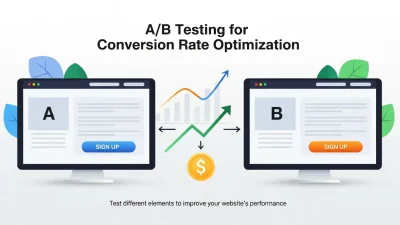
No single psychological tactic works universally. A/B testing allows you to validate which triggers resonate best with your audience. Test variations in headline phrasing, button copy that emphasizes reciprocity or scarcity, testimonial formats, and price presentations. Use micro-conversion tracking—such as clicks on CTAs, time spent on key sections, or form field interactions—to gather granular insights. Data-driven experimentation ensures you invest in the highest-impact strategies rather than conjecture.
Optimize Your Funnel at Each Stage
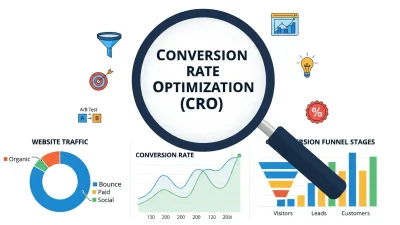
Psychological levers can be applied from the top of the funnel to the final checkout page. In awareness stages, use social proof and relatable stories to build credibility. In consideration, emphasize reciprocity through downloadable guides or free demos. At decision points, introduce scarcity and anchoring to tip the scales. Post-purchase, incorporate follow-up surveys and loyalty incentives to reinforce positive associations. Treat your funnel as a continuum where each touchpoint primes the user for the next step.
Measuring Psychological Impact with Analytics
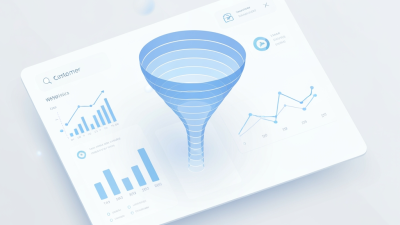
Quantifying the effect of psychological optimizations requires robust analytics. Beyond conversion rate, track engagement metrics like click-through rates, scroll depth, heatmaps, and session recordings. Funnel visualization tools reveal where users drop off, helping you isolate friction points or missed opportunities for behavioral triggers. Combine quantitative data with qualitative feedback—surveys and user interviews—to understand not just what happened, but why it happened. This holistic approach ensures you refine strategies based on solid evidence rather than assumptions.

Case Studies: Real-World Success
Consider an ecommerce brand that added low-stock notifications and saw cart abandonment rates drop by 18 percent, thanks to genuine scarcity cues. Another software provider implemented social proof widgets displaying live user counts, resulting in a 25 percent lift in free-trial signups. A B2B service provider reorganized its pricing table with anchoring principles—first showing a premium tier—boosting mid-tier purchases by 30 percent. These examples illustrate how small, psychology-driven tweaks can deliver measurable uplifts across industries.
Emotional Triggers That Influence Online Conversions
While rational thinking plays a role in how users behave online, emotions often take the lead. Every color, every sentence, and every interaction on your website sparks an emotional response that can either pull users deeper into your funnel or push them away. Positive emotions such as trust, excitement, and curiosity encourage exploration and increase the likelihood of conversions. That’s why brands that use warm color palettes, conversational copy, and relatable visuals generally perform better. At the same time, emotional triggers like the fear of missing out or the desire to belong can be carefully and ethically woven into design and messaging. Whether through storytelling, brand personality, or subtle cues in your layout, tapping into human emotion helps shape how users perceive your product and influences the choices they make.
The Role of UX Psychology in Reducing Friction
Great design isn’t just about aesthetics—it’s about understanding how users think and removing unnecessary barriers from their journey. UX psychology focuses on how layout, spacing, visual hierarchy, and micro-interactions affect user behavior. When your website reduces mental effort, decisions feel lighter and more intuitive. Concepts like Hick’s Law show that when users are presented with fewer choices, they decide faster. Meanwhile, Fitts’s Law reveals that larger, more accessible buttons naturally encourage clicks. Even the Zeigarnik Effect plays a role: when users see progress bars or partially completed tasks, they feel compelled to finish what they started. By applying these psychological design principles, you create a seamless experience where users know exactly what to do next—without feeling overwhelmed or confused.
Trust-Building Elements That Reduce Purchase Anxiety

Trust sits at the heart of every online transaction. When visitors reach your site, they bring natural doubts—Is this safe? Will the product work? What if something goes wrong? To reduce this anxiety, your website must feel dependable from the first interaction. Trust elements like secure payment badges, transparent refund policies, customer success stories, editorial reviews, and brand partnerships help legitimize your brand. Even small details, such as consistent branding and high-quality images, reassure visitors that you’re credible. When users feel safe, they’re more willing to share information, sign up, or make a purchase. Reducing risk isn’t about convincing—it’s about clearly showing that your brand stands behind its promises.
Cognitive Biases That Influence Buyer Behavior
Online decisions are rarely objective. Cognitive biases—mental tendencies that shape human reasoning—impact how users evaluate products, interpret information, and respond to offers. The Decoy Effect, for example, subtly guides users toward a preferred pricing tier by introducing a less appealing alternative. The Endowment Effect shows why free trials and product demos are so powerful—when users feel a sense of ownership, even temporarily, they become far more likely to convert. There’s also the Commitment and Consistency principle: once someone takes a small action, such as signing up for a newsletter or engaging with an interactive quiz, they’re more likely to follow through with larger commitments. By understanding these natural tendencies, you can design experiences that align with how the brain actually works, rather than how we wish it worked.
Psychology-Based Copywriting Techniques
Words shape perception. The way you structure your sentences, choose your vocabulary, and present your message greatly influences how users respond. Psychology-based copywriting uses emotional language, power words, and story-driven narratives to create connection and clarity. Instead of focusing solely on product features, effective copy highlights transformation, ease, and personal benefit. Users are more persuaded when they feel understood, so mirroring their language—using the same words they use to describe their pain points—creates instant rapport. Curiosity-driven headlines encourage clicks by promising valuable insights without revealing everything upfront. When copy is written with cognitive ease in mind, users feel confident, motivated, and supported during their decision-making process.
Behavioral Email Marketing for Post-Click Optimization
The psychological journey doesn’t end after visitors leave your website. Email marketing powered by behavioral triggers continues nurturing prospects long after the first click. When users abandon their carts, timely follow-up emails remind them of what they’re missing—often strengthened by subtle scarcity or reassurance. Welcome sequences use reciprocity by offering helpful resources that encourage long-term engagement. Personalized promotions based on browsing history show users that you recognize their individual preferences. Even simple thank-you messages reinforce positive feelings after a purchase, increasing repeat buying behavior. By aligning your email strategy with behavioral insights, you create a consistent psychological experience that keeps users engaged beyond the initial visit.
Ethical Considerations When Using Psychology in Marketing
As powerful as psychological tactics are, they must be used responsibly. There’s a fine line between persuasion and manipulation, and modern users are smart enough to spot dishonest strategies. Fake countdown timers, artificially inflated stock numbers, or misleading claims can quickly destroy brand trust. Ethical marketing embraces transparency, honesty, and user empowerment. When psychological principles are used to clarify options, reduce confusion, or help people make better decisions, they become tools for improving user experience—not exploiting vulnerabilities. Brands that respect their audience’s autonomy tend to build stronger long-term relationships and experience higher customer lifetime value.
A Psychology-Based Conversion Optimization Checklist
Before you finalize your website or landing page, walking through a psychological checklist can help identify missed opportunities. You should evaluate whether your messaging instantly communicates value or if it forces visitors to think too hard. Check whether your calls to action stand out visually and emotionally. Examine the structure of your page to ensure it flows naturally and guides users from interest to action without friction. Look for moments where trust may be weak or where emotional triggers could support conversions. A checklist created with these principles in mind ensures consistency and maximizes the psychological effectiveness of every touchpoint.
Conclusion and Next Steps
Behavioral psychology offers a powerful toolkit for conversion rate optimization. By tapping into social proof, reciprocity, scarcity, and cognitive ease, you can craft experiences that align with users’ natural decision-making processes. Begin by auditing your current funnel, pinpoint friction points, and prioritize experiments around the principles outlined above. Implement A/B tests, collect data, and iterate quickly. Over time, these evidence-based refinements will compound, delivering sustainable uplifts in conversion rates and driving long-term business growth.
Ready to unlock the full potential of behavioral psychology in your CRO strategy? Start small, measure meticulously, and watch as each psychological insight transforms browsers into loyal customers.
Frequently Asked Questions (FAQ)
How does behavioral psychology improve CRO?
Behavioral psychology reveals why users behave the way they do online—why they click certain buttons, abandon carts, trust some pages more than others, and respond strongly to specific offers. When you understand the emotions and biases behind these decisions, you can design a user journey that aligns naturally with their thinking. This reduces friction, builds trust, and makes conversions feel effortless rather than forced.
Is using psychological triggers manipulative?
Not when done ethically. The purpose of psychological design is to make the user experience smoother and more intuitive. As long as your tactics are honest and transparent—such as showing real stock numbers or offering genuine value—they enhance user experience rather than deceive. Problems arise only when brands misuse these principles to pressure or trick users.
Do psychological tactics work for small websites or only big brands?
Small websites often experience the biggest improvements, because even minor enhancements—such as clearer CTAs or authentic testimonials—can dramatically increase engagement. You don’t need large budgets or advanced tools to use psychology; you simply need to understand your users’ motivations.
What psychological principle is most effective for boosting conversions?
Social proof tends to have the strongest universal impact because users look for validation when making decisions. However, the most effective principle varies depending on your audience and product. That’s why testing is essential—what works for one niche may not work for another.
How do I measure the impact of psychological changes?
Use behavioral analytics, A/B testing, heatmaps, and funnel insights to track how users interact with each change you implement. Pay attention not just to conversion rate but also to micro-behaviors such as hover patterns, scroll depth, and CTA engagement. These metrics help you understand the emotional and cognitive reactions behind the numbers.