
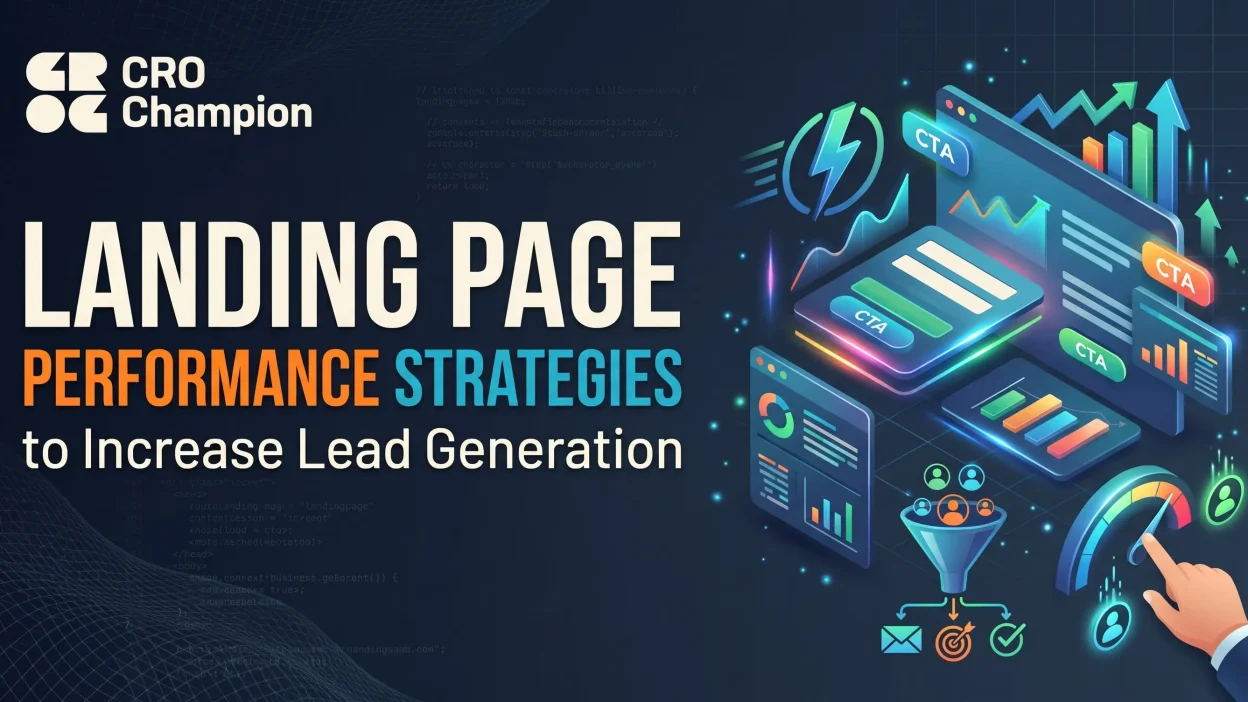
Landing Page Performance plays a crucial role in turning website visitors into qualified leads. A well-designed landing page helps businesses communicate their value, build trust, and encourage visitors to take meaningful actions, such as completing a contact form, booking a consultation, or requesting a service quote. However, even a visually appealing landing page can fail to generate leads when it loads slowly, contains unclear messaging, or creates unnecessary obstacles for users.
Businesses need a structured approach to improve page speed, simplify navigation, strengthen calls to action, and understand visitor behavior. Combining a reliable Conversion Optimization Strategy with accurate Conversion tracking and effective customer journey optimization helps businesses identify weaknesses and improve results. By focusing on user needs and measurable performance indicators, companies can create landing pages that attract attention, encourage engagement, and generate more valuable leads.
Understanding Landing Page Performance
Landing Page Performance measures how effectively a landing page delivers a positive user experience and achieves its intended business goals. Important factors include loading speed, content relevance, mobile usability, visual clarity, and conversion rate. Evaluating these elements helps businesses understand why visitors engage with a page or leave without completing the desired action.
Key Metrics That Influence Lead Generation
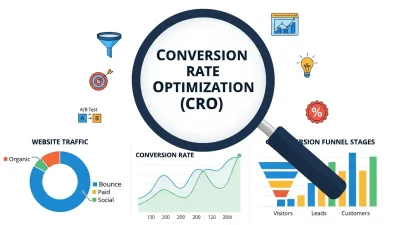
Page conversion rate is one of the most important performance indicators because it shows the percentage of visitors who complete a desired action. Other useful metrics include bounce or engagement rates, form completion rates, page load time, and cost per lead. Examining these measurements together provides a clearer picture of performance and helps businesses prioritize improvements that support sustainable lead generation.
Improve Page Speed and Technical Performance
 Page speed directly influences how visitors experience a landing page. Slow-loading content can discourage potential customers before they understand the offer, particularly when they access the page through mobile devices or unreliable internet connections. Improving technical performance creates a smoother experience, reduces unnecessary friction, and helps businesses retain visitors who may otherwise abandon the page.
Optimize Images, Scripts, and Hosting
Large images, unnecessary JavaScript, excessive third-party scripts, and inefficient hosting can increase loading times. Businesses should compress images, use modern image formats, enable browser caching, and minimize unnecessary code. A content delivery network can also help deliver resources efficiently to users in different locations. Tools such as Google PageSpeed Insights can identify technical issues and recommend improvements.
Prioritize Mobile Responsiveness
A responsive landing page adapts its layout, text, images, and forms to different screen sizes. Mobile visitors should be able to read important information, understand the offer, and complete forms without zooming or excessive scrolling. Clear buttons, readable typography, and properly spaced interactive elements make mobile experiences more convenient. Testing across common devices helps ensure that technical improvements translate into practical usability benefits.
Build a Conversion Optimization Strategy
An effective Conversion Optimization Strategy focuses on understanding visitor needs and removing barriers that prevent conversions. Instead of redesigning a landing page based on assumptions, businesses should examine user behavior, identify performance weaknesses, and test specific changes. This structured approach makes optimization more measurable and helps marketing teams improve lead generation without relying exclusively on increasing advertising budgets.
Create Clear and Compelling Headlines
The headline should immediately explain what the business offers and why the visitor should care. Specific, benefit-driven messaging helps users understand the value of continuing. Supporting text should clarify the service, explain the main advantage, and address a relevant customer problem. When the headline matches the advertisement or search result that brought the visitor to the page, the experience feels consistent and trustworthy.
Strengthen Calls to Action
A call to action should clearly communicate the next step. Phrases such as “Request a Free Consultation” or “Get Your Custom Quote” explain what visitors can expect after clicking. The primary CTA should stand out visually without overwhelming the page. Businesses should also ensure that the destination matches the promise, so visitors do not encounter unexpected requirements or irrelevant information after taking action.
Simplify Forms to Increase Lead Conversions
Landing page forms often determine whether an interested visitor becomes a lead. Forms that request too much information can discourage completion, especially when visitors are unfamiliar with the business. A well-designed form collects the information needed for an appropriate follow-up while keeping the process straightforward. Businesses should evaluate every field and remove questions that do not support lead qualification or immediate service delivery.
Balance Form Length and Lead Quality
Short forms can increase completion rates because they require less effort. However, collecting too little information may make it difficult for sales teams to identify suitable prospects. Businesses should balance convenience with qualification needs by requesting essential details, such as a name, business email, or service requirement. Progressive profiling can collect additional information later, allowing the initial conversion experience to remain simple.
Build Trust Around Form Submission
Visitors may hesitate to share personal information if they are uncertain about how it will be used. A brief privacy explanation, recognizable trust signals, and transparent expectations can reduce this concern. Businesses should communicate what happens after submission, such as receiving a confirmation email or a scheduled consultation. Clear error messages and confirmation screens also help visitors complete the process confidently.
Use Conversion Tracking to Measure Results
 Conversion tracking helps businesses understand which landing pages, traffic sources, campaigns, and user interactions produce meaningful results. Without accurate measurement, teams may mistake increased traffic for improved performance even when lead quality remains low. A reliable tracking system connects marketing activities with actual outcomes, making it easier to evaluate campaign effectiveness and identify opportunities for more efficient lead generation.
Track Meaningful Conversion Events
Businesses should define conversions according to their goals, including successful form submissions, consultation bookings, qualified phone calls, or completed quote requests. Tools such as Google Analytics 4 and Google Tag Manager can support event measurement when configured correctly. Teams should verify that events fire at the appropriate time, avoid duplicate counting, and distinguish successful submissions from button clicks that do not result in a completed conversion.
Connect Analytics With Lead Quality
The number of leads generated does not always reflect business success. Some inquiries may be irrelevant, incomplete, or unlikely to become customers. Connecting analytics with a customer relationship management system can help businesses evaluate lead quality, sales opportunities, and eventual revenue. This approach supports more informed decisions about campaign spending and reveals which landing page experiences attract visitors who are more likely to convert.
Improve Customer Journey Optimization
Effective customer journey optimization ensures that the landing page matches the visitor’s needs, expectations, and stage in the buying process. Someone researching a problem may need educational information, while a visitor comparing service providers may want pricing, testimonials, or a consultation. Aligning page content with visitor intent creates a more relevant experience and helps potential customers move naturally toward the next step.
Match Landing Pages to Traffic Sources
Visitors arriving from paid advertisements, organic search, email campaigns, and social media may have different expectations. A dedicated landing page should reflect the message, offer, and intent associated with its traffic source. For example, an advertisement promoting a specific service should direct visitors to a page that explains that service rather than a generic homepage. Consistency reduces confusion and supports stronger engagement.
Use Personalization and Relevant Content
Relevant content can improve the visitor experience by addressing specific industries, service needs, or customer challenges. Businesses can develop separate landing pages for different audience segments when meaningful differences exist between their needs. Testimonials, case studies, and supporting information should relate to the offer being promoted. Personalization should remain useful and transparent, avoiding intrusive techniques that could undermine visitor trust.
Test and Refine Landing Page Elements
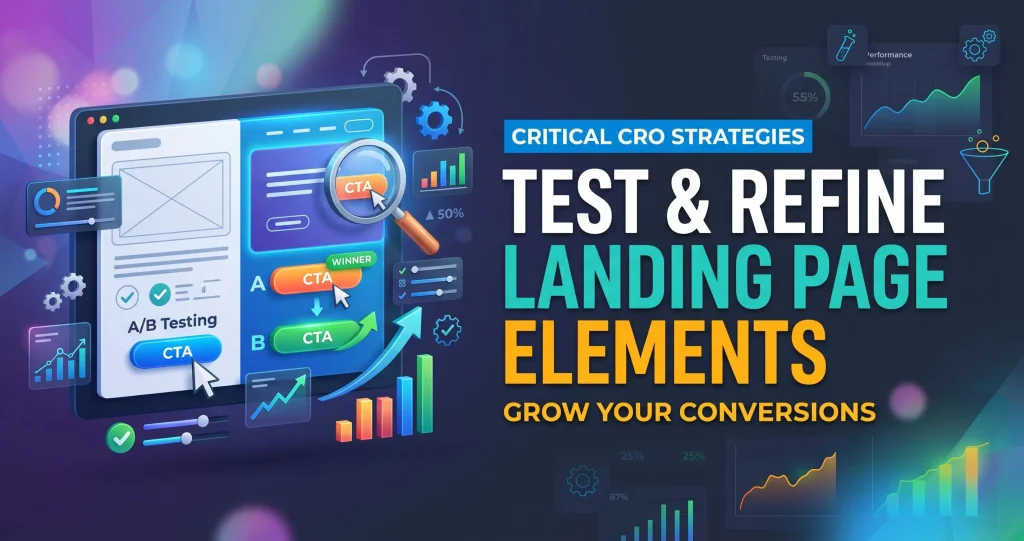 Continuous testing helps businesses determine which changes genuinely improve Landing Page Performance. Instead of assuming that a particular color, headline, or layout will generate more leads, marketers can compare alternative versions and measure their outcomes. A disciplined testing process encourages evidence-based decisions and prevents teams from making major changes based solely on personal preferences or isolated observations.
Conduct A/B Testing
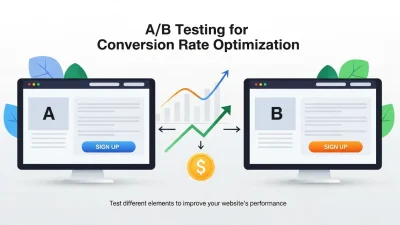
A/B testing compares two versions of a page or a specific element to determine which performs better against a defined goal. Businesses might test alternative headlines, CTA wording, form lengths, or testimonial placements. Each experiment should have a clear hypothesis, a primary conversion metric, and enough relevant data to support a reasonable conclusion. Testing one major variable at a time can make results easier to interpret.
Review Results and Implement Improvements
Testing should be part of an ongoing optimization cycle rather than a one-time activity. Teams should review conversion rates, lead quality, device performance, and traffic sources to understand whether an improvement benefits the overall business. Once a variation demonstrates a reliable advantage, it can be implemented and monitored. Further experiments can then address remaining friction points and support continued growth.
Conclusion
Improving Landing Page Performance requires a combination of technical efficiency, persuasive messaging, user-focused design, and reliable measurement. Businesses can increase lead generation by improving page speed, simplifying forms, strengthening calls to action, and aligning content with visitor intent. A well-planned Conversion Optimization Strategy helps prioritize changes, while Conversion tracking reveals which efforts produce meaningful results. At the same time, customer journey optimization ensures that each landing page supports the visitor’s needs and expectations.
Rather than treating optimization as a one-time project, businesses should continuously measure results, test improvements, and learn from user behavior. This consistent approach creates a better experience for potential customers while helping marketing teams generate more qualified leads and achieve stronger long-term performance.
Frequently Asked Questions
1. What Is Landing Page Performance?
Landing Page Performance describes how effectively a landing page loads, engages visitors, communicates value, and encourages actions such as form submissions or consultation bookings. It is evaluated through metrics such as conversion rate, page speed, engagement, and lead quality.
2. Why Is Landing Page Performance Important for Lead Generation?
A high-performing landing page makes it easier for visitors to understand an offer and complete the desired action. Better speed, clearer messaging, and simpler forms can reduce friction and improve the likelihood of generating qualified leads.
3. How Can I Improve My Landing Page Conversion Rate?
Improve your headline, clarify the value proposition, strengthen the call to action, simplify forms, and address visitor concerns with relevant trust signals. Use analytics and controlled testing to determine which changes deliver measurable improvements.
4. What Is a Conversion Optimization Strategy?
A Conversion Optimization Strategy is a structured process for identifying barriers to conversion and improving the user experience. It typically involves analyzing performance data, testing page elements, and implementing changes that help more visitors complete desired actions.
5. How Does Conversion Tracking Help Landing Pages?
Conversion tracking records important actions, such as successful form submissions or consultation bookings. It helps businesses identify effective campaigns, measure conversion rates, understand user behavior, and allocate marketing budgets more efficiently.
6. What Tools Can Measure Landing Page Performance?
Google Analytics 4 can measure user interactions and conversion events, while Google PageSpeed Insights evaluates page speed and technical performance. Google Tag Manager can help manage tracking tags, and heatmap tools can provide additional insights into user interactions.
7. How Does Customer Journey Optimization Improve Conversions?
Customer journey optimization aligns page content and calls to action with visitors’ needs at different buying stages. Providing relevant information at the right time helps reduce confusion, build trust, and encourage potential customers to take the next step.
8. Should Landing Pages Be Designed for Mobile Users?
Yes. Mobile-friendly landing pages provide readable content, accessible buttons, responsive layouts, and easy-to-complete forms. Since visitors may access pages from different devices, responsive design is essential for delivering a consistent user experience.
9. How Often Should I Test My Landing Page?
Review performance regularly and run experiments whenever you have a clear hypothesis and enough traffic to evaluate results. Testing frequency depends on traffic volume, conversion frequency, and business goals. Avoid making conclusions from insufficient data.
10. What Is a Good Landing Page Conversion Rate?
There is no universal conversion rate that applies to every landing page. Results vary by industry, offer, traffic source, audience, and conversion definition. Businesses should establish a baseline, compare performance with relevant benchmarks, and prioritize improvements in qualified leads and business outcomes.