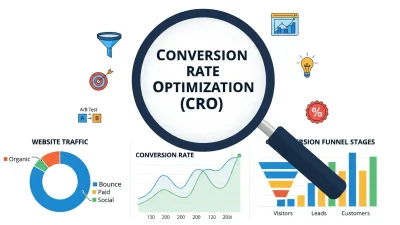

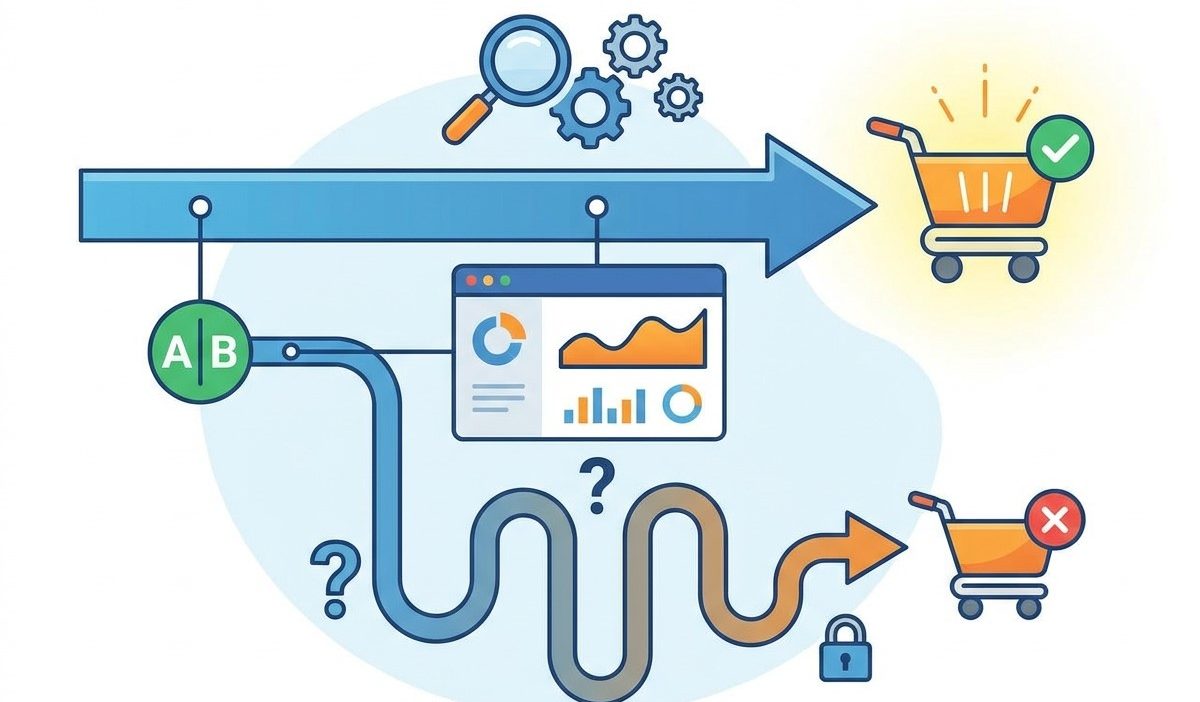
A strong Conversion Optimization Strategy helps businesses turn more website visitors into leads, customers, and long-term buyers. Getting traffic to a website is important, but traffic alone does not guarantee business growth. If visitors leave without taking action, valuable opportunities are lost. Conversion optimization focuses on improving every part of the user journey so visitors can easily understand an offer, trust a brand, and complete a desired action.
Modern customers expect websites to load quickly, work smoothly on mobile devices, and provide clear information. Businesses that improve these experiences can reduce friction and create more opportunities for lead generation and sales. By combining user experience, testing, analytics, content, and technical improvements, businesses can create a more effective conversion process.
What Is a Conversion Optimization Strategy?
A Conversion Optimization Strategy is a structured approach to increasing the percentage of website visitors who complete a specific goal. Depending on the business, that goal may be submitting a contact form, requesting a quote, booking a consultation, signing up for a service, downloading a resource, or completing a purchase.
The strategy begins by understanding how users interact with a website. Businesses can analyze visitor behavior, identify areas where users leave, and improve those areas based on measurable data. Instead of making random design changes, conversion optimization uses evidence to determine what improvements are most likely to produce better results. A successful strategy also considers the complete customer journey. From the first landing page visit to the final conversion, every step should be simple, relevant, and trustworthy.
Why Conversion Optimization Matters for Business Growth
 Increasing website traffic can be expensive and time-consuming. Conversion optimization allows businesses to generate more value from their existing traffic. When a website converts a higher percentage of visitors, businesses can potentially increase leads and revenue without needing to increase traffic at the same rate.
For example, a website receiving thousands of monthly visitors may still generate limited leads if its pages are confusing or slow. Improving the user experience can help more visitors move from awareness to action. This makes conversion optimization an important part of a broader digital marketing strategy. Conversion optimization can also improve marketing efficiency. When landing pages perform better, paid advertising, SEO, social media, and email marketing campaigns can produce stronger results because more visitors are taking meaningful actions after arriving on the website.
Understand Your Target Audience
Every effective Conversion Optimization Strategy should begin with a clear understanding of the target audience. Businesses need to know what potential customers want, what problems they are trying to solve, and what concerns may prevent them from taking action.
Understanding user intent helps businesses create pages that directly address visitor needs. A person searching for a service may want pricing information, proof of experience, service details, or a simple way to request assistance. Providing relevant information at the right stage can make the conversion process easier. Customer feedback, website analytics, search behavior, and conversion data can all provide useful insights. These insights help businesses identify common obstacles and create experiences that match customer expectations.
Create Clear and Persuasive Landing Pages
Landing pages play a major role in conversion performance because they often serve as the first destination after a user clicks an advertisement, search result, email link, or social media post. A landing page should immediately communicate what the business offers and why the visitor should care.
The headline should clearly explain the main value of the offer. Supporting content should provide enough information to build interest without overwhelming the visitor. Strong calls to action should guide users toward the next step. Trust is also important. Testimonials, reviews, case studies, security information, guarantees, and relevant credentials can help reduce uncertainty. When visitors feel confident about a business, they are more likely to complete the desired action.
Improve Website Navigation and User Experience
A confusing website can create unnecessary friction. Visitors should be able to find important information without spending too much time searching. Clear navigation, logical page structures, readable content, and consistent design can make the user journey more comfortable.
The website should also make important actions easy to find. If a visitor needs to contact a business, request a quote, or make a purchase, the relevant action should be visible and understandable. User experience improvements should focus on simplicity. Removing unnecessary steps, reducing distractions, and organizing information clearly can help visitors move toward conversion more naturally.
Focus on Mobile Optimization
 Mobile optimization is essential because many users access websites through smartphones and tablets. A website that works well on a desktop computer may still provide a poor experience on smaller screens. Mobile visitors should be able to read content, navigate pages, complete forms, and interact with buttons without difficulty. Text should remain readable, buttons should be easy to tap, and important information should not be hidden behind complicated layouts.
Mobile optimization can also influence user satisfaction. When visitors encounter responsive pages that adapt smoothly to their devices, they are more likely to continue browsing and complete an action. Businesses should regularly test important pages across different screen sizes. A mobile-first approach can help ensure that the website provides a consistent experience regardless of the device being used.
Strengthen Page Speed Optimization
Website performance directly affects the user experience. Slow pages can frustrate visitors and increase the possibility that they leave before interacting with the content. This makes Page speed optimization an important part of conversion improvement.
Images should be properly compressed, unnecessary scripts should be reduced, and website resources should be efficiently delivered. Hosting performance, caching, code quality, and other technical factors can also influence loading speed. Improving page performance is especially important for landing pages and checkout pages because these pages often have a direct connection to business revenue. A faster experience can make it easier for visitors to continue through the conversion process.
Build Strong Calls to Action
Calls to action guide visitors toward the next stage of the customer journey. A weak or unclear call to action can leave users uncertain about what they should do next.
Effective calls to action should communicate a clear benefit and use straightforward language. Instead of relying on vague wording, businesses can make the desired action obvious and relevant to the page content. The placement of calls to action also matters. Important actions should appear where visitors are most likely to need them. Depending on the page, this may include the hero section, content sections, service descriptions, and the final part of the page.
Simplify Lead Generation Forms
Forms are often one of the most important conversion points on a website. However, overly complicated forms can discourage visitors from completing them. Businesses should only request information that is genuinely necessary for the next stage of the process. A shorter and clearer form can reduce friction and make it easier for visitors to submit their details.
Form design should also provide useful feedback. Clear field labels, understandable error messages, and confirmation messages can create a smoother experience. The goal is not simply to collect more information. The goal is to create a simple path that encourages qualified prospects to start a conversation with the business.
Use A/B Testing to Improve Performance
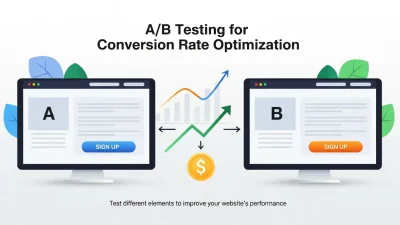
A/B testing allows businesses to compare different versions of a webpage or conversion element. One version may contain a different headline, button, layout, image, form, or offer. Performance data can then reveal which version generates better results.
Testing should be based on a clear objective. Businesses should avoid changing too many major elements at once because it can make results difficult to interpret. Over time, continuous testing can reveal valuable patterns about customer behavior. These insights can help businesses make more informed decisions and gradually improve conversion performance.
Use Analytics and Conversion Tracking
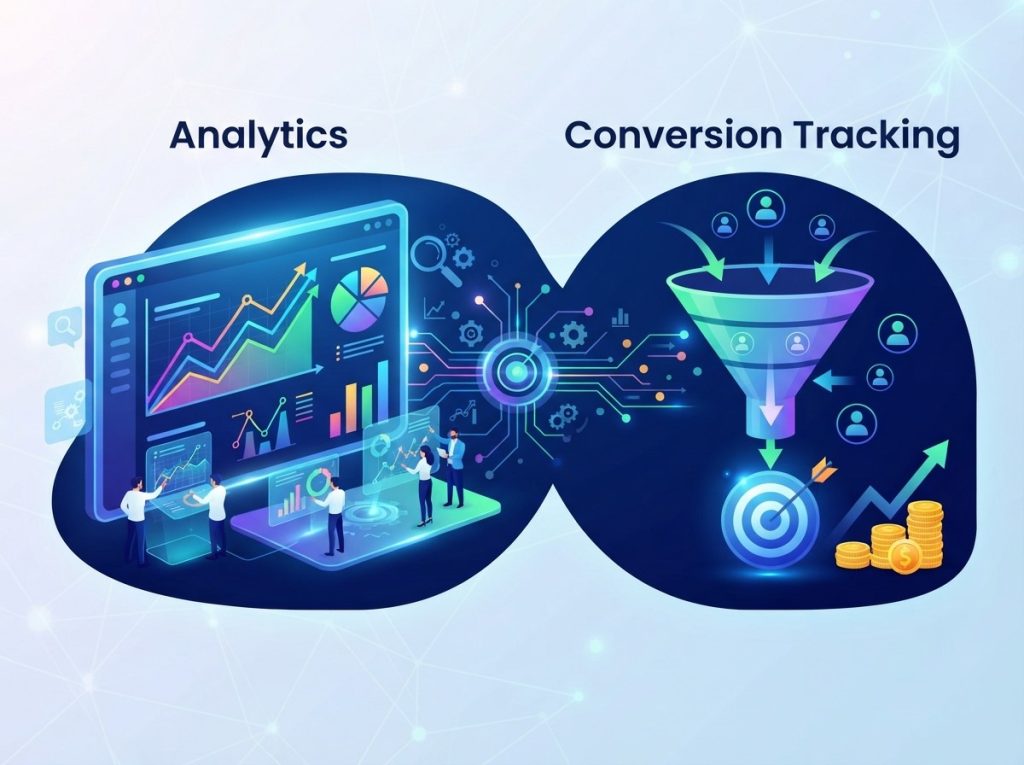 Data is essential for understanding whether a Conversion Optimization Strategy is working. Conversion tracking allows businesses to measure important actions and identify which pages, campaigns, and traffic sources generate results.
Analytics can reveal where visitors enter the website, how they move between pages, and where they leave. Businesses can use this information to identify potential conversion problems. For example, if a landing page receives substantial traffic but generates very few leads, the page may have issues with its messaging, design, offer, trust signals, or call to action. Data helps identify where further investigation is needed.
Improve Lead Conversion After the First Contact
Getting a form submission is not the end of the conversion process. Businesses also need an effective lead conversion process to turn prospects into customers.
Fast responses can make a significant difference because potential customers may contact several businesses at the same time. A clear follow-up process helps maintain engagement and keeps prospects moving toward a purchase decision. Email follow-ups, personalized communication, useful resources, consultations, and relevant offers can help nurture prospects. The best approach depends on the business model and the customer’s position in the buying journey.
Build Trust Before Asking for Action
Visitors are more likely to convert when they trust a business. Trust can be developed through authentic reviews, customer stories, transparent information, professional design, clear policies, and evidence of expertise.
Businesses should avoid making unrealistic claims. Instead, content should explain the actual benefits of products or services and provide evidence where appropriate. Trust is particularly important for businesses selling expensive services, professional solutions, financial products, healthcare-related services, or other high-consideration offerings. Visitors often need reassurance before they are ready to take action.
Personalize the Customer Experience
Personalization can make website experiences more relevant. Businesses can use information such as traffic source, visitor behavior, previous interactions, or customer segment to deliver more targeted messaging.
For example, a returning visitor may benefit from content that reflects their previous interaction with the website. Similarly, visitors arriving from a specific campaign can be directed toward a landing page that closely matches the campaign message. Effective personalization should improve relevance without making the experience feel intrusive. The goal is to help visitors find the information they need more efficiently.
Create a Continuous Optimization Process
Conversion optimization should not be treated as a one-time project. Customer expectations, competitors, technology, and market conditions continue to change. A website that performs well today may require improvements in the future.
Businesses should regularly review conversion data, user behavior, page performance, and customer feedback. New tests can then be created based on the most important opportunities. A continuous approach allows businesses to make gradual improvements rather than depending on a single website redesign. Over time, these improvements can contribute to stronger lead generation, better customer experiences, and increased revenue.
Common Conversion Optimization Mistakes
One common mistake is focusing only on website design. A visually attractive website may still perform poorly if the messaging, offer, navigation, or conversion process is unclear. Another mistake is making changes without collecting data. Businesses may assume that a particular design or button will perform better without testing it. Data-driven decisions generally provide a stronger foundation for optimization.
Ignoring mobile users and website speed can also limit results. Even strong content and persuasive offers can lose potential customers when the technical experience is frustrating. Businesses should also avoid optimizing only for quantity. More conversions are not always better if they produce low-quality leads. The strategy should focus on attracting and converting users who are genuinely interested in the product or service.
Conclusion
A smart Conversion Optimization Strategy helps businesses get more value from their existing website traffic while creating a better experience for potential customers. From mobile optimization and page speed optimization to stronger landing pages, simpler forms, effective calls to action, and better lead conversion processes, every improvement can contribute to stronger performance.
The most effective approach is continuous and data-driven. By understanding customer behavior, testing important elements, tracking results, and improving weak points, businesses can create a website that supports both customer satisfaction and long-term revenue growth.
Frequently Asked Questions
What is a Conversion Optimization Strategy?
A Conversion Optimization Strategy is a structured process for improving a website so more visitors complete desired actions such as submitting forms, requesting information, making purchases, or booking services.
Why is conversion optimization important?
Conversion optimization helps businesses generate more leads and sales from existing website traffic. It can improve marketing efficiency while creating a smoother experience for visitors.
How does mobile optimization improve conversions?
Mobile optimization makes websites easier to use on smartphones and tablets. Better readability, navigation, button placement, and responsive design can encourage mobile visitors to continue toward conversion.
Why is page speed optimization important for CRO?
Page speed optimization helps reduce delays and improves the overall user experience. Faster pages can make it easier for visitors to browse content and complete important actions.
What is the difference between traffic and conversion?
Traffic refers to the number of visitors coming to a website, while conversion refers to visitors completing a desired action. A website can receive significant traffic but still have poor results if its conversion rate is low.
How can businesses improve lead conversion?
Businesses can improve lead conversion by responding quickly, providing relevant information, building trust, personalizing communication, and creating a clear follow-up process for prospects.
How often should a website be tested?
There is no universal testing schedule. Businesses should continuously monitor performance and conduct tests when there is enough data to identify a meaningful optimization opportunity.
What should be tested on a landing page?
Businesses can test headlines, offers, calls to action, page layouts, forms, images, trust signals, and supporting content. Testing should focus on elements that can meaningfully influence visitor behavior.
Can conversion optimization improve SEO results?
Conversion optimization primarily focuses on user actions rather than search rankings. However, improvements such as better user experience, mobile optimization, useful content, and faster pages can support broader website performance.
How long does conversion optimization take?
The timeline depends on website traffic, business goals, available data, and the number of improvements being tested. Conversion optimization is generally an ongoing process rather than a one-time activity.