


Performance metrics help businesses understand how well their websites, marketing campaigns, sales processes, and digital strategies are performing. Instead of relying on assumptions, organizations can use measurable data to identify strengths, discover weaknesses, and make informed decisions. Metrics such as conversion rates, traffic, engagement, bounce rates, revenue, customer acquisition costs, and retention provide valuable insights into business performance.
When these measurements are tracked consistently, companies can determine which strategies deliver results and which require improvement. Performance metrics also work closely with conversion tracking, page speed optimization, and mobile optimization to create stronger digital experiences. By analyzing meaningful data and taking action based on those insights, businesses can improve efficiency, increase conversions, optimize marketing investments, and create sustainable long-term growth.
What Are Performance Metrics?
Performance metrics are measurable values used to evaluate the effectiveness of business activities, marketing campaigns, websites, and digital strategies. They provide objective information that helps organizations understand whether they are achieving specific goals.
Understanding Business Performance
Performance metrics translate business activities into measurable results. Companies can monitor sales, revenue, website engagement, customer behavior, and marketing outcomes to understand whether their current strategies are producing the expected results.
Measuring Progress Toward Goals
Businesses need measurable indicators to determine whether they are moving toward their objectives. Performance metrics provide benchmarks that allow teams to compare current results with previous performance, targets, or industry expectations.
Identifying Improvement Opportunities
Metrics can reveal problems that may not be visible through casual observation. A decline in conversions, increased bounce rates, or slower page performance can indicate areas where businesses should investigate and make improvements.
Why Performance Metrics Matter for Business Growth
 Data-driven businesses use performance information to reduce uncertainty and improve decision-making. Instead of investing resources based solely on assumptions, organizations can use measurable evidence to determine where opportunities exist.
Supporting Better Decisions
Performance metrics provide evidence that helps managers and marketers evaluate different strategies. By understanding which channels, campaigns, products, or pages perform best, businesses can make more informed decisions about future investments.
Improving Resource Allocation
Businesses have limited budgets, time, and employees. Performance data helps organizations identify high-performing activities and reduce spending on strategies that consistently fail to generate meaningful results or business value.
Creating Accountability
Clear metrics give teams measurable objectives. When employees understand which outcomes they are responsible for, businesses can establish stronger accountability and create a culture focused on continuous improvement and measurable performance.
Key Performance Metrics Businesses Should Track
The right metrics depend on business objectives, industry, and customer journey. However, several measurements can provide valuable insights for most digital businesses.
Website Traffic
Website traffic measures the number of visitors reaching a website. Analyzing traffic sources, landing pages, and visitor trends helps businesses understand where audiences come from and which content attracts attention.
Conversion Rate
Conversion rate measures the percentage of visitors who complete a desired action. These actions may include purchases, registrations, downloads, subscriptions, bookings, or form submissions.
Bounce Rate
Bounce rate can help businesses understand whether visitors leave without meaningful interaction. A high rate may indicate problems with content relevance, page experience, navigation, targeting, or website performance.
Customer Acquisition Cost
Customer acquisition cost estimates how much a business spends to acquire customers. Tracking this metric helps organizations evaluate marketing efficiency and determine whether acquisition strategies are financially sustainable.
Return on Investment
Return on investment compares the value generated by an activity with its associated cost. It helps businesses determine whether marketing campaigns, technology investments, and other initiatives are delivering worthwhile financial outcomes.
The Role of Conversion Tracking
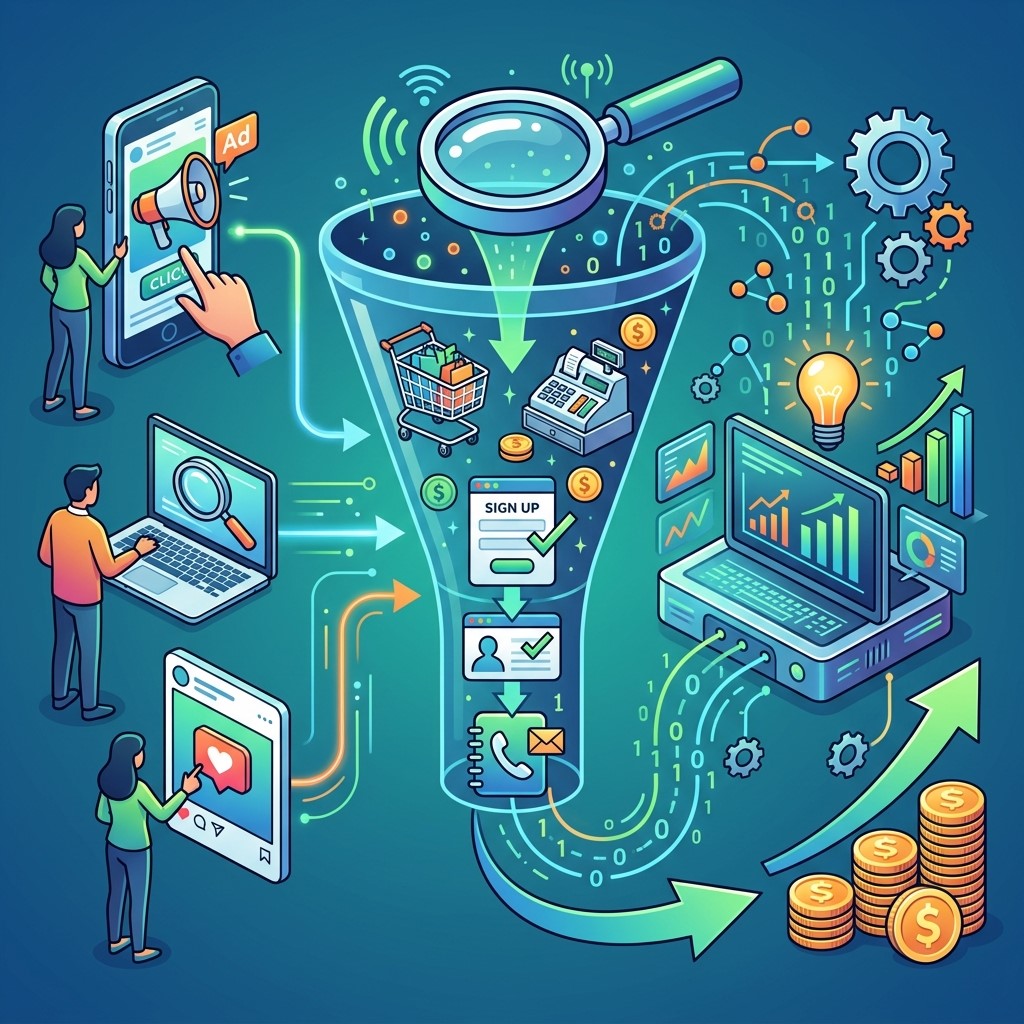 Conversion tracking is an important part of performance measurement because it connects user actions with business objectives. Without accurate tracking, businesses may struggle to determine which activities generate meaningful outcomes.
Measuring Valuable Actions
Conversion tracking records actions that matter to a business, such as purchases, leads, registrations, calls, or downloads. This information helps teams understand whether website visitors are progressing toward business goals.
Understanding Marketing Channels
Businesses can use conversion tracking to compare different marketing channels. Understanding which sources generate qualified leads or customers can help organizations prioritize channels that provide stronger business results.
Improving Campaign Decisions
Accurate conversion data allows marketers to evaluate campaign effectiveness. Instead of focusing only on impressions or clicks, teams can determine whether campaigns actually contribute to leads, sales, revenue, or other valuable outcomes.
Performance Metrics and Page Speed Optimization
Website performance directly influences the user experience. Page speed optimization focuses on improving loading times and technical performance so visitors can access content quickly and interact with websites efficiently.
Measuring Loading Performance
Businesses can monitor page loading metrics to identify slow pages and technical issues. Performance measurements help developers understand where optimization is needed and whether improvements produce measurable results.
Reducing User Friction
Slow websites can create frustration and encourage visitors to leave. Monitoring speed-related performance metrics allows businesses to identify delays and improve the experience by optimizing images, scripts, caching, and other technical elements.
Connecting Speed With Conversions
Page speed should not be evaluated only as a technical measurement. Businesses can compare speed improvements with conversion rates, engagement, and abandonment to understand how performance changes affect business outcomes.
Performance Metrics and Mobile Optimization
Mobile users represent an important audience for many businesses. Mobile optimization ensures that websites provide usable, fast, and accessible experiences across smartphones and tablets.
Measuring Mobile Engagement
Businesses can compare mobile engagement with desktop performance. Differences in bounce rates, session duration, conversions, and other metrics may reveal opportunities to improve the mobile experience.
Improving Mobile Conversions
A website may receive significant mobile traffic but produce fewer conversions if navigation, forms, checkout, or content are difficult to use. Mobile performance metrics can help identify these conversion barriers.
Monitoring Device Performance
Different devices and connection conditions can produce different experiences. Monitoring performance across device categories can help businesses identify technical problems affecting specific groups of mobile users.
How Performance Metrics Improve Marketing Strategies
Marketing teams need reliable information to understand whether campaigns are attracting the right audiences and generating business results. Performance metrics provide the foundation for continuous marketing optimization.
Evaluating Campaign Performance
Metrics help marketers compare campaign results across different channels, audiences, messages, and creative approaches. This makes it easier to identify which combinations generate stronger engagement and conversions.
Understanding Customer Behavior
Behavioral metrics reveal how users interact with marketing content and websites. Businesses can analyze landing pages, traffic sources, engagement patterns, and conversion journeys to better understand customer interests.
Optimizing Marketing Budgets
Marketing budgets can be adjusted according to measurable results. If one campaign consistently produces better returns than another, businesses can allocate more resources toward the stronger opportunity.
How Performance Metrics Improve Customer Experience
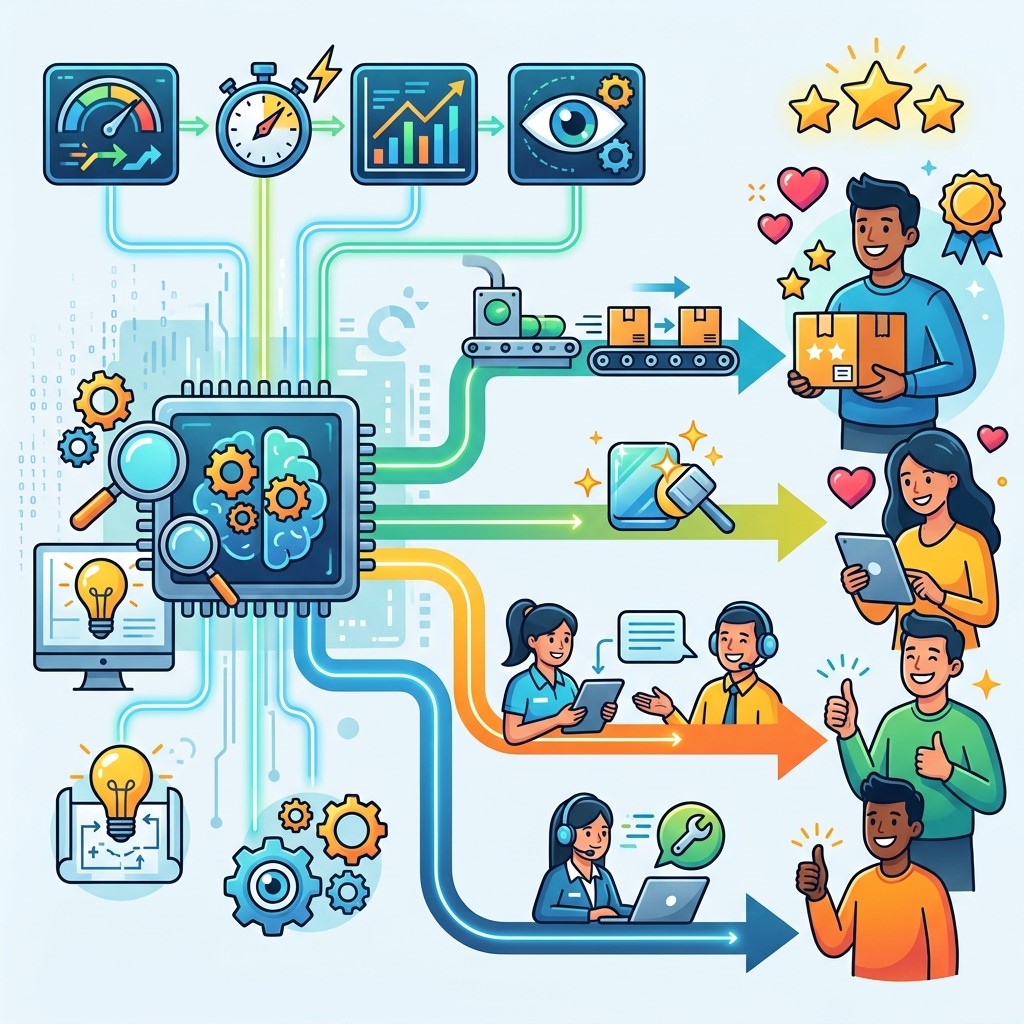 Customer experience has a direct relationship with engagement, loyalty, and conversions. Performance data helps businesses identify where customers encounter difficulties throughout their digital journey.
Identifying Experience Problems
Unusual drops in engagement, high abandonment rates, or low conversions can indicate problems with navigation, content, forms, checkout, or website usability. Metrics help teams investigate these potential issues.
Improving Website Navigation
Businesses can analyze page paths, search behavior, and engagement data to understand how users navigate websites. These insights can support improvements to menus, internal links, calls to action, and content organization.
Personalizing Customer Journeys
Performance data can reveal differences between customer segments. Businesses can use these insights to provide more relevant content, recommendations, offers, and experiences for different audiences.
Using Performance Metrics for SEO
Search engine optimization requires both strategic planning and measurable evaluation. Performance metrics help businesses understand whether SEO activities are increasing visibility, traffic, engagement, and conversions.
Monitoring Organic Traffic
Organic traffic shows how many visitors arrive through search engines. Tracking changes over time can help businesses evaluate whether their SEO efforts are improving visibility and attracting relevant audiences.
Measuring Keyword Performance
Businesses can monitor keyword rankings, impressions, clicks, and resulting traffic to understand search performance. These insights can guide content optimization and help identify new opportunities.
Evaluating Landing Pages
Individual landing pages can perform differently in search results and conversions. Monitoring traffic, engagement, and conversion metrics helps businesses determine which pages need content or technical improvements.
Building a Performance Measurement Framework
Effective measurement requires more than collecting large amounts of data. Businesses need a structured framework that connects metrics with specific objectives and decisions.
Define Clear Business Goals
Before choosing metrics, businesses should determine what they want to achieve. Goals might include increasing sales, generating leads, reducing acquisition costs, improving retention, or increasing website engagement.
Choose Relevant Metrics
Not every available metric deserves equal attention. Businesses should select measurements that directly relate to their objectives and provide actionable information for marketing, sales, product, or operational decisions.
Establish Benchmarks
Benchmarks provide a reference point for evaluating performance. Businesses can compare current results with historical data, targets, previous campaigns, or other relevant standards to identify meaningful changes.
Review Metrics Regularly
Performance measurement should be continuous. Regular reviews allow teams to identify trends, respond to problems, and adjust strategies before small performance issues become larger business challenges.
Common Performance Measurement Mistakes
Businesses can collect extensive data while still making poor decisions if metrics are interpreted incorrectly. Avoiding common measurement mistakes improves the usefulness of performance analysis.
Tracking Too Many Metrics
A large number of metrics can create confusion. Teams should prioritize key performance indicators that directly connect with business objectives rather than monitoring every available measurement.
Focusing Only on Vanity Metrics
Metrics such as impressions, followers, or page views can provide useful context but do not always represent business success. Organizations should connect engagement measurements with meaningful outcomes such as leads, sales, or revenue.
Ignoring Data Quality
Incorrect tracking can produce misleading conclusions. Businesses should regularly check analytics configurations, conversion events, attribution settings, and data collection processes to maintain reliable measurement.
Making Decisions Too Quickly
Short-term fluctuations do not always represent meaningful trends. Businesses should consider sufficient data, seasonal changes, campaign timing, and external factors before making major strategic decisions.
Tools and Technology for Performance Measurement
Modern businesses have access to many technologies that simplify data collection and analysis. Selecting appropriate tools depends on the organization’s goals, technical requirements, and available resources.
Analytics Platforms
Analytics platforms collect information about visitors, traffic sources, user behavior, and website interactions. These platforms help teams understand how users move through digital experiences and where improvements may be needed.
Business Intelligence Tools
Business intelligence tools combine information from different sources and present it through dashboards and reports. They can help executives and managers understand broader business performance.
Conversion Tracking Systems
Conversion tracking technologies connect user interactions with valuable outcomes. They allow marketers and business owners to evaluate campaigns based on actions that contribute directly to organizational goals.
Creating a Data-Driven Business Culture
Technology alone cannot create data-driven growth. Businesses also need a culture where teams understand data, ask meaningful questions, and use evidence when making decisions.
Encouraging Data-Based Decisions
Employees should be encouraged to support recommendations with measurable evidence. This does not eliminate creativity or experience; instead, it combines professional judgment with reliable performance information.
Sharing Insights Across Teams
Marketing, sales, product, development, and management teams can benefit from shared performance information. Collaboration helps organizations understand how different activities influence the overall customer journey.
Testing and Learning Continuously
Businesses should treat optimization as an ongoing process. Testing different messages, layouts, offers, and technical improvements can reveal which approaches produce stronger results.
How Performance Metrics Support Long-Term Growth
 Performance metrics become especially valuable when businesses use them consistently over time. Historical data can reveal trends, patterns, opportunities, and risks that short-term analysis may miss.
Identifying Long-Term Trends
Comparing performance across months or years can reveal sustained growth or decline. Long-term trends help businesses make strategic decisions about products, marketing, technology, and customer acquisition.
Improving Operational Efficiency
Performance measurements can reveal inefficient processes and unnecessary costs. Businesses can use these insights to streamline workflows, automate repetitive activities, and improve resource utilization.
Supporting Scalable Strategies
Data helps organizations identify strategies that can be repeated and expanded. Businesses can invest more confidently in successful channels, products, and processes when measurable results demonstrate their effectiveness.
Future of Performance Metrics
As digital technology develops, businesses will have access to more advanced measurement capabilities. Artificial intelligence, predictive analytics, automation, and real-time reporting will continue changing how organizations understand performance.
Predictive Analytics
Predictive analytics can use historical and current information to identify potential future outcomes. Businesses may use these insights to anticipate customer behavior, demand, revenue trends, and operational risks.
Real-Time Monitoring
Real-time dashboards can help organizations identify important changes as they happen. Faster visibility allows teams to respond quickly to technical issues, campaign problems, customer behavior changes, or unexpected opportunities.
AI-Powered Insights
Artificial intelligence can analyze large datasets and identify patterns that may be difficult to detect manually. AI-assisted analysis can help teams discover trends, generate insights, and prioritize potential optimization opportunities.
Frequently Asked Questions
What are performance metrics?
Performance metrics are measurable indicators used to evaluate how effectively a business, website, marketing campaign, or process is achieving specific objectives. They help organizations monitor progress and identify areas requiring improvement.
Why are performance metrics important for business growth?
Performance metrics help businesses replace assumptions with measurable evidence. They reveal successful strategies, inefficient processes, customer behavior patterns, and improvement opportunities that can support better decisions and sustainable growth.
What is conversion tracking?
Conversion tracking is the process of measuring valuable user actions such as purchases, form submissions, registrations, downloads, or bookings. It helps businesses understand which marketing and website activities generate meaningful results.
How does page speed optimization affect performance metrics?
Page speed optimization can improve loading performance and user experience. Businesses can compare speed measurements with engagement, abandonment, and conversion data to understand whether technical improvements contribute to better outcomes.
Why is mobile optimization important?
Mobile optimization ensures websites work effectively across smartphones and tablets. Businesses can monitor mobile traffic, engagement, conversions, and performance to identify issues and improve experiences for mobile audiences.
What is a key performance indicator?
A key performance indicator, or KPI, is a particularly important metric directly connected to a specific business objective. Examples include revenue, conversion rate, customer acquisition cost, retention rate, and qualified leads.
How often should businesses review performance metrics?
Review frequency depends on the metric and business activity. Some businesses monitor important metrics daily, while broader strategic performance may be reviewed weekly, monthly, or quarterly.
What are vanity metrics?
Vanity metrics are measurements that may look impressive but do not necessarily indicate meaningful business results. Examples can include total followers or impressions when they are not connected to engagement, leads, sales, or revenue.
How can businesses improve performance measurement?
Businesses can improve measurement by defining clear goals, selecting relevant metrics, maintaining accurate tracking, establishing benchmarks, reviewing data regularly, and turning insights into specific optimization actions.
What is the future of performance metrics?
The future of performance measurement will increasingly involve artificial intelligence, predictive analytics, automated reporting, real-time dashboards, and integrated data systems that help businesses identify trends and make faster decisions.
Conclusion
Performance metrics provide businesses with a practical way to understand results, identify opportunities, and make smarter decisions. From website traffic and conversion rates to customer acquisition costs and return on investment, meaningful measurements help organizations connect digital activities with broader business goals.
The strongest measurement strategies do not focus on collecting data for its own sake. They identify the metrics that matter, establish clear benchmarks, monitor changes consistently, and turn insights into practical actions. Conversion tracking helps connect user behavior with valuable outcomes, while page speed optimization and mobile optimization demonstrate how technical improvements can be evaluated through measurable business results.