
Traffic is great, but revenue is what keeps your business running. You can spend thousands of dollars driving visitors to your website, but if they leave without taking action, that investment is wasted. Getting people to click your links is only the first half of the battle. The second half is convincing them to stay, browse, and ultimately make a purchase or fill out a form.
This is exactly where conversion rate optimization software comes into play. These platforms give you the data and insights needed to understand user behavior. They highlight where visitors get stuck, what buttons they ignore, and which pages cause them to bounce. By tracking these metrics, you can make informed decisions rather than relying on guesswork.
In this guide, we will explore how you can use conversion rate optimization software to transform your website. We will look at essential tools, audit processes, and real-world examples to help you turn casual browsers into loyal customers.
What is Conversion Rate Optimization Software?
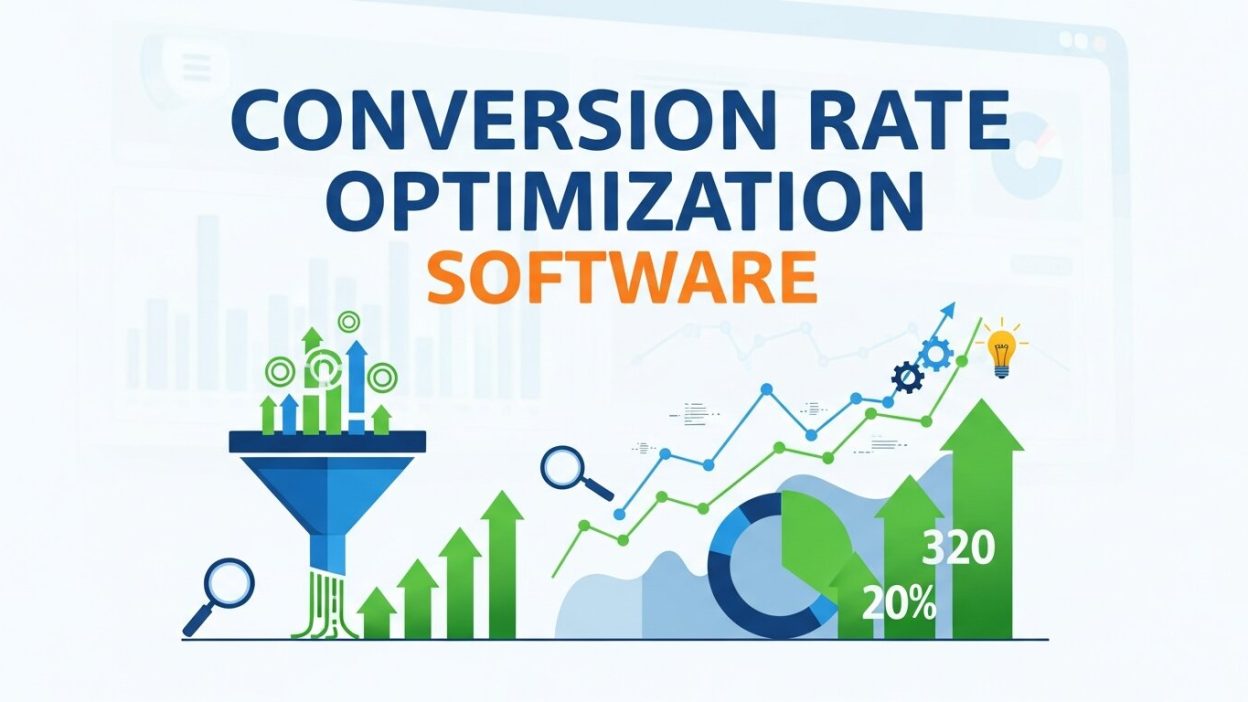
Conversion rate optimization (CRO) software refers to a suite of digital tools designed to increase the percentage of website visitors who complete a desired action. This action could be anything from purchasing a product to subscribing to an email newsletter.
These platforms work by collecting quantitative and qualitative data. Quantitative data tells you what is happening on your site. It includes metrics like bounce rates, click-through rates, and time on page. Qualitative data tells you why it is happening. This involves user feedback, session recordings, and heatmaps showing exactly where users move their mouse.
By combining these two types of data, CRO software provides a complete picture of the user experience. You stop guessing why your sales are down and start seeing the exact friction points causing users to abandon their journey.
Essential Features to Look For
Not all optimization platforms are created equal. When evaluating different options for your business, you should look for a few core features that provide the most actionable insights.
A/B Testing Capabilities
A/B testing is the backbone of any optimization strategy. This feature allows you to create two different versions of a web page to see which one performs better. You might test a red “Buy Now” button against a green one, or try two completely different headline variations. The software splits your incoming traffic between the versions and tracks which one generates more conversions.
Heatmaps and Scroll Maps
Visual data is incredibly powerful. Heatmaps show you exactly where users click, tap, and hover on your pages. Areas with high engagement glow red or “hot,” while ignored sections appear blue or “cold.” Scroll maps show you how far down a page visitors scroll before leaving. If your main call to action is located at the bottom of the page, but the scroll map shows that 80% of users leave before reaching the halfway point, you know exactly what needs to change.
Session Recordings
Watching a user navigate your site provides unfiltered feedback. Session recordings capture individual user journeys, allowing you to see exactly how someone interacts with your menus, forms, and product pages. If users repeatedly click on an image thinking it is a link, or if they struggle to fill out a specific field in your checkout form, session recordings will reveal the frustration in real time.
Driving Sales with Ecommerce Conversion Rate Optimization Tools
 Online retailers face unique challenges. The competition is fierce, and consumers have very little patience for clunky websites. A delay of just a few seconds or a confusing checkout process can cost you the sale.
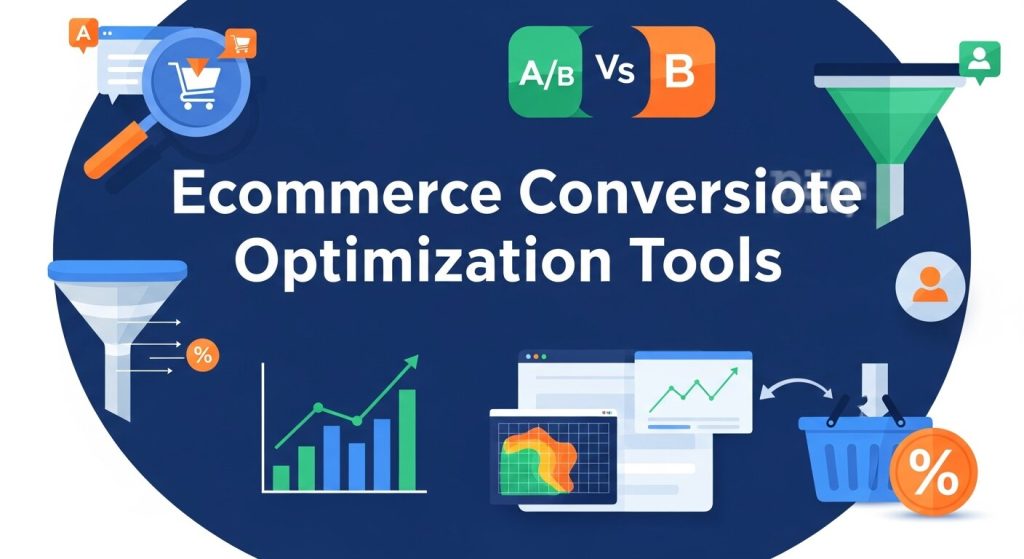
Using dedicated ecommerce conversion rate optimization tools is critical for maximizing revenue. These specific tools focus heavily on the buyer’s journey. They help you analyze the path from the initial product search to the final payment confirmation.
One major area of focus for ecommerce tools is cart abandonment. Millions of dollars are left in virtual shopping carts every single day. CRO tools help you trigger exit-intent popups, offering a small discount just as the user moves their cursor to close the browser tab. They also help streamline the checkout process by identifying unnecessary form fields that cause buyers to give up.
Additionally, these tools help optimize product pages. By testing different product image layouts, customer review placements, and shipping information displays, you can find the perfect combination that gives buyers the confidence to click “Add to Cart.”
How to Conduct a Conversion Rate Optimization Audit
 Before you start changing button colors and rewriting headlines, you need a baseline. A conversion rate optimization audit is a comprehensive review of your current website performance. It identifies your strengths, weaknesses, and biggest opportunities for growth.
Step 1: Define Your Goals
You cannot optimize a website if you do not know what success looks like. Start by clearly defining your macro and micro conversions. A macro conversion is your primary goal, such as a completed sale. A micro conversion is a smaller step that leads to the main goal, such as adding an item to the cart or viewing a pricing page.
Step 2: Gather Your Data
Use your CRO software to collect data on your current performance. Look at your traffic sources, identify your highest-converting pages, and find the pages with the highest exit rates. Set up heatmaps on your most important landing pages and record user sessions for a few weeks to build a solid data foundation.
Step 3: Identify Friction Points
Analyze the data you collected to find areas of friction. Are users dropping off at the shipping calculation step? Is your mobile navigation menu difficult to use? Document every issue you find, no matter how small.
Step 4: Formulate Hypotheses
For every problem you identified, create a hypothesis for how to fix it. A good hypothesis follows a clear structure: “If we change X to Y, then Z will happen because of [reason].” For example, “If we move the customer reviews above the fold, then conversions will increase because users will see social proof immediately.”
Step 5: Test and Measure
Take your hypotheses and run A/B tests. Only test one element at a time so you know exactly what caused any change in performance. Let the test run until it reaches statistical significance, then implement the winning variation.
Learning from Success: Conversion Rate Optimization Case Studies
You do not always have to reinvent the wheel. One of the best ways to improve your own strategy is by reviewing conversion rate optimization case studies. Seeing how other companies solved similar problems can spark new ideas for your own website.
Case studies often reveal surprising insights. You might read about a company that increased conversions by 20% simply by removing the navigation bar from their checkout page. This action removed distractions and kept the user focused solely on completing the purchase.
Another case study might show how a B2B software company doubled its free trial sign-ups by changing the wording on their main call to action from “Start Free Trial” to “Get Started.” These real-world examples prove that small tweaks can lead to massive revenue gains. By actively reading and analyzing these success stories, you build a mental library of tactics that you can adapt and test on your own audience.
Personalization and Dynamic User Experiences
Modern consumers expect websites to feel personalized rather than generic. Conversion rate optimization software helps businesses create tailored experiences based on user behavior, location, browsing history, and purchase patterns. Instead of showing the same content to every visitor, businesses can dynamically adjust headlines, product recommendations, banners, and calls to action for different audience segments. For example, returning customers may see loyalty offers, while first-time visitors receive introductory discounts. This personalization creates stronger emotional connections and increases the likelihood of conversions. When users feel that a website understands their preferences and needs, they spend more time exploring products and are far more likely to complete purchases or submit inquiries.
Mobile Optimization and Responsive User Journeys
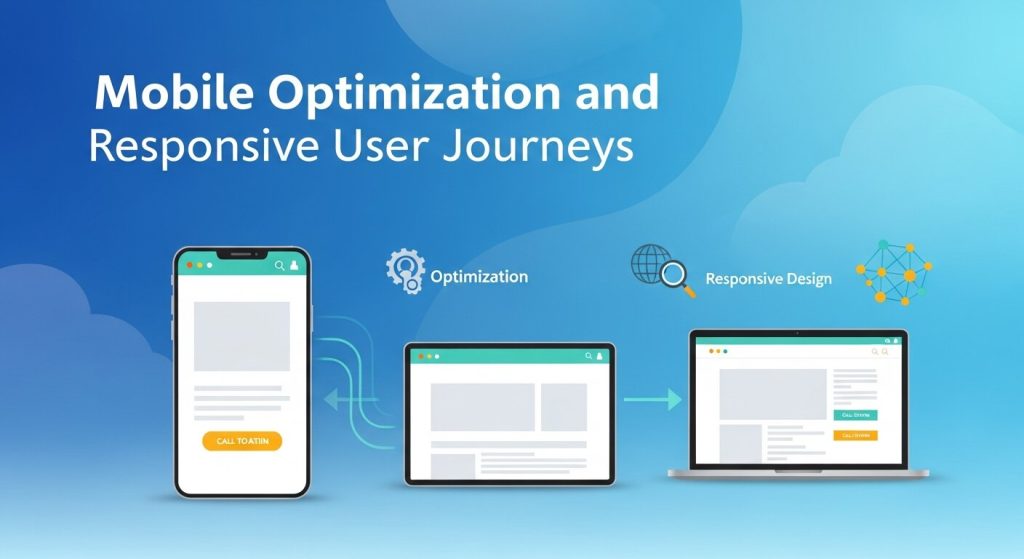 Mobile traffic now dominates most industries, yet many websites still deliver frustrating smartphone experiences. Conversion rate optimization software helps businesses identify mobile usability issues that hurt engagement and sales. Heatmaps reveal where users struggle to tap buttons, while session recordings expose navigation problems caused by small screens. CRO tools also help optimize mobile checkout flows by reducing unnecessary steps and simplifying forms. Faster mobile experiences lead directly to higher conversion rates because visitors no longer abandon pages due to poor usability. Responsive design combined with CRO testing ensures that users enjoy a seamless experience across smartphones, tablets, and desktops. Businesses that prioritize mobile optimization often gain a competitive advantage in crowded online markets.
Optimizing Landing Pages for Better Lead Generation
Landing pages play a crucial role in digital marketing campaigns. Whether traffic comes from social media ads, email campaigns, or search engines, visitors must quickly understand the value being offered. Conversion rate optimization software helps businesses refine landing pages to maximize lead generation. Companies can test different headlines, layouts, form lengths, and visual elements to determine which combinations perform best. CRO tools also track user engagement metrics, revealing whether visitors lose interest before reaching the call to action. Simplified layouts, compelling trust signals, and strategically placed testimonials often lead to major improvements in conversion performance. Optimized landing pages reduce advertising waste by converting more traffic into actual customers or qualified leads.
Building Customer Trust Through CRO Strategies
Trust plays a massive role in online decision-making. Visitors hesitate to share payment details or personal information if a website feels unreliable or outdated. Conversion rate optimization software helps businesses discover trust barriers that may discourage users from converting. For example, session recordings may reveal hesitation during checkout, while surveys can uncover concerns about pricing transparency or shipping policies. Businesses can then test solutions such as adding customer reviews, money-back guarantees, security badges, or live chat support. Even subtle improvements in trust signals can dramatically influence purchasing decisions. A trustworthy website encourages visitors to move through the sales funnel confidently, reducing abandonment rates and increasing long-term customer loyalty.
Using Behavioral Analytics to Improve Website Navigation
Website navigation has a direct impact on user satisfaction and conversions. If visitors cannot quickly find the information they need, they leave. Behavioral analytics tools within CRO software help businesses understand how users interact with menus, categories, and navigation pathways. Heatmaps show which navigation links receive the most attention, while click-tracking reports highlight confusing layouts or ignored sections. Businesses can use this information to simplify menus, improve internal linking, and reorganize page structures for easier browsing. Better navigation reduces frustration and encourages users to explore more content and products. A smooth browsing experience increases engagement, extends session duration, and ultimately drives more conversions across the entire website.
Long-Term Growth Through Continuous Optimization
 Conversion rate optimization is not a one-time project. Consumer preferences, design trends, and market conditions constantly evolve. Businesses that consistently monitor user behavior and test new ideas maintain stronger long-term performance than companies that leave their websites unchanged for years. CRO software supports ongoing experimentation by allowing marketers to continuously test layouts, messaging, pricing strategies, and calls to action. Over time, these small improvements compound into significant revenue growth. Continuous optimization also helps businesses adapt quickly when customer behavior shifts due to seasonal trends or technological changes. Companies that embrace long-term testing and data analysis create flexible digital experiences capable of maintaining strong conversion rates in highly competitive markets.
Frequently Asked Questions
How much traffic do I need to run A/B tests?
To get reliable, statistically significant results, you generally need a few thousand visitors per page, per month. If your traffic is lower, tests will take much longer to reach a conclusive result. Sites with low traffic should focus more on qualitative data like session recordings and user interviews to guide their changes.
Is CRO only for ecommerce websites?
Not at all. Any website with a specific goal can benefit from optimization. B2B companies use it to generate more leads. Media sites use it to increase newsletter subscriptions. Nonprofits use it to drive more donations. If you want users to take an action, you need CRO.
Will CRO software slow down my website?
Most modern optimization tools use asynchronous loading, meaning they load in the background without delaying your main site content. However, running too many tracking scripts at once can impact page speed. It is best practice to regularly audit your tracking codes and remove any tools you are no longer actively using.
The Next Steps for Your Optimization Journey
Building a high-converting website is an ongoing process. Consumer behavior shifts, new devices enter the market, and design trends evolve. What worked perfectly two years ago might be causing friction today.
Start by choosing the right conversion rate optimization software for your specific business needs. Install the tracking codes, let the data accumulate, and perform your first comprehensive audit. Focus on the biggest drop-off points first. By making data-driven decisions and constantly testing your assumptions, you will create a seamless user experience that naturally drives sales and grows your business.