

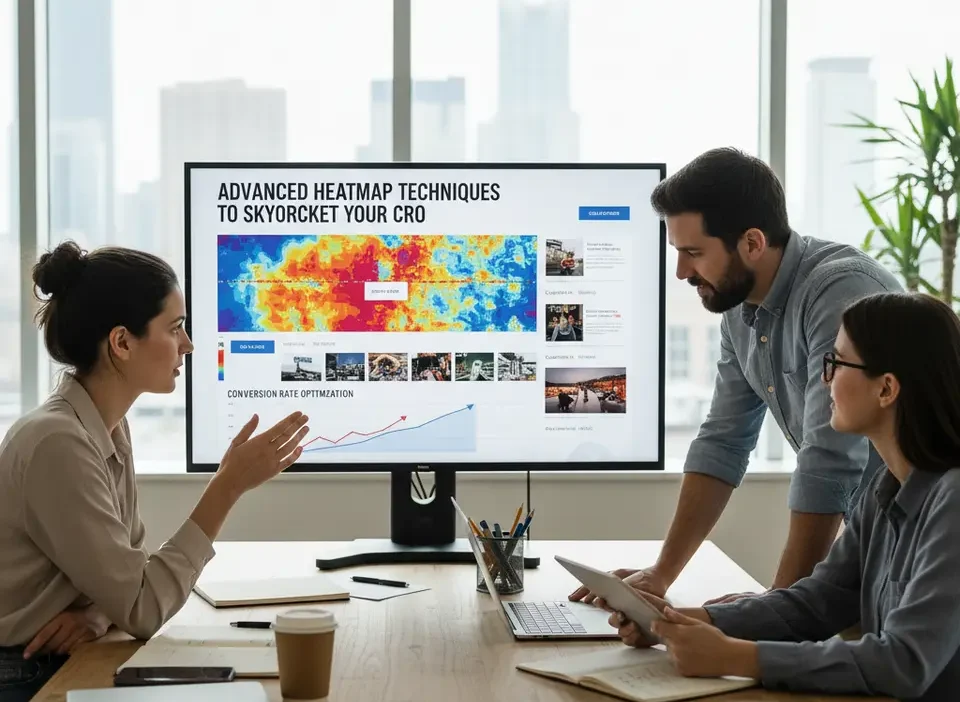
In today’s digital landscape, understanding how visitors interact with your website is essential for driving meaningful growth in conversion rates. As businesses compete for attention online, relying solely on aggregate metrics like bounce rate and session duration can obscure critical insights into user behavior. Advanced heatmap techniques bridge this gap by translating complex data into intuitive, color-coded overlays that reveal exactly where users click, scroll, and move their cursors.
Currently, the focus keyword “advanced heatmap techniques” sits at the heart of modern conversion rate optimization (CRO) strategies, empowering teams to make data-driven decisions. This guide, updated for this year (2026), is structured into five comprehensive sections: understanding the foundational importance of heatmap analytics; exploring key heatmap types and applications; setting up your site for accurate data capture; deploying seven advanced techniques that go beyond basic visualizations; and measuring impact while avoiding common pitfalls. Each section includes actionable advice, real-world examples, and external references to authoritative sources such as the Nielsen Norman Group and government-led usability frameworks.
Whether you’re a seasoned CRO specialist or new to heatmap analytics, this long-form article is designed to equip you with best practices and tactical steps to harness the power of advanced heatmap techniques. Ready to elevate your optimization efforts and achieve measurable conversion uplifts? Let’s dive into why heatmap analytics has become a cornerstone of effective CRO in today’s competitive environment.
Why Heatmap Analytics is Crucial for CRO
Heatmap analytics offers a unique lens into user engagement by converting behavioral data into vivid, color-coded overlays. It goes beyond traditional analytics dashboards by illustrating the precise areas on a webpage that capture or lose visitor attention. In today’s digital landscape, where attention spans are shorter than ever, understanding these visual footprints is critical to remove obstacles that prevent users from completing desired actions.
At its core, a heatmap aggregates user interactions—clicks, taps, scrolls, and cursor movements—and represents them with a gradient color scale. Warm colors like red and orange denote high activity zones, while cooler hues such as green and blue indicate less engagement. This immediate visual feedback helps you quickly diagnose design issues and optimize page layouts accordingly.
Imagine a landing page where the primary call-to-action (CTA) button sits below the average scroll depth. A scrollmap might reveal that only 40 percent of visitors reach the intended section, meaning the majority never see the button. By relocating the CTA into a high-visibility area identified through an attention map, you can dramatically increase click-through rates and push more users down the conversion funnel.
Moreover, heatmap analytics allows you to validate or refute design hypotheses. Rather than making assumptions based on gut feeling, you can rely on concrete evidence sourced from real user interactions. For example, clickmaps may show that static images receive clicks, signaling confusion that these elements are interactive. Armed with this knowledge, you can adjust UI components or add instructional cues to guide users more effectively.
Leading organizations emphasize the value of heatmaps in user research. The U.S. Digital Service standards advocate for visual analytics in government and public-sector websites to enhance accessibility and user experience. Similarly, the Nielsen Norman Group’s research on heatmaps highlights the importance of combining quantitative and qualitative methods to derive actionable insights. Collectively, these authoritative perspectives affirm that advanced heatmap techniques are indispensable for contemporary CRO initiatives.
With mobile traffic representing over half of web visits, heatmap analytics on handheld devices reveal unique scrolling and tapping behaviors. A mobile scrollmap might highlight that users hesitate at image carousels due to performance issues, while a desktop move map uncovers reading patterns around testimonials. By analyzing these cross-channel nuances, you can fine-tune layouts conditionally based on device, ensuring that every visitor experiences a smooth, optimized journey oriented toward conversion.
Key Heatmap Types and When to Use Them
 Deploying advanced heatmap techniques effectively requires a firm grasp of the various heatmap types and their specific use cases. Each type reveals distinct aspects of visitor behavior, allowing you to tailor your analysis and optimization efforts with precision.
Clickmaps
Clickmaps illustrate where users click or tap across all devices, highlighting both intended and unintended interactive zones. By reviewing clickmaps, you can identify hotspots on buttons, links, images, and even non-clickable elements that attract attention. If you notice repeated clicks on a decorative icon, it signals confusion—users may expect an action that isn’t available. To address this, consider converting static elements into clickable features or adjusting labels to reduce misinterpretation. Consistently monitoring clickmaps also helps you track the effectiveness of design tweaks over time.
Scrollmaps
Scrollmaps track the depth to which users scroll down a page before exiting. This information is vital for optimizing content placement: if your key messaging or CTAs are positioned beyond the point where 70 percent of users drop off, you risk losing substantial engagement opportunities. Use scrollmaps to reorganize above-the-fold content, ensuring that the most critical information appears within the highest-visibility region. Additionally, combining scrollmaps with time-based heatmaps can show how long users pause at specific sections, revealing areas that warrant richer content or interactive elements to maintain interest and reduce bounce rates.
Move Maps
Move maps, or hover maps, record cursor movements to approximate eye gaze. Since users often follow their cursor with their eyes, move maps offer insights similar to gaze-tracking studies but at a fraction of the cost. Analyze move maps to confirm whether headlines, imagery, and CTAs align with natural eye flow. If your attention funnel leads visitors away from the main conversion path, consider redesigning the layout or repositioning key elements to guide visual focus more effectively.
Attention Maps
Attention maps merge click and move data, overlaying both metrics to highlight comprehensive engagement zones. This holistic view shows where users concentrate most of their time and interactions. Attention maps are particularly useful for evaluating complex pages, such as e-commerce product listings or detailed informational portals. By identifying areas of sustained interest, you can enrich high-value sections with optimized CTAs, multimedia content, or social proof to drive deeper engagement and encourage users to take the desired action.
Advanced heatmap techniques often involve layering these map types into a unified dashboard. Enterprises leverage custom reports that combine click, scroll, move, and attention overlays, segmented by user demographics or acquisition channels. This integrated approach enables a 360-degree view of user behavior, allowing you to make informed optimization decisions that balance engagement and conversion objectives across diverse visitor groups.
Setting Up Your Site for Reliable Heatmap Tracking
Before implementing advanced heatmap techniques, a robust tracking setup is essential to capture accurate, representative data. Inaccuracies at this stage can lead to misguided conclusions and ineffective optimizations. Follow these best practices to ensure your heatmap analytics foundation is solid.
First, select a heatmap provider that aligns with your budget and technical requirements. Industry-leading options this year (2026) include Hotjar, Crazy Egg, Microsoft Clarity, and FullStory. When comparing vendors, evaluate features like snapshot frequency, session replay integration, cross-device segmentation, and automated anomaly detection to determine which platform suits your current and future needs.
Once you’ve chosen a provider, install the tracking script across all pages of your website. Clear documentation and developer support are crucial—refer to vendor-specific guides or resources such as usability.gov’s click-tracking methodology for implementation best practices. Verify that the tracking snippet fires correctly in every environment, including staging and production, to avoid data gaps.
Configure snapshots for strategic pages in your conversion funnel: entry points, product pages, blog posts, and checkout steps. Set up granular segmentation based on device type (desktop vs. mobile), traffic source (organic, paid search, social media, email), and visitor intent (first-time vs. returning). Proper segmentation enables you to uncover device-specific or channel-specific behavior patterns that aggregate data might conceal.
Sample size is critical for reliable analysis. Aim for a minimum of 1,000 unique sessions per snapshot before interpreting heatmap results. Low-volume pages or niche segments may require extended data collection periods to reach statistical significance. Monitor traffic trends and seasonal fluctuations to decide when your snapshots have accumulated sufficient data for robust decision-making.
Data privacy and compliance are equally important. Ensure that your heatmap provider supports data anonymization and adheres to regulations like GDPR and CCPA. Implement cookie consent banners that clearly explain tracking purposes, and provide users with opt-out options. Maintaining transparency and trust will safeguard your analytics integrity and uphold user expectations.
Lastly, integrate heatmap data with your broader analytics ecosystem. Link heatmap reports to Google Analytics goals or Adobe Analytics events to correlate visual insights with quantitative conversions. Combining visual overlays with numerical metrics and session replays gives you a complete view of user behavior, ensuring your advanced heatmap techniques yield actionable, high-confidence insights.
Implementing Advanced Heatmap Techniques
 With your tracking infrastructure in place, you can now apply seven advanced heatmap techniques that elevate your CRO strategy. These methods move beyond aggregate views and allow you to segment, validate, and predict user interactions in ways that drive measurable results.
1. Segment-Specific Heatmap Analysis
Generate heatmaps for distinct visitor segments—such as new vs. returning users, mobile vs. desktop traffic, and paid vs. organic channels. Segment-specific analysis helps you tailor page layouts, messaging, and CTAs to each group’s unique behavior patterns. For instance, mobile visitors may scroll less but engage more with above-the-fold elements, while desktop users explore deeper content. By addressing these nuances, you can optimize the experience for every audience subset and improve overall conversion performance.
2. A/B Testing Guided by Heatmap Insights
Leverage heatmap data to inform precise A/B test hypotheses. If a scrollmap shows that most users never reach a key form, experiment with moving the form higher or splitting long forms into multiple steps. Use your testing platform—such as Optimizely or Google Optimize—to run controlled experiments that validate the impact of these heatmap-inspired adjustments. This integrated approach minimizes guesswork and accelerates data-driven optimizations, ensuring each design change is backed by empirical evidence.
3. Session Replay Integration
Pair your heatmaps with session replay recordings to capture the full context of user behavior. When clickmaps highlight unexpected interactions—like clicks on non-interactive icons—session replays reveal the motivation behind these micro-interactions. Observing live playback helps you identify hesitations, misclicks, and frustration signals that aren’t visible in aggregate metrics, enabling you to refine UI elements and messaging based on genuine user intent.
4. Cross-Device and Cross-Browser Comparison
Heatmaps can differ significantly across devices and browsers. Generate separate heatmaps for desktop, tablet, and mobile, as well as for major browsers like Chrome, Safari, and Firefox. This granular approach uncovers device-specific issues—such as unresponsive elements or layout shifts—that impede conversions. Addressing these discrepancies ensures a seamless user experience across all platforms and reduces friction for every visitor.
5. Funnel Drop-Off Overlays
Create heatmaps for each step of your conversion funnel—landing page, product details, cart, and checkout. Overlay drop-off rates onto these heatmaps to pinpoint where users abandon the process. If the final payment button receives minimal clicks despite high scroll depth, simplify your payment form or add trust signals, such as security badges and customer testimonials, to reduce friction and boost completion rates.
6. Eye-Tracking and Attention Map Fusion
For enterprise-level projects, validate cursor-based attention maps with small-scale eye-tracking studies. Eye-tracking labs at universities or specialized services can confirm whether heatmap-identified hotspots correspond with actual gaze patterns. This hybrid methodology ensures that your visual optimization efforts align with genuine user attention, leading to more reliable design improvements.
7. Predictive Behavior Modeling
Modern heatmap platforms offer machine-learning capabilities to predict user actions based on historical patterns. Tools like FullStory Insights and Hotjar Explore can forecast areas of potential friction or identify elements most likely to drive clicks. By proactively addressing these insights, you can preempt conversion blockers before they impact performance and maintain a high level of user satisfaction.
Document your heatmap findings and experiment results in a centralized CRO playbook. Sharing insights across design, marketing, and development teams fosters alignment and accelerates implementation of high-impact changes. Cross-functional collaboration ensures that advanced heatmap techniques translate into coherent, user-centered improvements across all touchpoints.
Measuring Impact and Avoiding Common Pitfalls
 Capturing impactful heatmap insights is only half the challenge. To ensure sustained improvements, you must measure outcomes accurately and steer clear of common mistakes that can undermine your efforts. Below are key guidelines and common pitfalls to watch for:
- Collect Data Over a Representative Period: Monitor heatmap snapshots long enough to account for weekly cycles, promotional campaigns, and seasonal trends. Short data windows can produce misleading patterns that don’t reflect typical behavior, leading to suboptimal decisions.
- Ensure Adequate Sample Sizes: Heatmaps drawn from fewer than 1,000 sessions per segment risk overemphasizing random interactions. Aim to reach statistical significance before implementing major design changes. Use confidence intervals to validate that observed hotspots are reliable.
- Blend Quantitative and Qualitative Insights: Augment visual data with user surveys, live chat transcripts, and one-on-one interviews. Qualitative feedback reveals the motives behind clicks and hovers, ensuring you interpret heatmap overlays accurately and build empathy-driven optimizations.
- Regularly Validate Assumptions with A/B Testing: Even when heatmaps suggest a clear optimization path, always confirm the impact with controlled experiments. A/B testing ensures that your heatmap-inspired changes deliver measurable conversion uplifts and eliminates confirmation bias.
- Monitor External Influences: Be aware of external factors—such as marketing campaigns, site-wide redesigns, or traffic source shifts—that can affect user behavior. Contextual awareness prevents false attribution of performance changes to your optimizations.
- Maintain Compliance and Transparency: Stay updated on privacy regulations like GDPR and CCPA. Ensure users are informed about tracking and have easy opt-out options. A transparent approach builds trust and safeguards data quality.
- Iterate Continuously: Conversion rate optimization is an ongoing process. Regularly review new heatmap data, test fresh hypotheses, and update your tracking configurations to reflect site changes and evolving user segments.
Establish a regular reporting cadence to share heatmap findings, A/B test results, and user feedback with stakeholders. Use dashboards that combine visual overlays with key metrics—such as conversion rate, bounce rate, and average session duration—to provide a holistic view of performance. Effective governance and cross-team communication ensure that advanced heatmap techniques deliver sustained business value.
Frequently Asked Questions
What is the difference between clickmaps and scrollmaps?
Clickmaps show where users click or tap on a page, highlighting interactive and confusing zones, while scrollmaps track how far users scroll down before exiting, revealing content visibility and drop-off points.
How long should you collect heatmap data before making changes?
Aim for at least 1,000 unique sessions per segment and collect data over several weeks to cover weekly cycles and seasonal trends, ensuring your sample is representative and your findings reliable.
Can heatmaps replace traditional analytics tools?
No, heatmaps complement traditional analytics by providing visual context to user behavior. Combining both approaches gives you a comprehensive view of performance and engagement.
How do I ensure heatmap tracking is GDPR and CCPA compliant?
Choose a provider that anonymizes data, implements clear cookie consent banners, and offers users opt-out options to maintain transparency and meet regulatory requirements.
Conclusion
In today’s fast-paced online environment, mastering advanced heatmap techniques is indispensable for any organization committed to improving conversion outcomes. This year (2026), marketers have access to powerful visual analytics tools that illuminate user intent and highlight friction points with unparalleled clarity. By understanding the significance of heatmap analytics, selecting the right tools, implementing rigorous tracking setups, leveraging segmented and predictive analyses, and following robust measurement guidelines, you can unlock substantial conversion gains.
Remember, the journey toward optimization is iterative. Combine visual overlays with quantitative metrics and qualitative interviews to develop a comprehensive view of user behavior. Continuously validate your heatmap-derived insights through A/B testing and refine your strategies in response to new data. Embracing these advanced heatmap techniques will empower your team to make user-centric decisions, drive meaningful engagement, and achieve sustained ROI improvements in today’s competitive digital landscape.