
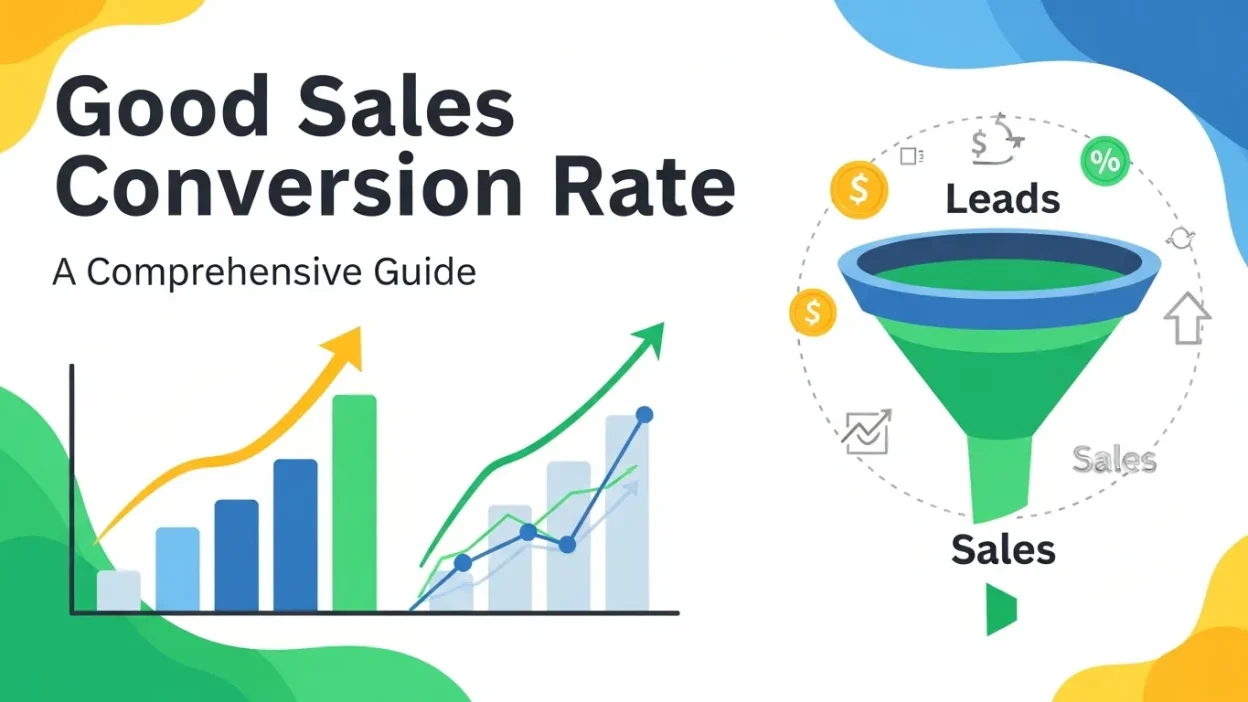
A good sales conversion rate is more than just a number—it’s a critical indicator of your business’s health and growth potential. Even if your conversion rates have been high historically, relying solely on past performance isn’t enough. Whether your business faces slow periods or market fluctuations, understanding and improving your sales conversion rate is essential for sustained success.
In this blog post, we’ll explore what defines a good sales conversion rate, examine the key factors that influence it, and share practical strategies to turn more leads into paying customers. Whether you’re benchmarking your performance or looking for ways to boost revenue, this guide has insights for every marketer and business owner.
Understanding Sales Conversion Rates
Before we define what makes a good sales conversion rate, it’s important to understand what a sales conversion rate actually measures.
A sales conversion rate is the percentage of leads that successfully turn into paying customers. It’s calculated using this formula:
Sales Conversion Rate = (Number of Conversions ÷ Number of Leads) × 100
For example, if your business receives 1,000 leads in a month and 100 of them make a purchase, your sales conversion rate is 10%. This metric serves as a critical key performance indicator (KPI) in sales and marketing, showing how effectively your strategies turn interest into actual revenue.
What Is Considered a Good Sales Conversion Rate?
A good sales conversion rate is not the same for every business. It depends on your industry, sales model, and target audience. Here’s a general benchmark for different sectors:
- E-commerce: Typical conversion rates range from 1–3%, though well-optimized websites can achieve 5% or higher.
- B2B Sales: Conversion rates generally fall between 2–5%, as the B2B sales cycle is longer and more complex.
- Lead Generation Websites: Companies focused on collecting leads see average conversion rates of 10–15% for email subscriptions, though actual sales may be lower.
- High-Ticket Products & Services: Luxury or expensive items often have conversion rates below 2%, since customers take more time to deliberate.
While these benchmarks provide guidance, the true definition of a good sales conversion rate depends on your business goals, the quality of your leads, and how effectively your sales process converts interest into paying customers.
Factors That Influence Your Sales Conversion Rate
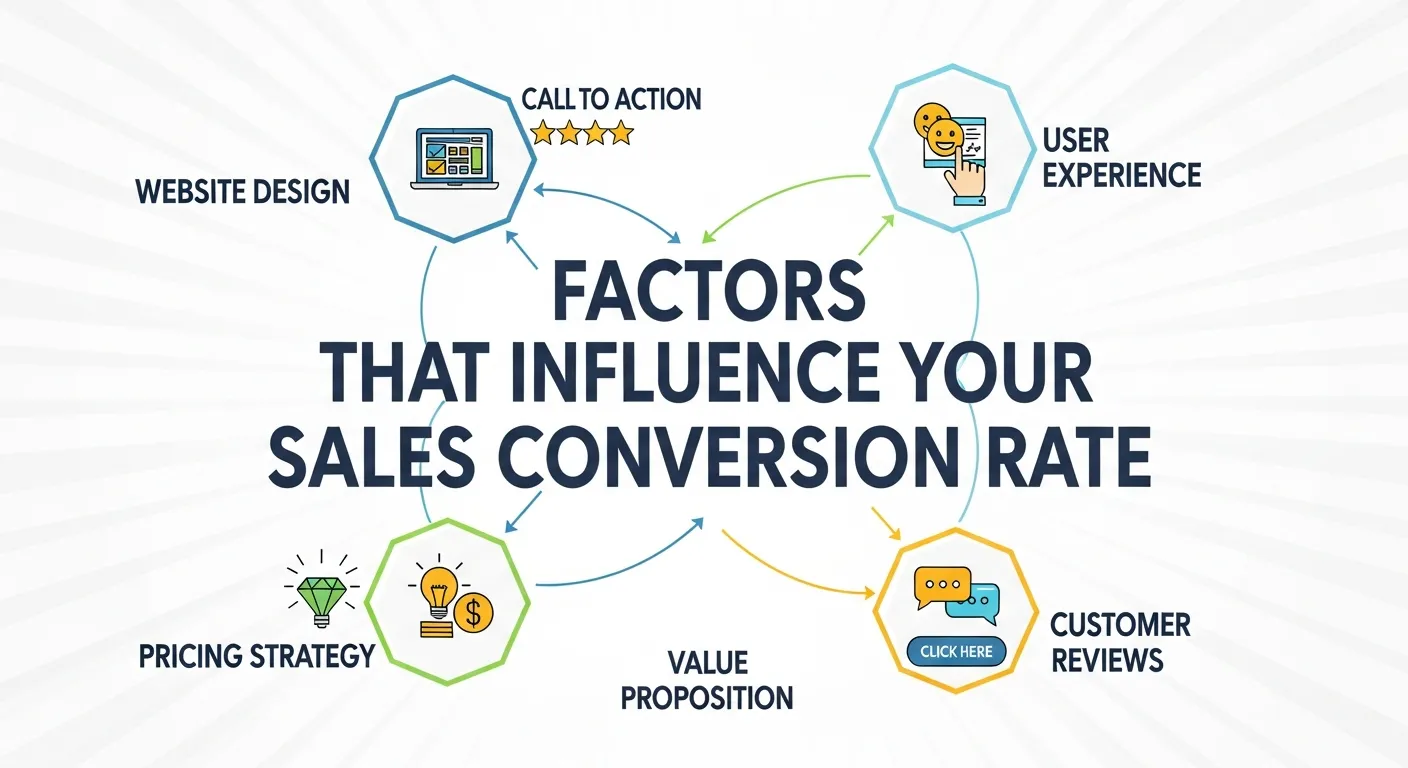
Several factors can positively or negatively affect your sales conversion rate. Knowing these variables can help you identify improvement opportunities.
1. Target Audience Fit
If your leads aren’t aligned with your Ideal Customer Profile (ICP), your conversion rate is likely to suffer. Selling to the wrong audience means wasted time and fewer sales.
2. Lead Quality
Not all leads are created equal. Those acquired through well-targeted advertising or inbound marketing strategies generally convert better than cold leads.
3. Website or Funnel Experience
Your website or sales funnel plays an integral role in conversions. An intuitive, fast, and mobile-friendly design offers a better experience and increases the chances of customers completing a purchase or inquiry.
4. Sales Process Efficiency
A lengthy or complicated sales process can harm your conversion rate. Streamlined processes, such as digital contracts or instant quotes, enable quicker buying decisions.
5. Product/Service Pricing
Your pricing strategy can either attract or repel potential customers. Offering clear value will help justify the cost, especially if your pricing falls on the higher end.
6. Customer Trust and Social Proof
For first-time buyers or clients, trust is crucial. Reviews, testimonials, and social proof can substantiate your offerings and provide reassurance, often boosting conversions.
7. Competition in the Market
If numerous competitors compete for similar demographics, your ability to differentiate your product or service becomes key to conversion success.
How to Improve Your Sales Conversion Rate
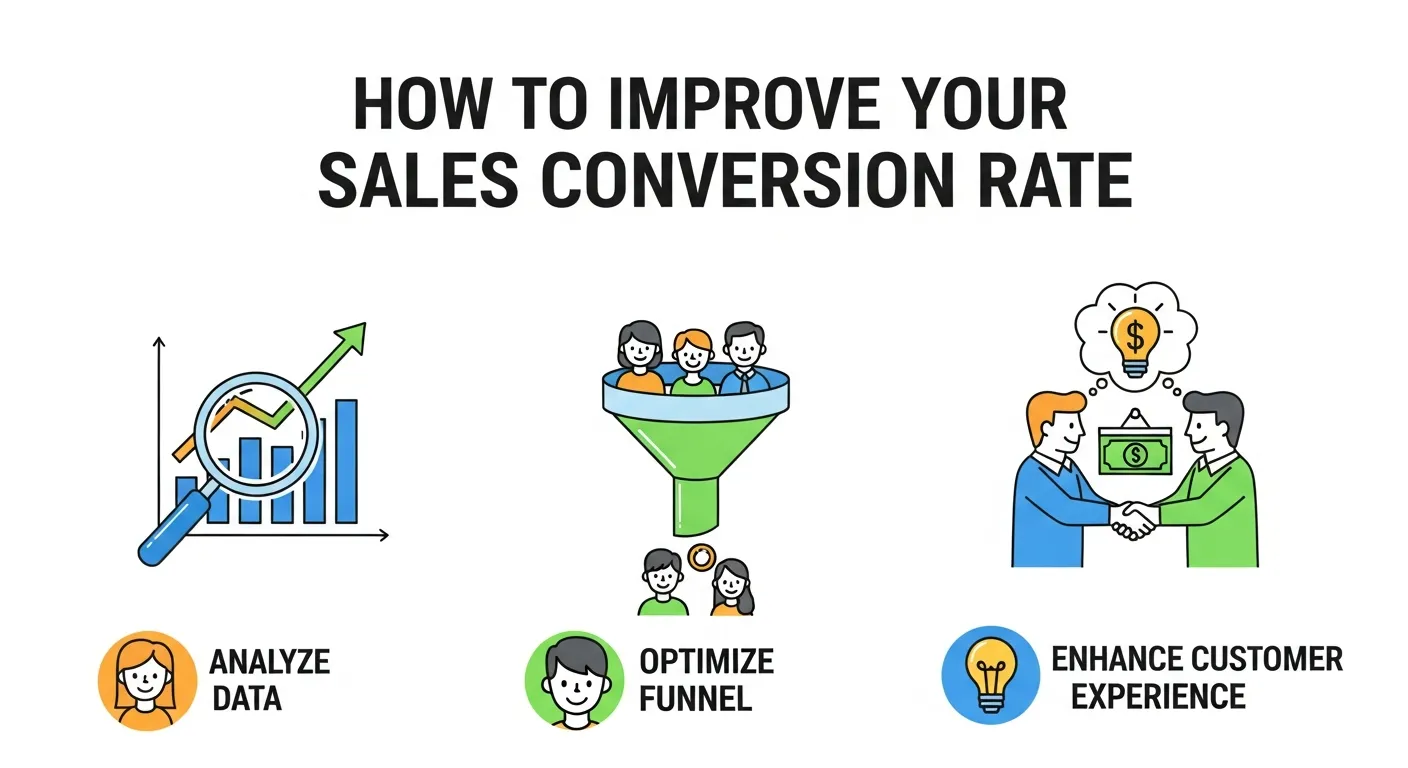
If your current metrics fall short of expectations, don’t worry. There are multiple strategies to optimize your approach and consistently achieve a good sales conversion rate. By refining your processes, targeting the right leads, and improving customer interactions, you can turn more prospects into paying customers.
1. Refine Lead Quality
High-quality leads are the foundation of a good sales conversion rate. Focus on attracting prospects who match your Ideal Customer Profile (ICP) using customer analytics tools, data segmentation, or AI-driven platforms. Targeted leads convert faster and require less effort to nurture.
2. Enhance Landing Pages
Your landing pages play a crucial role in maintaining a good sales conversion rate. Ensure they feature clear call-to-actions (CTAs), persuasive headlines, compelling visuals, and mobile-friendly design. A/B testing different elements helps determine what resonates most with your audience.
3. Strengthen Follow-Ups
Even interested prospects may need a nudge. Implement structured follow-ups through automated emails or personalized outreach to guide leads toward conversion. Prompt, relevant follow-ups can significantly improve your good sales conversion rate.
4. Leverage Social Proof
Customer reviews, testimonials, and trust badges build credibility. When prospects see others speaking highly of your brand, their confidence increases, which directly boosts your good sales conversion rate.
5. Offer Incentives
Incentives such as limited-time discounts, freebies, or loyalty rewards encourage hesitant leads to act. For example, offering a 10% discount on first purchases or free shipping for qualifying orders can increase conversions and overall sales performance.
6. Conduct Sales Training
A well-trained sales team is critical for achieving a good sales conversion rate. Train your team to handle objections effectively, recognize buying signals, and close deals confidently. Skilled salespeople often make the difference between a lost lead and a converted customer.
7. Shorten the Sales Cycle
Streamline your sales funnel by removing unnecessary steps. A faster, frictionless process allows prospects to make quicker decisions, directly improving your sales conversion rate.
8. Use AI and Automation
AI and automation tools can transform your sales process. From tracking leads to predicting customer behavior and automating routine tasks, these technologies free your team to focus on high-value interactions, helping maintain a consistently good sales conversion rate.
9. Analyze and Adjust
Continuous testing is key to improvement. Measure performance, experiment with new strategies, and adjust based on results. Regular analysis ensures your efforts consistently enhance your sales conversion rate, keeping your business competitive and growth-ready.
Leveraging Media Buying to Boost Conversions
Strategic media buying is more than just placing ads—it’s about ensuring every marketing dollar targets audiences most likely to convert. By understanding where your ideal customers spend their time and how they interact with different platforms, businesses can maximize the ROI of campaigns. Media buying isn’t only about reach; it’s about precision, relevance, and continuous optimization. Companies that master this can turn casual clicks into qualified leads, and ultimately, paying customers.
Key Steps for Effective Media Buying:
- Define Campaign Goals Clearly – Identify whether your primary objective is lead generation, direct sales, brand awareness, or retargeting. Without specific goals, it’s difficult to measure the success of your campaigns.
- Deep Audience Targeting – Use demographic, psychographic, and behavioral data to reach prospects who align with your Ideal Customer Profile (ICP). Consider interests, purchasing habits, and online behaviors to ensure your campaigns are highly relevant.
- Channel Selection Strategy – Different audiences prefer different platforms. For instance, B2B leads often respond better to LinkedIn, while e-commerce shoppers may be more active on Instagram or TikTok. Allocating budget wisely across channels can make a huge difference.
- Creative Optimization – Regularly test ad creatives, copy, and visuals. A/B testing ensures you identify which messaging resonates best with your audience and encourages action.
- Budget Efficiency & Tracking – Use analytics tools to track clicks, impressions, and conversions, adjusting spend to focus on high-performing campaigns.
Impact of Media Buying on Conversion:
| Metric | Before Media Buying | After Optimized Media Buying | % Improvement |
|---|---|---|---|
| Leads per Month | 800 | 1,350 | +68% |
| Sales Conversion Rate (%) | 6 | 10 | +66% |
| Cost per Conversion ($) | 45 | 28 | -38% |
| ROI ($ earned per $ spent) | 2.2 | 4.1 | +86% |
By focusing on high-performing campaigns and analyzing data continuously, businesses can transform clicks into measurable growth. Learn more about advanced media buying strategies clicks to conversions how media buying services drive-growth.
Optimizing B2B Email Marketing for Conversions
Email marketing remains a cornerstone of B2B sales, but its success depends on relevance, personalization, and timing. Unlike B2C audiences, B2B leads often require more touchpoints, careful nurturing, and value-driven content to convert. By combining list segmentation, clear messaging, and follow-ups, companies can increase engagement, drive higher conversions, and generate more revenue from their email campaigns.
Essential Steps to Boost B2B Email Conversions:
- Personalized Subject Lines & Content – Emails with personalization in subject lines or body content see significantly higher open and click-through rates. Use first names, company names, or industry-specific references to create relevance.
- Segment Your Audience – Divide email lists by industry, company size, role, or engagement history. Targeted messages resonate more than generic emails, increasing the likelihood of conversion.
- Craft Clear, Compelling CTAs – Each email should have a clear next step, whether it’s scheduling a demo, downloading a whitepaper, or completing a purchase.
- Automated Nurture Sequences – Build sequences to engage leads over time. Follow-up emails ensure your brand stays top-of-mind and can help re-engage inactive prospects.
- Analyze Metrics Continuously – Monitor open rates, click-through rates, and conversion rates to identify high-performing campaigns and optimize underperforming ones.
B2B Email Performance Example:
| Metric | Industry Average | Optimized Campaign | % Change |
|---|---|---|---|
| Open Rate (%) | 18 | 32 | +78% |
| Click-Through Rate (%) | 3.5 | 7 | +100% |
| Conversion Rate (%) | 1.2 | 3.8 | +217% |
| Leads Generated | 150 | 410 | +173% |
Well-targeted email campaigns turn passive subscribers into active buyers, directly improving your sales conversion rate. For a detailed guide on B2B email marketing and conversions, check this resource b2b email marketing open rates and conversions
Voice Search Optimization for Higher Conversions
Voice search is rapidly changing the way customers discover and interact with brands. Users asking questions via voice are often closer to the purchase stage, making voice search optimization a crucial tool for improving sales conversion rates. Brands that optimize for voice are not only more discoverable but also better positioned to capture high-intent traffic, particularly on mobile devices.
How Voice Search Can Boost Sales Conversion:
- Conversational Keywords – Unlike typed searches, voice queries are natural and often question-based. Optimizing for long-tail, conversational keywords ensures your content matches how people speak.
- Local SEO Optimization – Many voice searches have local intent (“near me” or “closest store”), making accurate local listings, maps, and directions critical for driving nearby conversions.
- Featured Snippets & Quick Answers – Providing concise, structured content increases the chances of being read aloud by voice assistants, directing high-intent users to your site.
- Mobile-Friendly Design – Voice search users are mostly on mobile devices; responsive, fast-loading pages improve user experience and lead to higher conversions.
- Integrate Structured Data – Use schema markup to help search engines understand your content and present it in rich snippets, making your brand more visible.
Voice Search vs Traditional Search Performance:
| Metric | Standard SEO | Voice-Optimized SEO | % Improvement |
|---|---|---|---|
| Traffic from Search (%) | 35 | 48 | +37% |
| Leads Generated | 220 | 310 | +41% |
| Sales Conversion Rate (%) | 4.0 | 6.5 | +63% |
| Average Time to Purchase (days) | 14 | 10 | -29% |
Optimizing for voice search ensures your brand captures high-intent, ready-to-convert traffic and strengthens your position in an increasingly mobile-first world. For guidance on preparing your brand for voice search, see voice search optimization preparing your brand.
Tracking and Measuring a Good Sales Conversion Rate
Achieving a good sales conversion rate isn’t just about applying tactics—it also requires precise tracking and measurement. Without understanding what’s working and what isn’t, businesses can’t improve their conversion strategies. Measuring your conversion rate helps identify strengths, weaknesses, and opportunities for growth.
Key Metrics to Track for Better Conversions:
- Lead-to-Customer Ratio – Measure how many leads actually turn into paying customers.
- Customer Acquisition Cost (CAC) – Understand how much it costs to acquire each customer relative to revenue.
- Average Deal Size – Track whether your conversions are high-value sales or smaller transactions.
- Sales Cycle Length – Shorter cycles often indicate better alignment with customer needs.
- Conversion Funnel Drop-Off Points – Identify where potential customers abandon the buying process.
Conversion Metrics Example:
| Metric | Current Value | Target Value | Action Plan |
|---|---|---|---|
| Lead-to-Customer Ratio (%) | 8 | 12 | Refine lead targeting |
| Customer Acquisition Cost ($) | 75 | 50 | Optimize marketing spend |
| Average Deal Size ($) | 200 | 250 | Upsell and cross-sell strategies |
| Sales Cycle Length (days) | 21 | 15 | Streamline sales process |
| Funnel Drop-Off Rate (%) | 35 | 20 | Improve landing pages & CTAs |
By consistently measuring these metrics, businesses can fine-tune their strategy and maintain a good sales conversion rate over time.
Enhancing Customer Experience to Improve Sales Conversion
A good sales conversion rate depends heavily on the quality of the customer experience. Customers who feel understood, supported, and confident in their decision are more likely to complete a purchase. Every touchpoint—from the website to follow-up communication—can impact conversions positively or negatively.
Ways to Enhance Customer Experience:
- Simplify the Purchase Process – Minimize steps and remove friction from your checkout or inquiry forms.
- Provide Clear Information – Detailed product descriptions, pricing transparency, and FAQs build trust.
- Responsive Customer Support – Quick responses via chat, email, or phone help customers feel secure.
- Personalized Recommendations – Suggest products or services based on browsing behavior or past purchases.
- Mobile Optimization – Ensure your site is fast and easy to navigate on smartphones and tablets.
Customer Experience vs Conversion :
| Experience Element | Poor Implementation | Optimized Approach | Conversion Impact |
|---|---|---|---|
| Checkout Process | Complicated | 1-2 Step Checkout | +25% |
| Product Information | Limited | Detailed & Clear | +18% |
| Customer Support Response | Slow | Instant Chat | +22% |
| Personalized Recommendations | None | AI-Based Suggestions | +15% |
| Mobile Site Performance | Slow/Cluttered | Fast & Responsive | +20% |
Improving the overall customer experience ensures leads are guided smoothly from interest to purchase, sustaining a good sales conversion rate while increasing customer satisfaction and loyalty.
Key Takeaways for Achieving a Good Sales Conversion Rate
Simply meeting industry benchmarks is not enough to maintain a good sales conversion rate. To achieve meaningful growth, businesses must continuously refine strategies and measure performance against their specific goals.
To consistently improve your sales conversion rate, consider the following:
- Know What Defines a Good Sales Conversion Rate for Your Business – Understand your benchmarks, industry standards, and target metrics.
- Monitor Lead Quality – High-quality leads are more likely to convert, so focus on attracting prospects who align with your Ideal Customer Profile.
- Build Customer Confidence – Trust, social proof, and clear communication influence whether prospects take action.
- Optimize the User Experience – A seamless website or sales funnel encourages leads to complete purchases.
- Streamline Follow-Ups and Sales Processes – Prompt, personalized follow-ups and efficient processes help turn prospects into paying customers.
By paying attention to these key factors, businesses can not only reach but sustain a good sales conversion rate, turning more leads into loyal customers and driving long-term revenue growth.
Frequently Asked Questions (FAQ) on Good Sales Conversion Rate
1. What is a good sales conversion rate?
A good sales conversion rate is the percentage of leads that successfully become paying customers. It varies by industry, sales model, and target market, but consistently improving it indicates effective marketing and sales strategies.
2. Why is tracking my sales conversion rate important?
Tracking your sales conversion rate helps identify what’s working and where improvements are needed. It reveals the effectiveness of your campaigns, landing pages, and sales processes, ensuring you can make data-driven decisions.
3. How can I calculate my sales conversion rate?
Use this formula: Sales Conversion Rate = (Number of Conversions ÷ Number of Leads) × 100. For example, if 100 out of 1,000 leads purchase, your conversion rate is 10%. Regular tracking helps maintain a good sales conversion rate.
4. What factors influence a good sales conversion rate?
Several factors impact conversions, including lead quality, audience targeting, pricing, website experience, follow-up efficiency, and social proof. Optimizing each can significantly improve your sales conversion rate.
5. How can content optimization improve my conversion rate?
High-quality, relevant content builds trust and guides prospects through the sales funnel. Incorporating persuasive CTAs and personalized messaging ensures higher engagement, boosting your good sales conversion rate.
6. Can CRO strategies help improve sales conversion?
Yes, conversion rate optimization (CRO) is designed to improve your good sales conversion rate.
Build a career in CRO strategies – Learn the fundamentals and career opportunities in CRO.
7. What are some advanced techniques to increase sales conversions?
Advanced CRO tactics include A/B testing, heatmaps, personalized offers, and AI-driven insights. These methods help refine your sales funnel and achieve a good sales conversion rate.
Advanced CRO strategies for business growth – Explore actionable strategies to optimize conversions.
8. How does lead quality affect conversion rates?
High-quality leads aligned with your Ideal Customer Profile (ICP) are more likely to convert. Poorly targeted leads waste resources and lower your overall good sales conversion rate.
9. Can I improve conversion rates with better sales processes?
Absolutely. Streamlined, efficient sales processes reduce friction and make it easier for leads to convert. Training your team and optimizing follow-ups directly enhance your sales conversion rate.
CRO strategies to take your business to the next level – Practical tips for improving conversions.
10. How often should I review and optimize my conversion strategies?
Regular review is essential. Weekly or monthly monitoring allows you to identify issues, test new approaches, and make improvements. Continuous optimization is key to sustaining a good sales conversion rate over time.