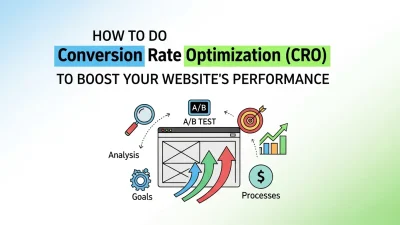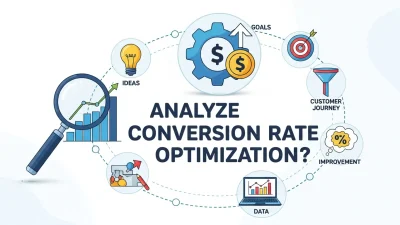

While generating traffic for your website is important, the real question is — what happens after visitors arrive? Are they simply browsing and leaving, or are they taking meaningful actions that drive your business forward? This is where Conversion Rate Optimization (CRO) becomes essential.
CRO focuses on improving your Conversion Rate — the percentage of visitors who complete a desired action such as signing up for a newsletter, making a purchase, or downloading a valuable resource. Instead of just bringing in more traffic, it helps you make the most of the visitors you already have by turning interest into action.
But how exactly does Conversion Rate Optimization work, and why is it such a powerful strategy for business growth? In today’s competitive digital landscape, understanding and improving your conversion process can mean the difference between a website that performs — and one that merely exists.
This guide will equip you with the essentials of CRO, the tools that power it, and the proven steps you can implement to enhance your website’s performance and turn visitors into loyal customers.
What is Conversion Rate Optimization?
Conversion Rate Optimization is the process of improving your website’s elements to encourage visitors to take specific actions. The ultimate goal? To maximize the value of your existing traffic without increasing your ad spend.
But first, what exactly is a “conversion”? A conversion is any action a visitor takes on your website that aligns with your business goals. Examples include:
- Completing a purchase
- Submitting a contact form
- Downloading an eBook
- Signing up for a free trial
- Clicking on a call-to-action (CTA)
The conversion rate is calculated by dividing the number of successful conversions by the total number of visitors to your site, then multiplying by 100 to get a percentage.
Why is CRO Important for Your Business?
Optimizing your conversion rate has a tangible impact on your bottom line. Here’s why businesses of all sizes should care about CRO:
- Maximize ROI on Your Traffic
Increasing ad spend to drive more traffic can be expensive. CRO ensures that the visitors you’re already attracting convert at a higher rate, meaning you get more value from your existing marketing budget.
- Improved User Experience (UX)
CRO often overlaps with optimizing your website’s usability. The easier and more enjoyable your site is to use, the more likely visitors are to engage and convert. This also boosts customer satisfaction and retention.
- Valuable Insights
The CRO process involves learning about your audience’s behaviors, needs, and challenges. These insights can inform your future marketing decisions and product improvements.
- Competitive Advantage
While your competitors might focus solely on driving traffic, prioritizing CRO can set you apart and help you capture as much market share as possible.
The Key Elements of CRO
CRO isn’t simply about throwing new CTAs onto your web pages and hoping for the best. It involves carefully analyzing and improving different aspects of your website. Here are some of the core elements:
1. Audience Analysis
Understand who your visitors are, where they’re coming from, and what they’re looking for. Use tools like Google Analytics to gather data on user behavior, demographics, and traffic sources.
2. Landing Page Optimization
Your landing page is often the first thing visitors see, so it plays a critical role in conversions. Key factors to optimize include:
- Headline and subheadings
- Layout and design clarity
- Call-to-action placement and wording
- Supporting visuals or video content
3. Clear Calls-to-Action (CTAs)
A strong CTA is critical for guiding visitors to take action. Make your CTAs:
- Clear and actionable (“Get Started,” “Sign Up Now”)
- Visibly placed and easy to identify
- Enticing by highlighting benefits (e.g., “Download your free guide”)
4. Page Load Speed
Slow web pages can be a deal-breaker. Research shows that a delay of even one second can reduce conversions by 7%. Use tools like Google PageSpeed Insights to optimize load times.
5. Simplified Forms
For lead generation, keep sign-up forms as short and simple as possible. The fewer fields a user has to complete, the higher your chances of conversion.
6. Social Proof
Potential customers often rely on others’ experiences before making decisions. Add elements like:
- Testimonials
- Case studies
- Trust badges or security certifications
Behavioral Targeting and Personalization
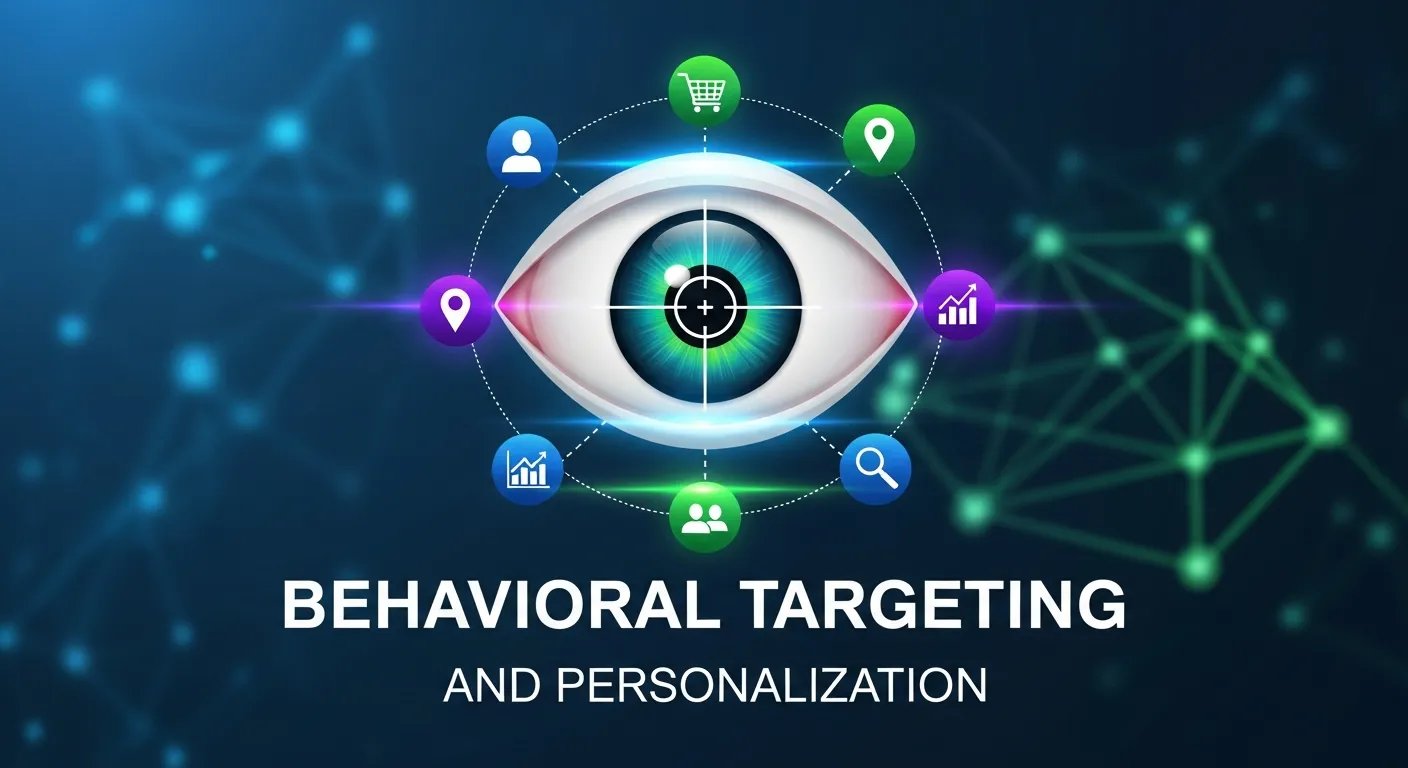
In today’s digital world, a one-size-fits-all website experience simply doesn’t work anymore. One of the most effective ways to increase your Conversion Rate is by tailoring your content, offers, and messaging to match individual visitor behavior — a practice known as Behavioral Targeting and Personalization.
By analyzing how visitors interact with your site — what pages they view, how long they stay, and what actions they take — you can predict their intent and deliver experiences that feel uniquely designed for them. This not only enhances engagement but also strengthens trust, encouraging users to take meaningful action.
Key Benefits of Behavioral Targeting:
- Increased Engagement and Retention: Personalized recommendations keep visitors browsing longer and exploring more content.
- Higher Conversion Likelihood: When users see content and offers relevant to their interests, they are far more likely to convert.
- Improved Brand Perception: Personalization signals that your brand values the customer experience, making users feel seen and understood.
- Better Data Utilization: Behavioral data helps you refine your marketing campaigns and product messaging for stronger results.
Effective Tactics to Implement:
- Dynamic Product Recommendations: Display products or services related to a user’s browsing history.
- Personalized Email Follow-Ups: Send tailored emails based on actions like cart abandonment or product views.
- On-Site Pop-Ups: Trigger personalized offers or surveys depending on user behavior or time spent on page.
- Geo-Targeted Messaging: Adjust offers based on the user’s location or regional preferences.
| Behavioral Trigger | Personalized Action | Expected Outcome |
|---|---|---|
| User views pricing page | Offer a limited-time discount | Higher conversion rate |
| Abandons cart | Send a reminder email | Recover lost sales |
| Reads blog posts | Recommend related products | Longer session time |
To make personalization even more impactful, explore click-driven marketing techniques that combine user intent data with actionable insights to turn browsing behavior into instant conversions.
Reducing Friction with Zero-Click Marketing
User experience is the backbone of every successful Conversion Rate Optimization strategy. In many cases, users drop off simply because they are required to perform too many actions to reach your content. Zero-Click Marketing aims to eliminate this friction by providing immediate value within the same platform — without forcing the audience to visit another page or perform extra steps.
Think about it — when users can access your brand’s content directly from search results or within social platforms, they’re more likely to engage. This strategy prioritizes accessibility, convenience, and instant value, which are key to maintaining audience attention in today’s fast-paced digital landscape.
How Zero-Click Marketing Improves Conversion Rate:
- Instant Credibility: By providing clear, helpful answers directly in search results or posts, you position your brand as a trusted authority.
- Reduced User Effort: Fewer clicks mean faster decision-making and lower bounce rates.
- Stronger Organic Reach: Enhanced visibility in SERPs (Search Engine Result Pages) or on social media increases brand awareness and recall.
- Frictionless Engagement: Users can interact, sign up, or engage without leaving their current platform.
Common Examples of Zero-Click Approaches:
- Featured Snippets in Google Search: Provide concise answers to rank above competitors.
- Social Media Polls and Forms: Encourage participation directly within the post.
- Voice Search Optimization: Tailor content for voice assistants like Alexa and Siri.
- Embedded CTAs in Videos or Posts: Let users take action instantly directly on the platform.
| Platform | Zero-Click Feature | Conversion Opportunity |
|---|---|---|
| Featured Snippet | Drive visibility and brand trust | |
| Polls & Forms | Capture leads directly | |
| Stories with CTA Stickers | Boost engagement and awareness |
This frictionless model helps you meet users where they are, building trust and engagement faster. To fully leverage its potential, dive deeper into Zero-Click Marketing Strategies and see how integrating value-first experiences can boost your conversions naturally.
Leveraging Paid Traffic through Affiliate PPC
While organic strategies build credibility over time, sometimes your business needs immediate traction — and that’s where Affiliate Pay-Per-Click (PPC) marketing becomes an incredibly powerful tactic to elevate your Conversion Rate.
Affiliate PPC involves collaborating with affiliate marketers who promote your products or services using paid ads on search engines or social media. You only pay for actual clicks, which means your marketing investment is directly tied to performance and results.
Advantages of Affiliate PPC Campaigns:
- Immediate Traffic from Qualified Users: Reach audiences actively searching for what you offer.
- Performance-Based Investment: You pay only for results, making it cost-effective and measurable.
- Scalability: Easily expand campaigns or add affiliates to scale growth quickly.
- Brand Exposure: Affiliates help you tap into new markets and demographics.
Best Practices for a High-Performing Affiliate PPC Strategy:
- Target Long-Tail Keywords: These attract high-intent users with specific search queries.
- Use Retargeting Ads: Re-engage visitors who showed interest but didn’t convert.
- Collaborate with Trusted Affiliates: Choose affiliates who align with your brand’s audience and values.
- Analyze ROI Constantly: Track conversions from each affiliate to allocate budget efficiently.
- Test Ad Creatives: Use A/B testing for headlines, visuals, and CTAs to find what drives the highest conversion.
| Campaign Type | Budget Efficiency | Conversion Potential |
|---|---|---|
| Brand Keywords | High | Very High |
| Competitor Keywords | Medium | Moderate |
| Retargeting Ads | Low | Extremely High |
If you want to explore this scalable growth avenue, read the Pay-Per-Click Affiliate Marketing Guide to understand how affiliate-driven PPC can help you reach motivated audiences faster and improve your ROI.
How CRO Works in Practice
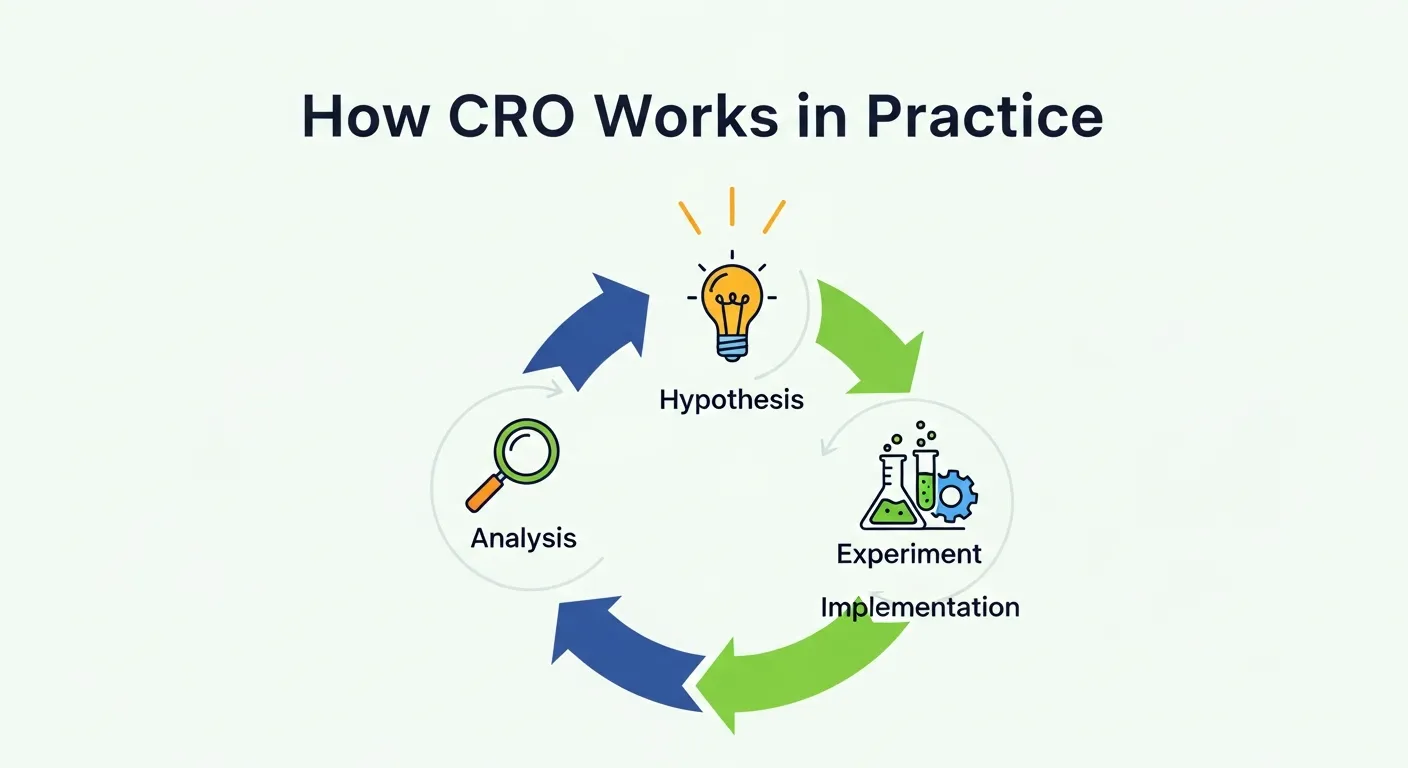
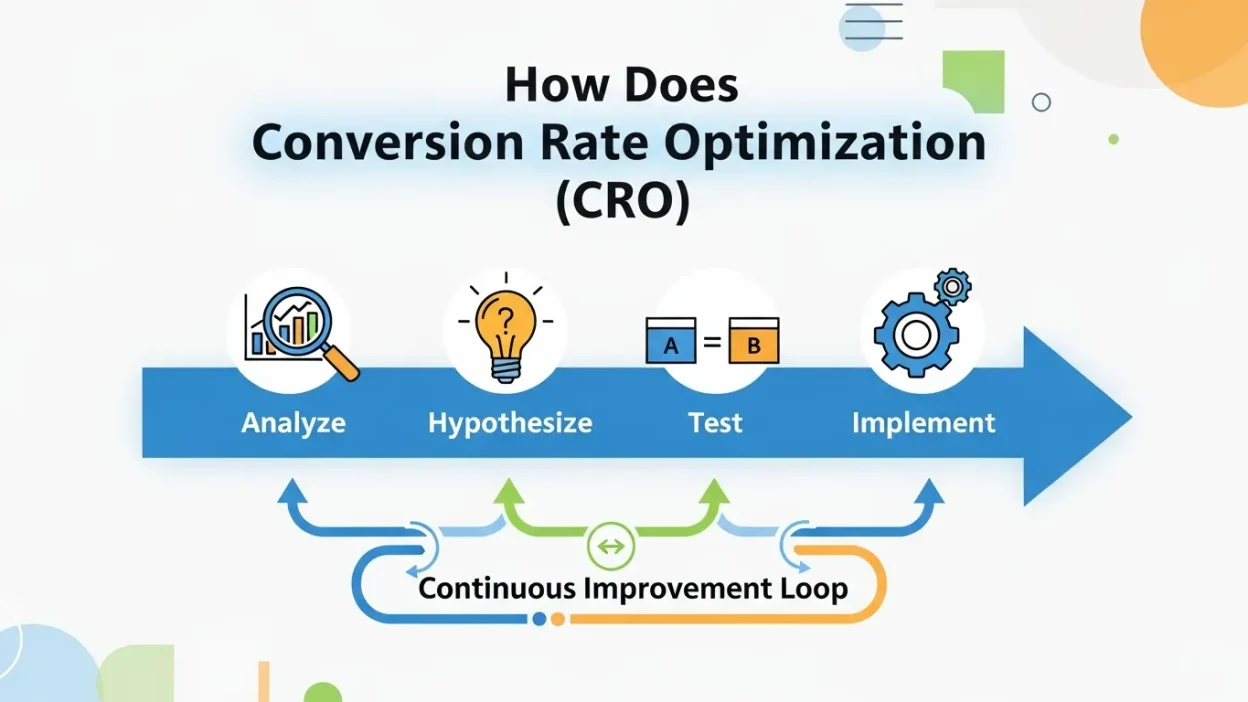
Now that you understand the key elements of Conversion Rate Optimization (CRO), let’s explore how the process actually works in a real-world scenario.
CRO is not a one-time activity — it’s an ongoing, data-driven cycle of learning, testing, and improving. Each step builds upon the previous one, ensuring that every change you make is strategic and measurable.
Step 1. Data Collection & Analysis
The foundation of any successful CRO strategy lies in understanding your audience. Start by analyzing user behavior across your website to identify patterns, pain points, and drop-off areas.
Tools like Hotjar, Crazy Egg, and Google Analytics are invaluable here. They allow you to visualize where users click, how far they scroll, and where they tend to abandon your site.
What to Analyze:
- Bounce rate and session duration
- Heatmaps (to see where users focus attention)
- Exit pages and conversion funnels
- Device performance (desktop vs. mobile)
Goal: Identify barriers preventing users from completing your desired actions.
Step 2. Set Clear, Measurable Goals
Before making any changes, define your Key Performance Indicators (KPIs). These metrics will help you measure the effectiveness of your optimizations.
Examples of CRO Goals:
- Increase product page conversions by 15%
- Boost email newsletter sign-ups by 20%
- Reduce checkout abandonment rate by 10%
- Improve overall site Conversion Rate by 5%
Each goal should be SMART — Specific, Measurable, Achievable, Relevant, and Time-bound.
Goal: Create a clear direction for your testing and optimization efforts.
Step 3. Hypothesize and Plan Improvements
Once you have your data and goals, the next step is to form hypotheses — educated guesses about what changes could lead to better results.
For example, if analytics show that users drop off at the checkout page, you might hypothesize that the checkout process is too long or that the shipping costs are unclear.
Sample Hypotheses:
- Simplifying the form fields will increase sign-ups.
- Adding testimonials near CTAs will improve trust and conversions.
- A brighter CTA button color will draw more clicks.
Goal: Develop data-backed ideas for improving the Conversion Rate.
Step 4. Testing (A/B or Multivariate)
Testing is the core of CRO. Through A/B testing, you compare two different versions of a webpage — Version A (the original) and Version B (the variation) — to see which performs better in achieving your goals.
What You Can Test:
- Headlines: Short vs. descriptive titles
- CTA Buttons: Color, placement, and text
- Images and Visuals: Product photos vs. lifestyle images
- Form Fields: Fewer steps vs. detailed information
Tools like Optimizely, VWO, and Unbounce make it easy to set up and monitor these tests.
Goal: Identify which changes lead to the highest Conversion Rate uplift.
Step 5. Implementation of Winning Variations
Once your test results are in, it’s time to take action. Implement the winning variations permanently across your website or marketing funnel.
However, CRO doesn’t stop there — successful teams continue refining, expanding tests to other areas, and validating results across devices and audience segments.
Implementation Tips:
- Roll out changes gradually to monitor performance.
- Document each test and result for future reference.
- Re-run tests if the sample size was small or inconclusive.
Goal: Apply data-proven improvements for sustainable growth.
Step 6. Monitor, Measure, and Repeat
CRO is a continuous optimization cycle, not a one-time fix. After implementing changes, regularly monitor their impact on user engagement and sales.
Conversion behavior evolves due to shifting trends, seasonality, and user expectations — so staying adaptive is key.
Metrics to Track Over Time:
- Conversion Rate (overall and by channel)
- Average session duration and page depth
- Customer Lifetime Value (CLV)
- Funnel drop-off rates
If a specific change stops performing well, revisit your hypothesis, collect fresh data, and start the cycle again.
Goal: Maintain ongoing improvement and long-term Conversion Rate growth.
Quick Summary: The CRO Optimization Cycle
| Step | Action | Outcome |
|---|---|---|
| 1. Data Collection | Analyze user behavior | Identify problem areas |
| 2. Goal Setting | Define KPIs | Establish clear targets |
| 3. Hypothesis | Plan data-driven tests | Predict impact |
| 4. Testing | Run A/B or multivariate tests | Measure performance |
| 5. Implementation | Apply the best-performing version | Improve conversions |
| 6. Monitoring | Track and repeat | Ensure sustained growth |
Tools to Help with CRO
A strong Conversion Rate Optimization (CRO) strategy relies on data, precision, and consistent experimentation. Fortunately, modern tools make this process faster, smarter, and more measurable.
From heatmaps and analytics to testing platforms, these tools help you identify bottlenecks, improve user experience, and continuously optimize your conversion funnel.
Below are some of the most widely used and effective CRO tools you can integrate into your workflow:
1. Google Analytics – Understand User Behavior and Traffic Sources
Google Analytics is the cornerstone of any CRO campaign. It provides comprehensive insights into who your visitors are, how they find your site, and what actions they take once they arrive.
Key Features:
- Track traffic sources (organic, paid, referral, or social).
- Measure bounce rates, session durations, and top-performing pages.
- Identify which user segments have the highest Conversion Rate.
- Analyze user journeys across your funnel.
Use it to pinpoint where users drop off and which channels bring the highest-quality traffic.
2. Hotjar – Visualize User Behavior with Heatmaps
Hotjar takes CRO a step further by showing you exactly how users interact with your site. With visual feedback through heatmaps, scroll maps, and session recordings, you can see what captures attention — and what gets ignored.
Key Features:
- Heatmaps showing where users click, tap, or scroll.
- Real-time session replays for understanding user frustration points.
- On-site surveys and feedback polls for direct user input.
- Conversion funnel tracking to find where users abandon the journey.
Perfect for identifying UX issues that affect your Conversion Rate.
3. Optimizely – Run A/B and Multivariate Tests
Optimizely is one of the most powerful platforms for A/B testing, allowing you to test different versions of web pages and features.
It empowers marketers and developers to make decisions based on actual user data instead of assumptions.
Key Features:
- Run controlled experiments (A/B or multivariate).
- Measure the impact of layout, color, copy, and design changes.
- Segment tests by device type, location, or user demographics.
- Integrate with analytics platforms for deeper insights.
Use it to determine which design or content changes truly improve conversions.
4. Unbounce – Optimize Landing Pages for Higher Conversions
If your business relies heavily on campaigns and lead generation, Unbounce is a must-have. It enables you to quickly create and test high-performing landing pages without needing a developer.
Key Features:
- Drag-and-drop landing page builder.
- Built-in A/B testing functionality.
- AI-powered Smart Traffic feature that automatically directs visitors to the version most likely to convert.
- Pre-built templates designed for better Conversion Rates.
Great for marketers who want to launch, test, and refine pages efficiently.
5. Crazy Egg – Visual Data Insights Made Simple
Crazy Egg offers similar behavioral analysis to Hotjar but with additional visual reporting and optimization features.
It’s designed for teams that want actionable insights without deep technical setup.
Key Features:
- Heatmaps, scroll maps, and confetti reports showing click patterns.
- A/B testing for headlines, images, and layout changes.
- Easy integration with CMS platforms like WordPress or Shopify.
- Automatic recommendations for improving engagement and conversions.
Helps visualize exactly how users interact with your web elements, helping you make data-driven CRO decisions.
Bonus Tools for Advanced CRO
| Tool Name | Purpose | Best For |
|---|---|---|
| VWO (Visual Website Optimizer) | A/B testing & personalization | Marketers focused on enterprise-level CRO |
| HubSpot | Tracking leads and conversion paths | Inbound marketing and automation |
| Lucky Orange | Real-time analytics & visitor recordings | Mid-sized businesses improving UX |
| Adobe Target | AI-driven personalization & testing | Large-scale enterprises |
| Mixpanel | Product usage analytics | SaaS and app-based businesses |
Why These Tools Matter
Using the right CRO tools allows your business to:
- Understand visitor intent and remove conversion barriers.
- Validate assumptions with testing instead of guesswork.
- Improve site usability for a better overall customer experience.
- Continuously refine your marketing funnel to increase Conversion Rate and ROI.
Remember, CRO isn’t about random changes — it’s about using data to drive consistent improvement.
Start by integrating one or two tools that align with your business goals, test results, and scale as you grow.
Real-Life Example of CRO in Action
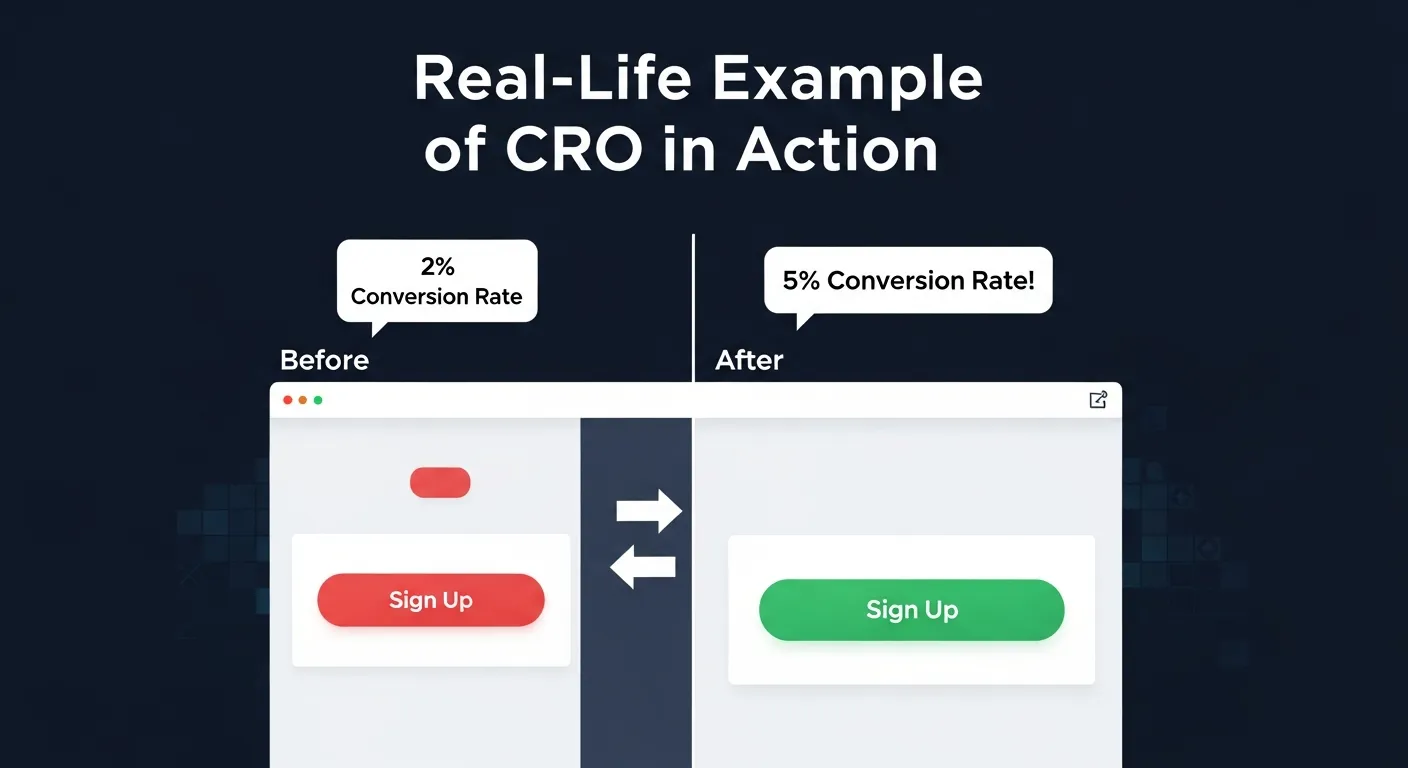
To truly understand how Conversion Rate Optimization (CRO) impacts real-world business outcomes, let’s look at a practical example of how data-driven insights can transform website performance.
A mid-sized SaaS (Software as a Service) company was facing a major challenge: despite attracting consistent website traffic, its pricing page wasn’t converting visitors into paying customers. Analytics data revealed that while users were scrolling through pricing tables, many were leaving without taking any further action. The conversion numbers were stagnant, and the marketing team knew something crucial was being overlooked.
To uncover the issue, the team turned to behavior analytics tools like Hotjar and Crazy Egg, which provided visual heatmaps and session recordings. These insights revealed an unexpected pattern — most users were not scrolling down far enough to read the Frequently Asked Questions (FAQs) section, which contained valuable information addressing pricing concerns, refund policies, and feature clarifications.
The team realized that these FAQs were essential to the decision-making process. Potential customers were likely hesitant because their doubts remained unresolved.
The Fix
To eliminate this friction, the company redesigned its pricing page. The FAQs were moved directly below the pricing table, ensuring visitors would immediately see and access key clarifications without needing to scroll. Additionally, the FAQ answers were shortened and made more concise, improving readability and visual appeal.
The team also ran an A/B test to compare the performance of the new layout against the old one. Within weeks, the data spoke for itself.
The Result
The new layout delivered a 28% increase in pricing page conversions, directly improving the company’s monthly recurring revenue. This single change not only boosted sales but also enhanced the user experience — visitors were now spending more time on the page and engaging with the content more confidently.
Beyond the numbers, this case proved an important CRO lesson: small, data-informed adjustments can create substantial performance gains. By prioritizing clarity and user intent, businesses can turn hesitation into action — and browsers into buyers.
Take Your Website to the Next Level
In the digital era, your website isn’t just an online presence — it’s the heart of your marketing ecosystem. Every visitor represents potential revenue, and every lost click signals a missed opportunity. That’s why a strong Conversion Rate Optimization (CRO) strategy is not just beneficial but essential for sustainable growth.
CRO is about more than tweaking buttons or redesigning layouts. It’s a systematic process of understanding your users, testing hypotheses, and refining experiences to align perfectly with customer intent. When you adopt a data-driven mindset, you replace guesswork with precision. Instead of wondering why conversions are low, you use evidence to uncover the “why” behind every user behavior.
A well-optimized website not only attracts visitors — it guides them seamlessly toward action. Whether your goal is to drive sales, generate leads, or encourage sign-ups, CRO ensures that each element of your website — from your headlines and images to your CTAs and navigation — works harmoniously to boost your Conversion Rate.
Start by performing a comprehensive website audit. Identify pages with high traffic but low engagement, analyze your conversion funnel, and pay close attention to areas where users drop off. Use insights from analytics and testing tools to make incremental changes — because even small improvements can yield significant returns.
Businesses that embrace CRO as a continuous, evolving process often see measurable growth in revenue, lead quality, and customer retention. By optimizing your digital touchpoints, you’re not just improving metrics — you’re creating a better, more intuitive experience for your audience.
So, are you ready to elevate your website performance?
Begin with a data-backed CRO strategy, focus on refining your user experience, and watch how each improvement compounds over time. Remember: in digital marketing, the smartest growth comes not from more traffic — but from better conversions.
Frequently Asked Questions About Conversion Rate Optimization (CRO)
1. What is Conversion Rate Optimization (CRO)?
Conversion Rate Optimization (CRO) is the process of improving your website’s design, content, and functionality to encourage visitors to take a desired action — such as making a purchase, signing up, or downloading a resource. Instead of simply increasing traffic, CRO focuses on maximizing the effectiveness of your existing audience to achieve higher conversions and better ROI.
2. Why is Conversion Rate Optimization important for online businesses?
CRO is vital because it helps you make the most out of your current traffic. Even a small increase in your Conversion Rate can significantly boost revenue without additional marketing costs. It improves user experience, increases customer trust, and creates a data-driven path to sustainable business growth.
3. How is the Conversion Rate calculated?
Your Conversion Rate is calculated by dividing the total number of conversions (desired actions taken) by the total number of visitors, then multiplying the result by 100.
For example, if 50 out of 1,000 visitors complete a purchase, your Conversion Rate is 5%.
4. What are the main benefits of improving Conversion Rate Optimization?
Enhancing CRO benefits your business by:
- Increasing sales and leads without more traffic
- Lowering customer acquisition costs
- Improving overall website performance and usability
- Building stronger brand credibility
By refining user experience, you create a seamless customer journey that naturally drives more conversions.
5. What are some common CRO strategies that businesses use?
Businesses often use tactics like A/B testing, landing page optimization, persuasive copywriting, clear call-to-action buttons, and user behavior tracking. These methods help identify what drives engagement and what needs improvement.
To explore effective approaches in detail, check out these CRO strategies for business growth for actionable insights.
6. What tools are best for Conversion Rate Optimization?
Some of the most reliable CRO tools include:
- Google Analytics – for tracking user behavior and sources
- Hotjar or Crazy Egg – for heatmaps and session recordings
- Optimizely – for A/B testing
- Unbounce – for landing page optimization
- VWO – for in-depth experimentation and personalization
Each tool provides unique insights that help you understand how visitors interact with your website and where improvements can be made.
7. How can Conversion Rate Optimization boost a startup or small business?
For startups and small businesses with limited budgets, CRO is a cost-effective growth strategy. Instead of focusing on acquiring more traffic, CRO helps convert the visitors you already have into customers. This approach maximizes your ROI and builds a strong foundation for scalable growth over time.
8. What are some advanced CRO strategies for established brands?
Advanced CRO tactics include AI-driven personalization, predictive analytics, user segmentation, and behavioral targeting. These methods go beyond basic optimization to deliver highly tailored experiences for each visitor.
You can learn more about these advanced methods in this guide to advanced CRO strategies for business growth for professional-level optimization techniques.
9. How can someone build a career in Conversion Rate Optimization?
A career in CRO requires a blend of analytical thinking, marketing expertise, and UX understanding. Professionals often start by learning about A/B testing, analytics, and behavioral psychology. Over time, they specialize in areas like data interpretation and conversion strategy.
If you’re interested in pursuing this path, explore how to build a career in CRO strategies to get started with the right skills and resources.
10. How long does it take to see results from CRO efforts?
CRO results vary depending on your website’s size, traffic volume, and testing frequency. Generally, you can expect noticeable improvements within 4–8 weeks after implementing changes and collecting sufficient data. However, CRO is an ongoing process — consistent testing and optimization will continue to improve your Conversion Rate over time.