

Understanding Friction in the Conversion Journey
Types of Friction and Their Effects
- Cognitive Friction: Complex terminology, ambiguous calls-to-action, or unexpected pricing details that force users to pause and interpret.
- Visual Friction: Overwhelming design elements, competing CTAs, or low-contrast text that obscures key messages.
- Technical Friction: Slow page speeds, broken forms, or compatibility issues on mobile devices that interrupt flow.
- Social Friction: Lack of trust signals such as reviews, testimonials, or guarantees that leave users uncertain.
Each type erodes confidence and increases bounce rates. By categorizing and addressing friction points methodically, you can remove obstacles that sabotage conversions.
Identifying Friction Points on Your Website
Before you can eliminate friction, you must locate it. Here are proven tactics:
- Heatmaps & Scrollmaps: Visualize where users click and how far they scroll. Dead zones and rapid bounces highlight friction hotspots.
- Session Recordings: Watch real visitors navigate your site to catch hesitation, rage clicks, or form abandonment in action.
- User Surveys & Feedback Widgets: Solicit on-page feedback at exit points to learn what confused or frustrated your audience.
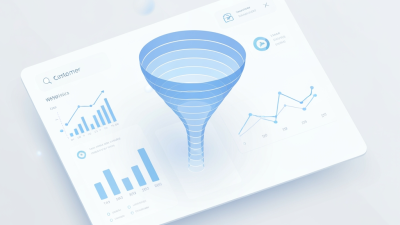
- Funnel Analysis: Pinpoint steps with the highest drop-off rates in your conversion funnel to target optimizations effectively.
For businesses struggling to pinpoint why users aren’t converting, this resource explains common pitfalls: Why your website isn’t converting.

Leveraging Psychology to Reduce Friction
Beyond design tweaks, psychological principles can dramatically lower resistance:
- Progressive Disclosure: Reveal only essential information upfront and expand details on demand. This reduces cognitive load by keeping pages clean and focused.
- Micro-Commitments: Ask for small actions first (e.g., entering an email) to build momentum before larger asks (e.g., payment details). Users are more likely to follow through once invested.
- Social Proof: Display real testimonials, user counts, or trust badges near CTAs to alleviate anxiety and leverage herd behavior.
- Scarcity & Urgency: Use limited-time offers or stock counters sparingly to nudge decisive action without triggering reactance.
By aligning your interface with how users think and decide, you remove friction at a mental level, making choices feel natural and risk-free.
Technical Optimizations for a Smoother Experience
Even the most persuasive copy fails if pages load in 5 seconds or forms break. Prioritize these technical fixes:
- Page Speed: Compress images, leverage browser caching, and minimize JavaScript to achieve sub-3-second load times.
- Responsive Design: Ensure forms, buttons, and navigation adapt fluidly to mobile, tablet, and desktop screens.
- Form Simplification: Remove unnecessary fields, use inline validation, and enable auto-complete to reduce abandonment.
- Security Signals: Display SSL badges, payment logos, and contact information prominently to instill trust.
For ecommerce brands, technical friction is especially costly—learn more in this ecommerce CRO guide.

Step-by-Step Friction Removal Plan
Use this roadmap to tackle friction systematically:
- Audit Current Experience: Gather data via analytics, heatmaps, and user feedback.
- Prioritize Issues: Rank friction points by impact (drop-off rate) and effort (development time).
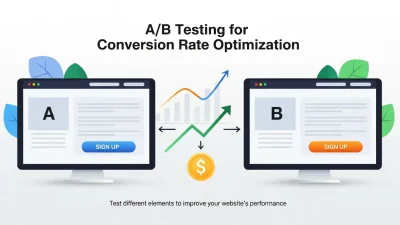
- Design Hypotheses: Frame specific A/B test ideas (e.g., “Removing form field X will increase completion by 10%”).
- Implement & Test: Roll out changes in controlled experiments. Measure key metrics like completion rate, time on task, and bounce rate.
- Analyze Results: Identify winners, refine losers, and iterate continually. Treat CRO as an ongoing practice, not a one-and-done project.
A disciplined process ensures you focus on high-value fixes and avoid chasing every minor tweak.
Measuring Impact and Iterating
Success in friction reduction is measured through concrete metrics:
- Conversion Rate: The primary KPI—track it for each funnel stage to spot lift.
- Task Completion Time: Shorter times often indicate a smoother flow.
- User Satisfaction Scores: Collect post-interaction ratings to gauge perceived ease of use.
- Return Visits & Lifetime Value: Reduced friction fosters loyalty and repeat purchases.
Continuously gather data, refine hypotheses, and run new tests. Even incremental gains compound into substantial growth over time.

Advanced Tactics: Reducing Emotional Friction to Build Deeper Trust
While most teams focus on visual, cognitive, or technical friction, emotional friction is often the invisible barrier that quietly sabotages conversions. Emotional friction occurs when users feel uncertain, overwhelmed, or hesitant because the experience doesn’t instill confidence or safety. This could stem from unclear value propositions, overly aggressive sales tactics, or a lack of empathy in the messaging.
To combat emotional friction, ground your content and design in reassurance. Be explicit about what users will gain, what risks you eliminate, and why your brand is trustworthy. Transparency becomes a powerful tool—being upfront about pricing, cancellation policies, or trial limitations removes mental resistance. Additionally, adopting warm, supportive language throughout the journey creates a sense of partnership rather than pressure. When users feel emotionally secure and understood, even complex decisions feel easier and more natural.
Clear value propositions and transparency eliminate emotional resistance. Learn how emotional drivers affect conversions in our digital CRO primer.
Mapping Intent to Reduce Friction Throughout the Customer Journey
Friction rarely happens in isolation. It accumulates across touchpoints, from the moment someone discovers your brand to the point they complete a purchase or sign up. Mapping customer intent at each stage helps you understand what users expect, what they fear, and what they need clarified before moving forward. For brands looking to align marketing efforts with intent, mastering your digital marketing strategy offers actionable frameworks.
For example, visitors at the awareness stage are exploring possibilities—they are not ready to convert, so friction arises when they’re hit with aggressive CTAs or lengthy forms too early. At the consideration stage, users crave clarity, comparison, and reassurance, so friction appears when product pages lack detailed information or fail to differentiate from alternatives. By the decision stage, users simply want a smooth finish; any complication—an unexpected fee, a slow-loading checkout page, or unclear return policy—can derail the conversion entirely.
When your journey matches user intent, friction naturally dissolves. Each page, message, and interaction must align with what the user needs at that moment, guiding them forward with confidence instead of confusion.
Using Personalization to Remove Friction Automatically
Modern personalization tools allow brands to predict friction before it even arises. Instead of offering every user the exact same experience, personalized UX tailors content, recommendations, and funnel steps to each individual’s behavior.
For new visitors, personalization might mean simplifying choices and offering brief explanations. For returning visitors, it could surface previously viewed products, saved carts, or faster login paths. For hesitant users lingering on a checkout page, intelligent nudges like chatbot assistance, comparison tables, or trust messages can reduce doubt without being intrusive.
When personalization is executed with subtlety and respect for privacy, it becomes a friction-removal engine. It reduces unnecessary searching, shortens decision-making time, and helps users feel seen and supported. The goal is not to overwhelm people with dynamic content—but to remove irrelevant noise and guide them intuitively toward the right step.
The Role of Emotionally Intelligent AI in Frictionless Experiences

As AI becomes embedded in digital experiences, it has the power to eliminate friction in ways that manual optimization cannot. Emotionally intelligent AI systems can detect frustration signals—such as repeated clicks, indecision, or extended inactivity—and respond instantly. They may offer a simplified version of the page, a help tooltip, or direct users toward assistance.
AI-powered chatbots reduce friction by answering questions in real time, clarifying confusing steps, or offering quick solutions to common obstacles. Predictive AI can anticipate drop-off moments and intervene with supportive messages, such as reminding users of benefits or addressing common objections.
This level of responsiveness creates a feeling of personalization and care, helping users stay calm and confident throughout the journey. While AI should never replace genuine UX improvements, it acts as a safety net that cushions the experience whenever friction appears unexpectedly.
Long-Term Friction Management: Building a Culture of Continuous Optimization
The most successful companies don’t view friction reduction as a one-time project—they see it as an ongoing cultural practice. Digital environments evolve, customer expectations shift, and design trends change. A frictionless experience today may become outdated next year.
Embedding optimization into your team’s workflow ensures that friction is identified early and removed before it spreads. This includes routine usability tests, quarterly website audits, ongoing user interviews, and proactive updates to keep up with mobile and algorithm changes.
Encourage collaboration between design, marketing, engineering, and customer support teams. Each department sees friction from a different perspective, and cross-functional insight often uncovers problems you’d otherwise miss. By building a culture that values curiosity, experimentation, and user empathy, you keep friction low and conversions high over the long term.
Conclusion
Friction is the invisible conversion killer lurking in every digital experience. By combining psychology, design, and technical optimization, you can systematically remove barriers and dramatically improve conversions. Continuous improvement ensures long-term wins.
For more actionable insights, don’t miss the complete guide to optimization strategy.
Frequently Asked Questions (FAQ)
Why does friction matter so much if my product is already great?
A strong product is essential, but users rarely discover its value if the path to it is difficult. Most visitors won’t struggle through obstacles—they’ll simply choose a smoother alternative. This is where the Psychology of Friction becomes critical. Friction creates drop-offs before people experience what makes your business special. Removing friction ensures that your product can shine by eliminating the mental and technical barriers that prevent users from appreciating it.
How do I differentiate between healthy friction and harmful friction?
Not all friction is bad. According to the Psychology of Friction, healthy friction guides thoughtful decisions—like verifying identity for security or confirming a payment to prevent mistakes. Harmful friction, on the other hand, interrupts flow, causes confusion, or undermines trust. A good rule of thumb: If a step protects users or improves accuracy, it may be necessary. If it adds effort without adding value, it’s friction that must be removed.
What tools are most effective for diagnosing friction without a large budget?
Even without expensive platforms, simple tools can reveal powerful insights into the Psychology of Friction in action. Free heatmapping tools show scroll depth and click behavior. Basic analytics highlight drop-off points. Exit-intent surveys uncover user frustrations in their own words. Screen recordings allow you to observe hesitation directly. These low-cost methods combined are often more than enough to identify your most damaging friction hotspots.
Can reducing friction ever harm conversion rates?
In rare cases, removing too much information or simplifying too aggressively can make users feel unsure or uninformed. The Psychology of Friction teaches that clarity builds confidence. For example, cutting product details might reduce cognitive load but also reduce trust. That’s why every change should be tested rather than assumed. Friction reduction works best when it removes obstacles—not clarity or transparency.
How long does it take to see results from friction reduction?
Many teams see improvements within days, especially when optimizing checkout pages, forms, and mobile layouts. When guided by the Psychology of Friction, even small adjustments can create measurable gains. However, long-term benefits accumulate over weeks or months as tests run, insights deepen, and enhancements compound. Treat friction reduction like building muscle—a consistent routine delivers exponential results.
What’s the most common friction point businesses overlook?
Emotional uncertainty. Many brands fix visual clutter or technical bugs but forget that hesitation often stems from fear: fear of wasting money, fear of making a mistake, fear of sharing personal information. The Psychology of Friction highlights that emotional barriers often outweigh technical ones. Addressing emotional friction through clearer value propositions, stronger trust signals, and empathetic messaging often provides the biggest breakthroughs.
How do I know which friction points to tackle first?
Start by analyzing your conversion funnel for the highest drop-off stages, then corroborate with heatmaps and user recordings. The Psychology of Friction suggests prioritizing points where cognitive overload, confusion, or doubt are highest. Focus on issues with the greatest potential lift and lowest implementation effort first.
Can small websites benefit from this approach?
Absolutely. The Psychology of Friction applies at any scale. Even minor improvements—like simplifying a checkout form—can yield double-digit conversion lifts. Reducing cognitive load and technical barriers benefits both small and large businesses alike.
How often should I run CRO tests?
Aim for a continuous cycle: audit, hypothesize, test, analyze, and repeat. Applying the Psychology of Friction consistently allows you to uncover new behavioral insights over time. Running at least one to two tests per month keeps momentum strong and reveals fresh optimization opportunities.