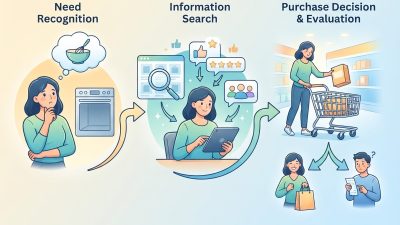


A strong Landing Page User Experience can make the difference between a visitor who quickly leaves and one who becomes a loyal customer. When people arrive on a landing page, they immediately evaluate whether the website looks trustworthy, feels easy to use, and provides the information they need. A confusing design, slow loading speed, unclear messaging, or difficult navigation can create doubt before visitors even understand the offer.
Customer trust develops when a landing page consistently delivers a clear, convenient, and transparent experience. From headlines and page structure to forms, calls to action, and mobile usability, every element can influence how visitors perceive a brand. Businesses can also use conversion tracking, website experiments, and performance analysis to understand visitor behavior and improve the overall experience.
A trustworthy landing page does more than attract attention. It reduces uncertainty, communicates value, supports informed decisions, and creates a smoother path toward lead conversion. By focusing on user needs rather than design alone, businesses can create landing pages that encourage confidence and meaningful engagement.
Why Landing Page User Experience Matters for Customer Trust
Landing pages often create the first meaningful interaction between a potential customer and a business. Visitors may judge credibility within seconds based on visual design, content quality, navigation, and overall usability. A professional experience can make the brand feel reliable, while poor usability can raise concerns about whether the business can deliver on its promises.
Trust is especially important when a landing page asks users to submit personal information, schedule a consultation, purchase a service, or request a quote. Visitors need to feel comfortable before taking action. A well-structured landing page addresses their questions and removes unnecessary obstacles.
First Impressions Influence Perception
The first few seconds of a landing page visit can shape how users perceive a brand. A clear headline, professional layout, relevant visuals, and consistent branding help communicate credibility.
Visitors should quickly understand what the page offers and why it matters. When the value proposition is difficult to identify, users may become uncertain and leave without exploring further.
Clarity Reduces Visitor Uncertainty
Clear content helps visitors understand what they are receiving and what happens after they take action. For example, a form should explain why information is requested, while a call-to-action should communicate the next step. When businesses provide straightforward information instead of exaggerated claims, visitors can make decisions with greater confidence.
Essential Elements of a Trustworthy Landing Page
 A trustworthy landing page combines design, content, usability, and transparency. Each component should support the visitor’s journey instead of creating unnecessary distractions. When these elements work together, users can navigate the page comfortably, understand the offer, verify important information, and move toward an action without feeling pressured or confused.
Clear and Relevant Messaging
The headline should immediately communicate the primary value of the offer. Supporting content should explain the benefits in language that matches the visitor’s needs.
Instead of filling the page with complicated terminology, businesses should focus on clear explanations. Visitors are more likely to trust a company when its message is easy to understand.
Consistent Visual Design
Visual consistency can reinforce brand credibility. Fonts, colors, images, buttons, spacing, and other design elements should work together to create a professional appearance.
A consistent layout also makes the page easier to scan. When users can quickly identify important information, they spend less effort trying to understand the structure of the page.
Transparent Calls to Action
Calls to action should clearly explain what happens when visitors click. Phrases such as “Get a Free Consultation,” “Request a Quote,” or “Download the Guide” provide more context than vague buttons.
Transparency prevents users from feeling manipulated. The CTA should accurately represent the action and avoid creating expectations that the next step cannot fulfill.
How Usability Builds Confidence
Usability directly influences how comfortable visitors feel while interacting with a landing page. If users struggle to find information, complete forms, or navigate the page, they may question the professionalism of the business. A user-friendly experience removes friction and allows visitors to focus on the value of the offer.
Simple Navigation and Page Structure
Landing pages should guide visitors through information in a logical order. Important details should appear where users naturally expect them, while unnecessary navigation elements should be minimized when they distract from the primary goal. A logical structure can include the headline, value proposition, benefits, supporting evidence, trust signals, FAQs, and CTA.
Easy-to-Use Forms
Forms are often a critical part of landing page performance. A form that asks for excessive information can discourage visitors from completing it.
Businesses should request only the information necessary for the intended action. Clear field labels, helpful instructions, and simple validation messages can make the process more comfortable.
Mobile-Friendly Experience
Many users access landing pages through smartphones. If text is difficult to read, buttons are too small, or forms do not work properly on mobile devices, visitors may lose confidence.
Responsive layouts, readable typography, accessible buttons, and fast-loading content help create a consistent experience across different screen sizes.
Trust Signals That Strengthen Landing Pages
Trust signals provide additional evidence that a business is legitimate and capable of delivering its promises. They are particularly useful when visitors do not already know the company. Carefully selected testimonials, reviews, security information, guarantees, certifications, and recognizable partnerships can reduce uncertainty.
Customer Reviews and Testimonials
Testimonials can show how previous customers experienced a product or service. Specific testimonials are generally more informative than vague statements because they explain what the customer achieved or appreciated.
Businesses should use authentic testimonials and avoid misleading claims. Genuine social proof can help visitors understand what they might reasonably expect.
Security and Privacy Information
Visitors may hesitate to submit personal information if they do not understand how their data will be handled. Clear privacy information can help address these concerns.
For pages that collect sensitive or personal details, businesses should communicate relevant security and privacy practices clearly without overwhelming users with technical language.
Guarantees and Clear Policies
When appropriate, guarantees, refund policies, service terms, and other conditions can reduce perceived risk. Visitors should be able to understand important conditions before taking action. Transparent policies demonstrate that the business is willing to explain its responsibilities rather than hiding important information.
Using Conversion Tracking to Understand User Behavior
 Improving trust requires more than making design changes based on assumptions. Conversion tracking allows businesses to understand whether visitors are completing important actions such as submitting forms, clicking CTAs, requesting information, or completing purchases.
By reviewing performance data, marketers can identify areas where visitors may be dropping out. For example, if many users reach a form but few complete it, the form experience may require closer examination.
Conversion tracking can also help compare traffic sources and landing page performance. Instead of focusing only on page views, businesses can evaluate meaningful actions and determine whether the experience supports business objectives.
Improving Trust Through Website Experiments
Different audiences may respond differently to headlines, layouts, CTAs, images, and page structures. Website experiments provide a structured way to evaluate these differences.
Testing Headlines and Messaging
A business can test different versions of a headline to determine which one communicates the value proposition more effectively. One version might focus on a specific benefit, while another emphasizes a customer problem.
The objective is not simply to choose the version with more clicks. The better experience should support meaningful actions and attract visitors who are genuinely interested in the offer.
Testing Forms and Calls to Action
Form length, field arrangement, button copy, and CTA placement can influence user behavior. Testing these elements can reveal where unnecessary friction exists.
For example, reducing unnecessary form fields may make completion easier. However, businesses should evaluate the quality of resulting leads rather than relying only on the number of submissions.
Making Decisions Based on Evidence
Website experiments should be evaluated using meaningful performance data. Businesses should avoid making major decisions based on a small number of visitors or short testing periods.
Combining experimental results with user behavior and conversion data can provide a more reliable understanding of what improves the overall landing page experience.
How Landing Page User Experience Supports Lead Conversion
A smooth experience can make it easier for interested visitors to become leads. Lead conversion depends on more than having an attractive page. Visitors need a clear reason to act, confidence in the business, and a simple process for completing the desired action. The landing page should connect the visitor’s problem with the offered solution. Benefits should be clear, trust signals should address concerns, and the CTA should provide an obvious next step.
Businesses should also avoid overwhelming visitors with too many competing CTAs. When every element asks users to do something different, the primary conversion path can become unclear. A focused landing page helps visitors understand what matters and encourages them to take an action that matches their intent.
Common Landing Page Mistakes That Damage Trust
Even visually attractive landing pages can lose customer trust when important usability problems are overlooked. Common issues include misleading headlines, hidden information, aggressive pop-ups, unclear pricing, weak mobile experiences, excessive form fields, and unsupported claims.
Another problem is inconsistency between advertisements and landing pages. If an advertisement promises one thing but the landing page presents something different, visitors may immediately question the brand’s credibility. Slow loading can also negatively affect the experience. Users expect pages to respond quickly, especially when browsing on mobile devices. Businesses should regularly review page speed, functionality, accessibility, and content accuracy.
Building a Trust-Focused Landing Page Strategy
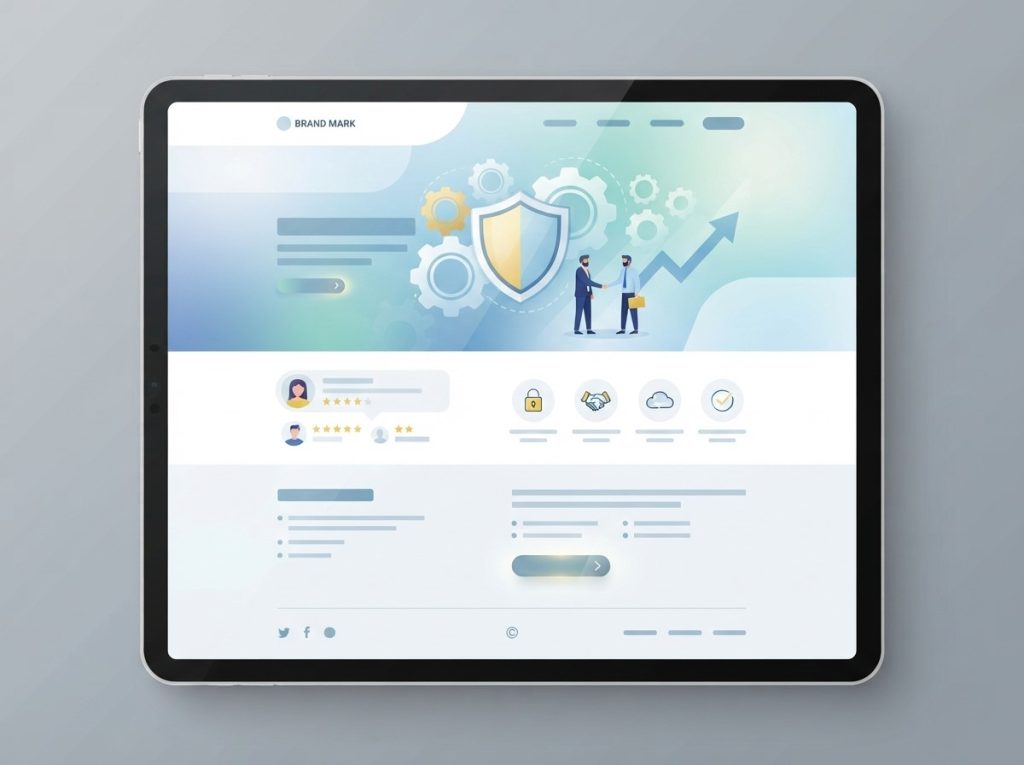 A successful landing page strategy should combine user research, clear messaging, usability improvements, testing, and performance measurement. Instead of treating the landing page as a static design, businesses should view it as an experience that can continuously improve. Start by understanding the target audience and identifying the questions or concerns that may prevent action. Build the page around those needs and provide relevant information at the right stages of the visitor journey.
After launching the page, use analytics and conversion tracking to monitor behavior. Website experiments can then help evaluate specific improvements. Over time, this process can create a more useful and trustworthy experience. Most importantly, optimization should not focus only on increasing clicks. The goal should be to create a reliable journey that helps the right visitors make confident decisions.
Frequently Asked Questions
1. What is Landing Page User Experience?
Landing Page User Experience refers to how visitors perceive and interact with a landing page. It includes usability, navigation, design, content clarity, page speed, mobile responsiveness, forms, calls to action, and overall ease of completing a desired action.
2. Why does landing page experience affect customer trust?
Visitors often use their experience with a landing page to form an impression of the business. Clear information, professional design, transparent policies, easy navigation, and reliable functionality can reduce uncertainty and make the brand feel more credible.
3. How can I improve Landing Page User Experience?
Start by improving content clarity, page speed, mobile usability, navigation, forms, CTAs, and trust signals. Analyze user behavior and conversion data regularly to identify friction points and determine which improvements should be tested.
4. What role does conversion tracking play?
Conversion tracking helps businesses measure important actions such as form submissions, purchases, downloads, or CTA clicks. This information can reveal whether the landing page is effectively moving visitors toward the intended goal.
5. What are website experiments?
Website experiments involve testing different versions of page elements to understand how they affect visitor behavior. Businesses can test headlines, CTAs, layouts, forms, images, and other elements using measurable performance data.
6. How does mobile usability affect trust?
A landing page that works poorly on smartphones can make a business appear less professional and create frustration. Responsive design, readable text, accessible buttons, and easy-to-use forms help maintain trust across mobile devices.
7. Can testimonials improve landing page performance?
Authentic testimonials can provide social proof and help reduce uncertainty. They allow potential customers to learn about other people’s experiences and may make the business feel more credible when the testimonials are relevant and genuine.
8. How does Landing Page User Experience support lead conversion?
A good experience makes it easier for interested visitors to understand the offer, evaluate its value, and complete the desired action. Clear messaging, trust signals, simple forms, and focused CTAs can support the lead conversion process.
9. Should every landing page have multiple CTAs?
Not necessarily. A landing page should have a clear primary objective. Multiple competing CTAs can distract visitors, while strategically placed supporting actions may be useful when they serve different stages of the visitor journey.
10. How often should a landing page be optimized?
Landing pages should be reviewed regularly rather than optimized only once. Businesses can monitor performance, analyze visitor behavior, conduct website experiments, and make evidence-based improvements as audience needs and business objectives change.
Conclusion
A strong Landing Page User Experience can play an important role in building customer trust and encouraging meaningful action. Visitors want clear information, simple navigation, reliable functionality, and confidence that a business will deliver what it promises.
Businesses can strengthen this experience by combining professional design with transparent messaging, useful trust signals, mobile usability, and friction-free forms. Conversion tracking provides insight into actual visitor behavior, while website experiments help businesses test potential improvements.
Ultimately, effective landing page optimization is not only about getting more clicks. It is about creating an experience that respects visitors, answers their questions, reduces uncertainty, and makes the path toward lead conversion clear and comfortable. When trust becomes a central part of the landing page strategy, businesses can create stronger and more meaningful customer interactions.