
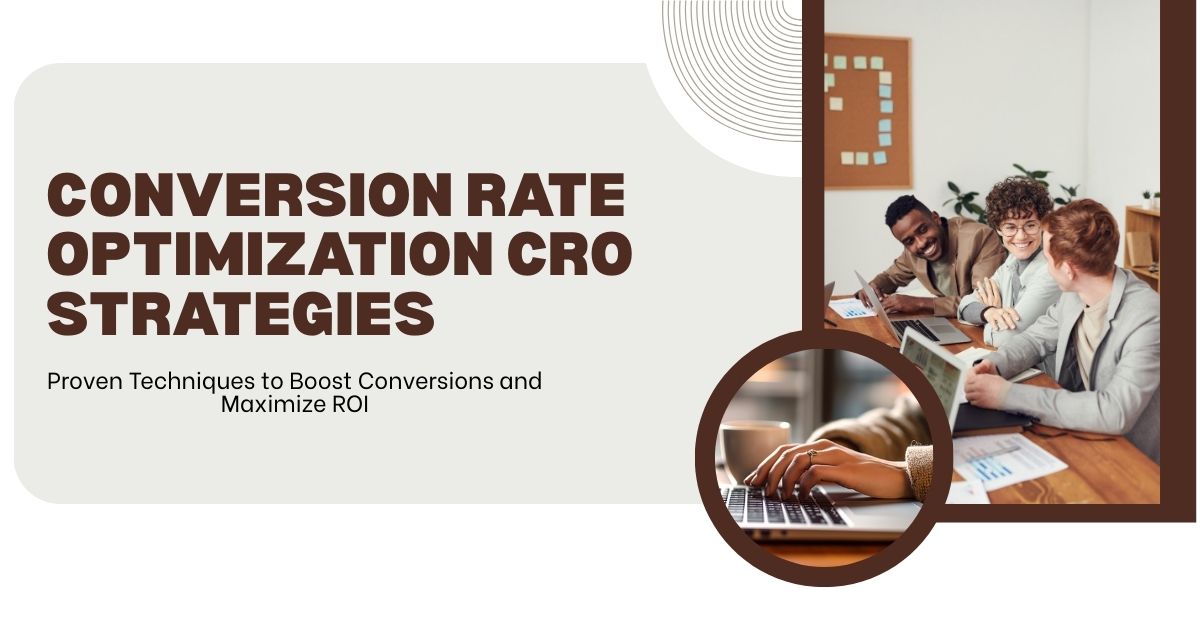
This blog explores Conversion Rate Optimization CRO Strategies to help businesses turn more visitors into customers. It covers proven techniques like landing page optimization, personalization, A/B testing, and leveraging social proof. By implementing these strategies with the right tools, companies can boost conversions, improve user experience, and maximize ROI.
What is Conversion Rate Optimization?
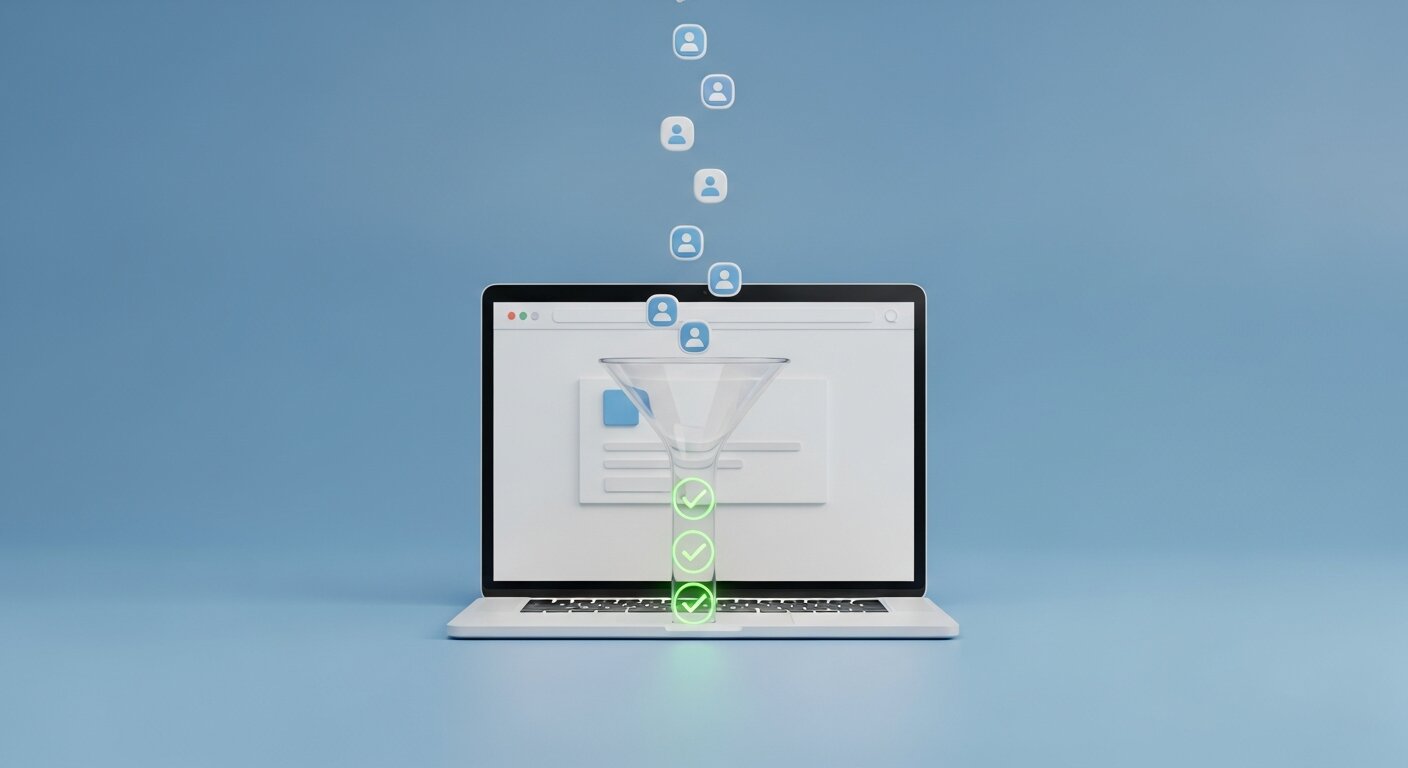
Conversion Rate Optimization (CRO) is the systematic process of improving your website, landing pages, or digital campaigns to increase the percentage of visitors who complete a desired action. These actions—known as conversions—can include signing up for a newsletter, making a purchase, filling out a contact form, downloading a resource, or any other goal that aligns with your business objectives.
CRO combines data analysis, user experience design, and strategic testing to identify what drives conversions and what may be causing friction in the user journey. By understanding visitor behavior, conducting experiments like A/B testing, and implementing design or content improvements, businesses can optimize the path to conversion.
The ultimate goal of CRO is to make every interaction more effective. Instead of simply increasing traffic, CRO focuses on getting more value from the visitors you already have, improving ROI, and creating a smoother, more engaging experience for users. When done effectively, CRO not only boosts conversion rates but also strengthens customer satisfaction, trust, and loyalty over time.
Why CRO Matters
Here’s why your business should prioritize CRO:
- Better ROI: Rather than spending more on ads or traffic acquisition, CRO focuses on getting more value from your existing visitors.
- Enhanced User Experience: Optimized pages create seamless user journeys, encouraging people to take the next steps easily.
- Data-Backed Improvements: CRO relies on analytics and testing, helping you make informed decisions backed by data. Learn what can help analyze conversion rate optimization.
Now that we’ve established the importance of CRO, let’s walk through some of the most effective techniques and tools.
Top Conversion Rate Optimization Strategies

Optimize Your Landing Pages
Your landing page is often the first thing users see. To make a great impression:
- Use clear headlines and concise subheadings to communicate your value proposition immediately.
- Include a strong call-to-action (CTA) button like “Get Started” or “Subscribe Now.” This button should stand out visually and clearly state the action you want users to take.
- Remove unnecessary distractions. Keep the focus on the main goal so users aren’t pulled in too many directions.
Example Tool: Unbounce
Unbounce allows you to build high-converting landing pages using an intuitive drag-and-drop interface and A/B testing features. Learn more about optimizing page performance with checking website URL performance in Google Analytics.
Conduct A/B Testing
A/B testing involves showing two versions of a webpage to different audiences to see which one performs better. It helps you test variations in:
- Headline text
- Button copy
- Layout
- Images or videos
By measuring results for conversions, A/B testing lets you confidently identify what works and what doesn’t.
Example Tool: Optimizely
Optimizable is a leading A/B testing platform offering deep insights into user behavior and actionable recommendations.
Personalize User Experiences
Personalization is a key part of Conversion Rate Optimization (CRO) strategies. Users are more likely to engage and convert when content, offers, or recommendations feel relevant to their needs.
Leverage data-driven insights such as browsing history, purchase behavior, location, or device type to tailor experiences. E-commerce sites can show recently viewed items, suggest complementary products, or highlight promotions based on past behavior, while content websites can recommend relevant articles or resources.
Tools like Dynamic Yield or Optimizely make personalization scalable, allowing targeted recommendations and customized calls-to-action for different visitor segments. Even small touches, like addressing users by name in emails or showing location-specific offers, can boost conversions.
Testing and refinement are crucial. Use A/B testing to see which personalized content works best and adjust strategies based on engagement and conversion metrics. Thoughtful personalization increases conversions while enhancing customer satisfaction and loyalty.
Example Tool: Dynamic Yield
Dynamic Yield helps create personalized experiences by displaying targeted messages, adjusting layouts, and recommending products based on customer preferences.
Speed Up Your Site
Page speed is a crucial factor in Conversion Rate Optimization CRO Strategies. Slow-loading websites frustrate users, increase bounce rates, and reduce conversions. Google research shows that even a one-second delay can lower conversions by up to 7%, making speed optimization essential. For detailed tips, see how to increase conversion rate optimization CRO.
Start by optimizing images and media files—compress large images using tools like TinyPNG and implement lazy loading so content only loads when needed. Using a Content Delivery Network (CDN) can further reduce load times by serving content from servers closest to the user. Minimizing unnecessary JavaScript and CSS, reducing redirects, and leveraging browser caching also improve performance.
A fast site not only boosts conversions but enhances the overall user experience, encouraging visitors to stay, engage, and take action. Regularly monitor site speed with tools like Google PageSpeed Insights to identify bottlenecks and continuously refine your performance.
Key ways to improve speed include:
- Compressing images
- Implementing lazy loading
- Using a CDN
Example Tool: Google PageSpeed Insights
This free tool analyzes your website’s speed and provides suggestions for improvement, such as optimizing images or reducing JavaScript.
Craft Better Product Descriptions
For e-commerce businesses, product descriptions are a key part of Conversion Rate Optimization (CRO) strategies. A good description goes beyond listing features—it communicates value, addresses customer needs, and encourages action. Generic or unclear descriptions can leave buyers uncertain, increasing cart abandonment.
Focus on benefits over features, showing how the product solves problems or improves the customer’s life. Anticipate questions or objections by including details about sizing, materials, or usability to build trust. Use persuasive, relatable language, and consider storytelling to make products more memorable.
Formatting also matters: break descriptions into short paragraphs or bullet points, highlight key benefits, and include high-quality images or videos for a richer experience. Tools like Jasper AI can help create consistent, persuasive descriptions at scale. Well-crafted product copy can turn casual browsers into loyal customers and drive higher conversions.
Example Tool: Jasper AI
Jasper uses AI to help businesses create high-converting product copy, blog posts, and more.
Leverage Social Proof
Social proof is a powerful element of Conversion Rate Optimization (CRO) strategies. When visitors are unsure about taking action, they often rely on the experiences of others. Adding reviews, testimonials, ratings, and case studies builds credibility and trust, showing that your products or services deliver real value.
Customer reviews offer authentic opinions, influencing decisions at the moment visitors are considering a purchase. Testimonials, especially from recognizable clients, add authority, while case studies demonstrate tangible results and industry expertise.
To maximize impact, use visual elements like star ratings or video testimonials, place social proof near key calls-to-action, and update reviews regularly to keep them relevant. By leveraging social proof effectively, you reduce hesitation, strengthen trust, and encourage more conversions.
Example Tool: Trustpilot
This platform makes it easy to collect and showcase customer reviews directly on your site.
Retarget Abandoned Cart Visitors
Abandoned shopping carts are a common challenge for e-commerce businesses, but they also offer an opportunity to recover potential sales. Visitors often leave due to distractions, comparison shopping, or hesitation—but the conversion isn’t necessarily lost.
Email retargeting is an effective approach. Personalized follow-ups highlighting the abandoned items, with incentives like discounts or free shipping, can encourage users to complete their purchase. Timing is key—emails sent within 24 hours perform best.
On-site retargeting, such as pop-ups or banners when a returning visitor lands on your site, can also recover sales. Advanced tools can even suggest related products, subtly encouraging upsells.
By strategically reminding users and offering incentives, businesses can turn lost carts into conversions, boosting revenue and ROI.
Example Tool: Klaviyo
Klaviyo’s email funnels allow you to recover lost customers with targeted messaging and discounts.
Simplify Forms
Forms are a key part of the conversion journey, whether it’s a newsletter signup, lead capture, or checkout. The more fields users have to fill out, the higher the chance they’ll abandon the process. Long or complicated forms create friction and slow down the user experience.
Focus on collecting only essential information—anything beyond that can usually be gathered later. For example, a lead form may only require a name and email, with additional details requested once the user engages further.
Streamline the layout by grouping related fields, using clear labels, and adding inline guidance. Features like auto-fill, dropdown menus, and smart defaults make forms faster and more user-friendly. A clean, distraction-free design keeps users focused and encourages completion.
Simplifying forms improves conversion rates and enhances the user experience, turning visitors into leads or customers with minimal effort.
Example Tool: Typeform
Typeform creates simple, visually appealing forms that help you capture leads in record time.
The Best Tools for Conversion Rate Optimization

Here’s a quick recap of standout CRO tools and what they’re most effective for:
- Google Analytics – Tracking key performance metrics and analyzing user behavior.
- Crazy Egg – Heatmaps and scroll maps that visualize how users interact with your pages.
- Hotjar – Insights into user behavior through session recordings and surveys.
- VWO (Visual Website Optimizer) – Comprehensive platform for A/B testing, heatmaps, and customer feedback.
- HubSpot – All-in-one marketing suite with tools for lead generation, automation, and website optimization.
Start Optimizing and See Results

Conversion Rate Optimization (CRO) is both an art and a science. On the creative side, it involves designing visually appealing and user-friendly pages that guide visitors naturally toward taking action. This could mean crafting persuasive copy, designing standout call-to-action buttons, or creating layouts that highlight key benefits. On the analytical side, CRO relies on data—tracking user behavior, testing variations, and measuring results—to understand what truly drives conversions. Balancing creativity with data ensures that your optimization efforts are both compelling and effective.
The key to success in CRO is starting small. Identify one or two strategies that align most closely with your business goals—for instance, improving landing page design, personalizing content for specific audiences, or implementing A/B testing for key CTAs. By focusing your efforts, you can gather meaningful data quickly and see measurable improvements without feeling overwhelmed.
Once you’ve tested these initial strategies, carefully track your progress. Use analytics tools to monitor engagement, conversion rates, and user behavior. Analyze the results to determine what works, what needs improvement, and which changes have the biggest impact. Iteration is essential: CRO is rarely about a single perfect change; it’s about continuously refining and enhancing your website experience to maximize conversions.
As your confidence and insights grow, consider integrating advanced CRO tools like Unbounce or Optimizely. These platforms allow you to create high-performing landing pages, run sophisticated A/B and multivariate tests, and gather deeper insights into user behavior. By leveraging these tools, you can scale your optimization efforts and achieve significant improvements in your conversion rates, turning casual visitors into loyal customers more effectively.
Frequently Asked Questions (FAQs)
What are Conversion Rate Optimization CRO Strategies?
Conversion Rate Optimization CRO Strategies are systematic methods designed to improve your website or landing pages so that more visitors complete desired actions, such as making a purchase, signing up for a newsletter, or filling out a form. These strategies focus on increasing conversions, improving user experience, and maximizing the value of your existing traffic. For beginners, check out conversion rate optimization getting started.
Why are Conversion Rate Optimization CRO Strategies important for businesses?
Implementing Conversion Rate Optimization CRO Strategies helps businesses get more value from their current traffic, reduce marketing costs, and enhance the user experience. By applying these strategies, companies can boost engagement, increase conversions, improve ROI, and grow revenue without necessarily increasing traffic.
What are some proven Conversion Rate Optimization CRO Strategies?
Some of the most effective Conversion Rate Optimization CRO Strategies include optimizing landing pages, conducting A/B and multivariate testing, personalizing user experiences, speeding up your site, leveraging social proof, simplifying forms, and retargeting abandoned cart visitors. These approaches help reduce friction and guide users toward completing the desired actions.
Which tools are best for Conversion Rate Optimization CRO Strategies?
Popular tools that support Conversion Rate Optimization CRO Strategies include Google Analytics, Hotjar, Crazy Egg, VWO, Unbounce, Optimizely, Dynamic Yield, and HubSpot. They provide features like analytics, heatmaps, personalization, A/B testing, and lead generation to make optimization easier and data-driven.
How long does it take to see results from Conversion Rate Optimization CRO Strategies?
The timeline varies based on traffic, the number of tests, and implementation quality. Some strategies, like speeding up your site or simplifying forms, can show immediate improvements, while others, such as A/B testing multiple page variations, may take a few weeks to gather meaningful data.
Can Conversion Rate Optimization CRO Strategies work for any website?
Yes! Conversion Rate Optimization CRO Strategies can be adapted for e-commerce stores, SaaS platforms, lead-generation websites, blogs, and more. The key is to align your strategies with your business goals and understand your audience’s behavior.
Are Conversion Rate Optimization CRO Strategies a one-time process?
No. Effective Conversion Rate Optimization CRO Strategies require continuous monitoring, testing, and refinement. Visitor behavior and technology change over time, so ongoing adjustments are necessary to maintain high conversion rates and ensure your strategies remain effective.