
The Importance of B2B Conversion Rate Optimization

Unlike in B2C, where purchase decisions are often a single touchpoint, in B2B, buying journeys are long and multi-faceted and involve multiple decision-makers. If you’re going to win with every visit, then your websites, landing pages, and total digital experience have to be downright perfect for lead capture.
B2B CRO is not just about getting more leads, but rather converting the right leads into customers. When high-value transactions are in play, it doesn’t take much of a difference in your conversion rate to significantly increase revenue.
Here’s why converting more eligible visitors into potential customers is fundamental for B2B businesses.
- Maximize ROI: It’s costly to bring in traffic. CRO will help you maximize every visitor.
- Reduce sales cycles: a flawless look and feel enables Prospects to consume content more quickly and progress through the decision sequence.
- Improve Competitive Edge: A well-optimized site provides a frictionless buying experience that will make you better than the competition.
B2B Conversion Rate Optimization Best Practices

Get To Know Your Audience Back To Front
CRO starts with knowing the needs, behaviors, pain points, and motivations of your audience. What do key decision makers in your target market need to know to take the next steps?
Create Buyer Personas. The first step is to create buyer personas.
- Find your target audiences from the decision-makers (such as procurement managers, C-level executives) as well as influencers (such as department heads).
- What problems are they attempting to solve?
- What works for that kind of content?
Chart the Buyer’s Journey
Mapping the buyer’s journey is a key part of any effective B2B conversion rate optimization strategy. Unlike quick B2C purchases, B2B buying decisions involve multiple stakeholders and longer evaluation cycles. Breaking the process into awareness, consideration, and decision stages helps businesses create targeted content for each persona. For additional methods on analyzing the buyer journey, see How to Master Conversion Rate Analysis.
In the awareness stage, prospects are identifying problems and seeking knowledge. Educational content like blog posts, reports, and explainer videos can establish authority and build trust, attracting the right audience. During the consideration stage, prospects compare solutions and evaluate outcomes. Case studies, guides, webinars, and ROI calculators can demonstrate value, address concerns, and move leads closer to conversion. In the decision stage, buyers are ready to commit but may need reassurance. Product demos, free trials, and client testimonials provide proof and confidence. Aligning content with each stage ensures B2B conversion rate optimization drives higher-quality leads and measurable results.
Optimize Your Landing Pages
Landing pages are crucial for B2B conversion rate optimization, often serving as the first meaningful interaction with a prospect. A landing page must guide visitors seamlessly toward taking action, combining clear messaging, compelling CTAs, and persuasive content.
The headline should immediately communicate value, while the body copy reinforces benefits and addresses prospect needs. CTAs must be actionable and aligned with page content, guiding visitors to schedule demos, request consultations, or access resources. Visuals and social proof like testimonials or case studies enhance credibility without distracting from the conversion goal.
Technical performance is also critical—pages must load quickly and work seamlessly on mobile devices. A frictionless experience, combined with persuasive content and trust-building elements, ensures that landing pages effectively convert traffic into leads, making them a central pillar of B2B conversion rate optimization.
Craft Clear and Relevant Headlines
The headline on your landing page is one of the most critical elements in B2B conversion rate optimization. It’s the very first thing a visitor notices, and it sets the tone for the rest of the page. A strong headline must quickly capture attention while clearly communicating the value your product or service provides. Weak or generic headlines can cause visitors to bounce before engaging with your content. For example, instead of a bland headline like “Streamline Your Business Processes,” a more compelling alternative would be “Save 20% on Hiring a Workflow Automation Tool,” which immediately conveys a measurable benefit. A well-crafted headline not only attracts the right audience but also aligns visitor expectations with the solutions your business offers, creating the first step toward meaningful conversions.
Use Actionable CTAs
Calls-to-action (CTAs) are the driving force behind B2B conversion rate optimization. Generic phrases like “Learn More” are often ignored, while specific CTAs such as “Get a Free Demo Now” provide clarity and urgency. Placing CTAs strategically throughout your landing page can significantly increase lead capture and accelerate the path to conversion. For more examples of effective CTAs, refer to Conversion Rate Optimization CRO Tips.
A/B Test Every Element
A key aspect of B2B conversion rate optimization is continuous experimentation and refinement. A/B testing allows you to compare different versions of landing page elements—headlines, CTAs, form lengths, button colors, images, and more—to see which combination drives the highest conversion rates. Using analytics and testing tools like Google Optimize, VWO, or Optimizely, marketers can gather data-backed insights to improve performance. Even minor changes, such as adjusting the wording of a CTA or the placement of a form field, can lead to substantial gains in lead generation and revenue. Consistent testing ensures your landing pages evolve alongside changing audience behaviors and market expectations.
Leverage Personalized Content
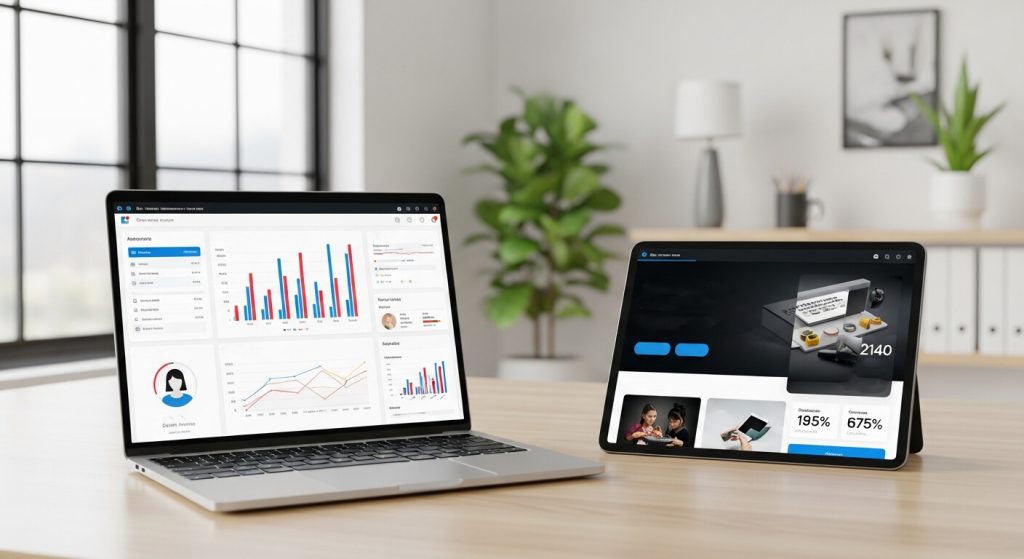
Personalization has become a non-negotiable component of B2B conversion rate optimization. Studies indicate that over 80% of B2B buyers expect personalized experiences that speak directly to their needs, industry, or role. Generic content risks disengaging prospects, whereas personalized messaging builds relevance, trust, and a sense of connection. Personalization can take many forms, from dynamic website content that adapts to a visitor’s industry or company size, to targeted email campaigns that reflect previous engagement, to AI-powered recommendations for whitepapers, case studies, or product demos. By tailoring content to each prospect, businesses not only improve engagement but also increase the likelihood of converting qualified leads into paying customers.
Tactics for Personalization:
- Dynamic Website Content: Personalize your message by data, such as industry, company size, or visitor behavior, for customization of the message to various users.
- Personalized Email Campaigns: Create targeted lists personalized to customer personas and funnel stages.
- AI-Powered Recommendations: You can feed recommendations on case studies or whitepapers available on HubSpot or Market based on the browsing history of the users.
Implement Live Chat and Chatbots
In B2B selling, timely communication can make the difference between a lead converting and slipping away. Live chat and chatbots provide an immediate way for prospects to get the information they need, helping to eliminate delays that might otherwise disrupt the buying process. Live chat allows real human agents to answer complex questions in real-time, offering personalized guidance that can move a prospect further down the sales funnel. Chatbots, on the other hand, can handle routine queries instantly, qualify leads by asking pre-determined questions, and even guide visitors to relevant resources such as case studies, product demos, or pricing information. By combining live chat with intelligent chatbot systems, businesses create a seamless experience for potential customers, ensuring they receive fast, accurate support whenever they need it, and improving overall engagement on the site.
Tips for Effective Use:
- Real-Time Lead Qualification: You can ask pre-qualifying questions through AI chatbots such as Drift or Intercom to forward top-quality leads to your human sales team.
- Provide useful information: Direct posters to case studies, product demos, pricing pages, or whatever fits based on their question.
- CRM Integration: Associate your chatbot with your CRM to automate your marketing funnel.
Simplify and Streamline Forms
Lengthy or complicated forms can frustrate visitors and lead to abandoned submissions, causing potential leads to be lost. On the other hand, forms that are too short may fail to collect enough information to properly qualify prospects. The key is to find a balance by asking only for essential details upfront, while keeping additional questions for later stages in the funnel. Clear instructions and a straightforward design help make the form easy to complete, encouraging more visitors to convert.
Best Practices:
- Prompt for only critical details above the fold (e.g., name, email, company, role). You can find out more later in the sale if necessary.
- You should give some propositions and cut off the unnecessary field.
- Clearly state the reason you are collecting each piece of information and how it will benefit the prospect (e.g., “Enter your company size to receive a customized pricing estimate”).
Showcase Social Proof
As a B2B seller, providing concrete evidence of your success can significantly influence a prospect’s decision-making process. Sharing customer success stories, detailed case studies, and authentic client testimonials demonstrates that your product or service delivers real results. Including measurable metrics adds credibility and builds trust with potential buyers. For more on leveraging brand storytelling, check out Brand Storytelling: Complete Guide to Connecting.
Kind Of Social Proof That Converts:
- Customer Quotes: Include a few quotes from recognizable customers, preferably decision makers in the same industry as your ideal audience.
- Case Studies Demonstratives: Share detailed use cases that include challenges and outcomes.
- Data-Driven Metrics: Even better, highlight specific, measurable results like “Clients experience an average productivity increase of 35% after 3 months.
Prioritize On Page Load Speed and Mobile Experience
Businesses can’t wait for a slow-loading page or a poor mobile experience. It has been demonstrated that if a web page takes over 3 seconds to load, 53% of mobile users abandon that page.
Tips to Improve Loading Speed:
- Compress images without sacrificing quality.
- Utilize lazy loading practices for your images and media.
- Minimize JavaScript and CSS files.
Mobile Optimization:
- Make the forms, CTAs, and buttons easy to click.
- Simplify navigation for small screens.
- Utilize a responsive design so your site is optimal across all devices.
Measure and Refine Regularly
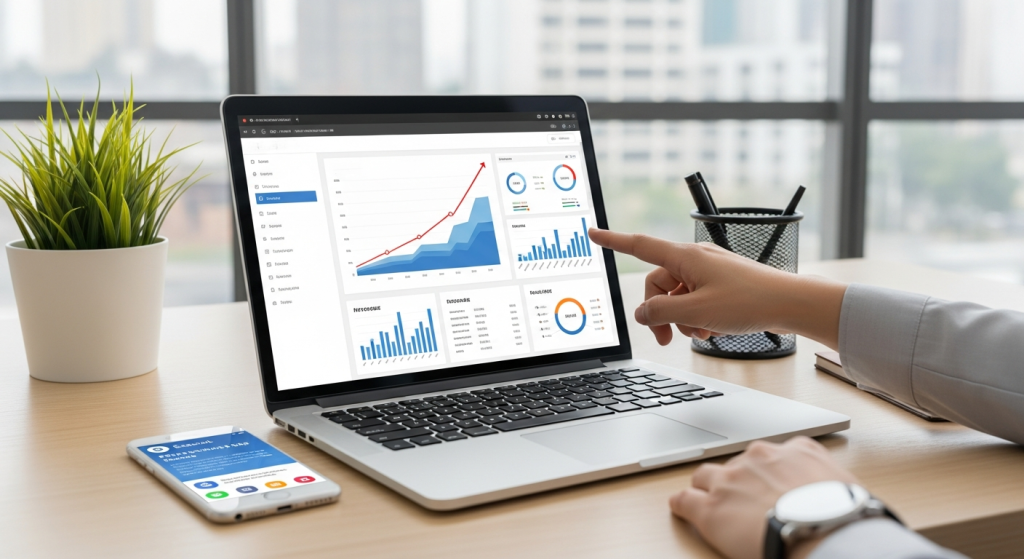
Optimization is an ongoing process. Leverage analytics to determine what you are doing right and where you could use some work.
Track key metrics like bounce rate, form abandonment, time on page, and traffic-to-lead conversion. Tools like Google Analytics, Hotjar, and HubSpot help refine your strategy.
For comprehensive tactics, see conversion rate optimization techniques that work.
Key Metrics to Monitor:
- Bounce Rate
- Form Abandonment Rate
- Traffic to Lead Conversion Rate
- Time on Page
Tools for Analysis:
- Google Analytics
- Hotjar (to create heatmaps and track clicks)
- HubSpot (if you’re focusing on lead behaviors and tracking the funnel)
Turn Traffic into Revenue Today
Conversion rate optimization isn’t only about quick wins – it’s an investment you make for the long term to optimize the efficiency and effectiveness of your B2B marketing efforts. So, with the right approach to user needs, optimizing your digital experience, and by using capabilities like personalization and live chat, you can be welcoming to the leads at an ever-growing rate as the years go by.
B2B conversion rate optimization focuses on strategically improving customer actions to drive growth, while effective internal communication serves as the lifeline of a strong brand by aligning teams and ensuring consistent messaging that supports those growth initiatives.
Frequently Asked Questions (FAQ)
What is B2B Conversion Rate Optimization?
B2B Conversion Rate Optimization is the process of strategically improving your website, landing pages, and digital experiences to convert more qualified visitors into leads and customers, with a focus on high-value transactions.
Why is B2B CRO different from B2C CRO?
Unlike B2C, B2B buying journeys are longer, involve multiple decision-makers, and rely on trust and research. B2B CRO focuses on nurturing qualified leads through personalized content and multi-touch engagement rather than impulse purchases.
How can I improve my B2B conversion rates quickly?
Start with optimizing landing pages, implementing clear CTAs, personalizing content, simplifying forms, and leveraging live chat. Combining these with A/B testing and data-driven insights creates measurable improvements in conversion rates.
Does personalization really impact B2B conversion?
Absolutely. 80% of B2B buyers expect personalized experiences. Personalized messaging, dynamic content, and AI-driven recommendations significantly improve engagement and lead quality, boosting B2B conversion rate optimization outcomes.
Which tools are most effective for B2B CRO?
Analytics platforms like Google Analytics and Hotjar, marketing automation tools like HubSpot and Marketo, and A/B testing solutions like VWO or Optimizely are essential for tracking, testing, and improving conversion performance.
Can marketing automation improve B2B conversion rates?
Yes. Automation helps nurture leads through timely, personalized interactions and ensures consistent follow-up, reducing friction in the sales process and contributing directly to B2B conversion rate optimization.