

Website Revenue Optimization is an essential strategy for e-commerce businesses that want to increase sales, improve customer experiences, and maximize the value of existing website traffic. Attracting visitors is only the first step toward online success. Businesses must also understand customer behavior, remove purchasing barriers, and create a seamless shopping experience that encourages visitors to complete transactions. Without an effective optimization strategy, even websites with substantial traffic can struggle to generate consistent revenue.
Successful Website Revenue Optimization combines data analysis, Customer Intent Analysis, Product Page Optimization, and strategies to Boost website engagement. These approaches help businesses understand what shoppers need, present relevant products, and guide potential customers toward purchasing decisions. By improving website performance, simplifying checkout, and testing different conversion strategies, e-commerce businesses can increase revenue without relying entirely on additional advertising spending.
Understand Website Revenue Optimization
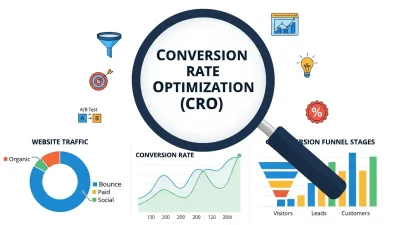
Website Revenue Optimization involves improving the elements of an e-commerce website that influence purchasing decisions and overall business revenue. This process includes evaluating visitor behavior, product discovery, conversion rates, average order value, and customer retention. A systematic approach helps businesses identify weaknesses in the shopping experience and prioritize changes that can produce measurable improvements.
Identify Revenue Opportunities
Businesses should examine how visitors move through product categories, product pages, shopping carts, and checkout screens. Analytics can reveal where shoppers abandon the purchasing process or which products generate the most revenue. Understanding these patterns allows e-commerce teams to focus their efforts on high-impact improvements rather than making random website changes.
Focus on Revenue Beyond Traffic
Increasing traffic does not automatically increase profitability. A website can generate more sales by improving its conversion rate, encouraging larger orders, or increasing repeat purchases among existing customers. Businesses should evaluate these opportunities alongside acquisition costs, product margins, and operating expenses to ensure that revenue growth contributes to sustainable financial performance.
Use Customer Intent Analysis to Understand Shoppers
 Customer Intent Analysis helps businesses understand why visitors arrive at a website and what they hope to accomplish. Some shoppers are researching available products, while others are comparing prices or preparing to purchase immediately. Recognizing these differences allows businesses to deliver relevant information, recommend appropriate products, and create shopping experiences that align with customer expectations.
Analyze Search Queries and Browsing Behavior
Search queries, category visits, product comparisons, and previous purchases can provide valuable information about customer intent. For example, someone searching for a specific product model may be closer to making a purchase than someone exploring a general product category. Businesses can use these signals to improve product recommendations, navigation, and content relevance while respecting customer privacy.
Match Content With Purchase Intent
Product descriptions, buying guides, comparison pages, and frequently asked questions should address the needs of different shoppers. Research-oriented visitors may need educational content, while purchase-ready customers may prioritize pricing, shipping details, availability, and return policies. Providing the right information at the appropriate stage can reduce uncertainty and help customers make confident purchasing decisions.
Improve Product Page Optimization
Product Page Optimization is a critical part of Website Revenue Optimization because product pages often influence whether shoppers proceed to checkout. An effective page communicates product value, answers common questions, and makes purchasing actions easy to understand. Clear presentation, relevant information, and trustworthy details help customers evaluate products without unnecessary confusion or frustration.
Write Compelling Product Descriptions
Product descriptions should explain the product’s main features, practical benefits, materials, specifications, and intended uses. Instead of relying on generic promotional language, businesses should describe how the product addresses specific customer needs. Clear and accurate descriptions help shoppers understand what they are buying, reduce uncertainty, and establish realistic expectations before placing an order.
Use High-Quality Product Images and Videos
High-quality images allow customers to inspect product details, colors, dimensions, and design features. Multiple viewing angles, zoom functionality, and short demonstration videos can provide a more complete understanding of the product. For items such as clothing, furniture, or electronics, visual demonstrations can help customers evaluate suitability and reduce hesitation during the purchasing process.
Make Pricing and Calls to Action Clear
Customers should be able to identify product prices, available variations, shipping information, and purchase options without searching through unnecessary sections. A prominent add-to-cart button helps shoppers understand the next step. Any additional charges, discounts, or promotional conditions should be communicated accurately so that customers are not surprised later during checkout.
Boost Website Engagement With Better User Experience
To Boost website engagement, e-commerce businesses need to make shopping convenient, responsive, and relevant across devices. Visitors are more likely to explore products when navigation is intuitive and pages load quickly. A positive user experience can encourage deeper browsing, increase product discovery, and help customers move naturally from initial interest toward completing a purchase.
Improve Website Navigation and Search
Organized product categories, descriptive navigation labels, filters, and an effective search function help shoppers find suitable products quickly. Search tools should handle common spelling variations and offer relevant suggestions when possible. Businesses should also ensure that important categories and popular products are easy to access, particularly for visitors browsing large product catalogs.
Optimize Mobile Shopping Experiences
Many shoppers use smartphones to research products, compare prices, and complete purchases. Mobile websites should display readable text, appropriately sized buttons, clear product images, and easy-to-use forms. Testing across different screen sizes can reveal layout problems that prevent customers from browsing comfortably or completing checkout on smaller devices.
Simplify the Checkout Process
Checkout optimization helps reduce unnecessary friction when customers are ready to purchase. Complicated forms, unexpected costs, limited payment options, and forced account creation can discourage shoppers from completing transactions. A straightforward checkout experience should collect only necessary information, clearly explain each step, and provide customers with confidence that their orders will be processed securely.
Reduce Unnecessary Checkout Steps
Businesses should remove redundant fields, minimize repetitive information requests, and allow guest checkout where appropriate. Showing customers how many steps remain can make the process easier to understand. Clear error messages and automatic form validation can also prevent frustration by helping shoppers correct mistakes without restarting the entire checkout process.
Offer Convenient Payment and Delivery Options
Customers have different preferences regarding payment methods and delivery arrangements. Supporting relevant payment options and communicating delivery timelines can improve purchasing convenience. Businesses should display shipping costs, taxes, and applicable fees before customers reach the final confirmation stage. Transparent pricing reduces unpleasant surprises and helps prevent avoidable cart abandonment.
Use Personalized Recommendations to Increase Order Value
 Personalized product recommendations can improve Website Revenue Optimization by presenting relevant items based on customer interests, browsing activity, and purchase history. When recommendations match genuine customer needs, shoppers may discover complementary products or suitable alternatives. Businesses should prioritize relevance and usefulness rather than displaying excessive promotional messages that interrupt the shopping experience.
Recommend Related and Complementary Products
Related product recommendations help customers compare alternatives, while complementary suggestions introduce products that work well together. For example, a shopper purchasing a camera might benefit from seeing compatible memory cards or protective cases. These recommendations can increase average order value when they are relevant, clearly priced, and presented at appropriate moments in the shopping journey.
Introduce Bundles and Upselling Carefully
Product bundles and upgrades can encourage customers to purchase higher-value combinations when the additional benefits are clear. Businesses should explain what customers gain from selecting a bundle or premium option. Recommendations should remain optional and transparent, ensuring that shoppers retain control over their decisions and do not feel pressured into buying unnecessary products.
Build Trust to Improve E-commerce Conversions
Trust is an important factor in online purchasing because customers cannot always inspect products physically before buying. Clear policies, reliable contact information, authentic reviews, and secure payment processes help reduce perceived risk. Businesses that communicate honestly and provide consistent service can strengthen customer confidence, improve conversion opportunities, and support long-term relationships.
Display Genuine Customer Reviews
Customer reviews and testimonials can help shoppers understand product quality, performance, and potential limitations. Businesses should display authentic feedback and avoid fabricated ratings or misleading claims. Verified purchase indicators, detailed reviews, and customer-submitted product images can provide useful context and help shoppers evaluate whether a product matches their needs.
Communicate Policies and Security Information
Shipping, returns, refunds, warranties, and privacy policies should be easy to find and understand. Secure payment processing and appropriate data protection practices are also essential for maintaining customer confidence. When shoppers understand what happens after placing an order, they can make better-informed decisions and feel more comfortable completing transactions.
Improve Website Speed and Technical Performance
Website speed affects how easily customers can browse products and complete purchases. Slow-loading pages, broken links, layout shifts, and technical errors can interrupt the shopping journey and reduce conversion opportunities. Regular performance monitoring helps businesses identify technical problems, improve accessibility, and maintain a reliable shopping experience across different devices and network conditions.
Optimize Images and Page Loading
Large image files can slow down product pages, particularly on mobile connections. Businesses can improve performance by using appropriately sized images, modern image formats, browser caching, and efficient loading techniques. They should also review unnecessary scripts and third-party tools that may increase page load times without providing meaningful value to shoppers.
Monitor Website Performance Regularly
Businesses should test important pages, including category listings, product details, cart screens, and checkout flows. Monitoring tools can help identify slow-loading resources, broken functionality, and performance changes after website updates. Resolving these issues promptly supports a smoother shopping experience and prevents technical problems from undermining otherwise effective marketing campaigns.
Measure Results and Conduct A/B Testing
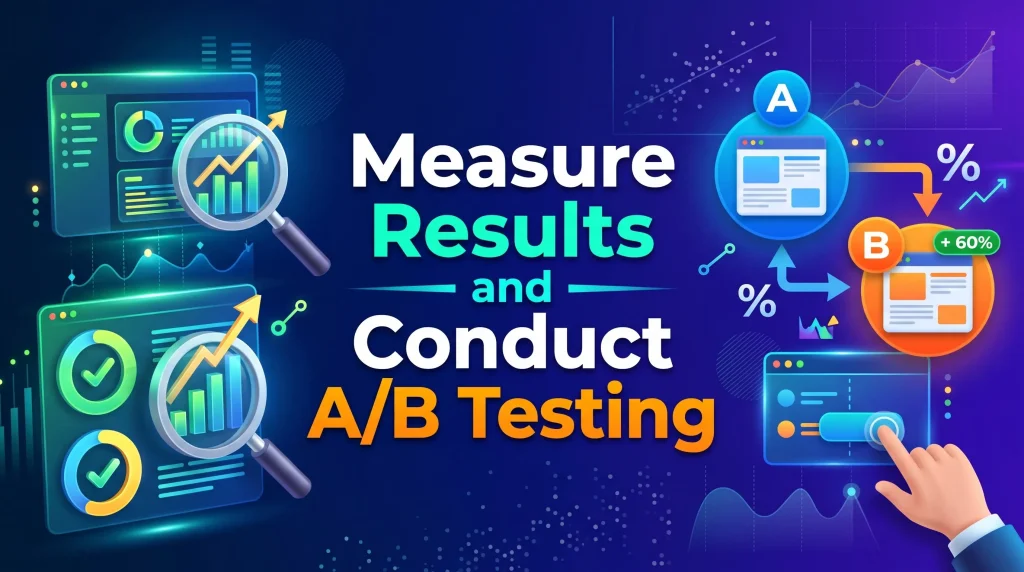 Website Revenue Optimization requires ongoing measurement because customer behavior and business conditions change over time. Tracking key performance indicators helps businesses understand whether website improvements are generating meaningful results. A/B testing provides a structured way to compare alternative page designs, headlines, offers, and calls to action rather than relying exclusively on assumptions.
Track Important E-commerce Metrics
Businesses should monitor conversion rate, average order value, revenue per visitor, cart abandonment rate, customer acquisition cost, and repeat purchase rate. Each metric provides a different perspective on performance. For example, a higher conversion rate may indicate improved purchasing efficiency, while increasing revenue per visitor can suggest that website changes are generating more value from existing traffic.
Test Changes Before Implementing Them Widely
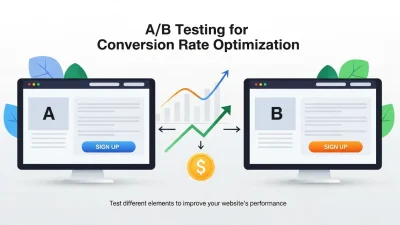
A/B testing compares two versions of a website element to determine which performs better against a defined objective. Businesses might test different product images, button wording, promotional messages, or checkout layouts. Tests should run under appropriate conditions with sufficient data, and results should be evaluated carefully to avoid making decisions based on random fluctuations.
Conclusion
Website Revenue Optimization helps e-commerce businesses improve sales performance by making their websites more useful, trustworthy, and convenient for shoppers. Understanding customer behavior, applying Customer Intent Analysis, strengthening Product Page Optimization, and finding effective ways to Boost website engagement can reduce purchasing barriers and increase conversion opportunities.
Businesses should also simplify checkout, personalize relevant recommendations, improve technical performance, and build trust through transparent policies. Measuring important metrics and testing changes regularly helps identify which improvements create genuine value. With a consistent, data-driven approach, e-commerce businesses can make better use of existing traffic, increase customer satisfaction, and support sustainable revenue growth.
Frequently Asked Questions
1. What is Website Revenue Optimization?
Website Revenue Optimization is the process of improving a website’s ability to generate revenue through better user experiences, stronger conversion rates, relevant product recommendations, and more effective purchasing journeys.
2. Why is Website Revenue Optimization important for e-commerce businesses?
It helps e-commerce businesses generate more value from existing traffic, reduce purchasing barriers, improve customer satisfaction, and increase sales without depending entirely on additional advertising or visitor acquisition.
3. What is Customer Intent Analysis?
Customer Intent Analysis examines why visitors come to a website and what they want to accomplish. It helps businesses provide relevant information, product recommendations, and purchasing options based on customer needs.
4. How does Product Page Optimization increase sales?
Product Page Optimization improves product descriptions, images, pricing information, reviews, and purchase buttons. These improvements help customers understand product value, build confidence, and make informed purchasing decisions.
5. How can businesses Boost website engagement?
Businesses can Boost website engagement by improving navigation, offering useful content, increasing page speed, personalizing relevant recommendations, and creating mobile-friendly shopping experiences that encourage visitors to explore products.
6. How can e-commerce businesses reduce cart abandonment?
Businesses can reduce cart abandonment by simplifying checkout, displaying shipping costs early, offering convenient payment options, providing guest checkout, and communicating delivery and return policies clearly.
7. Does website speed affect e-commerce revenue?
Yes. Slow pages can interrupt browsing and discourage customers from completing purchases. Improving loading speed and resolving technical issues can support better user experiences and increase opportunities for conversions.
8. What is the role of A/B testing in Website Revenue Optimization?
A/B testing compares alternative website elements to determine which version performs better against a specific objective. It helps businesses make evidence-based decisions about design, messaging, checkout, and promotional offers.
9. Which metrics should e-commerce businesses track?
Important metrics include conversion rate, average order value, revenue per visitor, cart abandonment rate, customer acquisition cost, and repeat purchase rate. Together, these indicators provide insight into sales efficiency and customer behavior.
10. How often should businesses optimize their e-commerce websites?
Businesses should monitor performance continuously and review optimization opportunities regularly. Major changes should be tested carefully, while technical issues, customer feedback, and emerging purchasing barriers should be addressed as soon as practical.