
Customer acquisition is one of the most important goals of modern digital marketing. Businesses invest in search engine optimization, paid advertising, social media, email campaigns, content marketing, and other channels to attract potential customers. However, attracting traffic alone does not guarantee sustainable growth. Businesses also need to understand how visitors discover their brand, interact with marketing channels, evaluate offers, and eventually become customers. This is where Customer Acquisition Optimization becomes valuable.
Customer Acquisition Optimization focuses on improving the complete process of attracting and converting potential customers. It helps businesses identify effective acquisition channels, improve customer experiences, reduce unnecessary marketing costs, and increase the percentage of prospects who move toward conversion.
A well-planned strategy can connect different areas of digital marketing into a more efficient customer acquisition system. From landing pages and lead generation to website experiences and conversion strategies, each stage can influence the final result. When these elements work together, businesses can create a more consistent path from initial awareness to customer conversion.
What Is Customer Acquisition Optimization?
Customer Acquisition Optimization is the process of improving the strategies, channels, experiences, and conversion points businesses use to attract new customers. It involves analyzing customer behavior and marketing performance to determine which activities generate valuable prospects and which areas require improvement.
Understanding the Customer Acquisition Process
The customer acquisition process begins before a person becomes a customer. A potential buyer may first discover a company through a search engine, social media post, advertisement, referral, or educational content. Their next steps can include visiting a website, reading information, comparing options, submitting a form, or contacting the business.
Customer Acquisition Optimization considers these interactions as connected stages rather than isolated marketing activities. By understanding how prospects move through the journey, businesses can identify opportunities to improve engagement and conversion.
Why Acquisition Optimization Matters
Simply increasing website traffic can become expensive if visitors do not take meaningful actions. Optimization helps businesses focus on attracting relevant audiences while improving the experience that follows the initial interaction.
When businesses understand which channels generate qualified prospects, they can allocate resources more effectively. This can help improve marketing efficiency while creating a more predictable acquisition process.
The Connection Between Acquisition and Digital Marketing
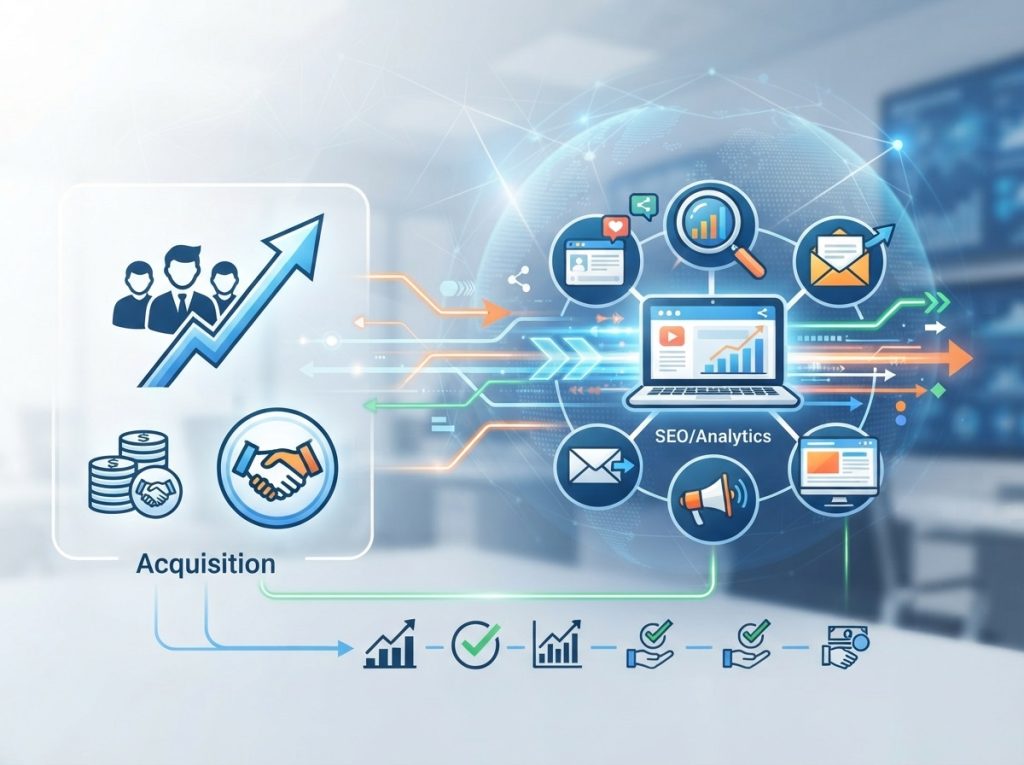 Digital marketing includes multiple channels, and each can contribute differently to customer acquisition. Search engines can capture users with existing demand, while social media can increase awareness. Paid advertising can provide immediate visibility, and content marketing can educate potential customers.
Creating an Integrated Marketing Strategy
An integrated strategy connects these channels around shared acquisition goals. Instead of treating SEO, social media, paid advertising, and content marketing as completely separate activities, businesses can evaluate how they work together throughout the customer journey.
For example, a prospect may discover a brand through an organic search result, read an educational article, return through a retargeting campaign, and eventually complete a form. Understanding this journey can help marketers improve the interactions that contribute to conversion.
Using Data to Guide Decisions
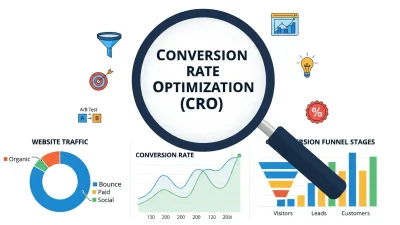
Data plays an important role in optimization. Businesses can examine traffic sources, conversion rates, engagement, lead quality, customer acquisition costs, and other performance indicators.
These insights can reveal which campaigns attract visitors and which ones contribute to actual business outcomes. Data-driven decision-making can therefore help marketers move beyond assumptions and make adjustments based on measurable behavior.
The Role of Sales Funnel Optimization
Sales Funnel Optimization focuses on improving the stages prospects move through before becoming customers. It is closely connected with Customer Acquisition Optimization because weaknesses in the funnel can prevent marketing efforts from producing results.
Improving Each Funnel Stage
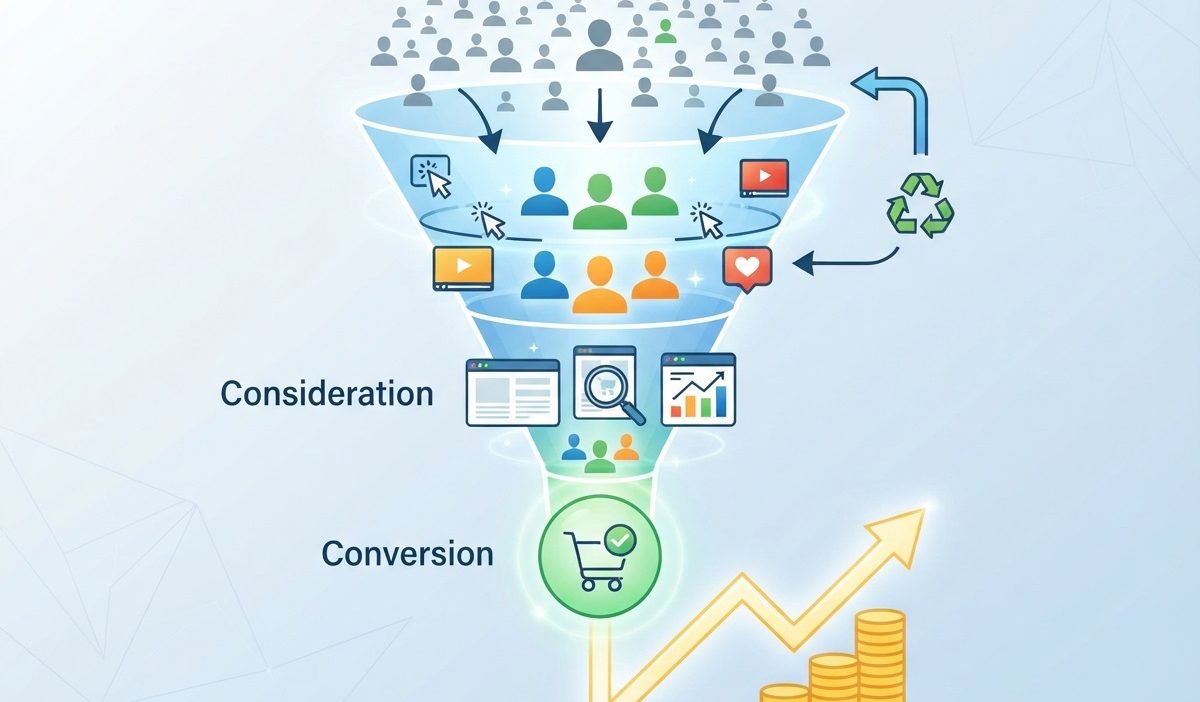
A typical digital sales funnel can include awareness, consideration, evaluation, and conversion. Each stage requires different information and communication.
At the awareness stage, useful educational content can help introduce a brand. During consideration, detailed service information, comparisons, demonstrations, and customer experiences may help prospects evaluate their options. At the conversion stage, clear calls to action and simple processes can reduce unnecessary friction.
Reducing Conversion Friction
Friction can appear when a website is confusing, a form is too long, important information is difficult to find, or the next step is unclear. Small usability issues can create significant losses when thousands of visitors encounter them.
Sales Funnel Optimization helps identify these barriers and improve the path toward conversion. Removing unnecessary steps can make it easier for qualified prospects to take action.
How Conversion-Focused Web Design Supports Acquisition
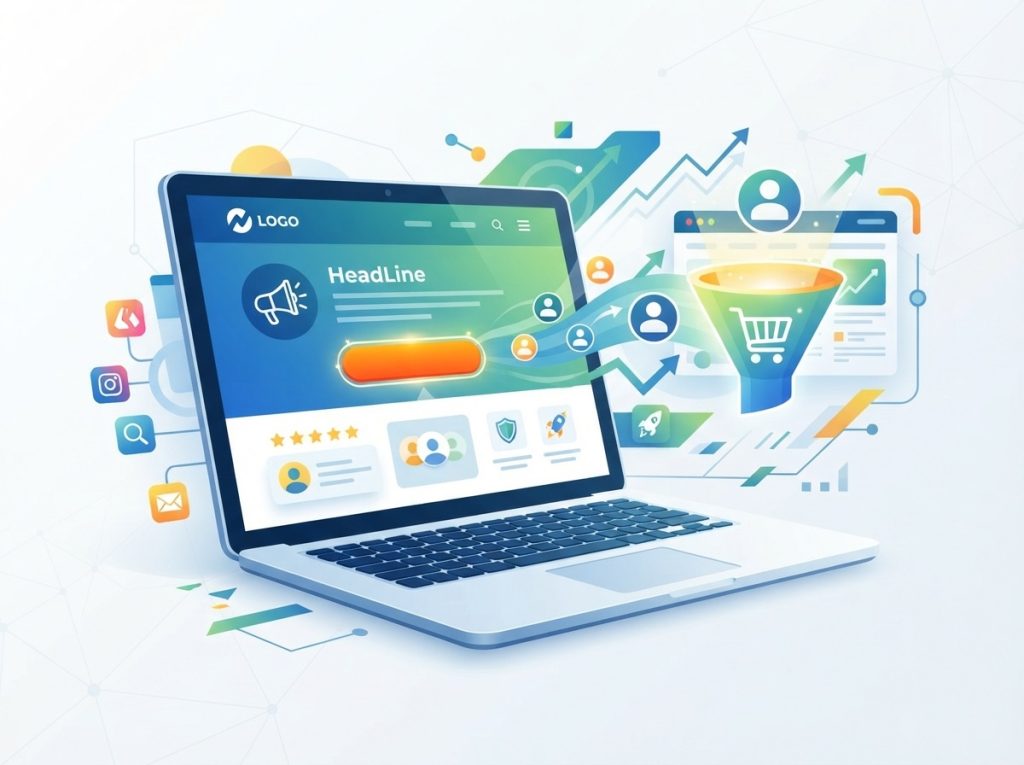 A website is often one of the most important assets in a digital customer acquisition strategy. Traffic generated through SEO, advertising, social media, or other channels frequently leads visitors to a website or landing page.
Designing Pages Around User Intent
Conversion-Focused Web Design considers what users need at different stages of their journey. A visitor searching for general information may require educational content, while someone comparing services may need pricing, features, benefits, or trust signals.
Designing pages around user intent can make the experience more relevant. Clear navigation, readable content, appropriate calls to action, and useful information can help visitors understand what to do next.
Improving Mobile Experiences
Many users interact with businesses through smartphones. A page that loads slowly, contains difficult-to-use forms, or requires excessive scrolling can create unnecessary friction.
Mobile-friendly design should therefore be considered an essential part of acquisition optimization. Businesses can test layouts, forms, navigation, and calls to action across different devices to identify usability problems.
The Importance of Lead Generation Optimization
Generating leads is a major part of customer acquisition for businesses that do not immediately sell products online. Lead Generation Optimization focuses on improving the processes that turn website visitors and other prospects into identifiable potential customers.
Creating Relevant Lead Magnets
Useful resources can encourage prospects to provide their contact information. Depending on the industry, these resources may include guides, reports, calculators, consultations, templates, webinars, or educational materials. The value of the offer should match the audience’s needs. A highly relevant resource can attract more qualified prospects than a generic offer.
Optimizing Lead Forms
Lead forms should collect the information necessary for the next stage without creating unnecessary barriers. Asking for excessive information may discourage prospects from completing the form.
Businesses can test different form lengths, field arrangements, calls to action, and page layouts to understand which combinations produce stronger results.
Using Content Marketing for Customer Acquisition
Content marketing can support acquisition by answering questions, educating prospects, and demonstrating expertise before a sales conversation begins.
Creating Content for Different Customer Stages
Not every prospect needs the same type of content. People at the beginning of their research may prefer educational articles, while prospects closer to a purchasing decision may look for comparisons, case studies, product details, or service explanations.
Creating content for different stages allows businesses to support prospects throughout their journey rather than focusing exclusively on immediate conversions.
Optimizing Content for Search Intent
Search engine optimization can help content reach people who are actively looking for relevant information. However, ranking for keywords is only part of the process.
Content should satisfy the searcher’s intent and provide a clear path toward relevant resources or actions. This combination can make organic traffic more valuable for customer acquisition.
Improving Paid Advertising Performance
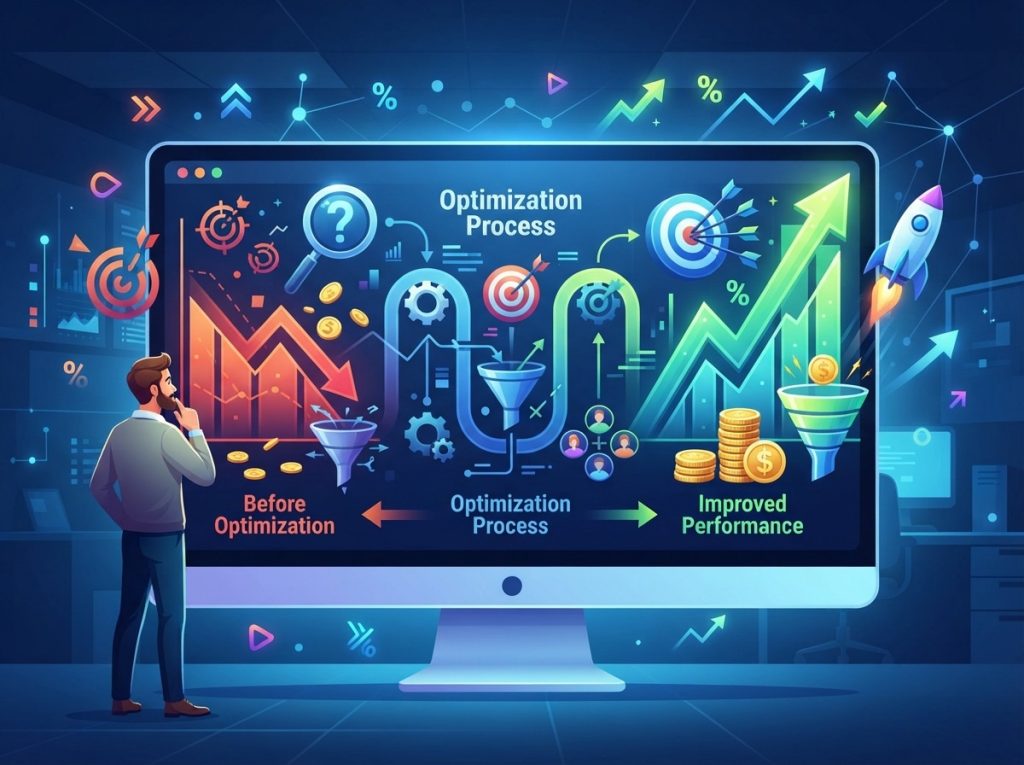 Paid advertising can generate targeted traffic quickly, but acquisition costs can increase when campaigns are poorly optimized.
Matching Ads With Landing Pages
The message in an advertisement should align with the landing page experience. When users click an ad promising a specific offer but arrive on a page that does not clearly provide it, they may leave without converting. Maintaining message consistency between advertisements and landing pages can create a smoother experience and improve campaign efficiency.
Testing Campaign Variables
Marketers can test different headlines, audience segments, offers, creative formats, landing pages, and calls to action. Performance data can then help identify which combinations generate more relevant prospects. Continuous testing allows businesses to improve campaigns over time rather than relying on a single version indefinitely.
Personalization and Customer Acquisition
Personalization can make digital experiences more relevant by adapting content or messaging to user interests, behavior, or customer stage.
Using Behavioral Data
Businesses can examine actions such as pages viewed, content downloaded, previous interactions, and product interests to better understand prospects. These insights can support more relevant messaging.
However, personalization should remain appropriate and transparent. Businesses should handle customer data responsibly and respect applicable privacy requirements.
Creating Relevant Follow-Up Experiences
Customer acquisition does not end when someone submits a form. Follow-up communication can influence whether a lead progresses toward becoming a customer.
Relevant email sequences, educational resources, sales communication, and timely responses can help maintain engagement after the initial conversion.
Measuring Customer Acquisition Performance
Effective optimization requires ongoing measurement. Businesses need to understand whether their acquisition strategies are producing valuable outcomes rather than focusing exclusively on traffic or clicks.
Important Acquisition Metrics
Common metrics include conversion rate, cost per lead, customer acquisition cost, lead-to-customer rate, return on advertising spend, and customer lifetime value.
The most useful metrics depend on the business model. A subscription business may focus heavily on lifetime value, while a lead-generation company may prioritize qualified leads and sales conversion rates.
Understanding Customer Acquisition Cost
Customer acquisition cost represents the average amount a business spends to acquire a customer. Monitoring this metric can help businesses understand whether marketing investments are sustainable.
Reducing acquisition costs is not always the primary objective. A higher acquisition cost may be reasonable when the resulting customers generate significantly greater long-term value. Businesses should therefore evaluate acquisition costs alongside customer quality and lifetime value.
How Testing Improves Acquisition Strategies
Optimization is an ongoing process because customer behavior, competitors, platforms, and market conditions can change.
Conducting A/B Tests
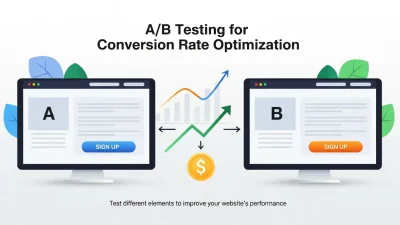
A/B testing allows businesses to compare different versions of a page, headline, call to action, form, or offer. By measuring user responses, marketers can identify which variation performs better for the tested audience.
Testing should focus on meaningful changes and sufficient data. Making decisions from very small samples can produce unreliable conclusions.
Learning From User Behavior
Analytics tools can show where visitors enter a website, which pages they visit, where they leave, and which actions they complete. These insights can reveal potential usability or messaging problems. Combining quantitative data with customer feedback can provide a more complete understanding of why users behave in particular ways.
Building a Sustainable Acquisition Strategy
Customer Acquisition Optimization should support long-term growth rather than short-term traffic increases. Sustainable acquisition requires a balance between attracting new prospects, improving conversion processes, and maintaining customer value.
Businesses can strengthen their acquisition strategy by continuously reviewing channel performance, improving website experiences, creating relevant content, optimizing lead-generation processes, and measuring customer outcomes. A strong acquisition system also needs flexibility. Marketing channels and customer expectations can change, so businesses should regularly review their strategies and adjust them according to reliable performance data.
Conclusion
Customer Acquisition Optimization plays an important role in modern digital marketing because it connects traffic generation with meaningful business outcomes. Rather than focusing only on attracting more visitors, businesses can optimize the complete journey from initial discovery to lead generation and customer conversion.
Sales Funnel Optimization, Conversion-Focused Web Design, and Lead Generation Optimization can each contribute to a stronger acquisition process. When these areas work together with content marketing, SEO, paid advertising, analytics, and personalization, businesses can create a more consistent digital customer journey. The most effective acquisition strategies are not static. Continuous testing, measurement, customer research, and improvement allow businesses to understand what works for their specific audience and make informed changes over time.
Frequently Asked Questions
1. What is Customer Acquisition Optimization?
Customer Acquisition Optimization is the process of improving the strategies and customer journey businesses use to attract and convert new customers. It involves evaluating marketing channels, website experiences, lead-generation processes, conversion points, and customer acquisition costs.
2. Why is Customer Acquisition Optimization important?
It helps businesses connect marketing activity with measurable customer outcomes. Instead of focusing only on traffic or impressions, businesses can identify opportunities to improve lead quality, conversions, customer experience, and overall acquisition efficiency.
3. How does Sales Funnel Optimization support customer acquisition?
Sales Funnel Optimization improves the different stages prospects move through before becoming customers. By reducing friction and providing relevant information at each stage, businesses can create a clearer path from awareness to conversion.
4. What is the role of Conversion-Focused Web Design?
Conversion-Focused Web Design creates website experiences around user needs and desired actions. Clear navigation, relevant messaging, strong calls to action, mobile usability, and simple forms can help reduce barriers to conversion.
5. How does Lead Generation Optimization improve acquisition?
Lead Generation Optimization focuses on turning relevant visitors into potential customers. Optimizing lead magnets, forms, landing pages, offers, and calls to action can help businesses generate more qualified leads from existing traffic.
6. Which channels are useful for customer acquisition?
Businesses can use SEO, content marketing, paid advertising, social media, email marketing, referrals, partnerships, and other channels. The appropriate mix depends on the business model, target audience, budget, and customer journey.
7. What metrics should businesses track?
Useful metrics can include conversion rate, cost per lead, customer acquisition cost, lead-to-customer rate, customer lifetime value, and return on advertising spend. Businesses should select metrics that align with their specific goals.
8. Can customer acquisition optimization reduce marketing costs?
Optimization can help identify inefficient campaigns, reduce conversion friction, and improve the performance of marketing resources. However, results vary by business, audience, channel, and market conditions.
9. How often should businesses optimize their acquisition strategy?
Optimization should be an ongoing process. Businesses can regularly review analytics, customer feedback, campaign performance, website behavior, and acquisition costs to identify opportunities for improvement.
10. Is Customer Acquisition Optimization suitable for small businesses?
Yes. Small businesses can use acquisition optimization to improve their websites, lead-generation processes, content strategies, advertising campaigns, and customer journeys. The approach can be adapted according to available resources and business objectives.