

Online shoppers can browse products, compare prices, add items to their carts, and still leave without completing a purchase. This common ecommerce challenge can significantly affect revenue and make it harder for businesses to turn website traffic into customers. For this reason, businesses need effective strategies to Reduce cart abandonment and create a smoother path from product discovery to checkout.
Cart abandonment happens when a customer adds one or more products to an online shopping cart but leaves the website without completing the purchase. While some abandonment is natural, a consistently high rate can indicate problems with pricing, checkout processes, website performance, trust, or user experience.
The good news is that businesses can identify many of these problems and improve their conversion rates through better checkout design, transparent pricing, personalized communication, and Data-driven optimization. By understanding customer behavior through Funnel analysis and website analytics, businesses can identify where shoppers leave and take targeted action to recover lost sales.
What Is Cart Abandonment?
Cart abandonment occurs when an online shopper places products in a shopping cart but does not finish the checkout process. The shopper may leave because of unexpected costs, complicated checkout steps, limited payment methods, slow website performance, or simply because they are not ready to purchase.
Not every abandoned cart represents a lost customer permanently. Some visitors may return later after comparing products or discussing the purchase with someone else. However, businesses should still monitor abandonment patterns because repeated drop-offs can reveal important problems within the ecommerce experience.
A useful strategy is to examine the complete customer journey instead of focusing only on the final checkout page. Understanding what happens before, during, and after cart creation can help businesses make more effective improvements.
Why Customers Abandon Their Shopping Carts
 There is rarely one reason behind cart abandonment. Different customers can leave for completely different reasons. Identifying the most common causes for your specific audience is therefore essential.
Unexpected Costs and Fees
Unexpected shipping charges, taxes, service fees, or other additional costs can discourage customers from completing their purchases. A shopper may add an affordable product to the cart but reconsider when the final price becomes much higher.
Businesses should communicate important costs as early as possible. Showing estimated shipping fees, taxes, and delivery information before the final checkout stage can create greater transparency.
Complicated Checkout Processes
Long forms and unnecessary checkout steps can create friction. Customers may not want to create an account, enter excessive information, or navigate through multiple pages just to place an order.
A simple checkout experience can reduce unnecessary interruptions. Businesses should request only the information required to process the order and make important actions easy to understand.
Lack of Payment Options
Customers have different payment preferences. Some may prefer credit cards, while others may use digital wallets, bank transfers, or local payment solutions.
Offering multiple trusted payment methods can make checkout more convenient and help customers complete purchases using the option they already trust.
Website Performance Problems
A slow or unstable website can cause customers to leave before completing a purchase. Checkout pages are especially important because technical errors or delays at this stage can directly affect revenue.
Businesses should regularly monitor page loading performance, mobile usability, checkout errors, and other technical issues. Fast and reliable experiences can make customers more confident about completing transactions.
Lack of Trust
Customers may hesitate when they are unsure whether a website is secure or whether the business will deliver what it promises. Missing contact information, unclear return policies, limited reviews, or an unfamiliar payment process can create doubts.
Trust signals such as customer reviews, secure payment indicators, clear return policies, transparent contact information, and accurate product details can help reduce uncertainty.
Use Funnel Analysis to Find Checkout Drop-Offs
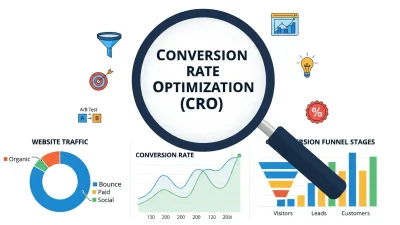
One of the most effective ways to Reduce cart abandonment is to understand exactly where users leave the purchasing journey. Funnel analysis helps businesses examine the stages customers move through before completing a purchase. A typical ecommerce funnel may include product views, product interactions, cart additions, checkout starts, payment attempts, and completed purchases.
If many users add products to their carts but very few reach checkout, the problem may exist between the product page and cart. If users begin checkout but leave before payment, the checkout process may require closer investigation. The goal is not simply to identify that abandonment exists. The goal is to understand where and why it happens. Businesses can compare funnel performance across devices, traffic sources, customer groups, and product categories. This can reveal patterns that are difficult to identify by looking at overall sales numbers alone.
Use Website Analytics to Understand Customer Behavior
 Website analytics provides valuable information about how visitors interact with an ecommerce website. Businesses can use analytics data to understand visitor journeys, engagement patterns, traffic sources, device usage, and conversion behavior. For example, if mobile visitors abandon carts significantly more often than desktop visitors, the website may have mobile usability problems. Similarly, if visitors from a particular advertising campaign add products to their carts but rarely purchase, the campaign or landing page may be attracting users with the wrong expectations.
Analytics should therefore be used as a decision-making tool rather than simply a reporting system. Businesses can examine checkout completion rates, cart additions, exit pages, traffic sources, device performance, and returning customer behavior to identify opportunities for improvement.
Simplify the Checkout Experience
A simple checkout process is one of the most important steps businesses can take to Reduce cart abandonment. Customers should be able to understand what they need to do at every stage. Clear labels, visible progress indicators, straightforward forms, and easy navigation can reduce confusion.
Guest checkout can also be valuable because some customers do not want to create an account before purchasing. Businesses can offer account creation after the transaction instead of making registration a requirement. Checkout pages should also avoid unnecessary distractions. The main objective is to help customers review their order, provide required information, choose a payment method, and complete the purchase efficiently.
Improve Mobile Checkout
Mobile users represent a major portion of ecommerce traffic. A checkout process that works well on desktop but feels difficult on smartphones can result in significant abandonment.
Buttons should be easy to tap, forms should fit smaller screens, and payment options should work smoothly on mobile devices. Businesses should test checkout experiences across different screen sizes and operating systems.
Make Pricing and Shipping Transparent
Price transparency can play a major role in reducing hesitation. Customers want to know the final cost before they commit to a purchase. Businesses should avoid surprising shoppers with significant additional fees at the final stage. Shipping information, estimated delivery times, taxes, and other relevant charges should be communicated clearly.
If free shipping is available above a certain order value, businesses can communicate that offer earlier in the customer journey. This can also encourage shoppers to increase their order value when appropriate.
Strengthen Trust During Checkout
Trust becomes especially important when customers are entering payment and personal information. Businesses should provide clear security information and make the checkout environment look professional and consistent with the brand. Customer reviews, ratings, guarantees, return policies, and customer support information can also help reduce purchase anxiety.
The checkout page should not contain confusing messages or unexpected redirects. Customers need to feel that they are completing their transaction in a secure and reliable environment.
Recover Abandoned Carts With Follow-Up Campaigns
Not every abandoned cart needs to remain a lost sale. Businesses can use abandoned-cart recovery campaigns to remind customers about products they previously considered. Email reminders are one common approach. A reminder can show the products left in the cart and provide a direct path back to checkout.
Depending on the business and customer relationship, companies can also use other communication channels where customers have explicitly opted in. Personalized reminders can be more effective when they are relevant and timely. However, businesses should avoid excessive messaging. Too many reminders can annoy customers and negatively affect brand perception.
Use Data-Driven Optimization
 Data-driven optimization allows businesses to improve e-commerce performance based on evidence rather than assumptions. Instead of immediately redesigning an entire checkout process, businesses can identify the most significant problem and test a specific improvement.
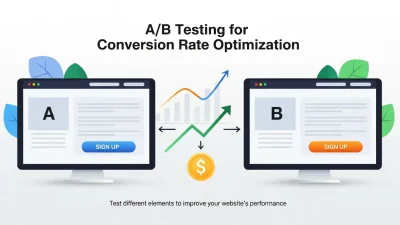
For example, a business may discover that customers frequently leave when shipping costs appear. It can test clearer shipping information or alternative delivery options. If another issue is related to a complicated form, the company can test a shorter version. A/B testing can help compare different versions of checkout pages, calls to action, payment options, shipping messages, or cart recovery campaigns. The most effective optimization process is continuous. Businesses should measure the results of each change and use the findings to guide the next improvement.
Personalize the Shopping Experience
Personalization can help customers feel that the ecommerce experience is relevant to their needs. Businesses can use previous browsing behavior, purchase history, cart contents, and customer preferences to provide relevant recommendations or reminders.
For example, a customer who abandons a specific product may later receive a reminder about that product or related items. Returning customers can also benefit from saved preferences or simplified checkout information where appropriate and secure. Personalization should be useful rather than intrusive. Customers should receive relevant experiences without feeling that their privacy is being compromised.
Improve Product Pages Before Customers Reach Checkout
Cart abandonment is not always caused by the checkout page. Sometimes customers add products to their carts without having enough information to make a confident purchase. Detailed product descriptions, accurate images, specifications, reviews, availability information, shipping details, and return policies can help customers make informed decisions.
When shoppers understand exactly what they are buying, they may be less likely to reconsider the purchase later. Businesses should therefore optimize the entire customer journey rather than focusing only on the final checkout screen.
Monitor Cart Abandonment Regularly
Reducing abandonment is an ongoing process. Customer behavior, competitors, payment preferences, devices, and ecommerce trends can change over time. Businesses should establish regular reporting to monitor cart abandonment and related conversion metrics. Comparing performance over different periods can reveal whether optimization efforts are producing meaningful improvements.
It is also useful to segment results by device, traffic source, product category, location, and customer type. Overall numbers can hide important differences between customer groups. For example, desktop users may have a strong conversion rate while mobile users struggle. In that situation, improving mobile checkout may provide a better opportunity than changing the entire website.
Create a Better Path From Cart to Purchase
A successful ecommerce strategy should make purchasing feel simple, transparent, and trustworthy. Every unnecessary obstacle increases the possibility that a customer will leave. To Reduce cart abandonment, businesses should focus on understanding customer behavior, simplifying checkout, improving website performance, providing transparent pricing, offering trusted payment methods, and using effective recovery campaigns.
The combination of Funnel analysis, website analytics, and Data-driven optimization can provide a strong foundation for continuous improvement. Instead of guessing why customers leave, businesses can use real behavioral data to identify problems and test practical solutions. Recovering abandoned carts is not only about sending reminders. It is about creating an ecommerce experience that gives customers fewer reasons to leave in the first place.
Frequently Asked Questions
1. What does cart abandonment mean?
Cart abandonment occurs when a customer adds products to an online shopping cart but leaves the website without completing the purchase. It is a common ecommerce challenge that can result in lost sales opportunities.
2. Why do customers abandon shopping carts?
Common reasons include unexpected costs, complicated checkout processes, limited payment options, slow websites, lack of trust, unclear return policies, and customers simply not being ready to purchase.
3. How can businesses reduce cart abandonment?
Businesses can simplify checkout, provide transparent pricing, improve website speed, offer multiple payment methods, strengthen trust signals, optimize mobile experiences, and use abandoned-cart recovery campaigns.
4. How does funnel analysis help reduce cart abandonment?
Funnel analysis shows where customers leave during the purchasing journey. Businesses can identify whether the biggest drop-off happens on product pages, cart pages, checkout, or payment stages and then focus optimization efforts accordingly.
5. Why is website analytics important for ecommerce?
Website analytics helps businesses understand how visitors interact with their websites. It can reveal traffic sources, device behavior, checkout performance, user journeys, and other patterns that influence conversions.
6. Can mobile optimization reduce cart abandonment?
Yes. A difficult mobile checkout can cause users to leave before completing their purchases. Responsive layouts, simple forms, fast loading times, large touch-friendly buttons, and mobile-friendly payment options can improve the experience.
7. Should ecommerce websites offer guest checkout?
Guest checkout can reduce friction for customers who do not want to create an account before purchasing. Businesses can offer account creation after the transaction to encourage registrations without making them a checkout requirement.
8. Do abandoned-cart emails help recover lost sales?
Abandoned-cart emails can encourage customers to return and complete purchases. Their effectiveness depends on timing, relevance, messaging, and the overall customer experience.
9. What is data-driven optimization?
Data-driven optimization means making website and marketing improvements based on measurable user behavior and performance data rather than assumptions. Testing different solutions can help businesses identify what works best.
10. How often should businesses analyze cart abandonment?
Businesses should monitor cart abandonment regularly rather than treating it as a one-time project. Monthly or ongoing analysis can help identify new problems and measure the impact of optimization efforts.
Final Thoughts
Cart abandonment can have a major impact on ecommerce revenue, but businesses have many opportunities to improve the customer journey. By identifying friction points, simplifying checkout, improving transparency, strengthening trust, and using effective recovery strategies, businesses can turn more shoppers into customers.
The strongest results come from combining customer-focused design with Funnel analysis, website analytics, and Data-driven optimization. With continuous testing and measurement, businesses can create a smoother shopping experience, recover more lost sales, and build stronger long-term ecommerce performance.