
Generating traffic is only the first step in building a successful online business. The real challenge begins once visitors land on your website. If those visitors leave without taking action—whether that means making a purchase, signing up for a newsletter, or requesting a demo—your marketing efforts lose their impact. This is exactly where a strategic approach to optimizing your website becomes critical.
Relying on gut feelings or imitating competitors rarely yields sustainable results. True growth comes from analyzing user behavior, understanding friction points, and systematically testing solutions. By leveraging hard data, businesses can transform underperforming web pages into highly effective revenue generators.
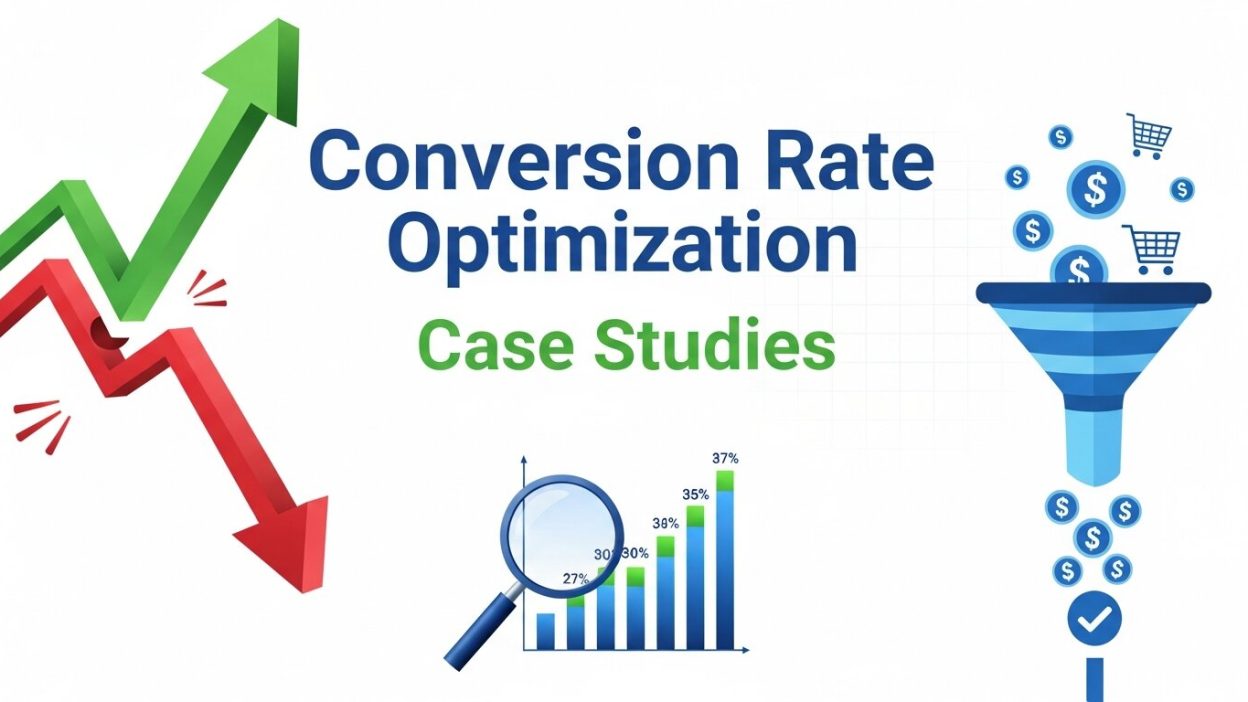
If you want to understand how this process works in practice, reviewing real-world conversion rate optimization case studies is highly effective. Examining how other companies identified their bottlenecks and tested their way to success provides a blueprint for your own strategy.
This post explores the mechanics of data-driven optimization. We will look at how to lay the groundwork for success, examine specific examples of companies improving their metrics, and highlight actionable takeaways you can apply to your own website.
The Foundation: Conducting a Conversion Rate Optimization Audit
Before you can fix a problem, you need to know exactly what is broken. A comprehensive conversion rate optimization audit serves as the diagnostic foundation for any successful growth campaign. This process involves stripping away assumptions and looking purely at how users interact with your digital storefront.
Identifying the Leaks in Your Funnel
Every website has a funnel, and almost every funnel has leaks. An audit begins by mapping out the critical paths users take to reach a conversion goal. Analytics platforms help pinpoint exactly where visitors drop off. You might find that users abandon your site on the pricing page, or perhaps they add items to their cart but never complete the purchase. Identifying these specific drop-off points tells you where to focus your testing efforts.
Gathering Quantitative and Qualitative Data
A solid audit relies on two types of data. Quantitative data tells you what is happening. Metrics like bounce rate, time on page, and exit rate provide the numerical evidence of user behavior.
Qualitative data tells you why it is happening. Tools like heatmaps, session recordings, and user surveys offer a window into the user experience. You might observe users rage-clicking on an unclickable element or scrolling right past your main call to action. Combining these two data streams allows you to form educated hypotheses for your tests, rather than throwing random changes at the wall to see what sticks.
Case Study 1: Simplifying the B2B SaaS Onboarding Flow
 Enterprise software companies often struggle with complex sign-up processes. They want to collect as much information as possible to qualify leads, but this creates massive friction for the user.
The Friction Point
A mid-sized project management software provider noticed a high drop-off rate on their free trial registration page. The page required users to fill out 12 different fields, including company size, phone number, and industry. Quantitative data showed a 75% abandonment rate on this specific page. Session recordings revealed users hesitating at the phone number field before closing the tab.
The Hypothesis and Testing
The optimization team hypothesized that reducing the number of required fields would lower the barrier to entry and increase trial sign-ups. They designed a split test (A/B test). The control was the original 12-field form. The variant was a simplified form asking only for a name, work email, and password.
The Result
After running the test for three weeks to reach statistical significance, the variant outperformed the control by a wide margin. The simplified form increased trial sign-ups by 42%. The company later moved the additional profiling questions to a post-registration onboarding sequence, ensuring they still gathered necessary data without sacrificing the initial conversion.
Case Study 2: Ecommerce Checkout Conversion Rate Optimization
 Online retailers constantly battle shopping cart abandonment. Even a small increase in checkout completion rates can translate to millions of dollars in additional annual revenue.
The Friction Point
An online apparel retailer experienced an unusually high cart abandonment rate of 68%. Through a targeted conversion rate optimization audit, the team discovered that the requirement to create an account before checking out was causing major frustration. Mobile users, in particular, were abandoning the site when prompted to choose a password and verify their email address.
Implementing Guest Checkout and Progress Bars
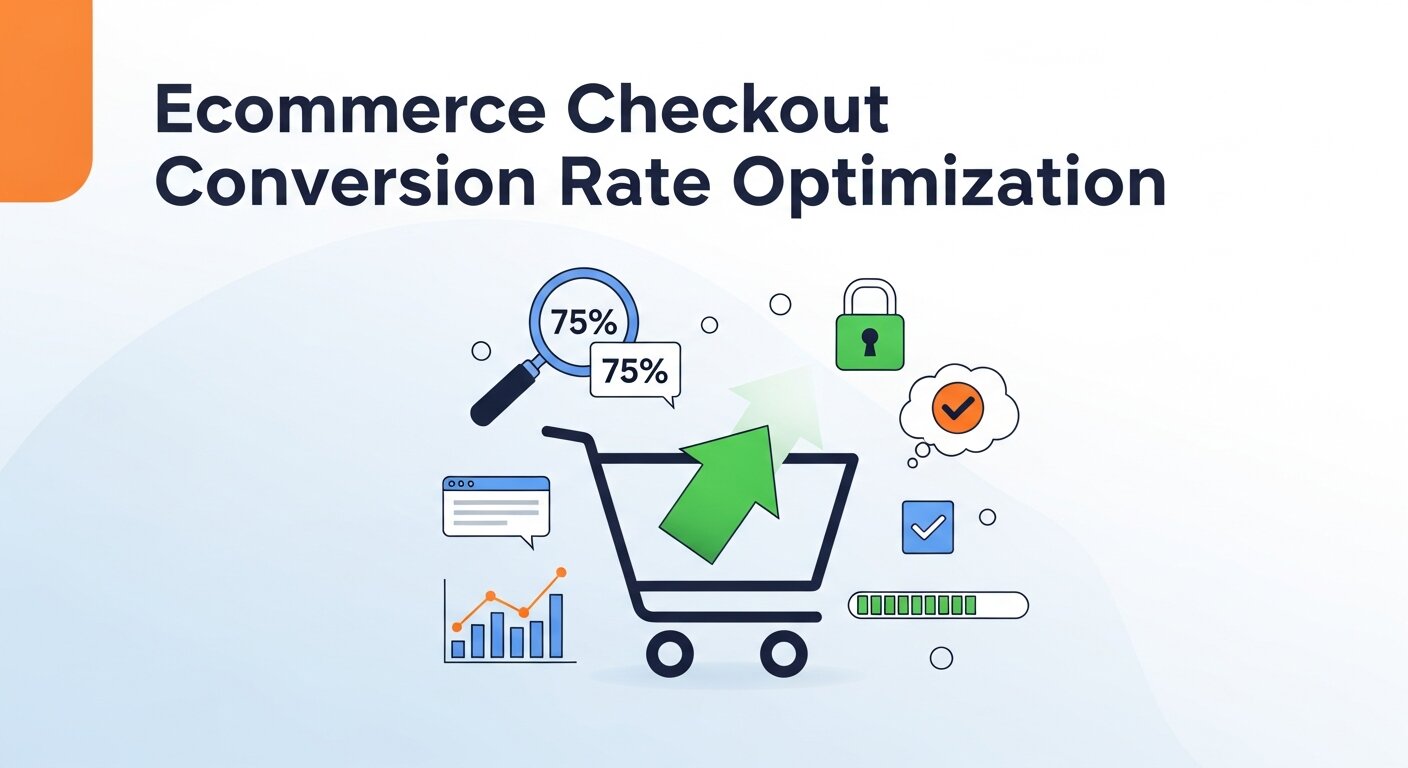
The team hypothesized that focusing on ecommerce checkout conversion rate optimization by implementing a guest checkout option would streamline the buying process. Furthermore, they decided to add a visual progress bar at the top of the checkout screen to show users exactly how many steps remained.
They tested the new streamlined checkout against the mandatory account creation flow.
The Result
The results were immediate and impactful. By allowing users to purchase as guests and clearly communicating the checkout steps, the retailer saw a 28% increase in completed transactions. Revenue per visitor increased significantly, proving that removing mandatory account creation is often the most profitable choice for ecommerce brands.
Case Study 3: Optimizing Landing Page Copy for Lead Generation
Design and layout are crucial, but the words you use on your page carry immense weight. Unclear or jargon-heavy copy can confuse visitors and suppress conversion rates.
The Friction Point
A financial consulting firm was running expensive paid search ads to a dedicated landing page. The page was visually stunning, but the conversion rate hovered around a dismal 1.2%. The original headline read: “Synergistic Financial Solutions for Modern Wealth Management.”
Heatmaps showed that users were landing on the page, reading the headline, and immediately bouncing. The copy was overly complex and failed to address the visitor’s immediate pain points.
The Solution
The optimization team hypothesized that clear, benefit-driven copy would resonate better with the target audience. They rewrote the headline and subheadline to focus on the specific outcome the user desired. The new headline read: “Protect Your Wealth and Retire 5 Years Early.” The supporting copy used simple language to explain exactly how the firm achieved this for its clients.
The Result
The test ran for a full month. The clear, benefit-driven copy increased the conversion rate from 1.2% to 4.5%. By speaking directly to the customer’s desires and eliminating corporate jargon, the firm drastically reduced their cost per acquisition and maximized the return on its ad spend.
A/B Testing for Continuous Optimization
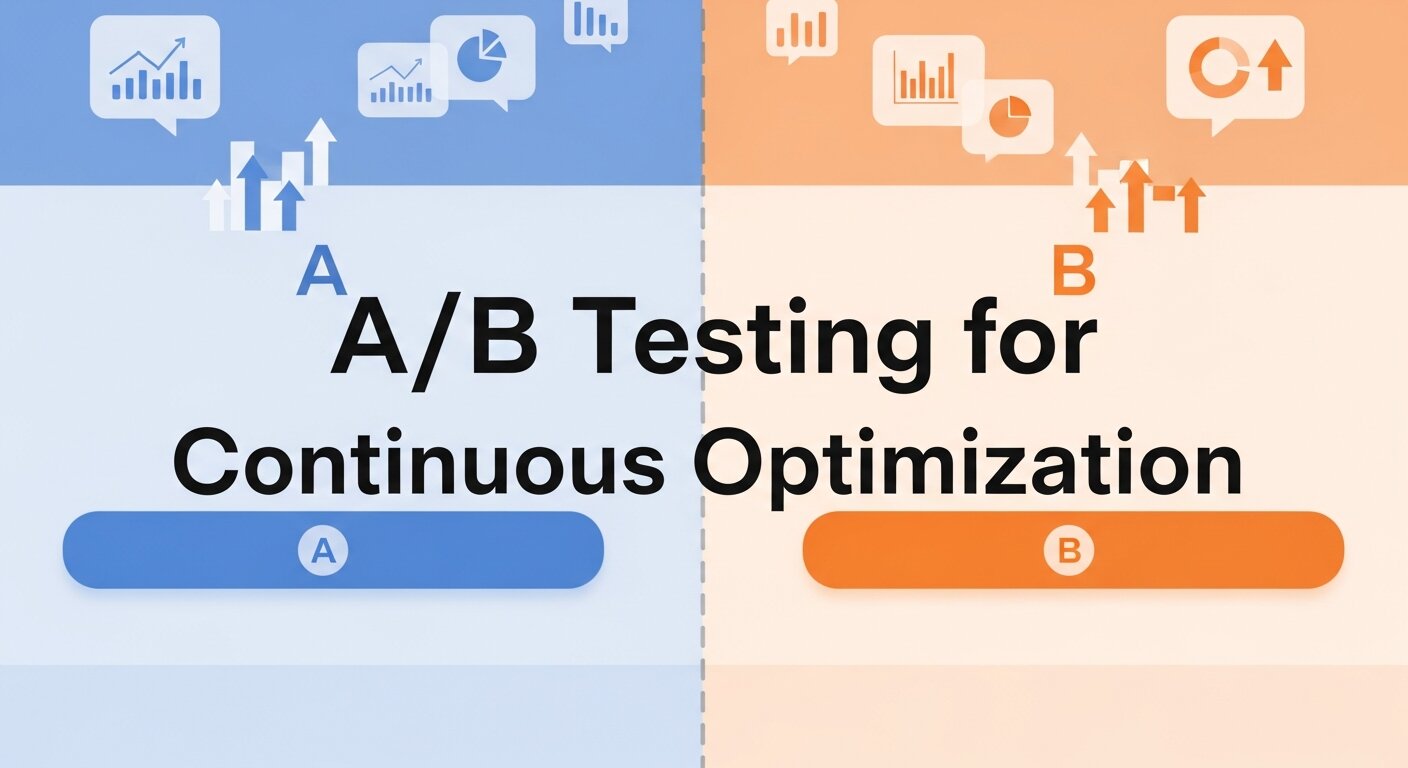 A/B testing is one of the most powerful methods in conversion rate optimization. It involves comparing two versions of a webpage to determine which performs better in terms of user engagement or conversions. Businesses test elements such as headlines, call-to-action buttons, images, and layouts to identify what resonates most with their audience. Instead of relying on assumptions, decisions are based on real user behavior data. A structured testing process ensures that even small changes can lead to significant performance improvements over time. However, proper sample size and statistical significance are essential for accurate results. When implemented consistently, A/B testing creates a culture of continuous improvement, allowing websites to evolve based on measurable user preferences and behaviors.
User Experience (UX) Optimization Strategies
User experience plays a central role in conversion rate optimization. A well-designed website ensures that visitors can easily navigate, find information, and complete desired actions without friction. UX optimization focuses on improving page speed, mobile responsiveness, visual hierarchy, and intuitive navigation. Even minor usability issues—such as confusing menus or slow-loading pages—can significantly reduce conversion rates. Businesses often use user testing sessions and behavioral analytics tools to understand how real users interact with their websites. Based on these insights, designers refine layouts and simplify user journeys. A smooth and enjoyable experience not only increases conversions but also builds trust and encourages repeat visits, making UX optimization a long-term growth strategy.
Landing Page Optimization Techniques
Landing pages are often the first interaction a visitor has with your business, making their optimization critical. Effective landing page optimization focuses on clarity, relevance, and persuasion. The goal is to align the message with user intent and eliminate distractions that may prevent conversions. Key techniques include writing compelling headlines, using strong call-to-action buttons, and structuring content for easy readability. Visual elements such as images, videos, and trust signals like testimonials also play a major role. Additionally, reducing page load time improves engagement and lowers bounce rates. Testing different versions of landing pages helps identify what drives the highest conversion rates. A well-optimized landing page can dramatically increase leads and sales.
Heatmaps and User Behavior Analysis
Heatmaps are essential tools for understanding how users interact with a website. They visually represent where users click, scroll, and spend the most time on a page. This allows businesses to identify which areas attract attention and which are ignored. Combined with session recordings, heatmaps provide deep insights into user behavior patterns. For example, if users frequently ignore a call-to-action button, its placement or design may need improvement. Behavior analysis helps uncover hidden usability issues that traditional analytics cannot reveal. By studying real user interactions, businesses can make informed design decisions. This leads to better page structure, improved engagement, and ultimately higher conversion rates across the website.
Conversion Funnel Optimization
The conversion funnel represents the journey users take from landing on a website to completing a desired action. Optimizing this funnel involves identifying and removing obstacles at each stage. Common funnel stages include awareness, interest, consideration, and conversion. At each step, users may drop off due to confusion, lack of trust, or unnecessary complexity. Funnel optimization uses analytics tools to track where these drop-offs occur. Once identified, businesses can simplify processes, improve messaging, or add trust signals to keep users moving forward. A well-optimized funnel ensures a smooth transition from visitor to customer. Even small improvements at each stage can lead to significant increases in overall conversion rates.
Personalization in CRO Strategy
Personalization has become a key factor in modern conversion rate optimization. It involves tailoring website content, offers, and messaging based on user behavior, demographics, or preferences. Personalized experiences make users feel understood, increasing engagement and trust. For example, returning visitors may see customized product recommendations, while new visitors receive introductory offers. Advanced tools use AI and machine learning to automate personalization at scale. This ensures each user receives a relevant experience without manual effort. Personalization can significantly improve conversion rates by reducing friction and increasing relevance. However, it must be implemented carefully to avoid overwhelming users. When done correctly, personalization creates a highly engaging and effective user journey.
Mobile Conversion Rate Optimization
With the majority of web traffic now coming from mobile devices, optimizing for mobile conversions is essential. Mobile CRO focuses on improving usability, speed, and simplicity on smaller screens. Elements such as responsive design, fast loading times, and easy-to-click buttons are critical. Mobile users often have shorter attention spans, so content must be clear and direct. Simplified forms and one-click payment options can significantly reduce drop-offs. Additionally, mobile navigation should be intuitive and clutter-free. Testing different mobile layouts helps identify friction points that affect conversions. A poorly optimized mobile experience can lead to high bounce rates and lost revenue. Prioritizing mobile CRO ensures businesses capture and convert on-the-go users effectively.
Frequently Asked Questions (FAQ)
What is conversion rate optimization (CRO)?
Conversion rate optimization is the process of improving a website or landing page to increase the percentage of visitors who complete a desired action, such as making a purchase, signing up, or filling out a form. It focuses on understanding user behavior and removing friction points that prevent conversions.
Why are conversion rate optimization case studies important?
CRO case studies provide real-world examples of how businesses improved their performance. They help marketers and business owners learn what strategies actually work, what mistakes to avoid, and how data-driven testing can lead to measurable growth.
What tools are used for conversion rate optimization?
Common CRO tools include Google Analytics for tracking behavior, Hotjar or Microsoft Clarity for heatmaps and session recordings, and A/B testing platforms like Optimizely, VWO, or Google Optimize alternatives. These tools help analyze data and test improvements.
How long does it take to see results from CRO changes?
Results depend on traffic volume and the size of changes. Some improvements can show impact within days, while statistically reliable A/B tests usually take 2–4 weeks. Larger strategic changes may take longer to fully evaluate.
What is the most common CRO mistake?
One of the biggest mistakes is making changes based on assumptions instead of data. Another common issue is testing too many variables at once, which makes it difficult to understand what actually caused the improvement or decline in performance.
Start Optimizing Your Growth Today
Reading through conversion rate optimization case studies highlights a fundamental truth about digital marketing: small, data-informed changes compound into massive revenue growth over time. You do not need to redesign your entire website to see results. You just need to identify where users are struggling and systematically test solutions.
Begin by setting up proper tracking. Conduct an audit of your most important pages to identify the glaring friction points. Listen to your qualitative data to understand the user’s perspective, and then start testing. By embracing a culture of continuous optimization, you can turn your website into a highly efficient engine for long-term growth.