
Website Conversion Rate Optimization (CRO) focuses on turning existing website visitors into customers by improving user experience, design, and performance. By optimizing elements like CTAs, landing pages, site speed, personalization, and social proof, businesses can reduce friction and increase conversions. A data-driven CRO strategy helps maximize ROI, boost revenue, and create more meaningful, user-friendly digital experiences.
What Is Website Conversion Rate Optimization?
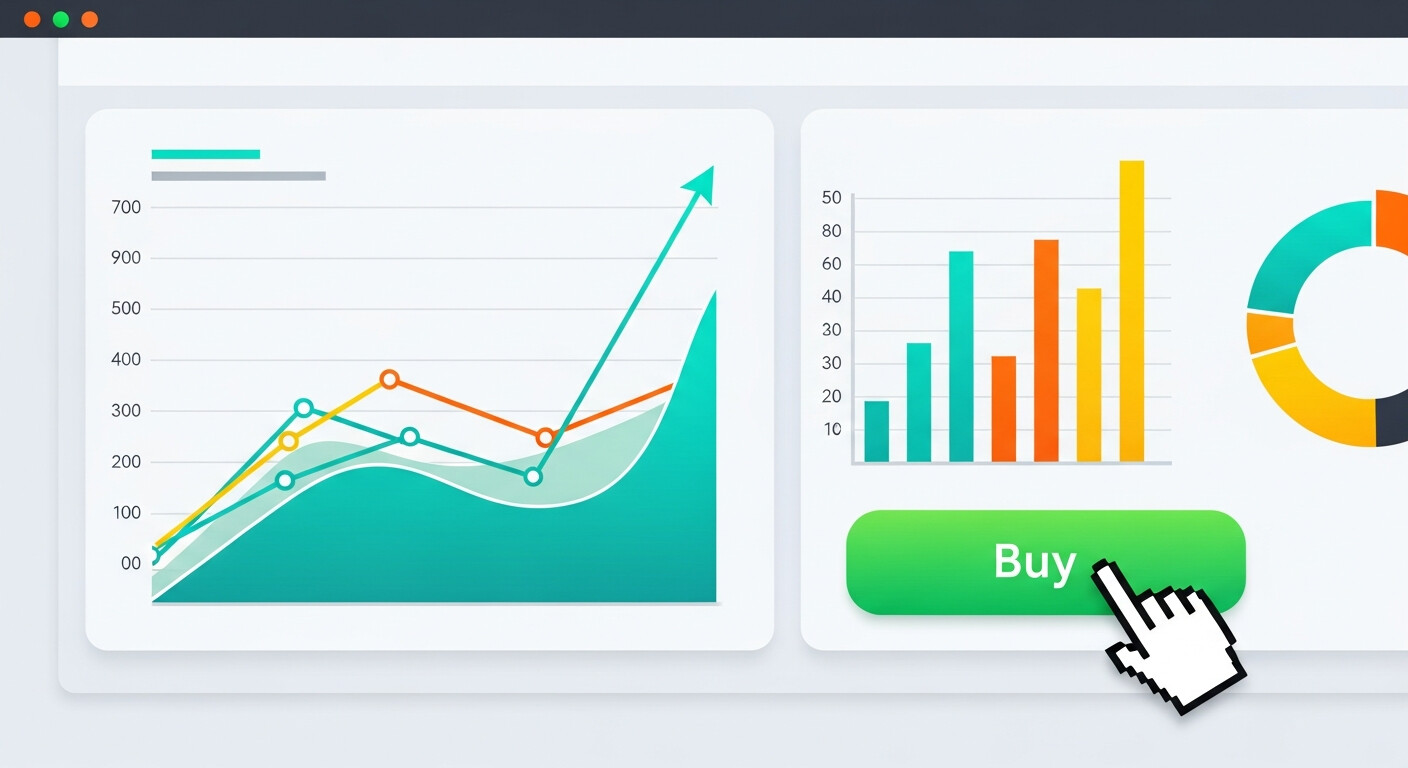
Website Conversion Rate Optimization (CRO) is the strategic process of improving your website’s design, content, and user experience to increase the percentage of visitors who complete a desired action. These actions may include making a purchase, subscribing to a newsletter, downloading a resource, or filling out a contact form. Rather than focusing solely on driving more traffic, website conversion rate optimization emphasizes maximizing the value of your existing visitors by analyzing user behavior, testing page elements, and removing friction points that prevent conversions. When done right, CRO helps businesses turn casual visitors into engaged leads and loyal customers while improving overall ROI
Your website’s conversion rate is calculated as:
Conversion Rate = (Conversions ÷ Total Visitors) × 100
For instance, if your website had 5,000 monthly visitors and 250 of them completed a purchase, your conversion rate is 5%. CRO focuses on increasing that number to maximize the return on your traffic.
Optimize Your Calls-to-Action (CTAs)
Your call-to-action is the tipping point between browsing and converting. Even a well-designed website can underperform if its CTAs are unclear, weak, or poorly placed. Strong CTAs guide users toward the next step and play a central role in Website Conversion Rate Optimization. Many brands see immediate gains by applying these conversion rate optimization tips.
Effective CTAs are action-oriented, benefit-driven, and visually distinct. They clearly communicate what the user will get and why they should act now. Testing different CTA messages, colors, and placements can uncover powerful conversion gains with minimal effort.
CTA optimization tips:
- Use action-focused language like “Get Started,” “Claim Your Free Trial,” or “Download the Guide”
- Highlight value or urgency (e.g., “Limited-Time Offer”)
- Place CTAs above the fold and at natural decision points
- Avoid generic phrases like “Click Here”
Well-optimized CTAs reduce hesitation and significantly increase conversion rates across landing pages, product pages, and forms.
Improve Forms and Checkout Flow
Forms and checkout pages are common friction points in the conversion funnel. Lengthy forms, unnecessary fields, or complicated checkout steps can cause users to abandon the process entirely. Streamlining these elements is a proven Website Conversion Rate Optimization strategy, especially for eCommerce brands following a structured ecommerce conversion rate optimization guide.
The goal is to make completing an action as fast and effortless as possible. Removing distractions, simplifying inputs, and clearly communicating security and trust can dramatically improve completion rates.
Form and checkout optimization strategies:
- Ask only for essential information
- Use progress indicators for multi-step forms
- Enable guest checkout options
- Display security badges and privacy assurances
Reducing friction at the final stage of the user journey directly translates into higher conversion rates and increased revenue.
Why Is CRO Crucial for Your Website?
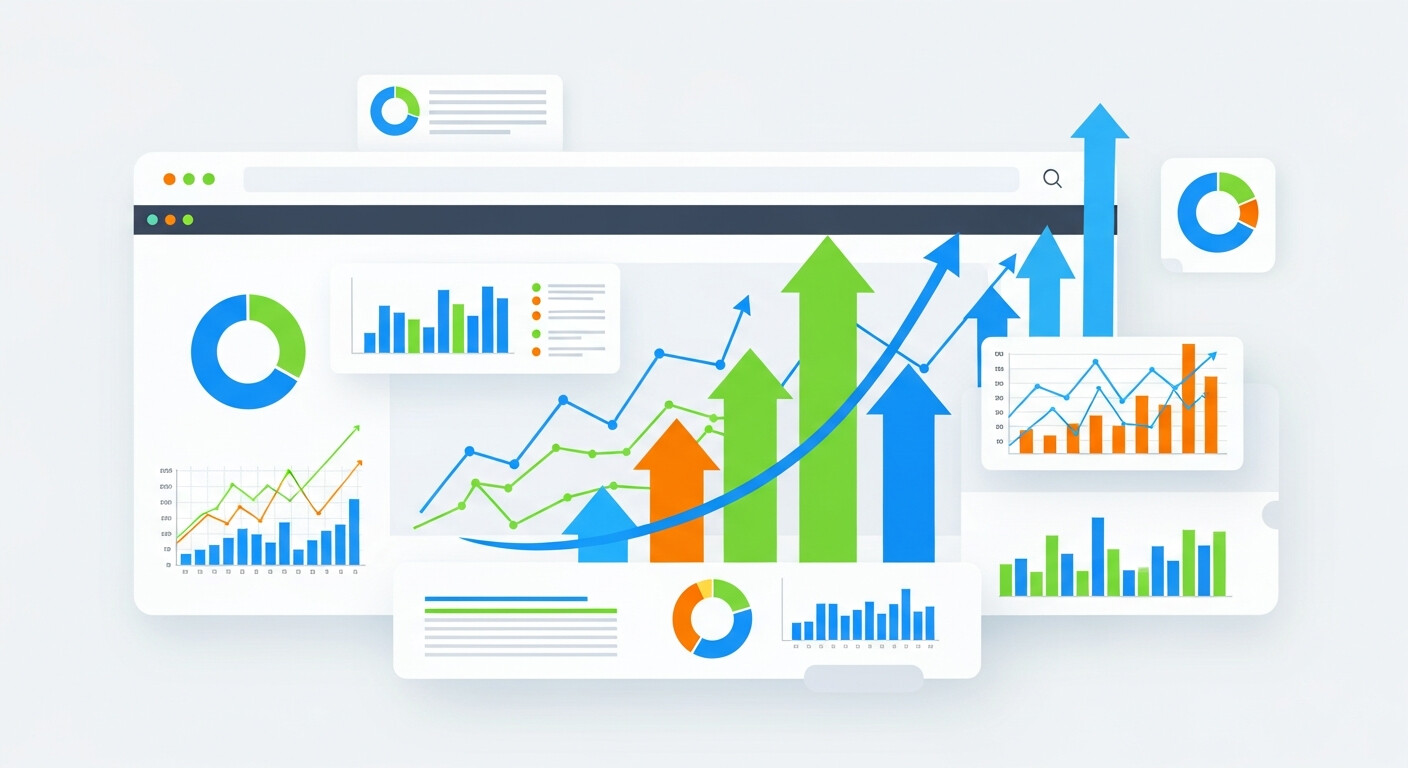
Here’s why optimizing your website’s conversion rate should be a top priority:
- Maximize ROI: CRO helps you make the most out of your existing website traffic. Instead of spending more acquiring new visitors, you can increase conversions from your current audience.
- Boost Revenue: Even small improvements in conversions can lead to significant boosts in revenue, especially for high-traffic websites.
- Enhance User Experience: A conversion-optimized website is often easier to use, faster, and more engaging for visitors.
- Stay Competitive: With more businesses going online, CRO can give you the edge you need to stand out and succeed in a crowded marketplace.
Now that you know why CRO is vital, let’s explore how you can implement it effectively.
Key Areas to Focus on for CRO
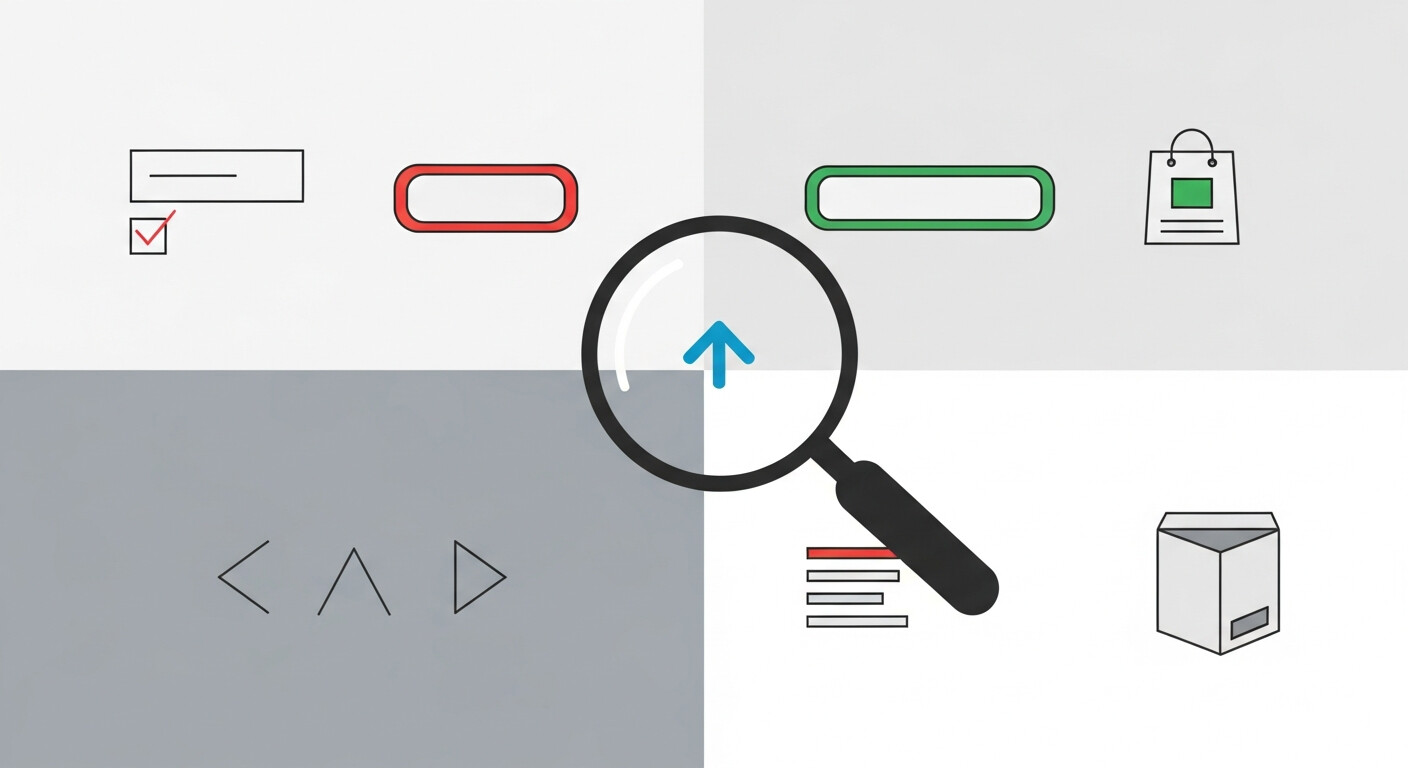
Optimize Your Landing Pages
Landing pages often serve as the first impression a visitor gets of your business, making them a critical element of Website Conversion Rate Optimization. A cluttered layout, slow load times, or unclear messaging can instantly drive potential customers away. Well-optimized landing pages focus on speed, visual clarity, persuasive copy, and strong calls-to-action that guide users toward a specific goal. By aligning design, content, and user intent, effective landing page optimization increases engagement, reduces bounce rates, and significantly improves overall website conversion rates—especially when aligned with mastering conversion rate optimization strategies.
Tips for landing page optimization:
- Clear Headlines: Use strong, benefit-focused headlines that immediately communicate your value.
- Focused Call-to-Action (CTA): Your CTA should be clear, concise, and strategically placed. For example, instead of “Submit,” use action-driven CTAs like “Download My Free Guide Now.”
- Visual Hierarchy: Use bold typography, contrasting colors, and whitespace to direct attention to key areas like the CTA button.
Simplify Navigation
Confusing or cluttered navigation is one of the fastest ways to lose potential customers. When visitors can’t quickly find what they’re looking for, frustration sets in and bounce rates increase. Simplifying your website navigation by organizing menus logically, limiting options, and improving search functionality creates a smoother user journey. Clear navigation helps users move effortlessly from landing pages to key conversion points, such as product pages or contact forms. As part of an effective Website Conversion Rate Optimization strategy, streamlined navigation reduces friction, improves engagement, and guides visitors toward taking action—ultimately increasing conversions and overall site performance.
Best practices for navigation:
- No more than 7 menu items.
- Use intuitive labels (e.g., “Shop,” “About Us,” “Contact”).
- Add a search bar for easy accessibility.
Speed Up Your Website
Website performance plays a critical role in how users interact with your brand and directly influences conversions. Slow-loading pages frustrate visitors, increase bounce rates, and can derail potential sales before your message is even seen. From an SEO and user experience standpoint, page speed is a core pillar of Website Conversion Rate Optimization, as faster sites create smoother journeys, build trust, and encourage users to take action. Optimizing load times through image compression, clean code, and efficient hosting not only improves engagement but also boosts search visibility, helping your website convert more visitors into customers.
How to improve site speed:
- Compress large images to reduce file sizes.
- Use a Content Delivery Network (CDN) to serve content more efficiently.
- Minify CSS, JavaScript, and HTML.
Check your site speed using free tools like Google PageSpeed Insights for actionable recommendations.
Personalize the Experience
Modern users expect websites to recognize their needs and deliver relevant content in real time. Personalizing your website’s messaging, product recommendations, and offers based on user behavior, location, traffic source, or past interactions significantly improves engagement. When visitors see content that feels tailored to them, they are more likely to stay longer, interact, and convert. Personalization is a core pillar of Website Conversion Rate Optimization, as it reduces friction in the buyer journey and builds trust through relevance. By delivering the right message to the right user at the right moment, businesses can increase click-through rates, boost conversions, and create more meaningful customer experiences.
Ways to personalize experiences:
- Use location-specific offers or information.
- Employ retargeting ads to remind visitors of previously viewed products.
- Show recommendations (“People also bought…”) based on visitor behavior.
Leverage Social Proof
Ideas for adding social proof:
- Display reviews and ratings prominently on product pages.
- Showcase customer testimonials across your site.
- Incorporate trust badges, like “Secure Checkout” or “Money-Back Guarantee.”
A/B Testing
What to A/B test:
- Headlines
- Button text and placement
- Page layout
- Images or videos
- Forms (e.g., reducing fields in a checkout form)
By consistently testing, you can make data-driven decisions to optimize your website.
Real-Life Example of CRO Success

Consider SaaS companies like Dropbox. They utilize clear CTAs, minimalistic design, and benefit-focused content to maximize their conversion rates. A simple headline like “Save your files. Save your friends.” combined with a visually impactful call-to-action button contributed to their growth from a startup to a household brand.
Similarly, e-commerce brands like Amazon continuously A/B test their product pages and search algorithms to ensure seamless user experiences and maximum conversions.
Next Steps to Boost Your Conversions
Improving your website conversion rate optimization is an ongoing process. It requires testing, analyzing, and refining your strategies regularly.
If you’re ready to take the guesswork out of CRO, consider professional tools and services that simplify the process. For example, integrating SaaS platforms with analytics, heatmaps, and testing capabilities can provide actionable insights to guide your efforts.
At the end of the day, a well-optimized website doesn’t just sell products or services; it also fosters better customer relationships and builds loyalty. Take the time to invest in CRO, and it will pay dividends for your business.
To truly optimize conversions, trust plays a key role. Discover how online reputation management quietly supports growth by influencing customer decisions.
Frequently Asked Questions (FAQ)
What is a good conversion rate for a website?
Conversion rates vary by industry, traffic source, and website type. On average, most websites see rates between 2–5%, but with strategic CRO, even small improvements can significantly increase revenue.
How long does it take to see results from CRO?
Some changes, like improving site speed or fixing broken CTAs, can show immediate impact. Larger strategies involving A/B testing, personalization, and user behavior analysis may take several weeks to months to produce measurable results.
Is CRO only for e-commerce websites?
No. Any website with a goal—whether newsletter sign-ups, service inquiries, downloads, or purchases—can benefit from CRO. The principles apply to SaaS, service-based businesses, and content websites as well.
What are the most common mistakes in website conversion rate optimization?
Common mistakes include not analyzing data, ignoring mobile users, overloading pages with information, neglecting testing, and failing to personalize the user experience.
Do I need a professional tool to implement CRO?
While small improvements can be done manually, professional CRO tools help track visitor behavior, run A/B tests, and implement personalization at scale. Platforms like Hotjar, Optimizely, and Google Optimize are commonly used.
How does CRO impact ROI?
By increasing the percentage of visitors who convert without increasing traffic, CRO directly improves ROI. More conversions from existing traffic mean higher revenue for the same marketing spend.
Can CRO improve user experience?
Yes. Many CRO strategies, such as simplifying navigation, improving load times, and optimizing forms, inherently make the website more user-friendly, which further supports conversions.
Is Website Conversion Rate Optimization expensive?
CRO doesn’t have to be expensive. Many improvements—such as clearer CTAs, better navigation, or faster load times—can be implemented with minimal cost. Over time, CRO often reduces customer acquisition costs by increasing conversions from existing traffic.
Can small websites benefit from CRO?
Absolutely. Website Conversion Rate Optimization is especially valuable for small and medium-sized businesses because even modest increases in conversion rates can lead to noticeable revenue growth without increasing marketing spend.
What metrics should I track for CRO?
Key CRO metrics include conversion rate, bounce rate, average session duration, click-through rate (CTR), exit rate, and form abandonment rate. Tracking these helps identify friction points and optimization opportunities.