
Understanding Conversion Rate Optimization

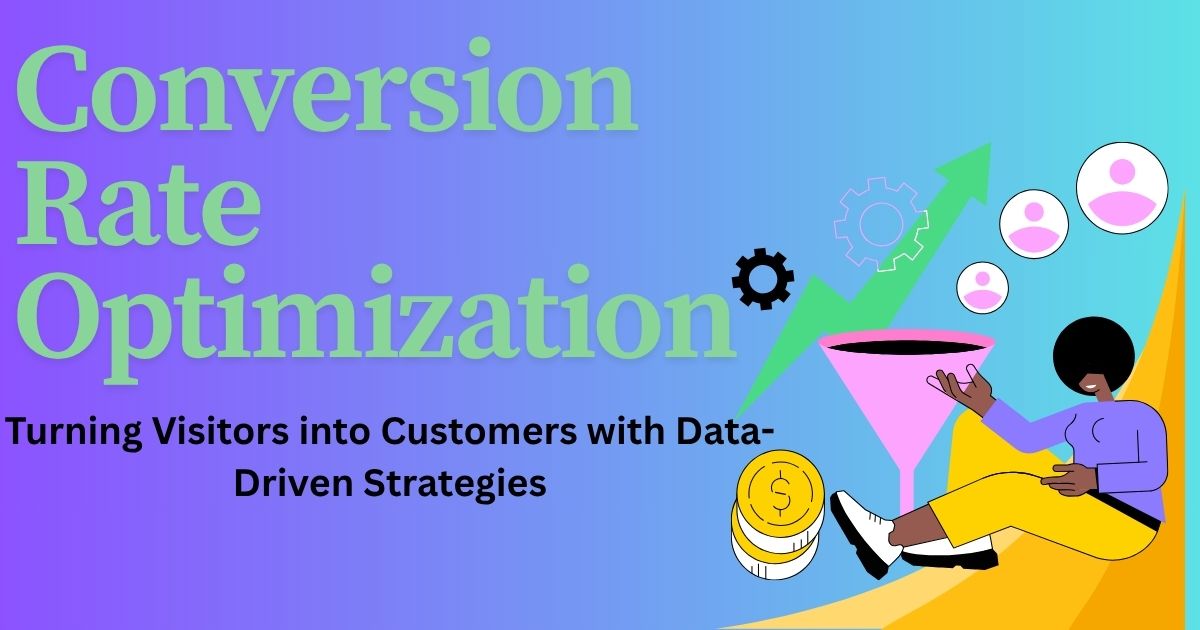
Conversion rate optimization (CRO) is the systematic process of increasing the percentage of website visitors who complete a desired action. These actions can include making a purchase, signing up for a newsletter, downloading a resource, requesting a demo, or filling out a contact form. Instead of focusing only on bringing more traffic to your website, CRO focuses on making your existing traffic more valuable by improving how users interact with your pages and guiding them toward meaningful actions.
If you’re wondering What Is Conversion Rate Optimization, it is essentially about improving your website’s performance by understanding what your visitors want and removing anything that stops them from taking action. The process involves analyzing user behavior through analytics, heatmaps, session recordings, and feedback tools. By identifying barriers such as confusing navigation, slow loading times, unclear messaging, or complicated forms, businesses can test and implement solutions that create a smoother and more engaging user experience.
Rather than guessing what might work, CRO relies on real data and structured experimentation, such as A/B testing and multivariate testing, to make informed decisions about website improvements. Over time, these small, data-driven changes can significantly increase conversions, improve customer experience, and generate more revenue without increasing marketing costs.
What Counts as a Conversion?
A conversion occurs when a visitor completes an action that moves them closer to becoming a customer or achieving a business goal. This could be making a purchase, submitting a contact form, signing up for a newsletter, or downloading a resource. Even smaller actions, like watching a product video or sharing content, can count as micro-conversions that indicate interest.
Knowing What Is Conversion Rate Optimization helps businesses identify these key actions, track performance, and improve the percentage of visitors who complete them, turning more traffic into meaningful results.
Common conversions include:
- Making a purchase
- Creating an account
- Subscribing to a newsletter
- Downloading a whitepaper or ebook
- Requesting a demo or consultation
- Adding items to a shopping cart
- Sharing content on social media
The specific conversion you focus on depends on your business goals and where visitors are in your sales funnel.
How to Calculate Your Conversion Rate
Your conversion rate is calculated using this simple formula:
Conversion Rate = (Number of Conversions ÷ Number of Visitors) × 100
For example, if your website receives 1,000 visitors in a month and 50 of them make a purchase, your conversion rate is 5%. Understanding What Is Conversion Rate Optimization makes this metric especially valuable, as it gives you a clear baseline to measure improvements and identify opportunities to increase the percentage of visitors taking meaningful actions. Even small gains in conversion rate can significantly boost revenue without increasing marketing spend.
Why Conversion Rate Optimization Matters

Conversion rate optimization (CRO) offers several compelling benefits that make it essential for business growth. By focusing on improving how your existing website visitors take action, CRO helps you get more value from your current traffic without spending extra on attracting new visitors. It lowers customer acquisition costs, increases return on investment, and enhances the overall user experience by removing friction points that prevent conversions. You can explore CRO strategies for B2B businesses in B2B Conversion Rate Optimization: A Strategic Guide for Growth.
Understanding What Is Conversion Rate Optimization shows that it’s not just about short-term gains. Optimizing conversions provides valuable insights into customer behavior, builds trust through better website interactions, and gives your business a competitive advantage. Over time, even small improvements in conversion rates can lead to significant growth and long-term success.
CRO offers several compelling benefits that make it essential for business growth:
Lower Customer Acquisition Costs
Improving your conversion rate means you get more customers from the same amount of traffic. Instead of spending additional money on advertising to attract new visitors, you maximize the value of your existing marketing efforts.
Higher Return on Investment
When more visitors convert, your marketing campaigns become more profitable. A 2% improvement in conversion rate can double the return on your advertising spend.
Better User Experience
The CRO process naturally leads to a better website experience. As you remove barriers and friction points, visitors find it easier to navigate your site and complete desired actions.
Competitive Advantage
Most businesses focus solely on driving more traffic. By optimizing conversions, you can outperform competitors even with similar or smaller marketing budgets.
Valuable Customer Insights
CRO research reveals what motivates your customers and what prevents them from converting. These insights inform not just website improvements but broader business decisions.
Key Elements That Impact Conversion Rates

Several factors influence whether visitors convert on your website:
Page Load Speed
Slow-loading pages kill conversions. Research shows that even a one-second delay in page load time can reduce conversions by 7%. Visitors expect pages to load within three seconds, and many will abandon sites that take longer.
Website Design and Layout
Clean, professional design builds trust and guides visitors toward conversion actions. Cluttered layouts confuse visitors and make it harder for them to find what they’re looking for.
Value Proposition Clarity
Visitors need to understand immediately what you offer and why it benefits them. Unclear messaging leads to confusion and higher bounce rates.
Trust Signals
Security badges, customer testimonials, reviews, and professional certifications help build credibility. Visitors need to feel confident before sharing personal information or making purchases.
Call-to-Action Effectiveness
Your calls-to-action should be prominent, clear, and compelling. Button text, color, size, and placement all impact conversion rates.
Mobile Optimization
With mobile traffic accounting for over half of web visits, mobile-friendly design is crucial. Sites that don’t work well on mobile devices lose significant conversion opportunities.Mobile-friendly design is crucial. For more insights, see Why Mobile CRO is Essential for E-commerce Success.
Common CRO Strategies and Techniques
A/B Testing
A/B testing involves creating two versions of a webpage and showing each to different groups of visitors. You then measure which version produces better conversion rates. This method removes guesswork and provides statistical proof of what works.
Common elements to A/B test include:
- Headlines and copy
- Button colors and text
- Images and videos
- Form lengths and fields
- Page layouts
- Pricing displays
Landing Page Optimization
Landing pages designed for specific campaigns often convert better than general website pages. Effective landing pages focus on a single conversion goal and remove distracting navigation elements.
Form Optimization
Long, complicated forms discourage conversions. Optimize forms by:
- Reducing the number of required fields
- Using single-column layouts
- Adding progress indicators for multi-step forms
- Providing clear error messages
- Offering guest checkout options
Personalization
Showing relevant content based on visitor behavior, location, or demographics can significantly improve conversion rates. Personalized experiences make visitors feel understood and increase engagement.
Social Proof Integration
Customer reviews, testimonials, case studies, and user-generated content build trust and encourage conversions. Displaying how many people have purchased or signed up creates urgency and validates your offering.
Getting Started with Conversion Rate Optimization

Set Clear Goals
Begin by defining what conversions matter most for your business. Focus on actions that directly impact revenue or move prospects through your sales funnel.
Analyze Current Performance
Use analytics tools to understand your current conversion rates and identify pages with the biggest improvement opportunities. Look for pages with high traffic but low conversion rates.
Research User Behavior
Heatmaps, session recordings, and customer surveys reveal how visitors interact with your website. These insights help you identify friction points and areas that prevent conversions. A key part of understanding what is conversion rate optimization is knowing exactly how users behave and tailoring your site to guide them smoothly toward desired actions.
Prioritize Tests
Start with changes likely to have the biggest impact. High-traffic pages with clear problems usually offer the best testing opportunities.
Implement Tracking
Set up analytics, event tracking, and goal funnels to measure how changes affect your conversion rates. Proper tracking allows you to attribute improvements to specific actions. Fully grasping what is conversion rate optimization requires accurate data, because without it, you won’t know which strategies truly increase conversions.
Common CRO Mistakes to Avoid
Testing Too Many Elements at Once
Changing multiple elements simultaneously makes it impossible to identify which changes drove results. Test one element at a time for clear insights.
Stopping Tests Too Early
Wait until you have statistically significant results before declaring a winner. Premature conclusions can lead to implementing changes that don’t actually improve performance.
Ignoring Mobile Users
Desktop-focused optimization misses the growing mobile audience. Ensure tests account for different device experiences.
Focusing Only on Conversion Rate
Sometimes a change that improves conversion rate reduces overall revenue if it attracts lower-value customers. Consider the complete impact of optimizations.
Tools for Conversion Rate Optimization
Several categories of tools support CRO efforts:
Testing Platforms: Google Optimize, Optimizely, and VWO enable A/B testing and multivariate experiments.
Analytics Tools: Google Analytics, Adobe Analytics, and similar platforms track conversion rates and user behavior.
Heat Mapping Software: Hotjar, Crazy Egg, and FullStory show how visitors interact with your pages.
Survey Tools: Typeform, SurveyMonkey, and UserVoice help gather customer feedback.
Landing Page Builders: Unbounce, Leadpages, and Instapage simplify creating optimized landing pages.
Measuring CRO Success
Track multiple metrics to understand the full impact of your optimization efforts:
- Conversion Rate: The primary metric showing percentage of visitors who convert
- Revenue Per Visitor: Measures the average value generated per site visitor
- Average Order Value: Tracks changes in purchase amounts
- Customer Lifetime Value: Considers the long-term impact of optimization changes
- Cost Per Acquisition: Shows how optimization affects customer acquisition costs
Building a Culture of Optimization
Successful CRO requires ongoing commitment rather than one-time efforts. Build optimization into your regular processes by:
- Scheduling regular testing cycles
- Training team members on CRO principles
- Documenting test results and insights
- Sharing wins and learnings across departments
- Continuously monitoring performance metrics
Your Next Steps in Conversion Rate Optimization
Conversion rate optimization transforms website visitors into customers more effectively than any other growth strategy. By understanding what is conversion rate optimization and focusing on systematic testing and improvement, you can increase revenue without spending more on attracting new visitors.
Start by analyzing your current conversion rates and identifying your biggest opportunities. Choose one high-impact element to test first, implement proper tracking, and commit to the conversion rate optimization process long enough to gather meaningful results.
Remember that CRO is an ongoing effort, not a one-time project. Small, consistent improvements compound over time to create significant business impact. Businesses that embrace this mindset of continuous conversion rate optimization gain sustainable competitive advantages in their markets.
While traditional CRO strategies focus on optimizing user experience and conversion pathways, exploring additional methods like affiliate and referral systems can provide even greater value. To learn how combining these models can enhance your performance metrics, read our detailed guide on Boost Conversions with a Hybrid Affiliate Referral Marketing Approach.
Frequently Asked Questions (FAQ)
What Is Conversion Rate Optimization in simple terms?
What Is Conversion Rate Optimization? In simple terms, it’s the process of improving your website so more visitors take meaningful actions, such as making purchases, signing up for newsletters, or contacting your business. By optimizing how users interact with your site, you increase the likelihood that visits turn into conversions.
How long does it take to see results from CRO?
The timeline for CRO results varies. Some improvements can show noticeable effects within a few weeks, especially on high-traffic pages. However, long-term success with conversion rate optimization comes from continuous testing, analyzing user behavior, and refining strategies over several months.
Is CRO only important for eCommerce websites?
No. Understanding What Is Conversion Rate Optimization shows that it’s valuable for any website with clear goals. This includes service-based businesses, SaaS companies, lead generation websites, and even content-driven platforms that want visitors to engage meaningfully.
What is a good conversion rate?
A “good” conversion rate depends on your industry, traffic source, and business model. Many websites average between 2% and 5%, but sites that actively apply conversion rate optimization techniques often see much higher results.
Do small businesses need conversion rate optimization?
Absolutely. Small businesses can benefit significantly from CRO because they usually have limited marketing budgets. By improving conversions on existing traffic, small businesses can increase revenue without spending more on attracting new visitors.
How often should I run CRO tests?
Testing should be an ongoing process. Most successful businesses implement conversion rate optimization tests every month or quarter, depending on traffic volume and available resources. Continuous testing ensures consistent improvements and long-term growth.