
What is CRO Marketing?

CRO, short for Conversion Rate Optimization, is the process of systematically improving your website, landing pages, or app to maximize the number of visitors who complete a desired action. This desired action—commonly called a “conversion”—can vary depending on your business goals. It could be making a purchase, signing up for a newsletter, downloading a resource like a whitepaper or eBook, requesting a demo, or even filling out a contact form.
In essence, CRO marketing focuses on turning the traffic you already have into tangible results, rather than simply driving more visitors to your site. While traditional digital marketing efforts like SEO, paid ads, or social media campaigns aim to attract more users, CRO ensures that the existing audience is guided effectively through the conversion funnel. By analyzing user behavior, optimizing website elements, testing different designs, and refining messaging, CRO helps businesses reduce friction, improve the user experience, and increase the likelihood that visitors will take the intended action.
Ultimately, CRO is about efficiency and effectiveness—making sure that every click, visit, or interaction on your website has the highest potential to contribute to your business goals, rather than leaving conversions to chance.
Conversion Rate – How to Understand It?
Before diving into CRO strategies, it’s essential to understand what a conversion rate is and why it matters. A conversion rate is a key performance metric that measures the percentage of visitors who take a desired action on your website or app. You can learn step-by-step methods in How to Calculate Conversion Rate Optimization.
By analyzing your conversion rate, you can identify areas where your site is performing well and where improvements are needed. For example, a high number of visitors with a low conversion rate may indicate issues with your website’s design, content, user experience, or call-to-action effectiveness. Understanding this metric lays the foundation for all CRO efforts, as it provides a clear baseline from which you can measure the impact of your optimization strategies.
In short, conversion rate is not just a number—it’s a reflection of how well your website meets your audience’s needs and guides them toward completing your desired actions. Grasping this concept is the first step in creating a more effective, user-centered, and profitable online presence.
Conversion Rate = (Conversions ÷ Total Visitors) × 100
This rate is represented in a percentage of the reflection of the whole total of conversions that occurred in relation to the website reviews.
For instance, if your website receives 1,000 visitors and 50 of them end up buying something from you, then your conversion rate is 5%.
Whether you want more signups to webinars or more eCommerce revenue, tracking your conversion rate will give you A TON of insight into how well your website is doing its job.
Key Elements of CRO Marketing
To truly appreciate what CRO marketing means and its worth is, you first have to understand its key elements. These include:
- Understanding User Behavior
Tools such as heatmaps, session recordings, and user surveys can give insight into visitors’ interactions with your site. - A/B Testing
Test different versions of the parts of your website (like buttons or page layout) to see which one does better. - Strong CTA (calls-to-action)
These CTAs lead users through to conversion. Make sure they’re well-defined visually and that they are action-focused and in strategic places. - Mobile Optimization
A seamless mobile experience is key, especially since 50%+ of web traffic is coming from mobile. - Page Load Speed
Fast websites increase user satisfaction and the likelihood that users will engage or make a purchase. A one-second delay can reduce conversions by 7%.
Benefits of CRO Marketing
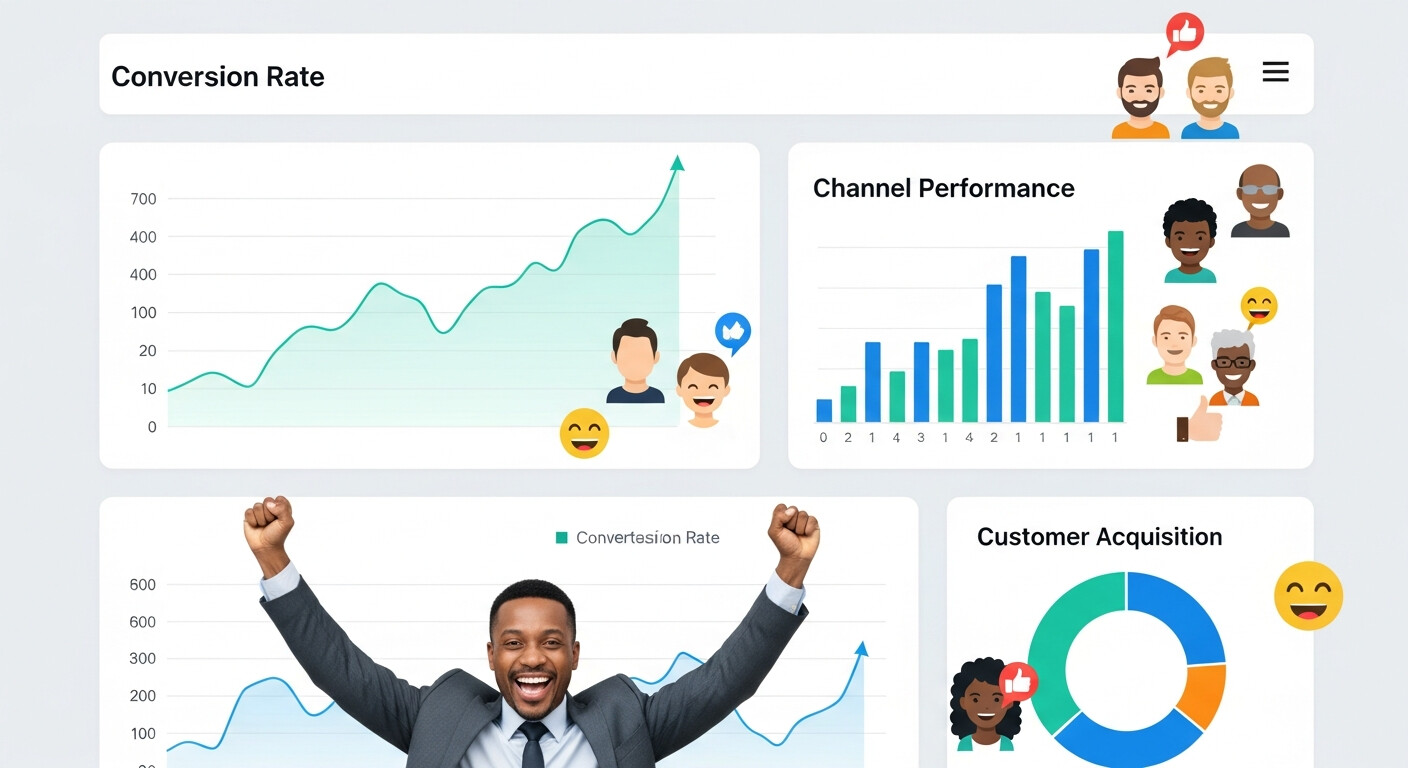
Why should companies care about CRO marketing? Here are the major benefits:
- Cost-Efficiency
It can be costly to procure new traffic. CRO enables you to drive the highest ROI from your current audience and gain without any additional cost of customer acquisition. - Better Customer Insights
Any insights that inform other areas of your business can be pulled from your CRO efforts, because it all comes down to a deep understanding of your customers’ needs and behavior. - Improved User Experience
Improved usability and functionality increase your conversion rate and also help visitors enjoy a smoother, more frustration-free experience. - Scalability
Earn more without increasing marketing expense. More conversions equal more profits—without the need to bring in more traffic.
Common CRO Strategies
Good CRO marketing is about actionable strategies. Here are five proven ones:
- Simplify Navigation
Make it easy for visitors to discover what they’re after. People get turned off by muddled or confusing websites. - Optimize Landing Pages
Keep your landing pages clear, appealing and relevant to your campaigns and you reap those rewards! - Personalization
Craft user experiences with dynamic content or product recommendations based on browsing history. - Social Proof
Show user reviews, testimonials, or use cases in order to create an element of trust and credibility. - Retargeting
Win back visitors who did not convert on their first visit with personalized retargeting ads.
Tools for CRO Marketing
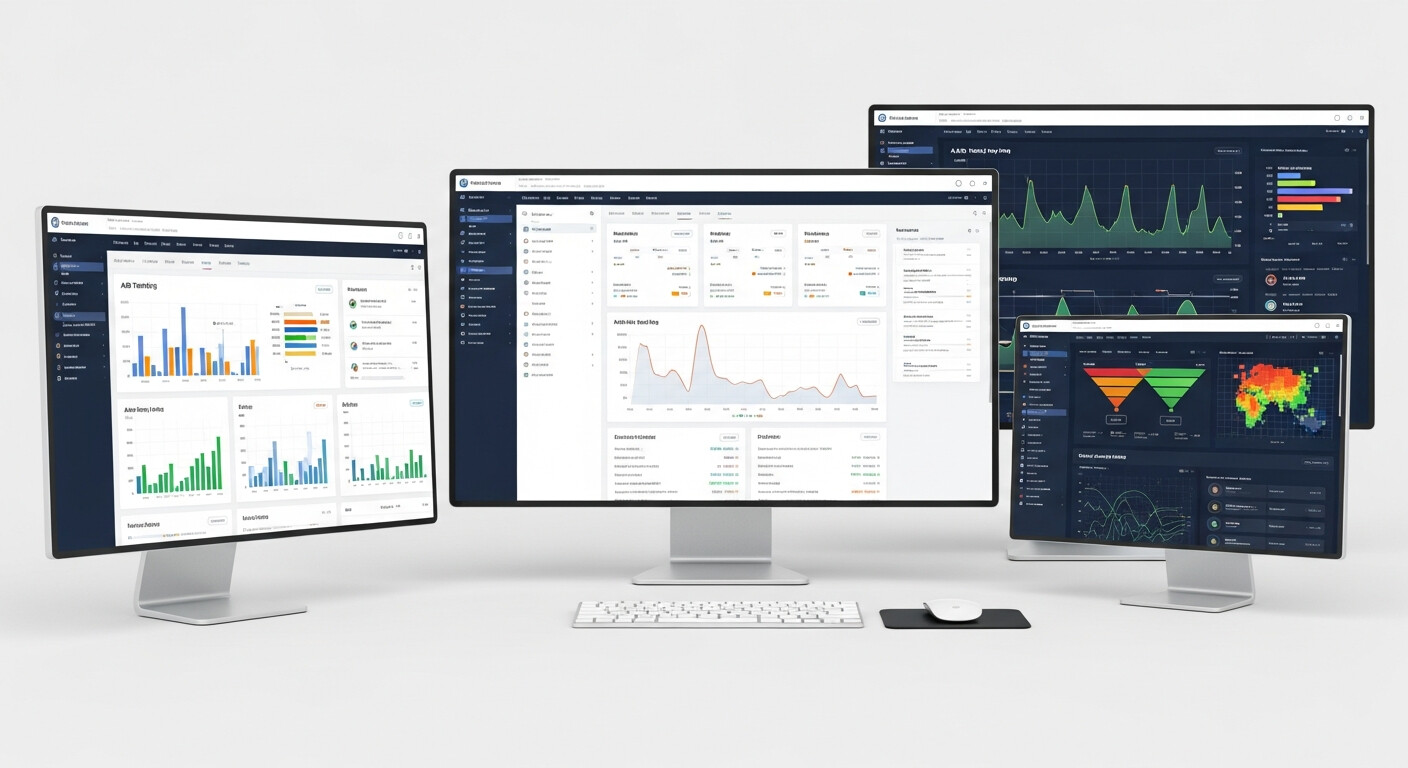
You need tools in order to be able to conduct an effective CRO strategy. Here are some of the best:
- Google Analytics (measure visitor behavior and where they drop off)
- Hotjar (see how your users experience your site with heatmaps and session recordings)
- Optimizely (A/B testing and experimentation)
- Crazy Egg (study clicks and user engagement)
- Unbounce (to optimize some landing pages for conversion)
CRO Marketing Best Practices
If you’re new to the game or want to get better, consider the following best practices:
-
Test One Thing at a Time: Don’t test too many things at once; it’s too difficult to know what is driving changes in conversion rates.
-
Be Data Driven: Make decisions based on analytics, not gut reaction.
-
High-Trafficked Pages First: Work on the pages that get the most views to get the most bang for your buck.
-
Simplify Forms: To increase the completion rate for forms, we recommend minimizing the number of form fields.
Measuring CRO Success
Monitor and measure success: It is essential for CRO marketing to track and measure success. This is how you can measure performance:
-
Conversion Rates: Measure changes in your initial conversion rate, post CRO initiatives.
-
Engagement statistics: Monitor the bounce rate, average duration of the session, and click-through rate.
-
ROI: Measure how much money CRO campaigns received when compared to the investment.
-
User Feedback: Create surveys / monitor reviews and know what’s going on in the real world.
Regular check-ups
Make sure your CRO initiatives are on track and driving serious value for your business.
CRO Marketing vs. SEO
Although both CRO and SEO share the common goal of better website performance, they approach the task with distinctly different methods.
-
CRO: Concentrates on turning visitors into customers by implementing changes to the website and user experience.
-
SEO: Focuses on bringing more traffic to your website by making it search engine-friendly, using tactics like keyword research, backlinking, and on-page optimization.
And ideally, the two will dovetail. An expert SEO optimized site combined with traffic-driving SEO and high-converting CRO is a winning solution.
CRO for Different Business Goals
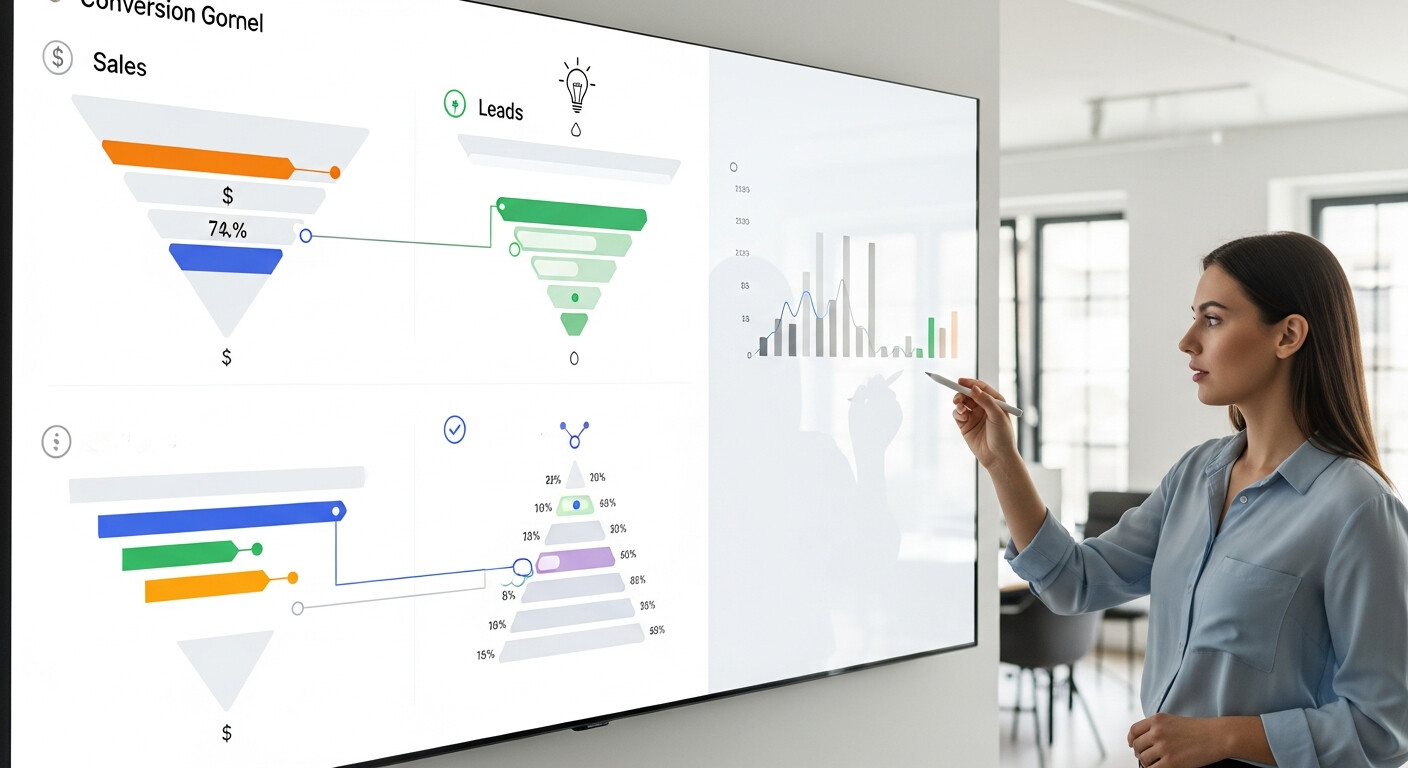
Not all conversions are created equal, and an effective CRO strategy must be customized to your specific business objectives. For eCommerce sites, the primary goal is typically to increase sales. This means CRO efforts should focus on optimizing product pages, simplifying checkout flows, reducing cart abandonment, and highlighting promotions or reviews that encourage users to complete purchases. Small changes—like clearer product descriptions, trust badges, or fewer form fields during checkout—can significantly boost conversion rates and revenue.
For B2B businesses, the focus often shifts from immediate sales to lead generation and nurturing. CRO strategies here might include optimizing forms for demo requests, whitepaper downloads, or newsletter sign-ups. Improving form design, reducing required fields, offering incentives, and aligning landing page content with user intent can help convert visitors into qualified leads, who can then be nurtured through targeted email or sales campaigns.
Even content-driven websites can leverage CRO to maximize engagement and conversions. Actions such as newsletter subscriptions, webinar registrations, eBook downloads, or video views are all valuable conversions. By tailoring website layout, messaging, and calls-to-action to encourage these actions, content sites can better capture leads and maintain user engagement.
Ultimately, the key to CRO success lies in understanding your primary conversion goals and aligning every element of your website with those goals. This ensures that optimization efforts aren’t just increasing metrics superficially but are driving real, measurable business value. When CRO is designed with your specific objectives in mind, it becomes a strategic tool that enhances both user experience and your bottom line.
Behavioral Segmentation and Targeted CRO
Modern CRO strategies have evolved far beyond generic, one-size-fits-all optimization. One of the most effective approaches is behavioral segmentation, which recognizes that not all visitors interact with your website in the same way. Treating every visitor identically can limit your conversion potential, as each user arrives with different intentions, needs, and levels of familiarity with your brand. By analyzing visitor behavior and segmenting audiences accordingly, businesses can deliver more personalized, relevant experiences that guide users toward conversion.
Behavioral segmentation involves dividing your audience into categories based on their actions, such as first-time visitors, returning users, high-intent buyers, cart abandoners, or users who engage heavily with specific content. Once these segments are defined, you can tailor your website content, messaging, and offers to each group. For example, returning visitors might be shown product recommendations based on their browsing or purchase history, while first-time users could see educational content, guides, or introductory offers to help them better understand your brand.
This approach also extends to behavioral triggers, such as time spent on a page, scrolling patterns, or interaction with forms and buttons. By monitoring these behaviors, you can create dynamic experiences that respond to individual user intent—for instance, offering a pop-up discount to a user lingering on a checkout page or guiding a visitor to related resources if they abandon a product page.
Implementing behavioral segmentation in your CRO strategy makes your optimization efforts more precise and measurable, as each change targets a clearly defined audience with specific goals. Not only does this increase the likelihood of conversions, but it also enhances user satisfaction, loyalty, and long-term engagement. In today’s competitive digital landscape, understanding and leveraging visitor behavior is no longer optional—it’s a key differentiator for businesses looking to maximize the ROI of their online traffic.
Get on the Road to Business Expansion with CRO Marketing
In today’s increasingly competitive digital landscape, businesses can no longer afford to ignore the power of Conversion Rate Optimization (CRO). Every visitor is a potential customer. Implementing CRO allows you to maximize the value of existing traffic, improve user experience, and boost conversions efficiently. For more advanced tactics, check Top Advanced CRO Strategies to Maximize Conversion. CRO marketing allows you to maximize the value of the traffic you already have by identifying friction points, improving user experience, and guiding visitors toward completing your desired actions—whether that’s making a purchase, signing up for a newsletter, or requesting a demo.
By systematically optimizing your website or app, CRO not only increases conversions but also enhances the efficiency of your overall marketing efforts. Each improvement you make amplifies the return on investment (ROI) of your existing lead generation channels, making every ad dollar, social media post, or email campaign more impactful. Beyond immediate results, a well-executed CRO strategy helps build a more intuitive, user-friendly online presence, strengthens customer trust, and positions your business ahead of competitors who rely solely on driving traffic without optimizing conversions.
Ready to implement CRO for your business?
Start by identifying your baseline conversion rate, then experiment with A/B testing, personalization, and from-the-gut site design.
While optimizing your conversion rates is crucial, it’s equally important to have a comprehensive approach to promoting your business effectively. For practical tips and strategies on increasing your overall brand visibility and customer engagement, don’t miss our guide on How to Promote Your Business Effectively.
Frequently Asked Questions (FAQ)
How long does it take to see results from CRO efforts?
CRO is an ongoing process. While small changes can show results within days, larger strategies like redesigning landing pages or implementing personalization may take weeks to months. Continuous testing and optimization ensure lasting improvements.
Do I need technical expertise for CRO?
Not necessarily. Tools like Google Analytics, Hotjar, and Optimizely make it easier to gather insights and run tests. However, understanding UX principles, psychology, and analytics is essential for meaningful optimization.
Can CRO replace other marketing strategies like SEO or paid ads?
No, CRO complements them. While SEO and paid ads drive traffic, CRO ensures that the visitors you already have convert efficiently. Together, they maximize both reach and effectiveness.
How often should I review my CRO strategy?
Regularly—at least quarterly. Frequent review allows you to adapt to changing user behavior, technology, and market trends.
Is CRO only relevant for eCommerce sites?
No. CRO is relevant for any business with a website or app, whether your goal is lead generation, subscriptions, downloads, or sales.
How do I know which pages to optimize first?
Focus on pages with the highest traffic or those critical to the conversion funnel, such as product pages, landing pages, and checkout pages. Improvements here have the greatest impact on overall conversion rates.