
Understanding Conversion Rate Optimization

So before delving into technique specifics why do not we first briefly understand just what CRO is?Conversion Rate Optimization which is the method of increasing the percentage of website visitors that take a desired action.These activities might vary from providing your email address, downloading an eBook or purchasing something. And documentation of success can go deep here : for example If you’ve succeeded is show them an ebook on how exactly to save money at home by putting insulation into walls properly then allow them access to that tutorial and some pictures too for good value.
To bettersimplify.CRO allows you increase effectiveness with your present traffic (instead of increasing adspends for better results).
In a rapid example your site gets 10,000 visitors a month and thecurrent conversion rate is 2%. However, after doubling that conversion rate to 4% same 10,000 visitors produce twice as many conversions as before.
Now that we’ve established its importance let’s examine the top strategies for boosting CRO.
Prioritize User Experience
Speed up your load time
Page speed is a make-or-break factor in CRO. Studies show that pages that take longer than three seconds to load see 53% of mobile users drop off. Optimize your load speed by:
- Compressing images
- Minimizing HTTP requests
- Utilizing browser caching
- Using content delivery networks (CDNs)
Optimizing for speed can also be reinforced with automated tools. Learn more in our guide on why automation in data entry is the future of business.
Mobile-first design is key
With more than half of global web traffic coming from mobile devices, optimizing for mobile is no longer optional — it is essential. A poor mobile experience can quickly frustrate users and drive them away before they ever take action. Small screens require thoughtful design, clear readability, and seamless usability to keep visitors engaged.
Ensure your website is fully responsive, with easy-to-read text, comfortably tappable buttons, and simple navigation. For insights, see Why Mobile CRO is Essential for E-commerce Success.
To deliver a strong mobile experience, ensure your website is fully responsive and adapts smoothly to different screen sizes. Text should be easy to read without zooming, buttons should be large enough to tap comfortably, and navigation should remain simple and intuitive. Avoid clutter, reduce unnecessary elements, and prioritize speed and clarity. When visitors can easily browse, read, and interact with your site on mobile, they are far more likely to stay longer and convert.
Create intuitive navigation
Navigation plays a crucial role in guiding visitors toward conversion. When users land on your website, they should immediately understand where to go and how to find what they need without confusion. Complicated menus, hidden pages, or unclear labels can frustrate visitors and cause them to leave before completing any meaningful action.
An effective navigation structure is clean, logical, and user-focused. Use clear menu labels, well-organized categories, and visible call-to-action buttons that naturally guide visitors through your site. Reduce the number of clicks required to reach important pages, and make sure key sections such as pricing, services, or contact information are easy to access. Simple and intuitive navigation creates a smoother user journey, builds confidence, and increases the likelihood of conversions.
A/B Testing
A/B testing is one of the most powerful techniques in conversion rate optimization because it replaces guesswork with real data. Instead of assuming what works best, A/B testing allows you to compare two versions of a webpage element to see which one performs better based on actual user behavior. Even small changes can lead to significant improvements in conversion rates.
You can test many different elements, including headlines, images, call-to-action buttons, page layouts, or form designs. For example, changing the wording of a headline or adjusting the placement of a CTA button can influence how users respond. The key to successful testing is to focus on one variable at a time so you can clearly identify what caused the improvement. Over time, continuous testing helps refine your website, improve user experience, and steadily increase conversions through data-driven decisions.
What should you test?
- Headlines: Test different phrasing or tones to engage users.
- Call-to-Action Buttons: Experiment with placement, color, and text (e.g., “Get Started” vs. “Sign Up Now”).
- Landing Pages: Compare long-form vs. short-form content.
The key is to test one element at a time to determine its exact impact.
Use Social Proof

People naturally trust the opinions and experiences of others, especially when making decisions online. This is why social proof plays such a powerful role in influencing user behavior and increasing conversions. When visitors see that real people have benefited from your product or service, it reduces doubt, builds confidence, and makes them more comfortable taking action. Simply put, users feel safer choosing a solution that others already trust.
Integrating social proof throughout your website strengthens credibility at every stage of the user journey. Customer testimonials, reviews, ratings, and success stories show authentic experiences and demonstrate real value. Trust signals such as certifications, partnerships, user counts, or phrases like “trusted by thousands” can instantly reassure visitors. Case studies and before-and-after results are especially effective because they provide clear, relatable proof of success.
To maximize impact, place social proof near key decision points such as landing pages, pricing sections, and call-to-action areas. When visitors repeatedly see evidence of trust and satisfaction, hesitation decreases and confidence grows — making them far more likely to convert.
Types of social proof to leverage
- Reviews and Testimonials: Prominently display customer opinion about your product or service.
- Trust Badges: Use certifications or security badges to reassure customers.
- Case Studies and Success Stories: Share real customer stories to highlight your product’s results.
For example, adding the phrase “4.9/5 stars from 2,000+ happy customers” can establish instant credibility.
Simplify Forms
Complex and lengthy forms can lead to friction. The simpler your forms, the better your chances of converting leads.
Strategies for better forms
- Reduce the number of fields to only what’s necessary.
- Use autofill options to save users time.
- Offer a progress bar for multi-step forms to reduce abandonment rates.
Leverage Personalization
Today’s users expect personalized experiences. With the right CRO tools and data, you can tailor your website to individual preferences.
Tailor your website to individual user preferences with dynamic content and behavior triggers like exit-intent popups. Personalized experiences build stronger connections and encourage visitors to stay longer.
Learn more in Hyper-Personalization & AI in CRO.
How can you personalize effectively?
- Dynamic Content: Modify headlines and offers based on user location or browsing behavior.
- Behavior Triggers: Use exit-intent popups to provide special offers before users leave your site.
Personalization builds stronger connections and encourages visitors to stay on-site longer.
Optimize Your CTAs
Your Call-to-Action (CTA) buttons are arguably your site’s most essential element when it comes to conversions. They tell visitors what action to take, so their visibility and effectiveness are paramount.
Tips to create impactful CTAs
- Be action-oriented: Use words like “Discover,” “Try,” “Get,” or “Join.”
- Make them stand out: Contrasting colors and prominent placement are non-negotiables.
- Add urgency: Create FOMO by including phrases like “Limited Offer” or “Ends Today.”
Retargeting and Remarketing
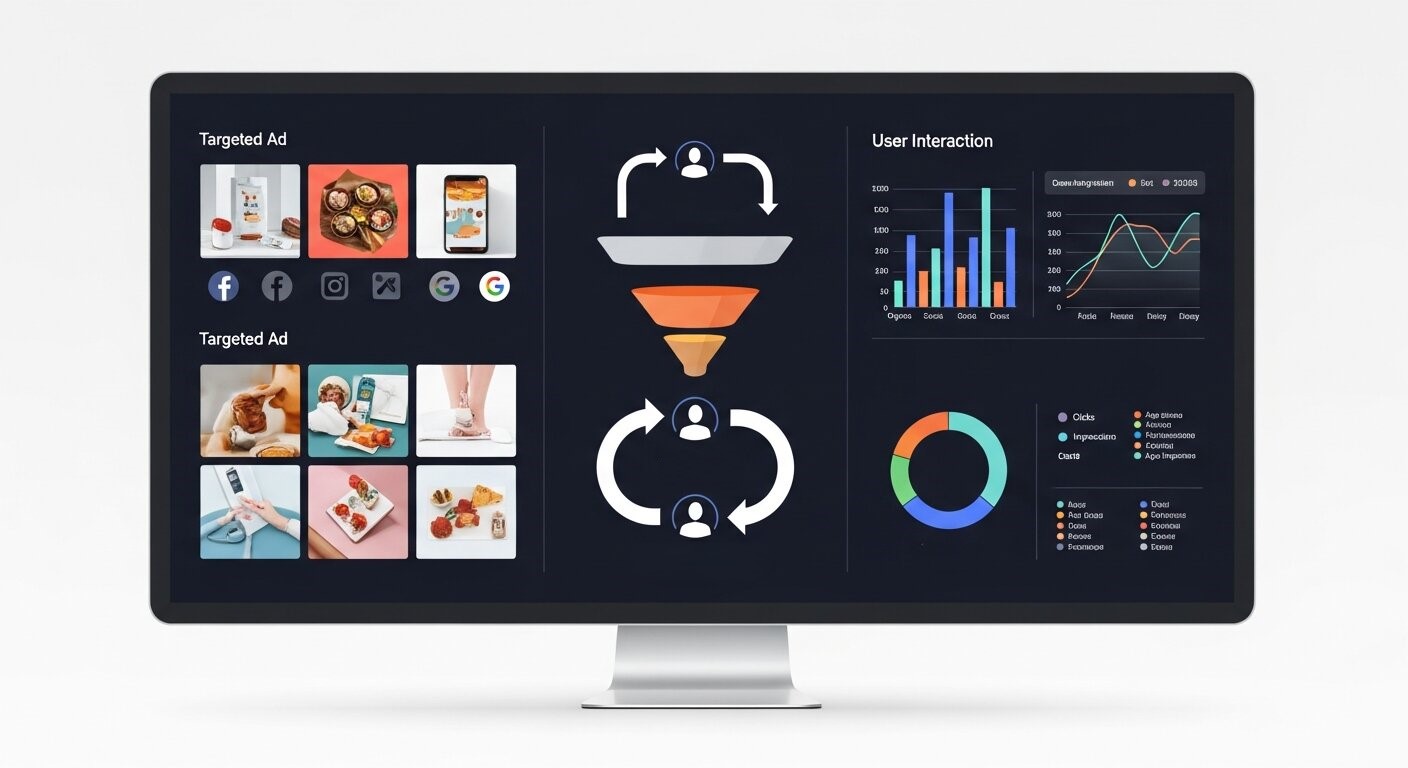
Not every visitor converts during their first interaction with your website, and that is completely normal. Many users need time to research, compare options, or build trust before making a decision. This is where retargeting and remarketing become powerful strategies. By reconnecting with visitors who already showed interest, you keep your brand top-of-mind and increase the chances of turning them into customers. Businesses that consistently re-engage their audience are far more likely to Improve Your Conversion Rate Optimization over time.
Bring back lost visitors with retargeting
Retargeting allows you to reconnect with users who previously visited your site but left without converting. These targeted ads remind visitors about your product, highlight benefits, or offer incentives such as discounts or limited-time offers. Because these users are already familiar with your brand, retargeting campaigns often achieve higher conversion rates compared to cold advertising. Platforms like Google Ads and Facebook Retargeting make it easy to deliver personalized messages based on user behavior. Strategic retargeting helps recover lost opportunities and steadily Improve Your Conversion Rate Optimization.
Engage repeat visitors
Remarketing also works effectively through email campaigns. Visitors who signed up, downloaded a resource, or showed interest can be nurtured through targeted email sequences. Drip campaigns, product reminders, and personalized content guide users back into your conversion funnel and encourage them to take the next step. Consistent follow-ups build trust, reinforce value, and increase the likelihood of conversion. When used correctly, email remarketing becomes a powerful tool to Improve Your Conversion Rate Optimization while building long-term customer relationships.
Analyze Heatmaps
Understanding how users interact with your website is essential for improving performance. Heatmaps provide visual data showing where visitors click, how far they scroll, and which areas attract the most attention. This insight helps identify hidden issues such as ignored call-to-action buttons, confusing layouts, or content that users skip entirely. Businesses that rely on real user behavior instead of assumptions can make smarter optimization decisions and consistently Improve Your Conversion Rate Optimization.
Heatmap tools like Hotjar and Crazy Egg allow you to refine page layout, reposition important elements, and improve user flow. By analyzing patterns and testing adjustments, you can remove friction, enhance usability, and create a smoother experience that encourages conversions.
Focus on Content Clarity
Clear and easy-to-understand content is a major factor in conversion success. When visitors feel confused, overwhelmed, or unsure about your message, they are more likely to leave without taking action. Strong content should communicate value quickly, highlight benefits clearly, and guide users naturally toward the next step. Improving clarity is one of the simplest yet most effective ways to Improve Your Conversion Rate Optimization.
Use concise headlines, readable fonts, and structured formatting to make content easy to scan. Break information into short paragraphs, emphasize key benefits, and avoid unnecessary jargon. Focus on how your product or service solves real problems rather than listing generic features. When users instantly understand your value and feel confident in your message, they are far more likely to stay engaged and convert.
Examples of clear content
- “Save time and money by automating your workflow” beats “Our software offers a variety of features that may improve productivity.”
- Break information into small paragraphs and use bullet points to improve readability.
Build Trust with Transparency
Today’s consumers are savvy and skeptical, so transparency matters more than even before.
Build trust through
- Clear Pricing: Hidden fees are a sure way to lose customers. Be honest and upfront.
- Privacy Policies: Make sure your site visibly states how user data is being used.
- Customer Support Access: Offer live chats, fast response emails, and support phone numbers.
Successful CRO is an Ongoing Process
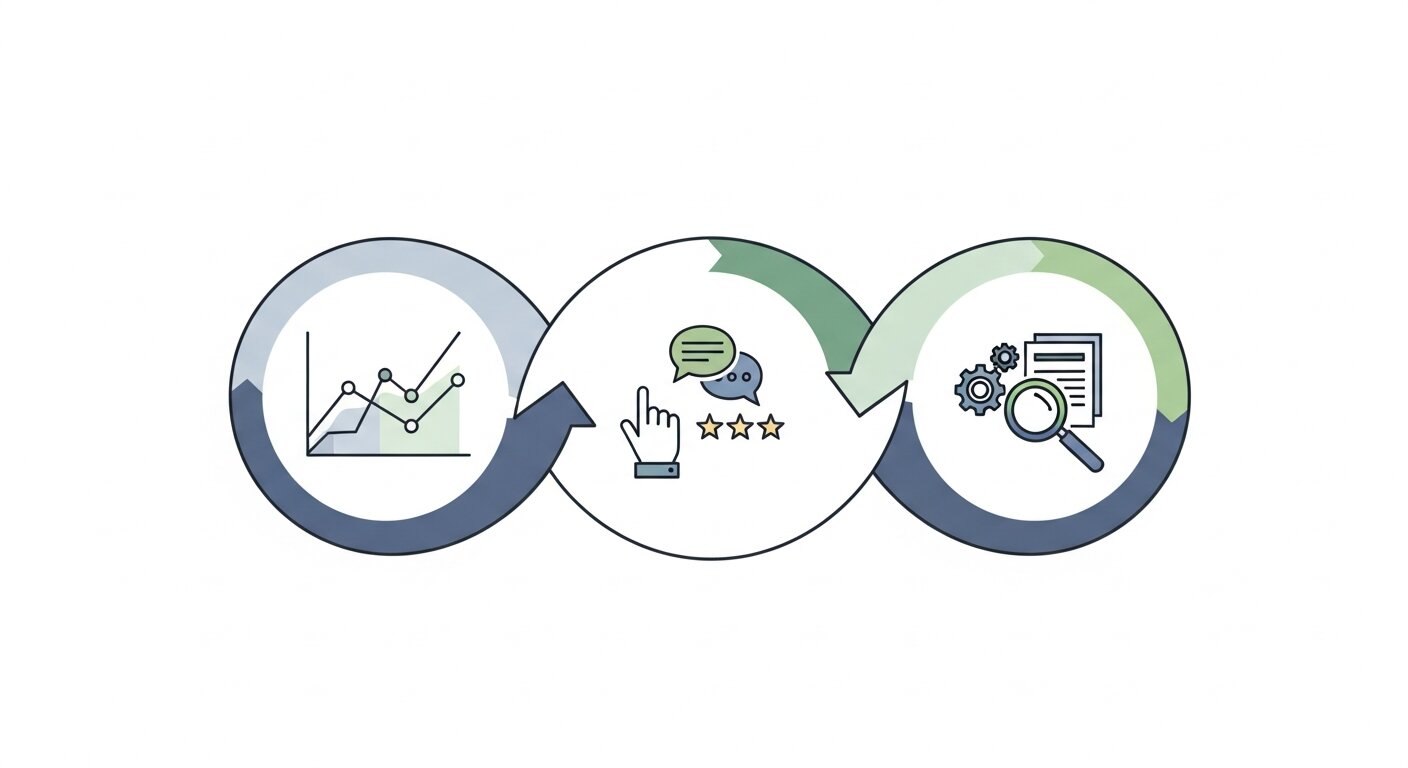
Conversion Rate Optimization is not a one-time improvement but a continuous cycle of testing, learning, and refining. User behavior, technology, and market expectations constantly evolve, which means strategies that work today may become less effective tomorrow. To truly Improve Your Conversion Rate Optimization, businesses must regularly analyze performance, monitor user behavior, and adapt their approach based on real data rather than assumptions. Ongoing A/B testing, usability improvements, and data-driven decisions help uncover new opportunities and eliminate hidden friction that may be limiting conversions.
Consistency is the key to long-term success. Even small, incremental improvements can produce significant results over time when applied strategically. By continuously optimizing user experience, refining messaging, and improving conversion paths, your website becomes more effective at guiding visitors toward meaningful actions. Businesses that treat CRO as an ongoing process not only surpass average performance metrics but also build stronger relationships, increase customer trust, and transform casual visitors into loyal, long-term customers.
Take Action to Streamline Conversions
Now that you know how to increase the conversion rate, it’s time to put those strategies in practice. Find the easiest improvements to make on your website, start with small risk A/B tests, and prioritize changes that will have a big impact—check out marketing and conversion guide for more insights. As you gather data, prioritize the adjustments that deliver the strongest results and gradually expand your optimization efforts across key pages and conversion paths.
To truly Improve Your Conversion Rate Optimization, consistency and focus are essential. Review user behavior regularly, monitor analytics, and continue refining your messaging and user experience. Small, strategic improvements made over time often outperform large, one-time changes. You can also explore deeper insights and proven techniques in a detailed marketing and conversion guide to further strengthen your strategy.
Remember, CRO is not just about attracting more visitors — it is about making every visit meaningful. When your website is optimized to guide, engage, and convert, each interaction becomes an opportunity to generate real value and long-term growth.
Frequently Asked Questions (FAQ)
What is the fastest way to Improve Your Conversion Rate Optimization?
The fastest way to Improve Your Conversion Rate Optimization is by identifying friction points in your funnel. Improve page speed, simplify forms, strengthen CTAs, and ensure your landing pages clearly communicate value. Small changes in these areas often produce quick and measurable improvements.
Why is CRO important for business growth?
CRO helps businesses generate more results from existing traffic instead of spending more on advertising. When you Improve Your Conversion Rate Optimization, you increase revenue, reduce acquisition costs, and make marketing efforts more efficient.
How long does it take to see CRO results?
The timeline varies depending on traffic volume and testing strategy. Some improvements show results within days, while deeper optimization may take weeks. Continuous testing and refinement are key to consistently Improve Your Conversion Rate Optimization over time.
What tools help Improve Your Conversion Rate Optimization?
Tools like analytics platforms, heatmaps, A/B testing software, and user behavior tracking tools help identify problems and opportunities. Using the right tools allows you to make data-driven decisions and effectively Improve Your Conversion Rate Optimization.
Is CRO better than increasing traffic?
Both are important, but CRO focuses on maximizing the value of your existing visitors. Instead of only attracting more users, businesses that Improve Your Conversion Rate Optimization ensure that more visitors take meaningful action, leading to better ROI.