


What Is Conversion Rate Optimization?
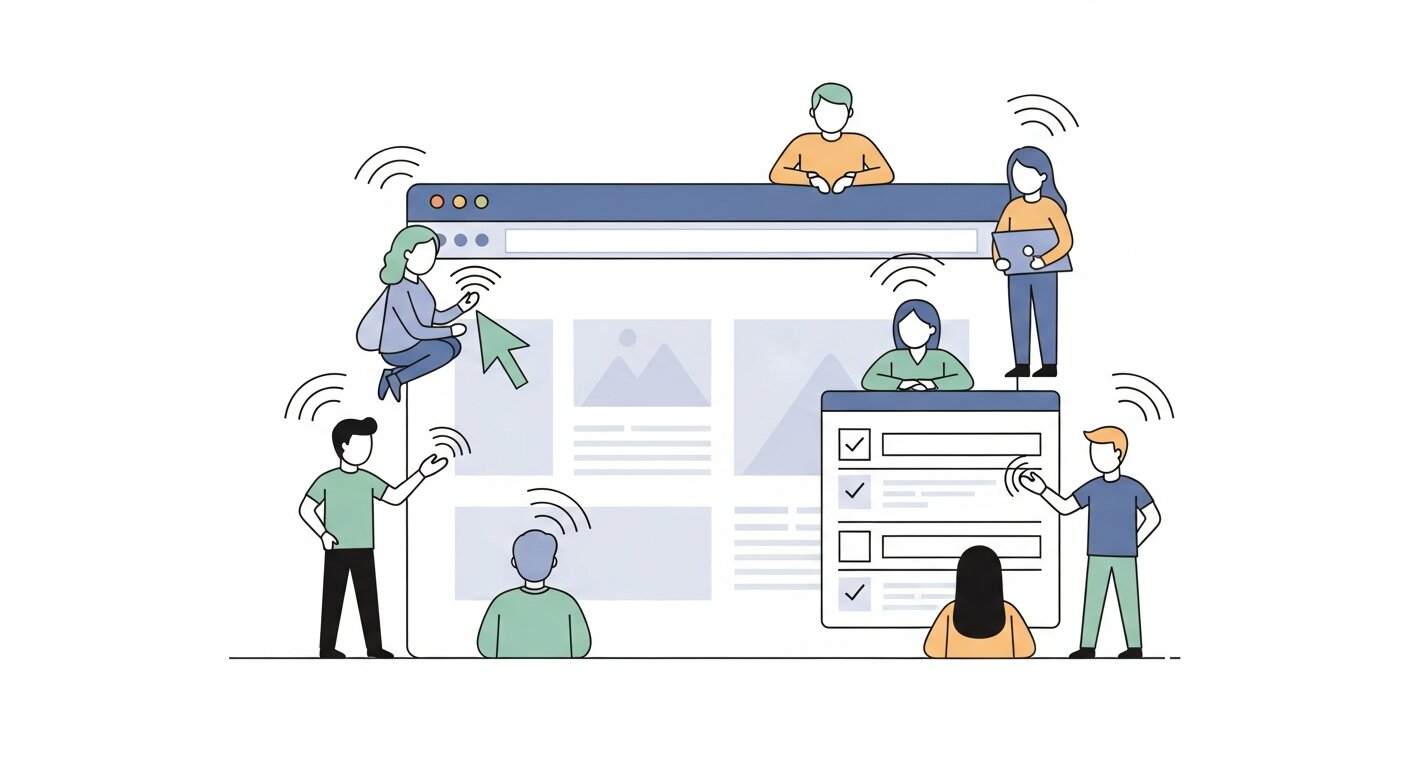
Mathematically, the conversion rate is calculated as follows:
Conversion Rate = (Conversions / Total Visitors) x 100
For example, if 1,000 visitors land on your website and 50 of them make a purchase, your conversion rate is 5%.
CRO focuses on improving this percentage, ensuring every visitor action aligns with your business goals.
Why CRO Is a Game Changer for Your Business
Maximizes ROI
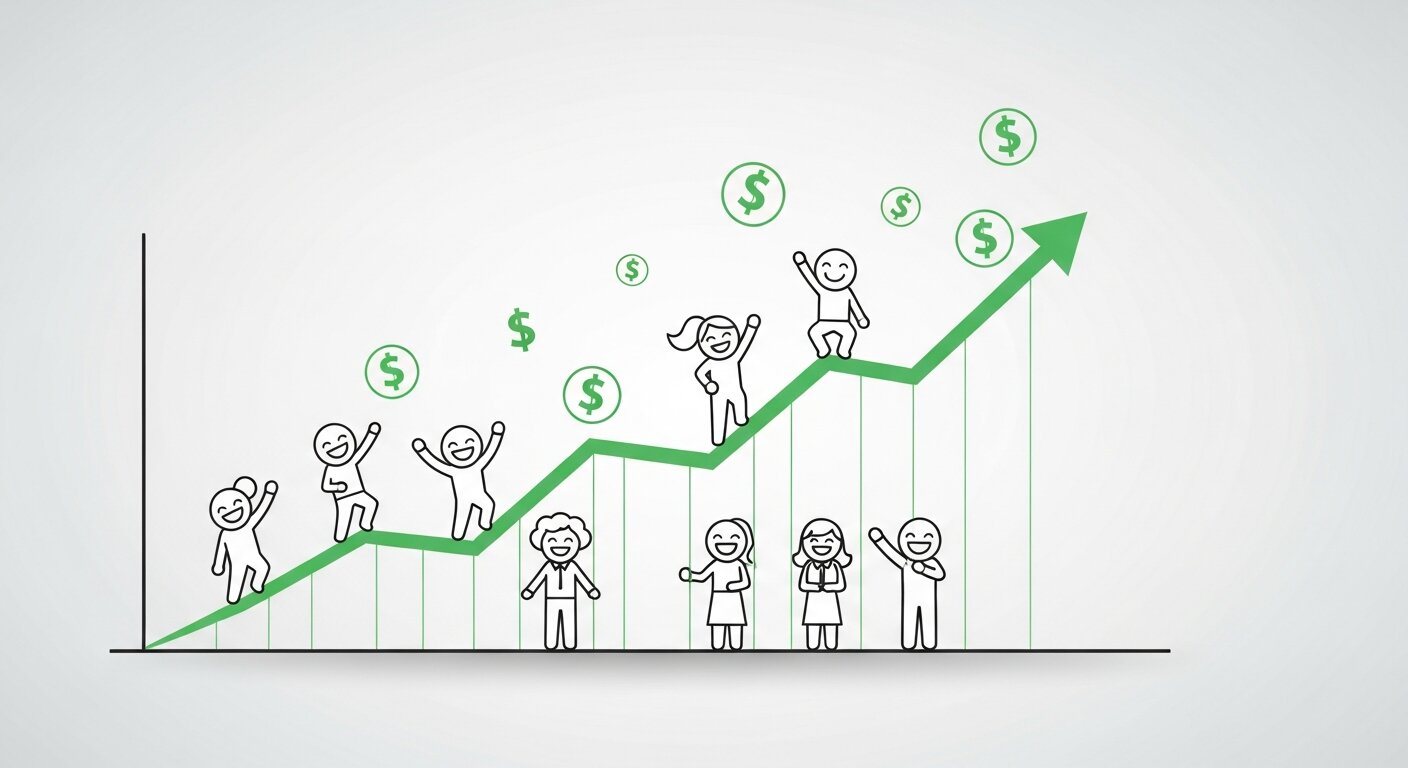
One of the biggest advantages of Conversion Rate Optimization is its ability to increase returns without increasing traffic costs. Instead of spending more money on ads, SEO, or marketing campaigns, CRO focuses on converting the visitors you already have. When businesses understand what are CRO strategies, they realize that even small improvements in conversion rate can lead to significant revenue growth. Explore our top CRO strategies to boost conversion rates for practical examples.
Enhances User Experience
CRO is not just about conversions—it’s about creating a seamless and enjoyable experience for your visitors. When your website becomes faster, clearer, and easier to navigate, users naturally engage more and take action. A well-optimized website removes confusion, reduces friction, and guides users toward their goals effortlessly. This is why understanding what are CRO strategies often begins with improving usability, clarity, and customer satisfaction. When visitors have a positive experience, they are far more likely to trust your brand and convert.
Boosts Competitive Advantage
In today’s competitive digital landscape, simply attracting traffic is not enough. Businesses that actively optimize their websites for conversions gain a clear edge over competitors who rely only on traffic generation. CRO allows you to extract maximum value from every visitor, ensuring no opportunity is wasted. Brands that fully understand what are CRO strategies consistently outperform competitors by improving engagement, increasing conversions, and delivering a more effective digital experience.
Provides Actionable Data
Another powerful benefit of CRO is the valuable insights it provides about your audience. Through analytics, testing, and user behavior tracking, you can discover what motivates visitors, where they drop off, and what prevents them from converting. These insights help you make smarter, data-driven decisions rather than relying on guesswork. When businesses explore what are CRO strategies, they uncover patterns in customer behavior that can improve not only conversions but also marketing, messaging, and product positioning.
Now that you understand why CRO plays such a critical role in business growth, the next step is to explore the key strategies that can significantly improve your website’s performance and conversion potential.
Proven CRO Strategies To Boost Your Website’s Conversions
Understand Your Audience and Their Journey
Steps to Understand Your Audience:
- Leverage Analytics Tools:
Tools like Google Analytics or Hotjar give valuable insights into user behavior, such as bounce rates and heatmaps.
- Customer Personas:
Develop detailed profiles of your target audience, including their pain points, motivations, and goals.
- Surveys and Feedback:
Use on-site surveys or post-purchase emails to collect input directly from users about their experience.
Conduct A/B Testing
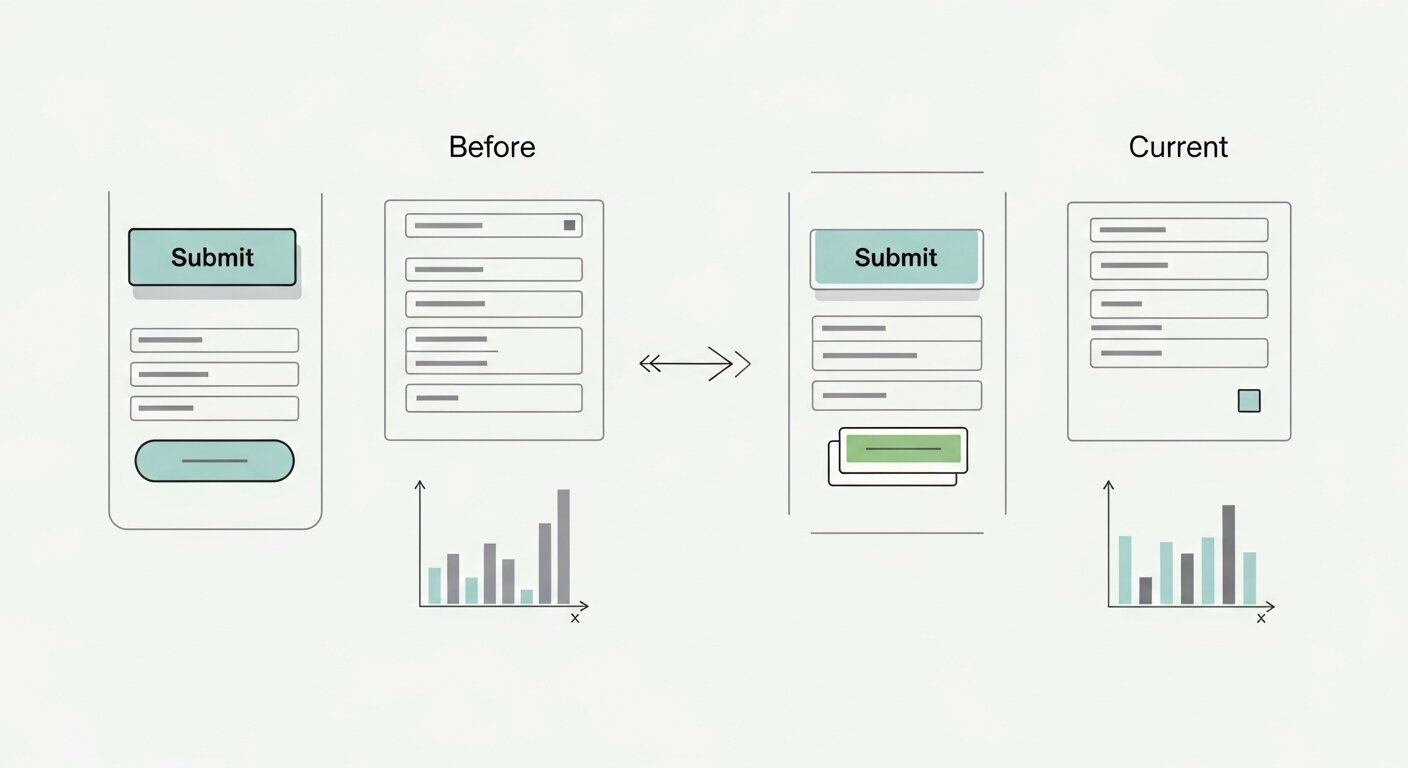
One of the most effective and data-driven techniques in CRO is A/B testing, also known as split testing. This method involves creating two variations of a webpage, element, or feature and showing them to different segments of your audience to determine which version performs better. Instead of relying on assumptions, A/B testing allows you to make informed decisions based on real user behavior and measurable results.
You can test various elements such as headlines, call-to-action buttons, images, layouts, form lengths, or even page structure. Small changes—like adjusting wording, color, or placement—can significantly impact how users interact with your site. Over time, continuous testing helps you identify what resonates most with your audience, reduce friction in the user journey, and steadily improve your overall conversion rate through proven, data-backed optimization.
What to A/B Test:
- Headlines or hero text
- Call-to-action (CTA) button colors or placement
- Product images versus lifestyle images
- Form lengths
For instance, imagine you’re testing a headline on your landing page. One version says “Get Your Dream Body Today,” while another says “Start Your Fitness Journey.” Testing these variations can show which resonates better with your audience.
Optimize for Mobile Devices
With more than half of all website traffic coming from mobile devices, ensuring your site is optimized for mobile users is essential. They expect fast-loading pages, intuitive navigation, and quick access to key information—explore augmented reality in mobile marketing guide to boost engagement.
Mobile CRO Tips:
- Ensure pages load in 3 seconds or less.
- Use thumb-friendly navigation.
- Avoid pop-ups that are difficult to close on smaller screens.
Create Clear and Compelling CTAs
A clear and compelling call-to-action (CTA) is one of the most important elements of a high-converting website. Your visitors should immediately understand what action you want them to take, whether it’s making a purchase, signing up for a newsletter, downloading a resource, or requesting a demo. A strong CTA removes uncertainty and guides users toward conversion with confidence.
When designing CTAs, it’s important to focus on both messaging and visual impact. Use action-oriented language that communicates value, such as “Get Your Free Guide” or “Start Your Trial Today.” Make the button visually distinct by using contrasting colors and placing it strategically on the page—ideally above the fold and at key decision points. Testing different sizes, wording, and placements through A/B testing can also reveal what resonates most with your audience. Understanding what are CRO strategies often highlights the importance of CTAs, as even small improvements can dramatically increase conversions and overall website performance.
Tips for Effective CTAs:
- Use action-driven language (e.g., “Shop Now,” “Download Free Guide”).
- Make your CTA buttons stand out with contrasting colors.
- Place CTAs strategically above the fold and at key decision points.
Leverage Social Proof
Social proof is a powerful psychological principle that can significantly boost conversions. People naturally look to the experiences of others when making decisions, especially online, where trust is harder to establish. By showcasing endorsements, reviews, and positive feedback, you signal credibility and reliability to your visitors, reducing hesitation and increasing confidence in your offerings.
There are many ways to integrate social proof into your website. Customer testimonials, star ratings, case studies, and user-generated content all demonstrate real experiences and results. Trust badges, certifications, and the display of well-known clients or partnerships further strengthen credibility. Even showing metrics like “Over 50,000 happy customers” or “Join thousands of subscribers” can reassure visitors that your product or service is trusted by many. When exploring what are CRO strategies, leveraging social proof is consistently highlighted as a key approach to nudge visitors toward taking action and boosting conversion rates.
Forms of Social Proof:
- Customer reviews and testimonials
- Trust badges and certifications
- Case studies and user-generated content
- Displaying the number of users/customers
For example, showing “Trusted by 50,000 happy customers” can boost credibility significantly.
Simplify Navigation and Reduce Friction
A confusing or slow website is a surefire way to lose potential customers. Streamlining navigation and simplifying your design can guide users toward conversion without unnecessary roadblocks.
How to Reduce Friction:
- Declutter Pages:
Avoid overwhelming users with excessive text or images.
- Limit Form Fields:
Ask only for essential information to sign up or check out.
- Provide Clear Pathways:
Use breadcrumbs and intuitive menu structures.
Use Retargeting Strategies
Sometimes, visitors don’t convert on the first visit—but that doesn’t mean the opportunity is lost. Retargeting ads help bring back potential customers who have shown interest in your offerings.
Effective Retargeting Tactics:
- Use dynamic ads to showcase products a user previously browsed.
- Offer discounts or limited-time promotions to encourage return visits.
Utilize Tasting Content and Engaging Storytelling
Content marketing is an essential component of CRO. Providing free, high-value content can help you build credibility while guiding your audience through their decision-making process.
Examples:
- Blog posts that address a common problem your audience faces.
- Interactive quizzes or product recommendation tools.
- Videos highlighting your brand story or customer experiences.
Don’t Ignore Website Speed
Site speed directly affects bounce rates and, consequently, conversion rates. Studies show that even a one-second delay in load time can diminish conversions by as much as 7%.
Speed Optimization Tips:
- Compress images.
- Enable browser caching.
- Use a Content Delivery Network (CDN) for faster load times globally.
Continuously Monitor and Adjust
CRO is not a “set it and forget it” process. You need to continuously monitor your metrics, test new ideas, and adapt to your audience’s changing preferences. CRO is an ongoing process. Track key metrics and adapt using conversion rate analysis techniques.
Key Metrics to Watch:
- Conversion rates
- Average session duration
- Exit rates
- User flow through your site’s most important pages
Take Action to Achieve Your CRO Goals
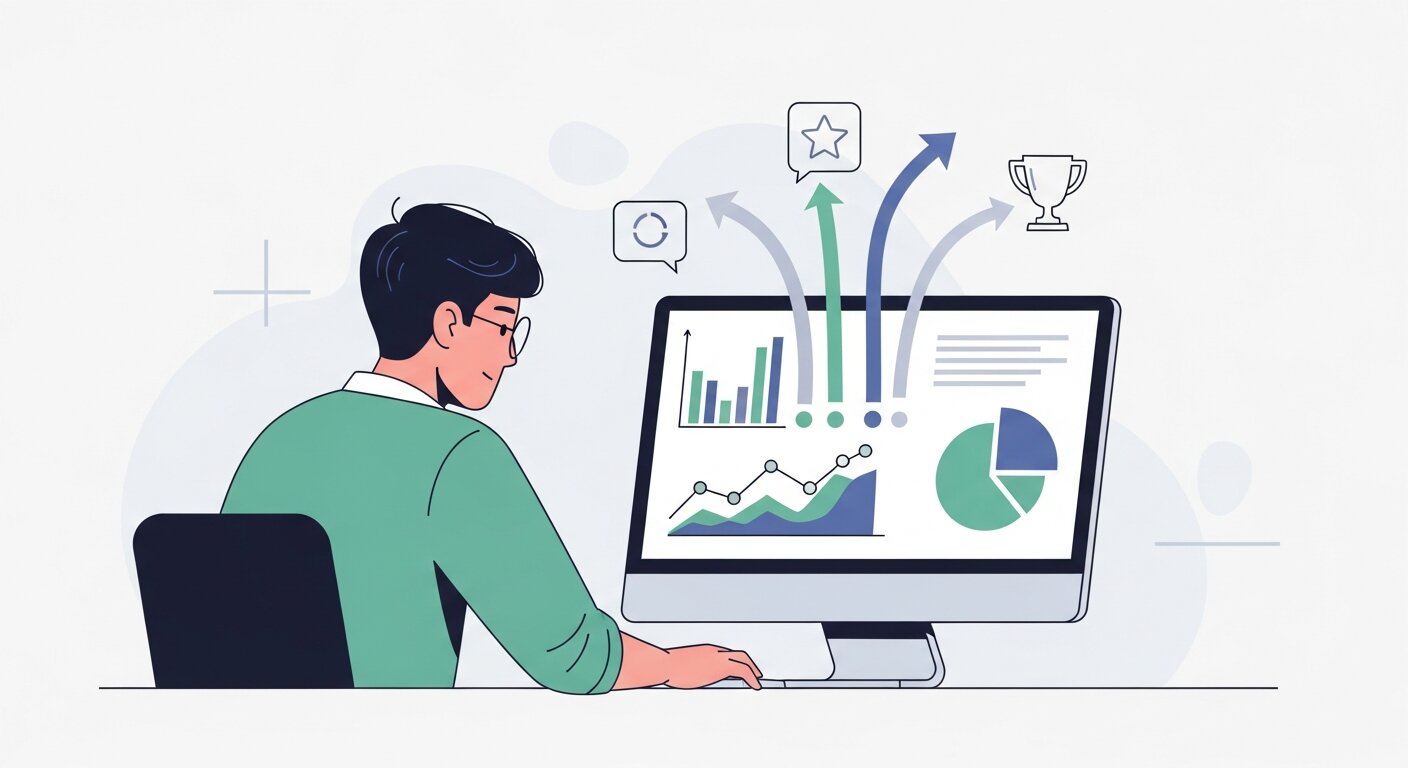
Conversion Rate Optimization is not just something you do; it’s how you think. By putting visitors first, listening to data, and utilizing the strategies described above, you can expect significant makeovers in both website performance and business profitability.
If you’re ready to dive into CRO but aren’t sure where to begin, explore our expert resources to see how you can optimize conversions. Even a single small change could make your website run more efficiently and significantly increase earnings—learn more in how to master CRO marketing.
Frequently Asked Questions (FAQ)
What Are CRO Strategies and why are they important?
CRO strategies are methods used to improve the percentage of website visitors who complete desired actions such as purchasing, signing up, or downloading. Understanding what are CRO strategies is important because they help businesses maximize existing traffic, improve ROI, and enhance user experience without increasing marketing costs.
What Are CRO Strategies based on?
CRO strategies are primarily based on data, user behavior, psychology, and continuous testing. Heatmaps, analytics, A/B testing, and customer feedback all contribute to shaping effective CRO improvements that drive conversions.
How long does it take for CRO strategies to show results?
The impact of CRO strategies depends on traffic volume, testing frequency, and optimization quality. Some changes may show improvements within weeks, while larger data-driven optimizations may take a few months to produce consistent results.
What Are CRO Strategies for small businesses?
For small businesses, CRO strategies often focus on improving website speed, simplifying forms, creating clear CTAs, building trust through testimonials, and optimizing mobile experience. These foundational improvements can significantly boost conversions even with limited traffic.
Do CRO strategies only apply to eCommerce websites?
No, CRO strategies apply to all types of websites, including SaaS, service-based businesses, blogs, and lead-generation platforms. Any website that wants visitors to take action can benefit from conversion optimization.
What tools help implement CRO strategies?
Common tools used in CRO include Google Analytics, Hotjar, Optimizely, VWO, and heatmap software. These tools help track user behavior, run experiments, and identify areas for improvement.