

Customer insights help businesses understand what customers need, expect, prefer, and value when interacting with a brand. By collecting and analyzing customer behavior, feedback, preferences, purchasing patterns, and engagement data, companies can make more informed marketing decisions. Instead of relying on assumptions, businesses can use customer insights to identify opportunities, improve campaigns, personalize experiences, and increase customer satisfaction.
What Are Customer Insights?
Customer insights are meaningful conclusions businesses gain by analyzing information about their customers. This information can come from website behavior, surveys, reviews, purchase history, social media interactions, customer service conversations, and marketing performance.
The goal is not simply to collect large amounts of data. Businesses need to understand what the data means and how it can influence decisions. For example, if customers repeatedly abandon a particular page, that behavior may indicate a usability problem or unclear information.
Useful customer insights connect customer behavior with business objectives. They help marketers understand why people behave in certain ways and what actions can improve their experience.
Why Customer Insights Matter in Marketing

Understand Customer Needs
Customer insights help businesses identify the problems, expectations, preferences, and motivations that influence purchasing decisions. Understanding these factors allows marketers to create messages that address real customer needs.
Improve Marketing Decisions
Without reliable information, marketing decisions can become based on assumptions. Customer insights provide evidence that helps businesses decide which audiences to target, which channels to prioritize, and which messages to improve.
Create Better Customer Experiences
Businesses can use behavioral and feedback data to identify friction points throughout the customer journey. Improving these areas can make websites, campaigns, products, and services easier and more enjoyable to use.
Sources of Customer Insights
Customer Surveys
Surveys provide direct feedback from customers about their experiences, expectations, satisfaction, and preferences. Businesses can use targeted questions to discover what customers like and what needs improvement.
Website Analytics
Website analytics show how visitors interact with pages, products, forms, and other website elements. Metrics such as traffic sources, engagement, page views, and exit behavior can reveal valuable patterns.
Customer Reviews
Reviews provide unfiltered information about customer experiences. Positive reviews can reveal strengths, while negative reviews can highlight problems that businesses should address.
Social Media Engagement
Likes, comments, shares, saves, mentions, and direct messages can reveal what topics and content formats attract customer attention. Social platforms can therefore provide useful behavioral signals.
Purchase History
Transaction data can show which products customers buy, how frequently they purchase, and what products they may purchase together. These patterns can support personalization and cross-selling strategies.
How Customer Insights Improve Audience Targeting
Identify High-Value Customers
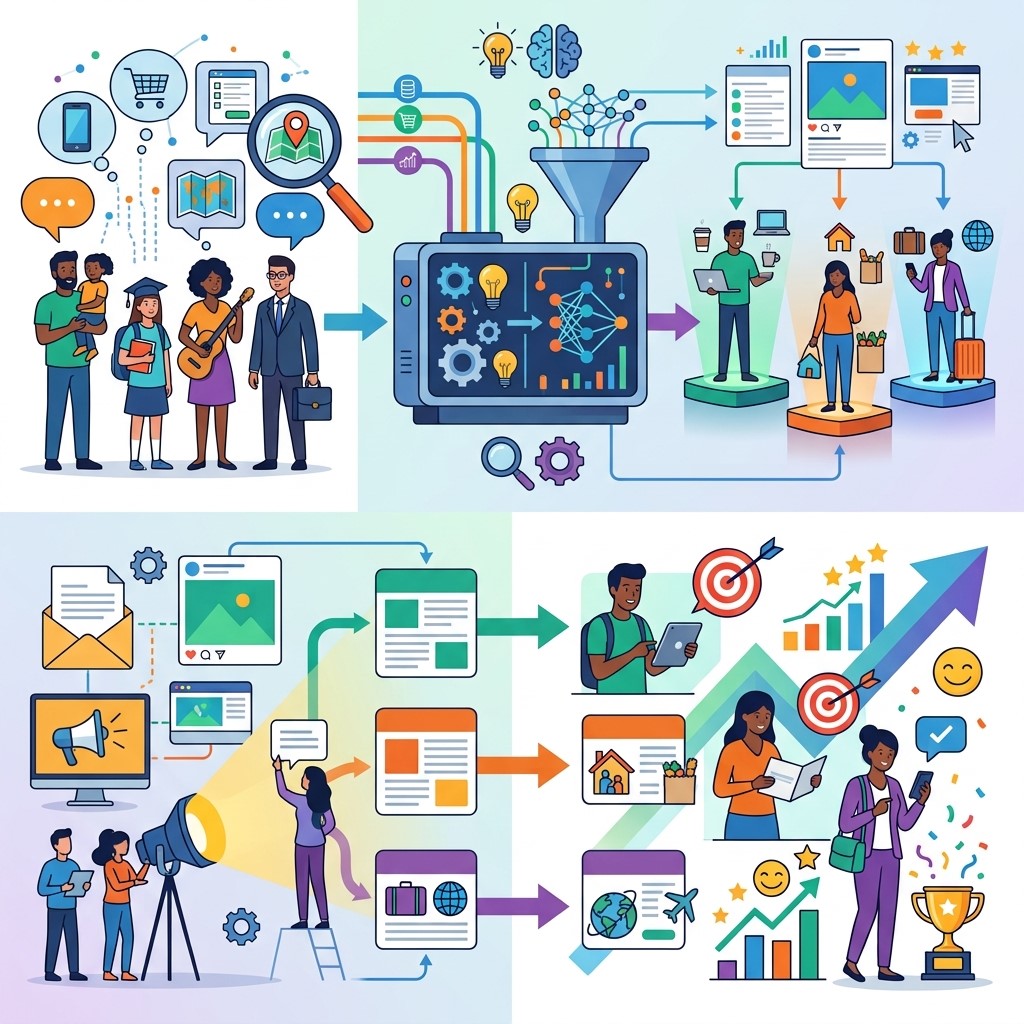
Customer insights can help businesses identify segments that generate higher revenue, purchase more frequently, or remain loyal for longer periods. Marketers can then develop strategies specifically for these valuable audiences.
Build Meaningful Segments
Audience segmentation allows businesses to group customers according to shared characteristics or behaviors. Segments may be based on demographics, interests, purchasing patterns, engagement levels, or customer lifecycle stages.
Create Personalized Campaigns
Personalization becomes more effective when businesses understand individual customer needs. Insights can help marketers recommend relevant products, deliver targeted messages, and create content for specific audience groups.
The Role of Conversion Tracking
Measure Customer Actions
Conversion tracking helps businesses understand what happens after users interact with marketing campaigns. Depending on the business, conversions may include purchases, form submissions, registrations, downloads, calls, or other valuable actions.
Connect Marketing With Results
Conversion tracking makes it easier to determine which campaigns contribute to business outcomes. Instead of focusing only on impressions or clicks, marketers can evaluate whether their activities generate meaningful results.
Identify Conversion Problems
Conversion data can reveal where potential customers drop out of the buying process. If many users visit a product page but very few complete a purchase, businesses can investigate possible issues with pricing, messaging, trust, usability, or checkout.
How Data-Driven Optimization Uses Customer Insights
Test Different Strategies
Data-driven optimization allows businesses to compare different versions of pages, messages, offers, or campaigns. Testing can reveal which approaches produce stronger customer responses.
Improve Underperforming Content
Customer behavior can identify content that fails to attract or retain attention. Marketers can then improve headlines, visuals, calls to action, page structure, and messaging based on actual performance.
Continuously Improve Campaigns
Optimization should not be treated as a one-time activity. Customer preferences and market conditions change, so businesses should regularly analyze performance and adjust their strategies.
Using Customer Insights to Improve Content Marketing

Create Relevant Topics
Customer questions, search behavior, reviews, and support conversations can reveal topics audiences genuinely care about. Marketers can use these insights to develop more useful blog posts, guides, videos, and educational resources.
Improve Messaging
Insights can reveal the language customers use when describing their problems. Businesses can incorporate this language into marketing content to make their messaging more relatable and relevant.
Select Better Content Formats
Different audiences may prefer different formats. Some customers may respond to videos, while others prefer detailed guides, infographics, case studies, or short social media posts. Behavioral data can help identify the most effective formats.
Customer Insights and Product Development
Identify Product Opportunities
Customer feedback can reveal unmet needs or recurring problems. Businesses can use these findings to develop new products, improve existing features, or create additional services.
Prioritize Improvements
Not every requested feature has equal business value. Customer insights can help teams identify which improvements affect the largest number of customers or have the greatest impact on satisfaction.
Reduce Product Development Risks
Building products based on assumptions can be risky. Customer research provides evidence about demand and expectations, helping businesses make more informed development decisions.
How Customer Insights Improve Customer Retention
Understand Churn Signals
Customer behavior can reveal warning signs before customers leave. Reduced engagement, fewer purchases, negative feedback, or increased support requests may indicate dissatisfaction.
Create Retention Strategies
Businesses can use these signals to develop targeted retention campaigns. Personalized offers, educational content, customer support, and loyalty programs can address specific customer needs.
Increase Customer Loyalty
Customers are more likely to remain loyal when businesses consistently understand and respond to their expectations. Insights can help companies create experiences that encourage repeat purchases and long-term relationships.
Using Customer Insights Across Marketing Channels
Email Marketing
Email engagement data can reveal which subjects, offers, content types, and sending patterns generate stronger responses. Marketers can use these findings to improve future campaigns.
Social Media Marketing
Social media analytics can show which posts attract engagement and which audiences respond most actively. These insights can guide content planning and campaign development.
Search Marketing
Search behavior can reveal what customers are looking for and what problems they are trying to solve. Businesses can use this information to improve keyword targeting, content, landing pages, and search campaigns.
Paid Advertising
Advertising data can identify audiences, messages, creative assets, and placements that produce stronger results. Marketers can then allocate budgets more effectively.
Challenges of Using Customer Insights
Too Much Data
Businesses may collect more information than they can realistically analyze. Without clear objectives, large datasets can become difficult to interpret and may distract teams from important findings.
Poor Data Quality
Incorrect, incomplete, duplicated, or outdated information can lead to misleading conclusions. Businesses should establish processes for maintaining accurate customer data.
Privacy Concerns
Customer information should be collected and used responsibly. Businesses need appropriate privacy practices, transparent communication, and careful data management when analyzing customer behavior.
Best Practices for Using Customer Insights
Start With Clear Questions
Businesses should determine what they want to learn before collecting data. Clear questions help teams focus on information that can support specific marketing or business decisions.
Combine Multiple Data Sources
A single source rarely provides a complete picture of customer behavior. Combining analytics, surveys, reviews, sales data, and customer feedback can create a more comprehensive understanding.
Turn Data Into Action
The purpose of customer insights is to improve decisions. Teams should translate findings into specific actions, such as changing a campaign, improving a landing page, modifying an offer, or updating a product.
Monitor Results
After implementing changes, businesses should measure the results. This creates a continuous cycle of research, action, measurement, and data-driven optimization.
How Customer Insights Improve Marketing ROI
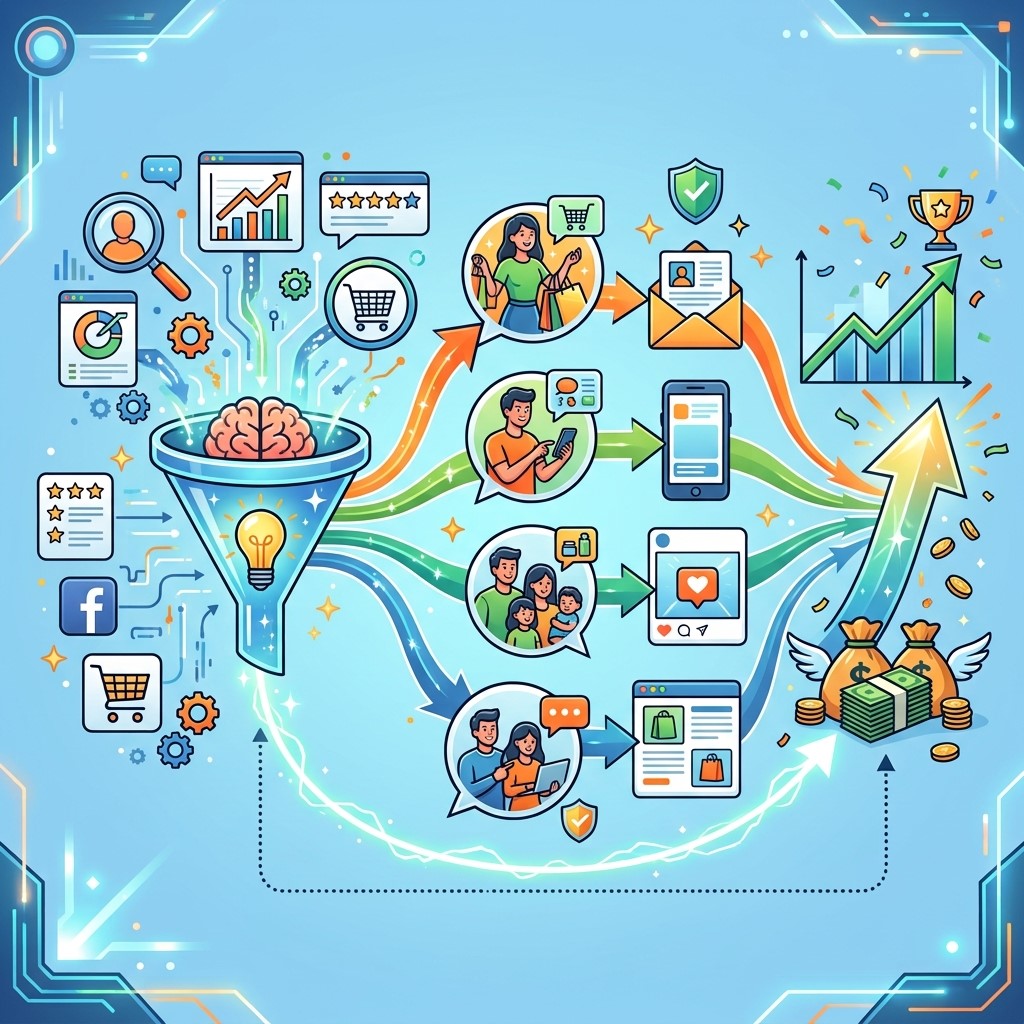 Customer insights help businesses make better use of their marketing budgets by showing which strategies generate meaningful results. Instead of investing equally across every channel, marketers can analyze customer behavior, campaign performance, purchasing patterns, and engagement data to identify the activities that contribute most to business goals. Conversion tracking can reveal which campaigns produce leads, sales, registrations, or other valuable actions. These findings allow businesses to reduce spending on ineffective strategies and increase investment in high-performing campaigns.
Customer insights can also improve audience targeting by identifying customers who are more likely to respond to specific offers or messages. With better targeting, businesses can reduce wasted impressions and improve campaign efficiency. Over time, data-driven optimization helps marketing teams continuously refine their strategies, improve conversion rates, and achieve stronger returns from existing resources. This makes customer insights an important part of building a more efficient and measurable marketing strategy.
How Customer Insights Support Competitive Advantage
Customer insights can give businesses an advantage by helping them understand their audiences more deeply than competitors. When companies consistently analyze customer feedback, purchasing behavior, search patterns, reviews, and engagement data, they can identify changing expectations and emerging opportunities earlier. These findings can guide improvements in products, services, content, pricing, and customer experiences. Businesses can also discover gaps in competitor offerings by examining what customers frequently request or complain about. This information can help companies develop stronger value propositions and communicate their differences more effectively.
Customer insights are particularly valuable in competitive markets where small improvements in personalization, usability, service, or communication can influence purchasing decisions. By combining customer research with conversion tracking and data-driven optimization, businesses can respond faster to market changes and make informed strategic decisions. Over time, this customer-focused approach can strengthen differentiation, improve loyalty, and create a sustainable competitive advantage.
The Future of Customer Insights
Technology is making customer analysis faster and more sophisticated. Artificial intelligence, automation, predictive analytics, and real-time reporting can help businesses identify patterns that might otherwise be difficult to detect.
Businesses are also moving toward more personalized customer experiences. As customers expect relevant communication, companies will increasingly rely on insights to deliver the right content, offer, and message at the appropriate moment.
However, technology alone cannot create valuable insights. Businesses still need clear objectives, quality data, thoughtful analysis, and a strong understanding of customer needs.
Frequently Asked Questions
What are customer insights?
Customer insights are meaningful findings derived from customer data, behavior, feedback, preferences, and interactions. They help businesses understand customer needs and make better marketing, product, and customer experience decisions.
Why are customer insights important?
Customer insights help businesses understand their audiences more effectively. They support better targeting, personalization, content creation, campaign optimization, product development, customer retention, and overall marketing performance.
How do businesses collect customer insights?
Businesses can collect insights through surveys, website analytics, customer reviews, purchase history, social media engagement, customer service interactions, interviews, feedback forms, and marketing performance data.
What is conversion tracking?
Conversion tracking is a measurement process that records valuable customer actions resulting from marketing activities. These actions can include purchases, registrations, form submissions, downloads, calls, or other business goals.
How does conversion tracking support customer insights?
Conversion tracking shows which campaigns, channels, pages, and messages contribute to customer actions. This information helps marketers understand customer behavior and identify opportunities to improve marketing performance.
What is data-driven optimization?
Data-driven optimization involves using measurable performance information to improve marketing strategies, content, websites, campaigns, and customer experiences. It replaces assumptions with evidence-based decisions.
Can customer insights improve personalization?
Yes. Customer insights help businesses understand individual preferences, behaviors, interests, and purchasing patterns. Marketers can use this information to create more relevant recommendations, offers, messages, and content.
How do customer insights improve customer retention?
Insights can reveal dissatisfaction, declining engagement, purchasing changes, and other potential churn signals. Businesses can respond with personalized support, offers, content, and loyalty strategies to strengthen customer relationships.
What tools can provide customer insights?
Businesses can use website analytics platforms, customer relationship management systems, survey tools, social media analytics, advertising platforms, customer feedback systems, and conversion tracking solutions to collect useful information.
How can businesses turn customer insights into action?
Businesses should connect insights to specific objectives and implement measurable changes. They can improve campaigns, update messaging, personalize offers, optimize websites, develop products, and then measure the results to continue improving.
Conclusion
Customer insights provide businesses with a practical foundation for making smarter marketing decisions. By understanding customer behavior, preferences, feedback, and purchasing patterns, marketers can create more relevant campaigns and improve customer experiences.
Conversion tracking helps connect marketing activities with measurable outcomes, while data-driven optimization allows businesses to continuously improve performance. When these practices are combined with strong research and responsible data management, companies can reduce guesswork and make more confident decisions.