

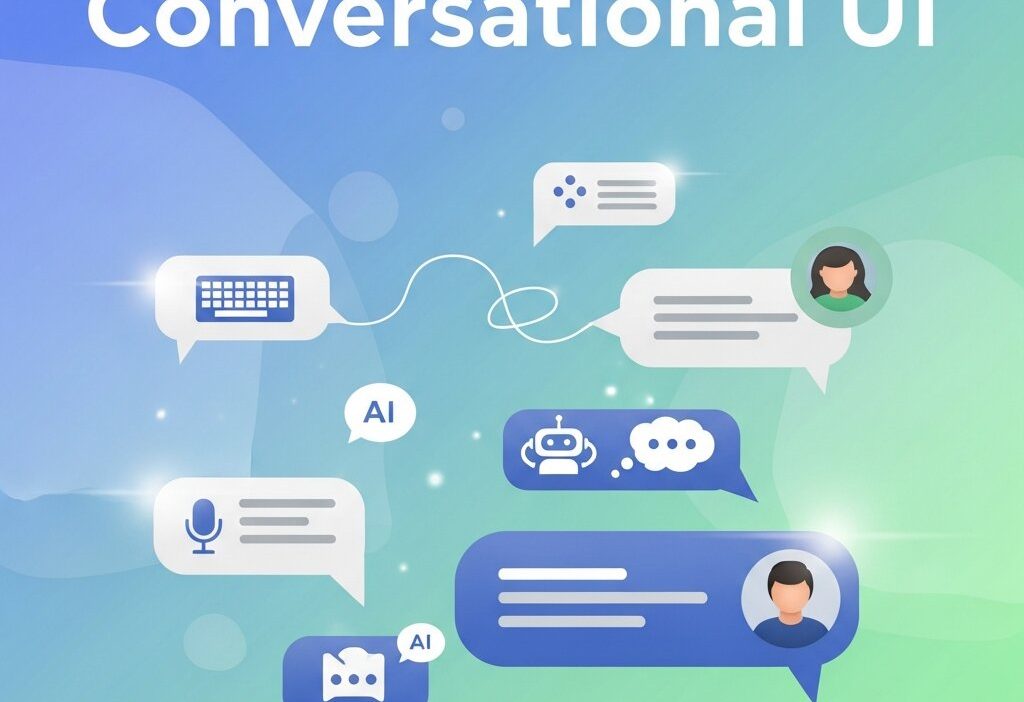
In today’s digital landscape, customer expectations have shifted dramatically. Users demand immediate, personalized interactions rather than navigating through endless web pages and static forms. This is where conversational UI steps in as a game-changer for businesses aiming to boost conversion rates. By integrating chatbots and intelligent virtual assistants, brands can engage visitors in real time, tailor recommendations, and guide prospects along a seamless journey toward purchase decisions.
Conversational UI combines natural language processing (NLP) with user-centered design to create interfaces that feel less like a tool and more like a human advisor. In this blog post, we’ll explore what conversational UI is, how it influences conversion rate optimization (CRO), the key benefits of deploying chatbots, best practices for implementation, and real-world examples that illustrate its transformative power. Throughout the article, you’ll discover actionable insights and authoritative resources to help you harness conversational UI effectively this year (2026).
What Is Conversational UI?
Conversational user interface (UI) refers to digital interfaces designed to allow users to interact using natural language—either by typing into a chat window or speaking via voice. Unlike traditional websites that rely on static menus and forms, conversational UI leverages chatbots, messaging widgets, and virtual assistants to facilitate dynamic, two-way communication. This approach mimics human dialogue and adapts responses based on user input, context, and prior interactions.
Core Components
- Natural Language Processing (NLP): NLP engines interpret user inputs, handling variations in phrasing, synonyms, and slang.
- Intent Recognition: The system identifies what a user wants—whether it’s product information, support, or booking an appointment.
- Dialogue Management: Manages conversation flow, tracks context, and determines the next best response.
- Integration Layer: Connects the chatbot to back-end systems (inventory, CRM, payment gateways).
According to research by Stanford AI Lab, conversational interfaces improve user satisfaction by over 40% compared to traditional navigation menus. By understanding user intent and delivering relevant information instantly, conversational UI reduces friction and accelerates decision-making.
Transforming Conversion Rate Optimization with Chatbots
 Conversion Rate Optimization (CRO) focuses on turning website visitors into customers or qualified leads. Conversational UI enhances CRO by engaging users at critical touchpoints—landing pages, product listings, pricing pages, and checkout flows. The immediacy of chatbot responses helps capture micro-conversions such as newsletter signups, demo requests, and cart recoveries.
Reducing Response Times
Traditional support channels often lead to long wait times. In contrast, proactive chatbots engage visitors within seconds of landing on a page. This instant engagement lowers bounce rates and keeps users on site longer, increasing the likelihood of a conversion.
Addressing Objections Instantly
Many visitors abandon their carts due to unanswered questions—shipping costs, return policies, or technical issues. Conversational UI allows bots to provide immediate clarifications, effectively reducing friction points. A study by an e-commerce analytics firm noted that sites with active chat features saw conversion uplifts of 15–30%.
Guided Pathways
Chatbots can guide users through multi-step processes—selecting product options, filling forms, or completing checkout—without redirecting them to different pages. This streamlined journey minimizes distractions and keeps users focused on their goal.
Core Advantages of Chatbots in Driving Conversions
Incorporating chatbots into a marketing and sales strategy delivers a host of benefits for businesses looking to improve CRO. Below are some of the most impactful advantages:
24/7 Availability
Chatbots never sleep. They field queries around the clock, ensuring no potential lead slips through the cracks. This continuous availability is especially valuable for global businesses operating across time zones.
Personalization at Scale
By leveraging browsing history, past interactions, and purchase records, conversational UI can deliver tailored product recommendations. Personalized messaging resonates more strongly with users, driving higher engagement and increasing average order values.
Pre-Qualification of Leads
Chatbots can ask targeted questions to assess buyer intent and budget. High-intent prospects are seamlessly handed off to live sales agents, allowing teams to focus on the most promising opportunities.
Data Collection and Insights
Every conversation is a data point. Chatbots collect valuable information on user preferences, pain points, and behavior patterns. Businesses can analyze this data—alongside metrics from Google Analytics or NIST frameworks—to fine-tune marketing campaigns and product offerings.
Reduced Friction and Drop-Offs
Interactive chat flows break down complex processes into simple, guided steps. Instead of presenting users with long forms, chatbots ask one question at a time, significantly reducing abandonment rates.
Effective Strategies for Chatbot Implementation
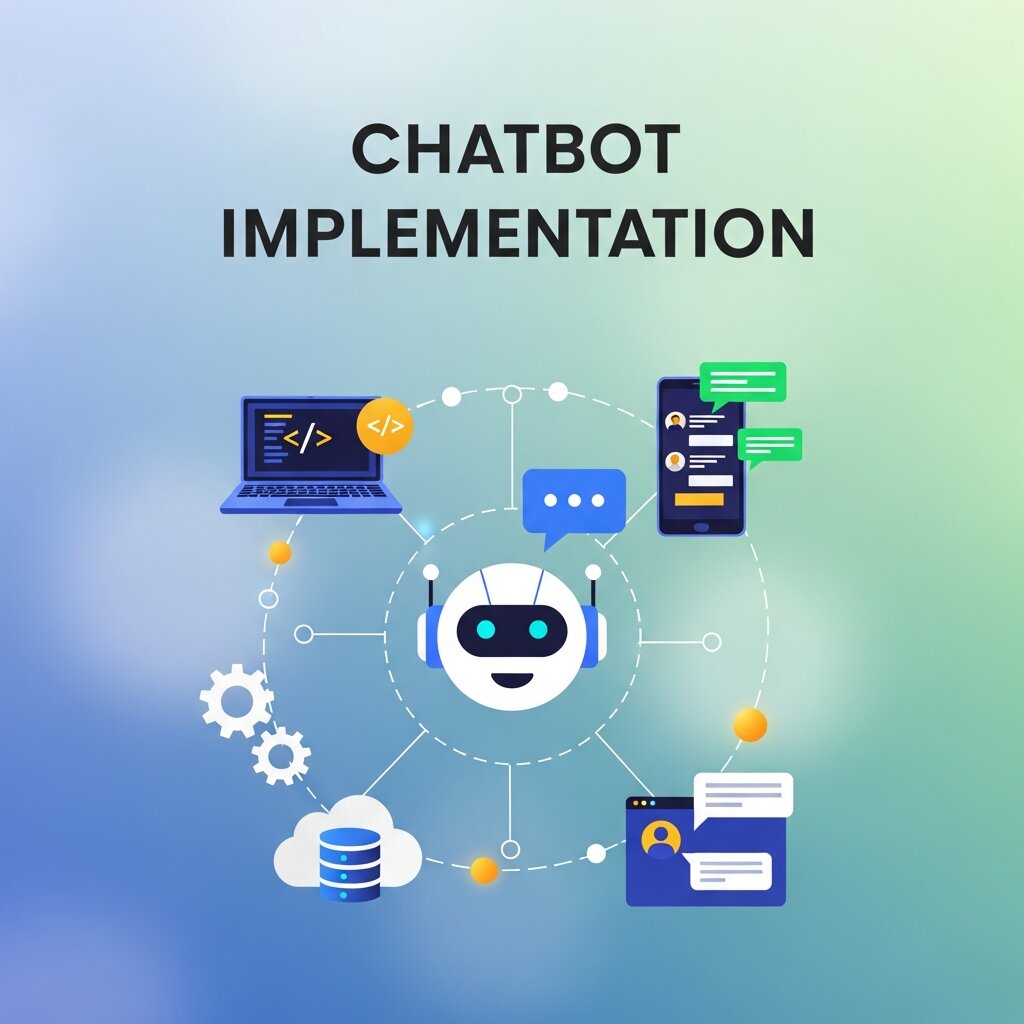 Implementing a chatbot requires more than dropping a widget onto a webpage. To maximize the impact of conversational UI, follow these best practices:
Define Clear Objectives
Start by identifying the primary role of your chatbot: lead generation, customer support, product discovery, or a combination. Clear objectives guide the design of conversation flows and key performance indicators (KPIs).
Map Out User Journeys
Develop a flowchart of user intents and possible queries. Anticipate common questions and edge cases, ensuring the bot can handle both simple and complex interactions.
Choose the Right NLP Engine
Select an AI platform capable of understanding nuanced language variations. Leading providers today (2026) include Google Dialogflow, IBM Watson Assistant, and open-source tools like Rasa.
Implement Human Handoff
Despite their sophistication, chatbots sometimes need a helping hand. Always provide an option to escalate the conversation to a live agent or create a support ticket when the bot cannot resolve an issue.
Continuously Monitor and Improve
Track metrics such as chat initiation rates, completion rates, and drop-off points. Analyze transcripts regularly to identify gaps in the conversation flow, then iterate on responses and prompts based on real user feedback.
Real-World Success Stories
Observing how leading brands leverage conversational UI can inspire your own implementation. Here are two case studies showcasing measurable results:
Fashion E-Commerce Retailer
A prominent online fashion brand introduced a chatbot that asked visitors about their style preferences, budget, and upcoming events. Based on answers, the bot presented curated outfit suggestions along with direct links to product pages. The retailer experienced a 20% increase in add-to-cart actions and a 12% uplift in average order value.
SaaS Company on Pricing Page
A software vendor embedded a conversational widget on its pricing page to address technical and billing questions. Prospects received tailored responses about plan features, integration options, and trial activation. As a result, free-trial signups climbed by 25%, and the marketing team reported a 30% reduction in repetitive support tickets.
These success stories demonstrate how conversational UI can be tailored to different industries and business goals. Whether you’re in retail, SaaS, healthcare, or finance, chatbots offer a scalable way to engage prospects and streamline conversions.
Role of AI in Enhancing Conversational UI
Artificial Intelligence (AI) plays a critical role in advancing conversational UI beyond basic scripted interactions. Modern AI-driven chatbots use machine learning algorithms to understand user intent more accurately and improve over time through continuous learning. These systems analyze past conversations, user behavior, and contextual data to deliver increasingly relevant responses. AI also enables sentiment analysis, allowing bots to detect frustration or urgency and adjust tone or escalate to human agents accordingly. This level of intelligence transforms chatbots into proactive assistants rather than reactive tools. As AI technology evolves in 2026, businesses that integrate advanced AI capabilities into their conversational UI will gain a competitive edge by offering smarter, faster, and more human-like customer experiences.
Voice-Based Conversational Interfaces
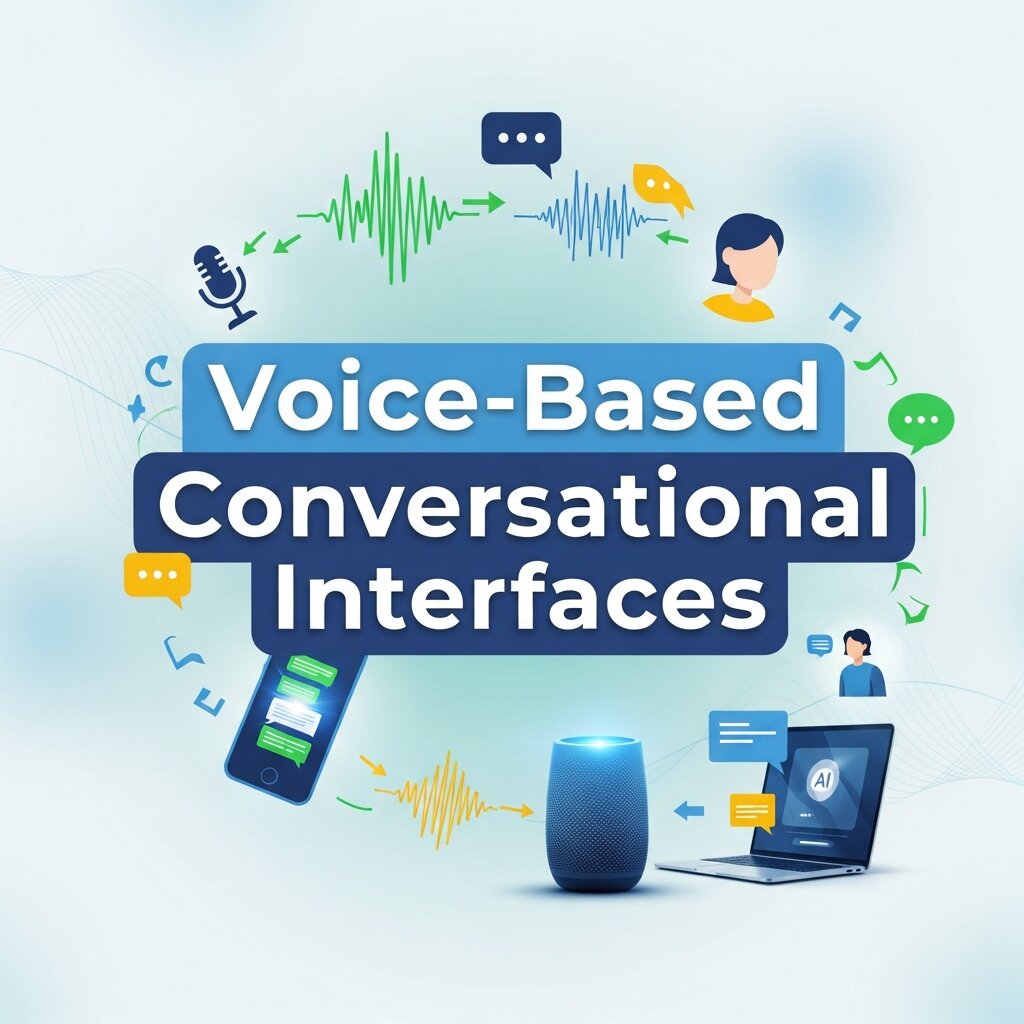 Voice-enabled conversational UI is rapidly gaining popularity as users seek hands-free, convenient ways to interact with digital platforms. With the rise of smart speakers and mobile voice assistants, businesses are integrating voice capabilities into their customer engagement strategies. Voice interfaces reduce friction by eliminating the need for typing, making interactions faster and more intuitive. They are especially useful in accessibility scenarios, helping users with disabilities navigate services more easily. Additionally, voice-based interactions can feel more natural and engaging, fostering stronger emotional connections with users. In 2026, adopting voice-enabled conversational UI can significantly expand reach, improve usability, and enhance customer satisfaction, particularly in industries like healthcare, e-commerce, and customer support.
Omnichannel Integration Strategy
An effective conversational UI strategy extends beyond a single platform and embraces omnichannel integration. Customers today interact with brands across multiple touchpoints, including websites, mobile apps, social media, and messaging platforms. A well-integrated chatbot ensures consistent communication across all these channels, maintaining context and continuity in conversations. This unified experience prevents users from repeating information and creates a seamless journey regardless of where the interaction begins. Businesses can also centralize data collection, gaining a holistic view of customer behavior. In 2026, omnichannel conversational UI is essential for delivering cohesive and personalized experiences that meet modern customer expectations and drive higher engagement and conversions.
Security and Privacy Considerations
As conversational UI systems handle sensitive user data, ensuring security and privacy is paramount. Chatbots often collect personal information, payment details, and behavioral data, making them potential targets for cyber threats. Businesses must implement strong encryption protocols, secure APIs, and compliance with data protection regulations to safeguard user information. Transparency is equally important—users should know how their data is collected, stored, and used. Additionally, implementing authentication mechanisms within conversations can prevent unauthorized access. In 2026, building trust through robust security measures is essential for the success of conversational UI. A secure system not only protects users but also strengthens brand credibility and encourages more users to engage confidently.
Personalization Through Behavioral Analytics
Behavioral analytics is a powerful driver of personalization in conversational UI. By analyzing user actions such as browsing patterns, past purchases, and interaction history, chatbots can deliver highly tailored experiences. This allows businesses to recommend products, suggest solutions, and craft messages that resonate with individual users. Personalized interactions increase engagement and create a sense of relevance, making users more likely to convert. Advanced analytics tools can also predict user needs, enabling proactive conversations that guide decision-making. In 2026, leveraging behavioral data within conversational UI is key to creating meaningful connections and maximizing conversion rates while ensuring that personalization feels natural rather than intrusive.
Conversational UI for Customer Retention
While conversational UI is often associated with acquisition, it also plays a vital role in customer retention. Engaging existing customers through personalized follow-ups, support interactions, and loyalty program updates helps maintain long-term relationships. Chatbots can send reminders, offer exclusive deals, and provide quick resolutions to issues, enhancing overall customer satisfaction. Consistent and helpful interactions build trust and encourage repeat purchases. Additionally, conversational UI can gather feedback, allowing businesses to improve products and services based on real user insights. In 2026, focusing on retention through conversational experiences is just as important as acquiring new customers, as loyal users contribute significantly to sustained revenue growth.
Future Trends in Conversational UI
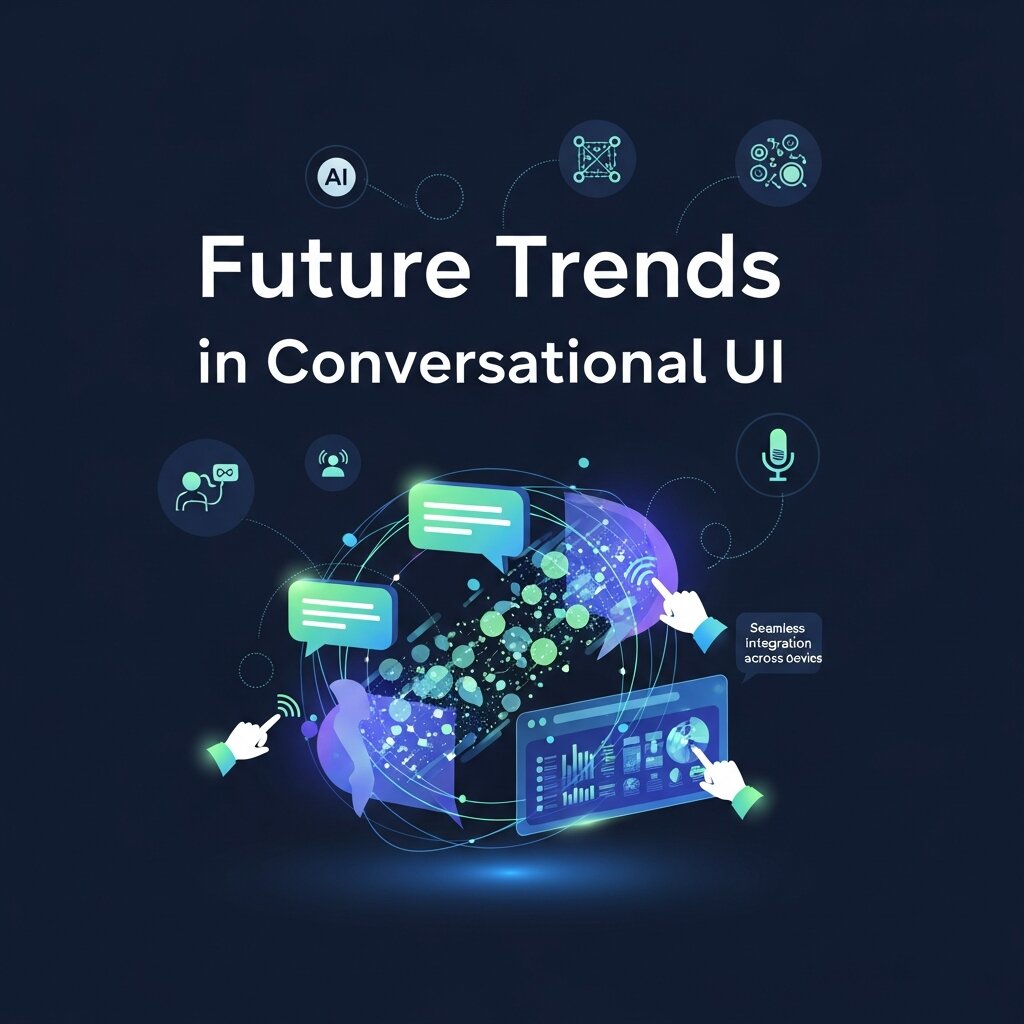 The future of conversational UI is being shaped by rapid advancements in AI, automation, and human-computer interaction. Emerging trends include hyper-personalization, emotion-aware chatbots, and integration with augmented reality (AR) and virtual reality (VR) environments. These innovations will make interactions more immersive and context-aware. Additionally, multilingual capabilities are improving, enabling businesses to reach global audiences more effectively. Low-code and no-code chatbot development platforms are also making it easier for companies to deploy conversational solutions بسرعة. In 2026 and beyond, conversational UI will continue evolving into a central component of digital strategy, transforming how users interact with technology and how businesses drive engagement, loyalty, and conversions.
FAQ
What is a conversational UI?
A conversational UI is an interface that enables users to interact with applications using natural language—via text or voice—often powered by chatbots and virtual assistants. It simulates human-like dialogues to provide information, recommendations, and support.
How can chatbots boost conversion rates?
Chatbots engage visitors instantly, reduce response times, address objections in real time, and guide users through multi-step processes. This personalized and proactive approach lowers bounce rates and drives micro- and macro-conversions.
What are best practices for implementing chatbots?
Define clear objectives, map user journeys, choose a robust NLP engine, incorporate human handoff, and continuously monitor performance. Regular analysis of transcripts and metrics ensures your chatbot evolves with user needs.
How do I measure the effectiveness of a conversational UI?
Key metrics include chat initiation rates, completion rates, drop-off points, response times, and the number of handoffs to live agents. Analyzing these alongside conversion metrics (e.g., demo requests, signups, purchases) reveals ROI and optimization opportunities.
Conclusion
In today’s fast-paced online environment, leveraging conversational UI is no longer a novelty—it’s a necessity for businesses striving to optimize their conversion rates. By implementing chatbots with clear objectives, robust NLP capabilities, and thoughtful conversation design, you can reduce friction, capture micro-conversions, and deliver highly personalized experiences.
This year (2026), stay ahead of the competition by adopting best practices such as continuous monitoring, human handoff options, and data-driven iterations. With the right strategy in place, conversational UI will not only enhance customer satisfaction but also drive significant incremental revenue and long-term loyalty.