

This blog breaks down how behavioral CRO uses psychological triggers—such as social proof, scarcity, reciprocity, authority, and framing—to influence user decisions. By applying these principles to your website and testing the results, you can create more persuasive experiences and increase conversions.
In today’s crowded digital marketplace, simply driving traffic to your site isn’t enough. You need visitors to take meaningful actions: sign up, purchase, request a demo. That’s where behavioral conversion rate optimization (CRO) comes in. By tapping into proven principles of marketing psychology, you can craft user experiences that guide prospects seamlessly toward your desired outcome. In this post, we’ll explore seven powerful psychological triggers and show you how to apply each one to your website or landing pages for measurable results.
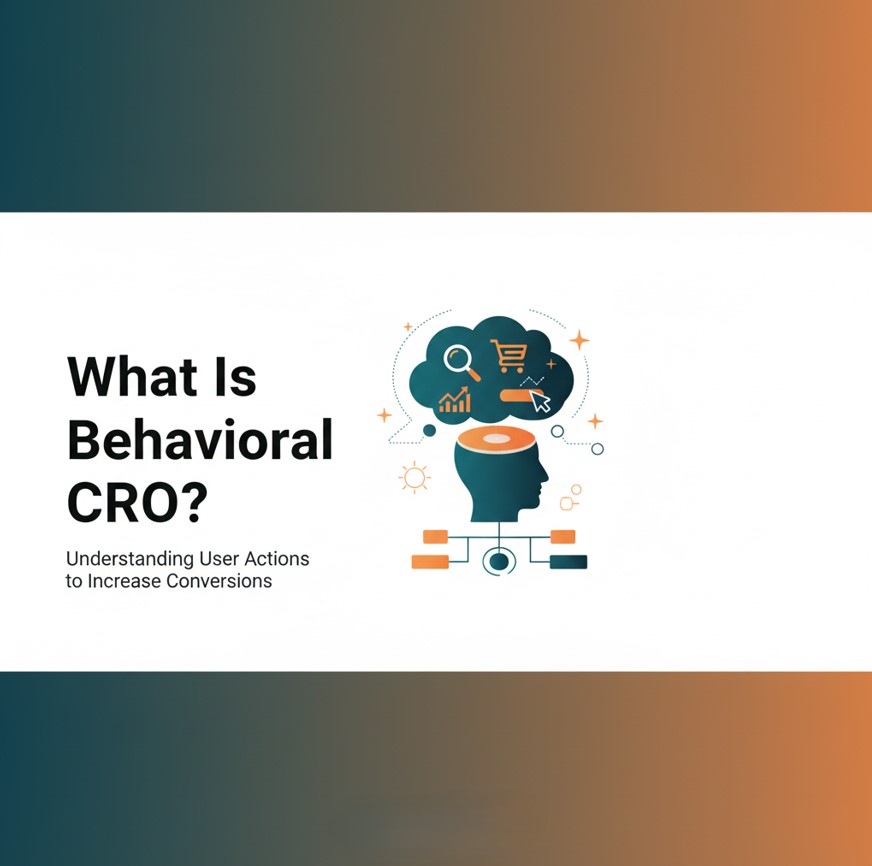
What Is Behavioral CRO?
Behavioral CRO is the art and science of optimizing your website based on human psychology rather than just data or guesswork. While traditional CRO focuses primarily on A/B tests, analytics, and heatmaps, behavioral CRO digs deeper into the underlying motivations, biases, and decision-making shortcuts that drive user actions. The goal is to influence user behavior ethically by aligning your messaging, design, and offers with how people naturally think and feel.
Why Psychological Triggers Matter
Humans are not purely rational beings. We rely on mental shortcuts—heuristics—to process information and make quick decisions. Psychological triggers leverage these heuristics to reduce friction, build trust, and prompt immediate action. When done correctly, each trigger can significantly improve your conversion rates without extensive redesigns or bloated ad budgets.
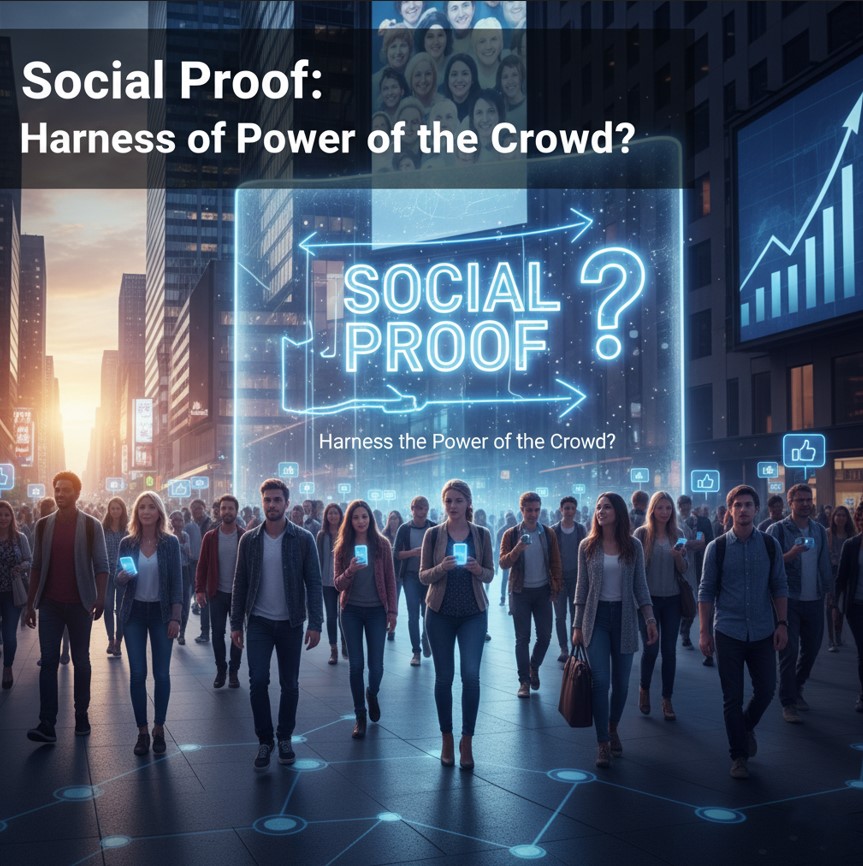
1. Social Proof: Harness the Power of the Crowd
Social proof is one of the most powerful psychological forces behind human decision-making. When people are unsure about what action to take, they instinctively look to others for guidance. This behavior is rooted in our desire for safety, belonging, and validation. On a website or landing page, social proof transforms uncertainty into confidence by showing visitors that others like them have already taken the step you want them to take. Displaying detailed testimonials with real customer photos and names creates an emotional connection and adds authenticity. Highlighting logos of well-known clients instantly elevates your perceived credibility by association, making your offer feel more established and trustworthy. Real-time activity indicators—such as “1,234 people bought this in the last 24 hours”—reinforce the idea that your product or service is popular and in demand. When visitors see others trusting you, especially people or brands they can relate to or admire, they feel reassured and are far more likely to follow the crowd and convert.
Learn more about proven website conversion optimization tactics for implementing social proof effectively.
2. Scarcity: Create a Sense of Urgency
Scarcity taps directly into the human fear of missing out. When something feels limited—whether it’s time, quantity, or access—its perceived value increases dramatically. People naturally want what is rare, exclusive, or fleeting, and they tend to delay decisions when they believe there is no urgency. Scarcity eliminates procrastination by making the cost of waiting feel too high. A limited-time offer, for example, signals that an opportunity will not be available indefinitely, pushing the user to act sooner rather than later. When visitors see a countdown ticking away or read that only a few units remain, they experience a subtle emotional pressure to move quickly before they lose the chance. Exclusive or members-only benefits also create an atmosphere of privilege that makes the offer feel special. By communicating honest limitations—whether related to stock, enrollment capacity, or promotional windows—you create momentum and reduce the likelihood of abandonment.
3. Reciprocity: Give to Get
Reciprocity is a deeply ingrained social principle that influences how humans behave in nearly every culture. When someone receives something of value, they naturally feel inclined to return the favor. In digital marketing, reciprocity works because people appreciate brands that give before asking. Offering a high-quality free resource, such as an e-book, template, or training session, immediately positions your brand as helpful rather than pushy. Free trials or demos allow users to experience your value firsthand, lowering their risk and increasing their trust in your product. Even thoughtfully curated blog content or email lessons can trigger this psychological response. When prospects feel that you’ve already invested in them by providing something useful, they become more open, more trusting, and more willing to take the next step—whether that’s signing up, purchasing, or engaging with your offer. Reciprocity builds goodwill, and goodwill accelerates conversions.
Offering free resources, trials, or content triggers reciprocity. Users feel inclined to return the favor by engaging further. Integrate this principle with tools and guides in conversion rate optimization tools guide to automate lead nurturing.
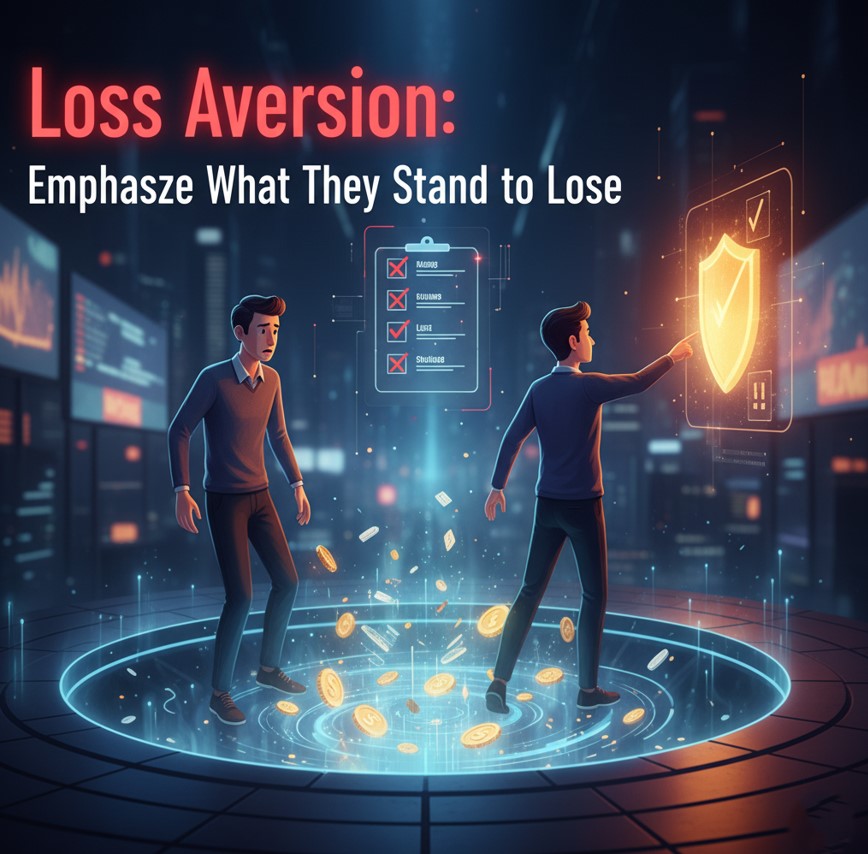
4. Loss Aversion: Emphasize What They Stand to Lose
Loss aversion explains why the fear of losing something is often more motivating than the desire to gain something new. Humans are wired to avoid pain more intensely than they pursue pleasure. When applied to CRO, loss aversion shifts your messaging to highlight the negative consequences of inaction. Instead of simply stating the benefits of your product, you illustrate what the user risks missing out on—revenue opportunities, performance improvements, savings, or competitive advantage. Phrases like “Don’t miss out on a 20% increase in open rates” or “Stop losing customers at checkout” reframe your offer as a shield against potential loss. This taps into a primal protective instinct that pushes users to take action now rather than delay. By showing what’s at stake, you help visitors understand the real cost of indecision, making the desired action feel essential rather than optional.
5. Commitment & Consistency: Start Small
People strive to remain consistent with their past actions because inconsistency feels psychologically uncomfortable. This is why even small commitments—like signing up for a newsletter, answering a short quiz, or joining a free community—can have a huge impact on eventual conversions. Once a user agrees to something minor, they begin to see themselves as someone who is interested, engaged, or aligned with your brand. This identity shift makes them more likely to take a bigger step later, such as purchasing a product or booking a call. Asking for too much too soon often creates resistance, but gradually leading users through a series of small commitments builds momentum and trust. Progressive profiling, for example, collects user data over time instead of overwhelming them with long forms. Interactive tools and quizzes also increase engagement and create a sense of participation. Each small “yes” strengthens the path toward a larger “yes,” making conversion a natural and consistent next step.
Start with micro-conversions like newsletter signups or quizzes. Gradually build toward larger actions. See our boost engagement with micro-conversions article for practical tactics.
6. Authority: Build Credibility
Humans instinctively trust authority figures, especially when making decisions that involve uncertainty or risk. Demonstrating authority on your website reassures visitors that they are making a smart and informed choice. When you showcase industry awards, professional certifications, expert endorsements, or media features, you elevate your perceived expertise and reliability. These signals operate at a subconscious level, reassuring users that your brand has been vetted and validated by respected third parties. Authority messaging reduces doubt, alleviates hesitation, and boosts confidence—particularly for high-ticket or high-commitment offers. Users want to feel that they are choosing a provider who knows what they’re doing, and authority markers communicate that instantly without needing to say it outright.
7. Framing: Present Your Offer in the Best Light
Framing shapes how people interpret information, often without them realizing it. The same offer can feel completely different depending on how it’s presented. Highlighting your most popular pricing tier first, for example, gives users a reference point that makes other options seem more reasonable. Using positive framing such as “95% customer satisfaction” creates a more reassuring emotional reaction than saying “5% dissatisfaction,” even though the meaning is identical. Bundling services or emphasizing the savings of a package can also shift perception and increase perceived value. Effective framing doesn’t change your offer—it changes how users experience the offer. By guiding visitors’ attention to the benefits, value, and simplicity of your solution, you reduce cognitive strain and help them feel more confident about moving forward.
Framing guides how users perceive your offer. Highlighting your most popular plan or presenting savings in a positive light improves decision-making. Learn more from our behavioral CRO 7 triggers to boost conversions guide.
Implementing & Testing Behavioral CRO
Applying psychological triggers is only half the battle. Rigorous testing ensures you’re making data-driven decisions. Follow these steps:
- Prioritize hypothesis: Define which trigger you want to test and why.
- Create variations: Implement the behavioral element on a test page.
- Run A/B tests: Use tools like Optimizely, VWO, or Google Optimize.
- Analyze results: Focus on uplift in key metrics (CTR, form fills, sales).
- Iterate & scale: Roll out winning variations site-wide.
By combining psychological triggers with a systematic testing framework, you’ll uncover the tactics that truly move the needle for your audience. For a full event marketing ultimate guide on strategic testing and engagement, check our resource.
Top Tools & Resources
To streamline your behavioral CRO efforts, consider these tools and platforms:
- Heatmapping: Hotjar, Crazy Egg
- A/B Testing: Optimizely, VWO, Google Optimize
- User Feedback: Qualaroo, UserTesting
- Analytics: Google Analytics, Mixpanel
Additionally, books like Influence by Robert Cialdini and Hooked by Nir Eyal offer deep dives into behavioral psychology and user engagement strategies.
Advanced Behavioral CRO Techniques
While psychological triggers form the foundation of persuasive design, advanced behavioral CRO goes one step deeper—using real-time behavior, emotional cues, and contextual factors to personalize each visitor’s journey. This approach blends psychology with dynamic user experience optimization, ensuring every touchpoint feels tailored, intuitive, and persuasive.
Behavioral Segmentation: Tailoring Experiences in Real Time
Not all visitors behave the same way—and behavioral CRO recognizes this. By analyzing actions such as scroll depth, dwell time, clicks, and navigation paths, you can segment users based on intent and tailor messages accordingly.
For example, a visitor who hovers over your pricing page for more than 30 seconds may be experiencing decision anxiety. Triggering a subtle reassurance message—like a testimonial or guarantee—can nudge them forward. Similarly, new visitors may need more educational content, while returning visitors may respond better to personalized offers or time-sensitive nudges.
Behavioral segmentation ensures that the psychological triggers you deploy are relevant to each visitor’s mindset, increasing the likelihood of conversion.
Emotional Design: Crafting Experiences That Feel Intuitive
Emotions drive decisions more strongly than rational analysis. Emotional design incorporates visual cues, color psychology, tone of voice, and user flow to create experiences that feel trustworthy, motivating, and effortless.
Warm colors can generate a sense of urgency, while cooler tones convey calmness and reliability. Microcopy—small bits of text such as button labels or form messages—can reduce anxiety and reinforce motivation. Even small emotional cues like a smiling customer image or progress indicator can shape how users perceive your message.
When emotions and logic work together, conversions happen naturally.
Conclusion: Turning Insights into Action
Behavioral conversion rate optimization bridges the gap between data-driven tactics and the human motivations behind every click, scroll, and form submission. By strategically applying social proof, scarcity, reciprocity, and other psychological triggers, you can guide prospects through a persuasive journey that feels natural and valuable. Remember to test each element rigorously, iterate based on results, and always prioritize user experience. Start small—implement one trigger at a time—and watch your conversion rates climb steadily.
Ready to unlock the power of behavioral CRO? Begin with a single test today and see how understanding human psychology can transform your website into a conversion machine.
Frequently Asked Questions (FAQ)
How is behavioral CRO different from traditional CRO?
Traditional CRO relies heavily on data, analytics, and testing—focusing mainly on what users do. Behavioral CRO goes deeper by analyzing why users behave a certain way. It incorporates psychological principles, behavioral biases, emotional design, and decision-making science to shape user actions more effectively.
Do psychological triggers really improve conversions?
Yes. Decades of behavioral research show that humans rely on heuristics—mental shortcuts—when making decisions. When used ethically, triggers like reciprocity, social proof, and framing reduce friction and influence decisions naturally. Many brands see double-digit conversion lifts from implementing even one well-executed psychological trigger.
Can I use multiple psychological triggers on one page?
Absolutely—but placement and balance matter. Overloading a page with urgency, pop-ups, and social proof can overwhelm users. Instead, strategically pair triggers that complement each other. For example, combining authority and social proof builds trust, while using scarcity alongside clear value framing drives action.
How long does it take to see results from behavioral CRO?
Most businesses start seeing noticeable improvements within 2–6 weeks, depending on traffic volume and the scope of the test. Small changes—like simplifying a headline or adding a micro-trust signal—can produce immediate impact, while larger behavioral shifts may take longer to validate.
Is behavioral CRO only for eCommerce websites?
Not at all. Behavioral CRO applies to SaaS platforms, service businesses, lead-generation sites, educational platforms, and even personal brands. Anywhere users need to make a decision—signing up, downloading, purchasing, booking—behavioral psychology can optimize the outcome.
What’s the biggest mistake people make with behavioral CRO?
The biggest mistake is copying tactics without understanding user motivations. What works for one audience may fall flat for another. Behavioral CRO should always start with insights: user feedback, behavior patterns, and friction points. Once you understand the psychology behind your audience, the right triggers become obvious.
Should I always run A/B tests for psychological triggers?
Yes—testing validates whether a trigger works for your unique audience. Even small psychological elements, like rephrasing a CTA using loss aversion rather than benefits, should be tested. A/B testing eliminates guesswork and ensures you scale only the highest-impact changes.