
Understanding the CRO SEO Connection
Why Traditional SEO Falls Short
Most SEO strategies focus exclusively on keyword rankings and organic traffic volume. While these metrics matter, they don’t tell the complete story. A website ranking #1 for competitive keywords might generate thousands of visitors but fail to convert them into customers.
This disconnect occurs because traditional SEO often prioritizes search engine algorithms over user experience. Pages stuffed with keywords might rank well but provide poor user experiences that drive visitors away. The result is high bounce rates, low engagement, and missed revenue opportunities.
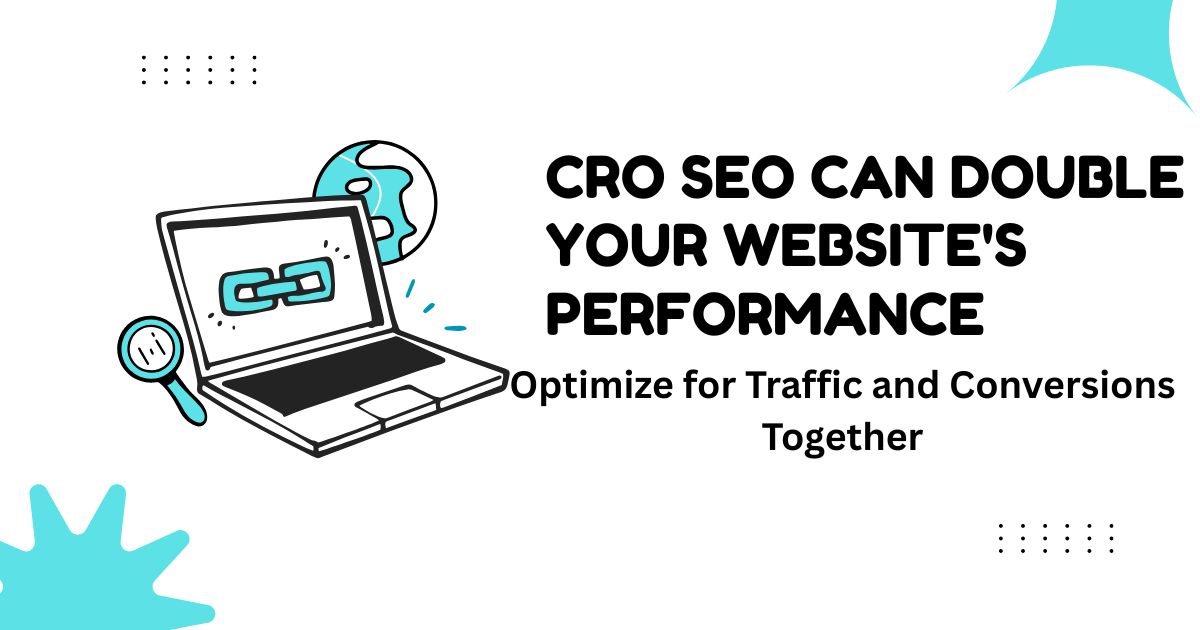
CRO SEO bridges this gap by ensuring that optimized pages not only attract search traffic but also guide visitors toward conversion actions. This dual focus creates a compounding effect where better user experiences improve search rankings, which in turn drive more qualified traffic.
The Science Behind CRO SEO
Search engines like Google increasingly use user behavior signals as ranking factors. Metrics such as bounce rate, time on page, and click-through rates influence how search engines evaluate page quality. When CRO improvements enhance these user experience metrics, search rankings often improve as well.
This relationship creates a positive feedback loop. Better-converting pages tend to keep visitors engaged longer, reducing bounce rates and increasing time on site. These positive signals tell search engines that the page provides value, potentially boosting rankings and driving more traffic.
Research shows that pages with higher conversion rates typically have better user engagement metrics. They load faster, provide clearer navigation, and offer more relevant content. These factors align perfectly with search engine ranking criteria, making CRO SEO a natural partnership.
Building Your CRO SEO Foundation

Technical Infrastructure Requirements
Successful CRO SEO starts with solid technical foundations. Page speed affects both conversion rates and search rankings. Visitors abandon slow-loading pages, while search engines penalize sites with poor performance. Optimizing images, minimizing code, and using content delivery networks improve both metrics simultaneously.
Mobile optimization represents another crucial intersection. Google’s mobile-first indexing means mobile performance directly impacts rankings. Simultaneously, mobile users convert differently than desktop users, requiring responsive design and mobile-specific optimization strategies. Check out How to Improve Your Mobile Conversion Rate for detailed tips.
Site architecture plays a vital role in both SEO and conversions. Clear navigation structures help search engines crawl and index pages while guiding visitors toward conversion actions. Internal linking strategies can distribute page authority for SEO benefits while creating logical user journeys that increase conversion likelihood.
Content Strategy Integration
Content serves dual purposes in CRO SEO strategies. For SEO, content must target relevant keywords and provide comprehensive information that search engines value. For CRO, content must address user pain points, build trust, and guide visitors toward conversion actions. Learn more in Marketing Conversion Rate Optimization: Your Complete Guide.
Successful CRO SEO content balances keyword optimization with persuasive copywriting. Headlines might incorporate target keywords while also creating emotional hooks that encourage continued reading. Product descriptions can include long-tail keywords while highlighting benefits that motivate purchases.
Content formatting affects both SEO and conversions. Search engines favor well-structured content with clear headings, bullet points, and logical organization. These same formatting techniques improve readability and user experience, making conversion-focused content more effective.
Advanced CRO SEO Techniques
User Intent Optimization
Understanding user intent behind search queries enables more effective CRO SEO strategies. Users searching for “best running shoes” have different intentions than those searching for “Nike Air Max sale.” Aligning page content and conversion elements with specific user intents improves both relevance and conversion probability. Learn about Behavioral Psychology for Higher Conversions to align your strategies with user intent.
Keyword research for CRO SEO goes beyond search volume and competition. Analyze the commercial intent behind keywords, conversion potential, and user journey stages. High-intent keywords like “buy,” “discount,” or “review” often indicate users closer to conversion decisions.
Create content that matches user intent at different funnel stages. Top-of-funnel content might focus on educational keywords while building brand awareness. Bottom-of-funnel content should target commercial keywords while providing clear conversion paths and compelling calls-to-action.
A/B Testing SEO Elements
Traditional A/B testing focuses on conversion elements like headlines, buttons, and forms. CRO SEO extends testing to elements that affect both conversions and search performance. Title tags, meta descriptions, and on-page content can all be tested for their impact on both organic traffic and conversion rates.
Testing meta descriptions provides valuable insights into click-through rates from search results. Higher click-through rates can improve search rankings while better-crafted descriptions pre-qualify visitors, potentially improving conversion rates. Test different value propositions, calls-to-action, and emotional triggers in meta descriptions.
On-page elements like headlines, subheadings, and content structure can be tested for their impact on user engagement and conversion rates. These elements also influence how search engines understand and rank pages, making them ideal candidates for CRO SEO testing.
Local SEO and Conversion Integration
Local businesses have unique opportunities to combine SEO and CRO strategies. Local search results often have high commercial intent, with users ready to take immediate action. Optimizing for local keywords while creating location-specific conversion paths can dramatically improve results.
Google My Business optimization affects local search visibility and conversion rates. Complete profiles with accurate information, customer reviews, and compelling descriptions help both search rankings and conversion decisions. Local landing pages should target location-specific keywords while addressing local customer needs and preferences.
Location-based testimonials and case studies serve dual purposes. They provide local social proof that improves conversions while creating location-specific content that enhances local SEO performance. This approach builds trust with local audiences while improving search visibility.
Measuring CRO SEO Success
Key Performance Indicators
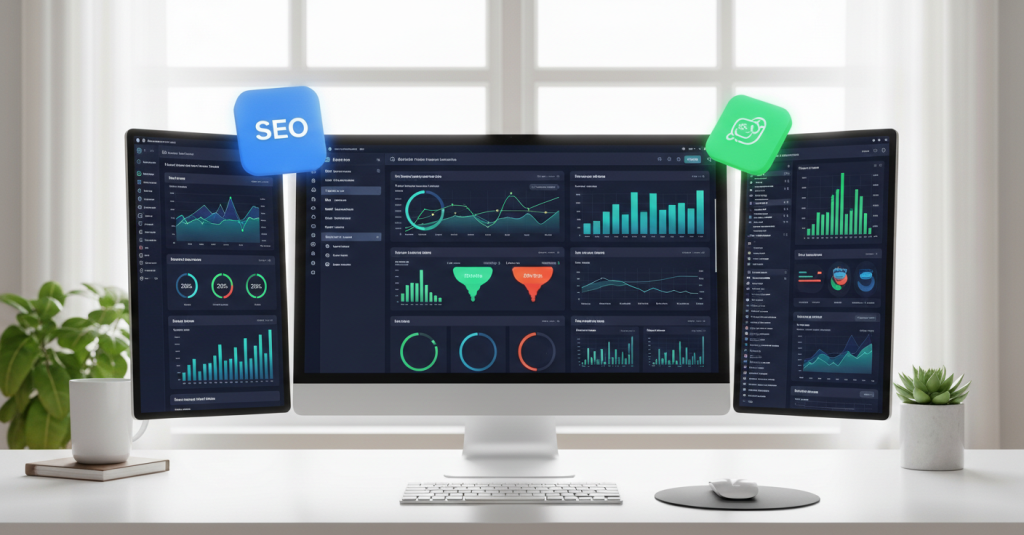
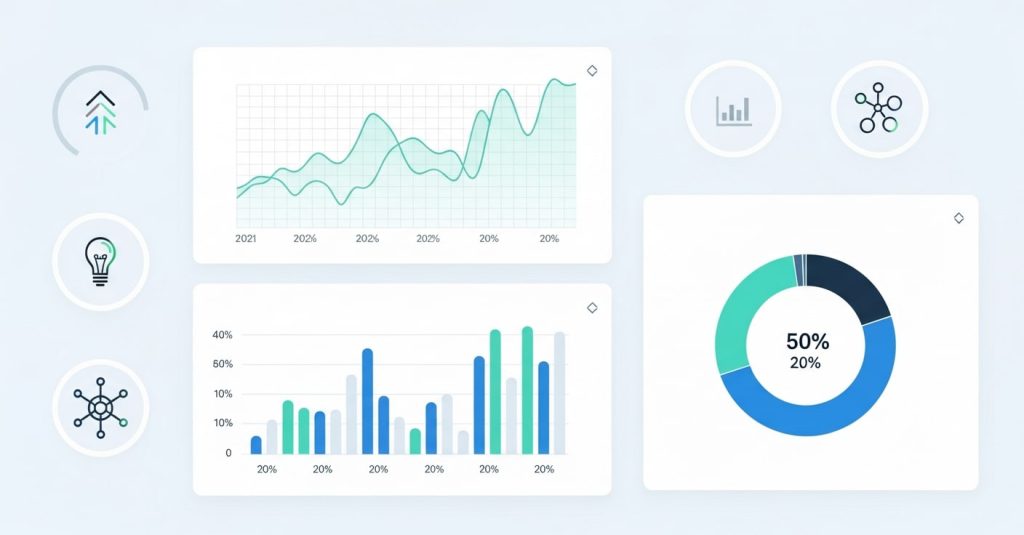
Measuring CRO SEO success requires tracking metrics that reflect both SEO and conversion performance. Traditional SEO metrics like rankings, traffic, and impressions remain important, but they must be viewed alongside conversion metrics like conversion rate, revenue per visitor, and customer lifetime value.
Engagement metrics provide valuable insights into CRO SEO effectiveness. Pages with improved user engagement often see better search rankings over time. Monitor bounce rate, time on page, pages per session, and scroll depth to understand how SEO traffic behaves on your site.
Revenue-focused metrics ultimately determine CRO SEO success. Organic revenue, revenue per organic visitor, and conversion rate by traffic source help evaluate the business impact of integrated strategies. These metrics justify investment in CRO SEO initiatives and guide future optimization efforts.
Analytics and Attribution
Proper attribution becomes complex when combining SEO and CRO strategies. Visitors might discover your site through organic search but convert during a later visit through a different channel. Multi-touch attribution models help understand the full customer journey and the role of CRO SEO in driving conversions.
Segment organic traffic by user behavior to identify optimization opportunities. Visitors who convert immediately might need different optimization strategies than those who browse multiple pages before converting. Understanding these patterns helps create more effective CRO SEO campaigns.
Use cohort analysis to understand how CRO SEO improvements affect visitor behavior over time. Changes in search rankings, page improvements, or conversion optimization might take weeks or months to show full impact. Cohort analysis helps identify trends and measure long-term effectiveness.
Common CRO SEO Mistakes to Avoid
Over-Optimization Pitfalls
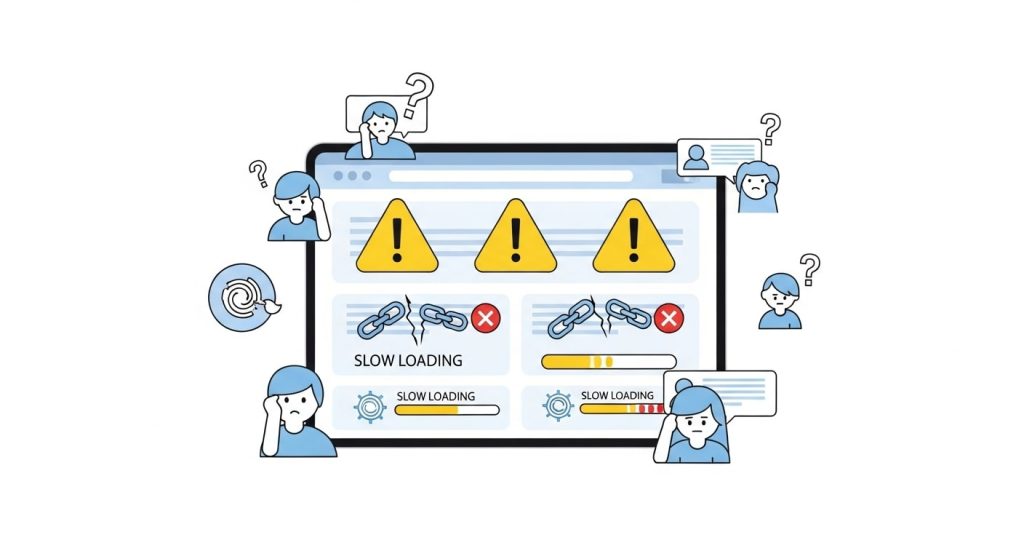
Aggressive keyword optimization can harm both user experience and search rankings. Keyword stuffing makes content difficult to read and can trigger search engine penalties. Focus on natural keyword integration that enhances rather than detracts from user experience.
Conversion optimization changes can sometimes negatively impact SEO if not implemented carefully. Removing content to simplify conversion paths might reduce keyword relevance. Major layout changes can affect how search engines crawl and understand pages. Consider SEO implications when making CRO changes.
Ignoring User Experience Signals
Search engines increasingly use user experience signals as ranking factors. Improvements that enhance conversion rates often positively impact these signals, but the reverse is also true. Poor user experiences can hurt both conversion rates and search rankings.
Page speed optimization affects both SEO and conversions but requires balanced approaches. Aggressive optimization might remove elements that aid conversions, while heavy conversion-focused elements might slow page loading. Find the right balance for your specific situation.
Scaling Your CRO SEO Strategy
Automation and Tools
Successful CRO SEO requires efficient processes and tools. Marketing automation platforms can help deliver personalized experiences based on search behavior, traffic source, and user characteristics. These personalized experiences often improve both engagement and conversion rates.
SEO tools like search console data can inform CRO strategies by revealing which keywords and pages generate the most engaged traffic. Similarly, CRO tools can identify high-converting pages that might benefit from additional SEO investment.
Use data integration tools to combine SEO and CRO insights. When conversion data informs keyword strategies and search data guides optimization priorities, both strategies become more effective. Look for opportunities to share data and insights between teams.
Team Collaboration
CRO SEO success requires collaboration between traditionally separate teams. SEO specialists bring technical expertise and keyword insights, while CRO experts contribute user behavior knowledge and testing methodologies. Breaking down silos between these teams creates optimization opportunities.
Regular communication between SEO and CRO teams helps identify conflicts and opportunities. SEO changes might affect conversion rates, while CRO tests might impact search performance. Coordinated efforts prevent teams from working against each other.
Maximizing Your Digital Marketing ROI
CRO SEO represents a fundamental shift in how businesses approach digital marketing optimization. Rather than treating search optimization and conversion optimization as separate activities, integrated strategies create compounding benefits that exceed the sum of their parts.
The most successful businesses recognize that search traffic without conversions is wasted opportunity, while high-converting pages without visibility miss growth potential. CRO SEO bridges this gap by ensuring that optimization efforts enhance both search performance and conversion rates.
Start implementing CRO SEO strategies gradually, focusing on areas where SEO and conversion goals naturally align. Page speed improvements, mobile optimization, and content quality enhancements benefit both objectives. As you build experience and see results, expand into more sophisticated integration strategies.
Remember that CRO SEO is an ongoing process requiring continuous testing, measurement, and refinement. The digital landscape evolves constantly, with search algorithms and user behaviors changing regularly. Stay committed to testing new approaches and adapting strategies based on data and results.
CRO SEO focuses on boosting your website’s performance by turning traffic into results, while fast and accurate copy typing techniques help improve productivity behind the scenes. Mastering both can enhance your digital workflow—from content creation to conversion.
Frequently Asked Questions (FAQ)
What is the main difference between SEO and CRO?
SEO focuses on increasing a website’s visibility in search engines to attract traffic, while CRO focuses on improving the percentage of visitors who take desired actions. CRO SEO integrates both by ensuring traffic is not only acquired but also converted efficiently.
Can CRO improvements hurt SEO rankings?
CRO changes can negatively affect SEO if they remove valuable content, alter crawlability, or disrupt page structure. However, when implemented thoughtfully, most CRO improvements enhance user experience, which often leads to better SEO performance over time.
How long does it take to see results from CRO SEO?
CRO improvements can show conversion gains within weeks, while SEO benefits may take several months. The combined impact of CRO SEO often compounds over time as better engagement leads to improved rankings and more qualified traffic.
Is CRO SEO suitable for small businesses?
Yes. Small businesses often benefit the most because they cannot rely on traffic volume alone. Improving conversion rates from existing organic traffic delivers faster ROI and makes SEO investments more sustainable.
What pages should be optimized first for CRO SEO?
High-traffic pages with low conversion rates are the best starting point. These pages already attract visitors, so improving their conversion performance yields immediate and measurable results.
How does CRO SEO support long-term growth?
CRO SEO builds resilient digital assets that perform well regardless of algorithm changes or traffic fluctuations. By focusing on user satisfaction and business outcomes, it creates sustainable growth rather than short-term ranking wins.