
What Makes Up Conversion Rate Optimization (CRO)?
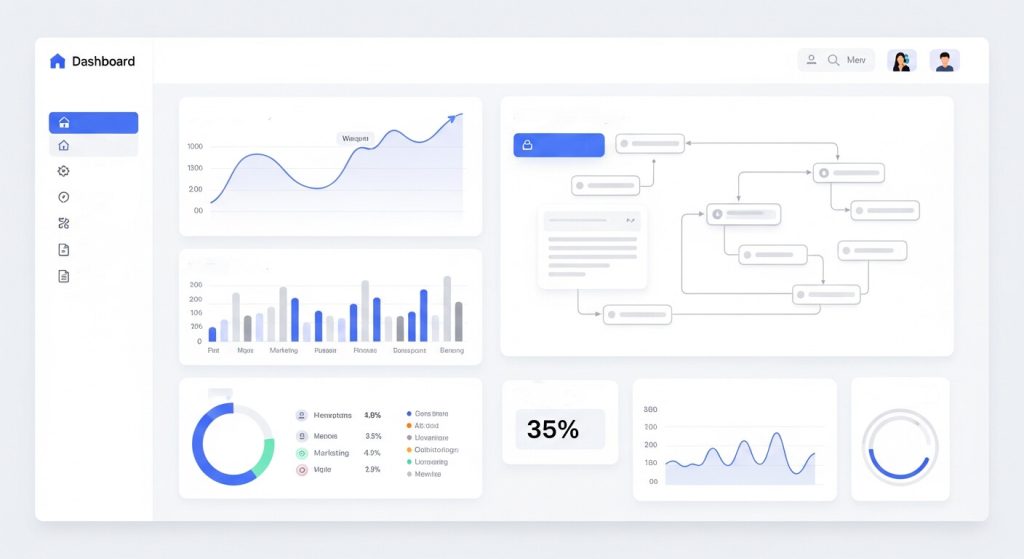
Conversion Rate Optimization (CRO) is the strategic process of improving your website or landing pages to increase the percentage of visitors who take a desired action, such as completing a purchase, signing up for a newsletter, filling out a form, or engaging with key site elements. By combining data analysis, user behavior insights, and continuous testing, CRO helps identify friction points that prevent users from converting and refines the overall experience for better performance.
Rather than focusing solely on driving more traffic, mastering conversion rate optimization is about maximizing the value of the traffic you already have. In today’s competitive digital landscape, businesses that invest in CRO can turn casual visitors into loyal customers by improving usability, relevance, and trust. When conversion rates are optimized effectively, companies can boost revenue, enhance ROI, and achieve sustainable growth—without increasing advertising spend.
Why Does CRO Matter?
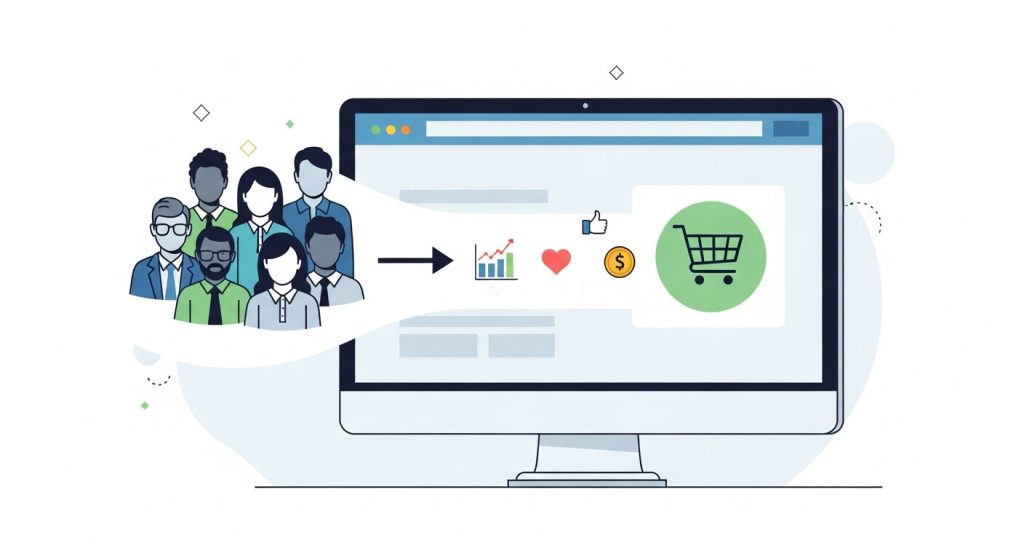
But first, before we dive into tactics, we need to clarify why CRO is so important:
- Better ROI: CRO helps you to get more out of your existing traffic. You make more money from the visitors already on your site, without going on an ad spend ramp.
- Enhance User Experience (UX): One of the primary goals of CRO is to make the user experience smoother and more intuitive, so that users are happier regardless of whether they convert.
- Learn About User Behavior: CRO will also provide you with clear insight into how your audience uses your website and what drives their decision-making process.
- Scale with Existing Customers: To scale, you don’t necessarily need to generate more leads. You get more bang for your buck, and are able to simply amplify the result with your on-the-mend audience.
7 Conversion Rate Optimization Techniques That Are Actually Proven
Once you understand the value of CRO, the next step is applying tactics that consistently deliver measurable results. Effective conversion rate optimization is not about guesswork or short-lived trends—it relies on proven strategies rooted in user behavior analysis, data-driven insights, and continuous testing. When executed correctly, these methods remove conversion barriers, enhance user experience, and guide visitors toward meaningful actions.
The following conversion rate optimization techniques have been tested across industries and consistently demonstrate improvements in engagement, conversions, and revenue. By prioritizing usability, trust, personalization, and performance, businesses focused on mastering conversion rate optimization can transform existing website traffic into sustainable growth and measurable business success.
Streamline Your Website’s Navigation
If your website navigation feels complicated or requires explanation, visitors are likely to leave before exploring their options. Confusing menus create friction and disrupt the user journey, directly impacting conversions. Streamlining your navigation bar by focusing on essential pages and organizing sections logically is a critical step in mastering conversion rate optimization.
Clear labels, intuitive structure, and easy-to-find pathways help users move through your site with confidence. When navigation is simple and user-focused, visitors can quickly locate what they need, spend more time engaging with your content, and are far more likely to convert—making navigation optimization a key element of an effective CRO strategy.
Complicated navigation creates friction and drives visitors away. Streamlining your menus ensures users can easily find what they need. For a more in-depth guide, check out Web Conversion Optimization: The Complete Guide.
Action Steps:
- Use clear, simple heading label names such as “Shop,” “Pricing,” or “Contact Us.”
- Add a prominent button with CTA: “Get Started” or “Sign Up.”
- Keep navigation to 5–7 top level menu items to avoid choice-fatigue.
Prioritize Speed and Mobile Optimization
Page speed and mobile performance play a decisive role in user experience and conversions. Slow-loading pages frustrate visitors and increase bounce rates, especially on mobile devices where attention spans are shorter. Studies show that while the average mobile landing page may take over 15 seconds to load, users often abandon a site after just three seconds of waiting.
Optimizing load times and ensuring a seamless mobile experience are essential steps in mastering conversion rate optimization. Fast, mobile-friendly pages keep users engaged, reduce friction, and encourage them to take action. By improving speed, responsiveness, and usability across all devices, businesses can significantly boost engagement, conversions, and overall SEO performance.
Action Steps:
- Optimize your images and leverage a content delivery network (CDN) to increase the speed of your pages.
- To ensure a consistent user experience across devices, apply responsive web design.
- Use Google’s Page Speed Insights to help identify and resolve performance issues.
Create Compelling Call-to-Actions (CTAs)
Call-to-actions (CTAs) play a critical role in guiding visitors toward conversion and should be a central focus of any CRO strategy. A well-designed, persuasive CTA clearly communicates the next step and motivates users to act, whether that means making a purchase, signing up, or requesting more information.
As part of mastering conversion rate optimization, CTAs should use clear, action-oriented language and be positioned where users naturally focus their attention. When buttons stand out visually, align with user intent, and reduce uncertainty, they remove hesitation and move visitors smoothly through the conversion funnel—resulting in higher engagement and improved conversion rates.
Action Steps:
- Use actionable language, such as “Don’t Miss Out,” “Join Today,” or “Claim Your Free Trial Now.”
- Put CTAs where they make sense, in places people’s eyes are naturally drawn, like above the fold on a blog post or landing page.
- Use opposite colors—something that is very different and makes the button pop out, but still goes with your website design.
Leverage Social Proof
Social proof is a powerful psychological driver that builds trust and reduces hesitation during the decision-making process. Showcasing customer reviews, testimonials, ratings, and case studies reassures potential buyers that others have had positive experiences with your brand, making them more comfortable taking the next step.
In the context of mastering conversion rate optimization, social proof helps eliminate doubt and reinforces credibility at key touchpoints in the user journey. When visitors see real-world validation from existing customers, they are more likely to trust your offering, engage with your site, and convert—making social proof an essential component of a high-performing CRO strategy.
Action Steps:
- Include star ratings, customer reviews, and testimonials on product pages.
- Incorporate success stories through case studies of how you’ve helped others.
- Display trusted brand logos from products you’ve partnered with or awards your product has garnered.
Test and Tune with A/B Testing
Conversion rate optimization replaces guesswork with data, and A/B testing is the engine that makes that possible. By testing different versions of webpages, layouts, headlines, CTAs, or features, you can clearly identify which elements resonate most with your audience and drive higher conversions.
As part of mastering conversion rate optimization, A/B testing enables continuous improvement based on real user behavior rather than assumptions. Small, data-backed adjustments made through consistent testing can lead to significant gains in engagement and revenue over time, making experimentation a cornerstone of any successful CRO strategy
Action Steps:
- Test line by line variations to find out what holds visitor’s attention the longest.
- Test out colors, CTA placements, and button text to see what generates more engagement.
- Leverage platforms like Google Optimize or Optimize to run A/B tests at scale.
Simplify Checkout Processes
A complicated or lengthy checkout process can drastically reduce conversions and frustrate potential customers. Streamlining your checkout by minimizing the number of steps, offering guest checkout options, and requiring only essential information is critical for boosting sales.
In the journey of mastering conversion rate optimization, optimizing the checkout experience is a key factor. By removing friction and creating a smooth, intuitive checkout flow, businesses can increase completed purchases, reduce cart abandonment, and ultimately maximize the value of their existing traffic. Consistently refining this process is essential for sustainable CRO success.
Long, complicated checkouts lead to cart abandonment. Streamlining this process is critical for boosting conversions. For a deeper dive, check Ecommerce Conversion Rate Optimization Guide.
Action Steps:
- First-time shoppers? Allow guest checkout.
- Reduce the number of fields that a customer has to fill in and require only the necessary information.
- Show a loading pendulum or the number of steps left to let users know that they are on the right track.
Offer Personalized Experiences
Personalization is a cornerstone of mastering conversion rate optimization, as it adds a human touch to the digital shopping experience. By tailoring product recommendations, offers, and content based on browsing behavior, past purchases, and individual preferences, businesses make customers feel valued and understood.
Personalized experiences not only enhance engagement but also significantly increase conversion rates and average order value. Leveraging tools like AI-driven recommendation engines or dynamic website content ensures that every visitor encounters a relevant, customized journey, making personalization a powerful tactic in any effective CRO strategy.
Action Steps:
- Leverage AI or platforms such as HubSpot to make product suggestions based on their browsing behavior.
- Change CTAs or banners in flight to reflect a visitor’s location or prior interactions.
- Use retargeting ads to remind users who haven’t converted during their first visit.
Instruments to Strengthen Your CRO Campaigns

Achieving success in mastering conversion rate optimization requires the right set of tools to analyze user behavior, test changes, and optimize performance. Using the appropriate instruments ensures that your CRO efforts are data-driven, precise, and effective, helping you turn more visitors into customers.
Popular tools for strengthening your CRO campaigns include behavior analytics platforms like Hotjar and Crazy Egg, A/B testing tools such as Google Optimize, and advanced analytics software like Google Analytics or Mixpanel. For personalized user experiences, platforms like HubSpot or Dynamic Yield can tailor content, product suggestions, and CTAs to individual visitors, maximizing conversions and overall campaign success.
The right tools make CRO effective and precise. Platforms like Hotjar, Crazy Egg, Google Optimize, Google Analytics, Mixpanel, and HubSpot provide insights, testing capabilities, and personalization options. For a complete tool guide, see Conversion Rate Optimization Tools Guide.
By leveraging these tools strategically, businesses can continuously refine their websites, landing pages, and user flows, fully unlocking the potential of mastering conversion rate optimization. Here are some popular options:
- For behavior analysis: Hotjar, Crazy Egg
- For A/B Testing: Optimize, Google Optimize
- For analytics: Google Analytics, Mixpanel
- For personalization: HubSpot, Dynamic Yield
Final Thoughts on Boosting Conversions
There is always room to improve your conversion rates. Using these strategies will not only enable you to measure improvement but will indeed allow you to know your customers and their needs better. And always remember, good CRO is about user experience, it’s about, what the user needs, and how we can find the best, most relevant information or solution to solve their problem.
When you’re new to CRO, concentrate on one or two tactics at a time and go from there. A focus on small and gradual changes can yield big results over the long run.
Mastering conversion rate optimization strategies is essential for turning traffic into results, and when paired with programmatic advertising, your inbound marketing efforts can be amplified through smarter audience targeting and personalized engagement.
Frequently Asked Questions (FAQ)
What is Conversion Rate Optimization (CRO)?
Conversion Rate Optimization (CRO) is the process of improving your website or landing pages to increase the percentage of visitors who take a desired action, such as making a purchase, signing up for a newsletter, or downloading a resource. It focuses on making the most out of existing traffic.
Why is Mastering Conversion Rate Optimization important for my business?
By mastering conversion rate optimization, businesses can maximize the value of their current traffic, reduce acquisition costs, enhance user experience, and ultimately increase revenue without relying solely on driving more visitors to the site.
Which tools are essential for mastering CRO?
Key tools include analytics platforms like Google Analytics or Mixpanel, A/B testing tools like Google Optimize or Optimizely, session recording and heatmaps from Hotjar or Crazy Egg, and personalization platforms like HubSpot or Dynamic Yield.
How long does it take to see results from CRO efforts?
CRO is an ongoing process. While small improvements may appear within a few weeks, meaningful changes often require months of testing, learning, and iterating. The key is consistency and continuous refinement.
Can CRO be applied to all types of websites?
Yes. Whether it’s an e-commerce site, SaaS platform, or informational blog, CRO strategies can be tailored to optimize conversions based on the specific goals and user behaviors of the website.