

Effective Ways to Improve Your Conversion Rate are the key to turning website visitors into paying customers, loyal subscribers, or engaged users. Driving traffic to your site is only half the battle—what truly matters is converting those clicks into meaningful outcomes.
If you want to boost your website’s performance, this blog is here to help. Below, we’ll explore 10 practical, proven strategies that businesses of all sizes can implement immediately. By the time you finish reading, you’ll have actionable insights to start maximizing your site’s potential and increasing conversions.
What Is Conversion Rate (and Why Does It Matter)?
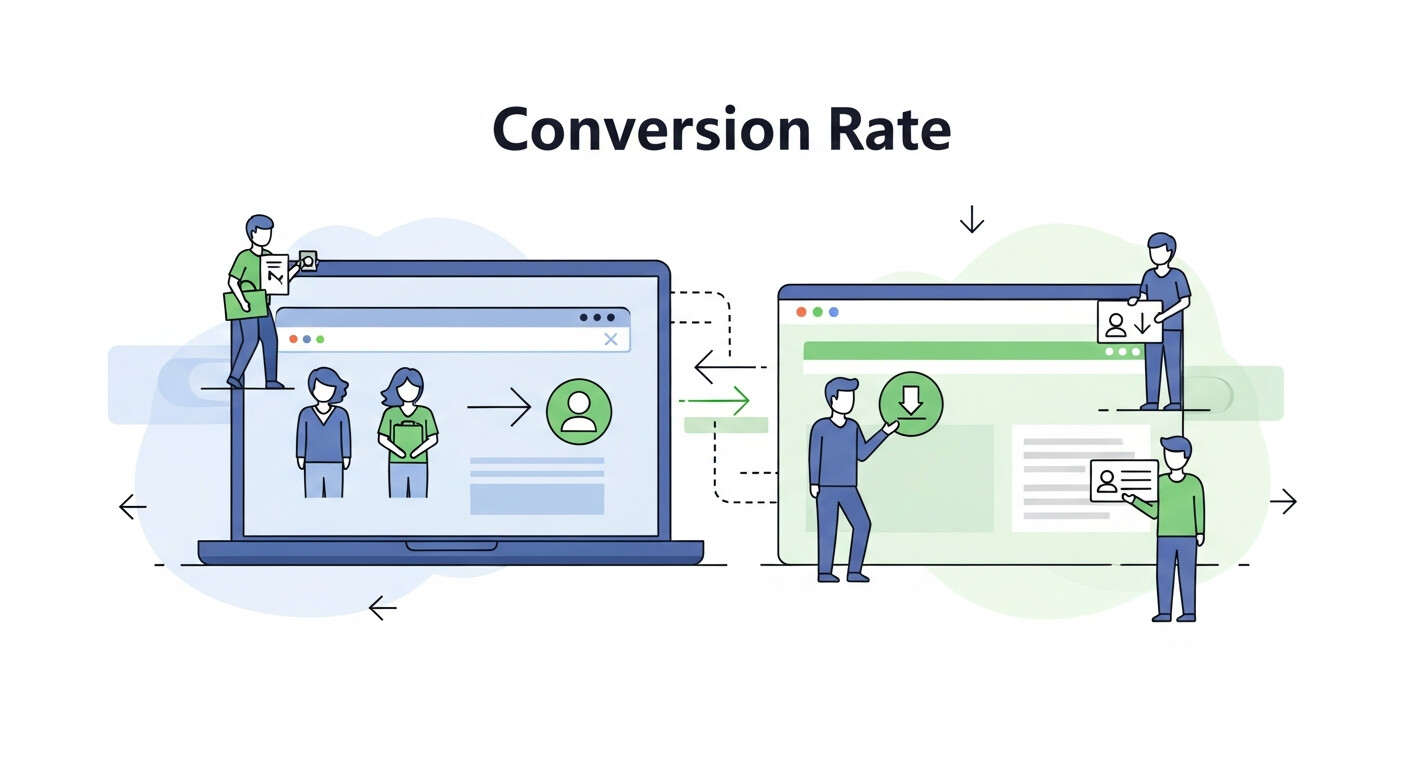
Conversion rate is the percentage of visitors who complete a desired action on your website. This action might be purchasing a product, signing up for a newsletter, downloading a resource, or filling out a contact form. High conversion rates mean you’re effectively engaging your audience, driving them to act on the value you provide.
Why does it matter? A strong conversion rate directly impacts revenue, customer acquisition costs, and overall business growth. Even a small bump in your conversion rate can lead to measurable gains in profitability.
For example, if your site receives 10,000 visitors each month and has a 2% conversion rate, you’ll gain 200 conversions. Increasing that rate to 3% means 300 conversions, a 50% increase with the same traffic.
Effective ways to improve your conversion rate start with understanding what conversion rate actually is. If you want a deeper dive into strategies and best practices, check out SEO Conversion Rate Optimization: Your Complete Guide to Success for actionable insights that can help you maximize engagement and conversions on your website.
Strategies to Improve Your Conversion Rate
Unify with a Clear and Compelling Value Proposition
Your value proposition shows why a customer should choose your product over competitors. A clear, unique message on your homepage or landing pages immediately communicates your brand’s benefits. Using a strong value proposition is one of the most effective ways to improve your conversion rate, as it builds trust and guides visitors to take action.
For example, instead of “Welcome to Our Store,” try “Quality Handmade Furniture Delivered to Your Doorstep in Days.” This highlights benefits and encourages users to convert.
Optimize Your Website’s User Experience (UX)
No one likes a website that is slow, confusing, or cluttered. A poorly designed site frustrates visitors and increases the likelihood they will leave without taking action. On the other hand, a well-designed, intuitive website encourages engagement, builds trust, and guides users toward conversion. Optimizing your site’s usability is one of the most effective ways to improve your conversion rate, as it removes barriers that prevent visitors from completing desired actions. If you want to take your optimization efforts further, learning how to master conversion rate analysis can provide deeper insights into user behavior and help you make data-driven improvements.
Key steps to enhance user experience include:
- Simplify navigation: Make menus clear and intuitive so visitors can easily find what they’re looking for without confusion. A streamlined navigation reduces friction and keeps users engaged.
- Optimize load times: Ensure your pages load in under 3 seconds. Slow-loading websites frustrate users and lead to higher bounce rates, directly impacting conversions.
- Ensure mobile-friendliness: With more users browsing on mobile devices, a responsive design ensures your site looks and functions well on any screen. Mobile optimization is a critical factor in increasing conversions.
- Reduce distractions with a clean design: Minimize unnecessary pop-ups, cluttered sections, and excessive content. A focused, visually appealing layout highlights your value proposition and calls-to-action, guiding users toward taking action.
By prioritizing these aspects of user experience, you implement some of the most effective ways to improve your conversion rate, making your website not only visually appealing but also optimized for performance and engagement.
Use High-Quality Visual Content
Visually appealing content is a powerful tool to make your product or service feel more trustworthy, credible, and desirable. High-quality images, videos, and user-generated content help visitors understand your offerings quickly and see the real value, which builds confidence and encourages them to take action. Leveraging visuals strategically is one of the most effective ways to improve your conversion rate, as it enhances engagement and reduces hesitation.
For example, adding a product demonstration video to your landing page allows potential customers to see your product in action, understand its benefits, and visualize themselves using it. According to research from Eyeview Digital, including such videos can increase conversions by up to 80%. Beyond videos, consider incorporating:
- Professional photos: Show your products from multiple angles and in real-life settings.
- User-generated content: Share customer photos, testimonials, or reviews to build social proof.
- Infographics or explainer visuals: Make complex information easy to digest and visually engaging.
By combining high-quality visuals with compelling messaging, you provide a richer, more persuasive experience for visitors, making this approach one of the most effective ways to improve your conversion rate and boost overall engagement.
Leverage Strong Call-to-Actions (CTAs)
Your call-to-actions (CTAs) play a pivotal role in guiding visitors toward completing desired actions on your website. To be effective, a CTA must stand out visually, convey urgency, and clearly communicate the benefit users will receive. Generic phrases like “Click Here” don’t inspire action or convey value. Instead, use clear, actionable language such as “Start Your Free Trial Now”, “Get 20% Off Today”, or “Claim Your Free Guide” to encourage immediate engagement.
Optimizing CTAs is one of the most effective ways to improve your conversion rate, as it directly influences how many visitors take meaningful actions on your site. Even small improvements to wording, placement, or design can lead to significant gains in conversions.
Best practices for high-performing CTAs include:
- Use contrasting colors: Make buttons visually distinct from the rest of the page so they capture attention immediately.
- Place CTAs above the fold: Ensure the most important CTAs are visible without requiring users to scroll.
- Use action-oriented language: Focus on benefits and outcomes, telling users exactly what they gain by clicking.
- Test placement and wording: Conduct A/B testing to see which CTA designs, colors, or phrases drive the most conversions.
By implementing these strategies, you create compelling CTAs that guide visitors naturally through your site, reduce friction, and serve as one of the most effective ways to improve your conversion rate
Streamline the Checkout Process
One of the most common reasons e-commerce sites struggle with conversions is a clunky, confusing, or lengthy checkout process. If your visitors encounter too many steps, mandatory account creation, or hidden costs, they are far more likely to abandon their carts. Streamlining the checkout experience is crucial and is considered one of the most effective ways to improve your conversion rate.
Here’s how to optimize your checkout process:
- Offer guest checkouts: Forcing users to create an account adds friction. Allowing a guest checkout option reduces barriers and speeds up the purchase process.
- Minimize form fields: Ask only for essential information. Every extra field increases the chances of drop-offs, so keep the form simple and user-friendly.
- Display upfront costs: Be transparent about shipping, taxes, and any additional fees before the final step. Hidden charges often lead to cart abandonment.
Research from the Baymard Institute shows that 17% of users abandon their carts due to overly long or complicated checkout forms. By simplifying this critical step, you not only enhance the user experience but also significantly increase the likelihood of completing a sale. Prioritizing a smooth, fast, and transparent checkout process is therefore one of the most effective ways to improve your conversion rate and boost overall revenue.
Show Social Proof
Social proof builds trust and reduces hesitation. Highlight testimonials, reviews, endorsements, and case studies. For instance:
- Display star ratings on product pages.
- Showcase customer success stories.
- Include how-many-sold metrics (e.g., “25,000+ happy customers”).
Personalize the User Experience
Personalization can boost conversions by tailoring messages, recommendations, and offers to each user’s preferences or behavior. Amazon and Netflix excel at this by using personalized recommendations to keep users coming back.
Tips for personalizing:
- Use dynamic landing pages that adapt based on user data.
- Send personalized emails and offers based on past activity.
- Add product suggestions like “You might also like…”
Utilize A/B Testing
Don’t guess what works. A/B testing allows you to compare two versions of a web page, email, or ad to see which performs better.
For example, you might test:
- CTA buttons (“Get Started” vs. “Sign Up Now”)
- Landing page headlines
- Color schemes or layouts
Regular testing ensures that you’re continuously optimizing your strategy.
Offer Guarantees and Risk-Free Trials
Reduce the perceived risk of trying your product by offering money-back guarantees, free trials, or easy return policies. For example, “30-Day Risk-Free Returns” ensures potential customers they have nothing to lose.
Leverage Retargeting Campaigns
Most visitors won’t convert on their first visit. Retargeting campaigns follow these users across platforms with reminders or exclusive offers. Platforms like Google Ads or Facebook Ads make retargeting seamless.
For instance, show ads for items within a user’s abandoned cart, paired with a message like, “Still thinking about [Product Name]? Enjoy 10% off if you complete your purchase today!” To better understand the strategies behind boosting conversions and why retargeting works, check out What is Conversion Rate Optimization? A Complete Definition and Guide for a comprehensive overview.
Bonus Tip: Use Analytics to Track and Refine
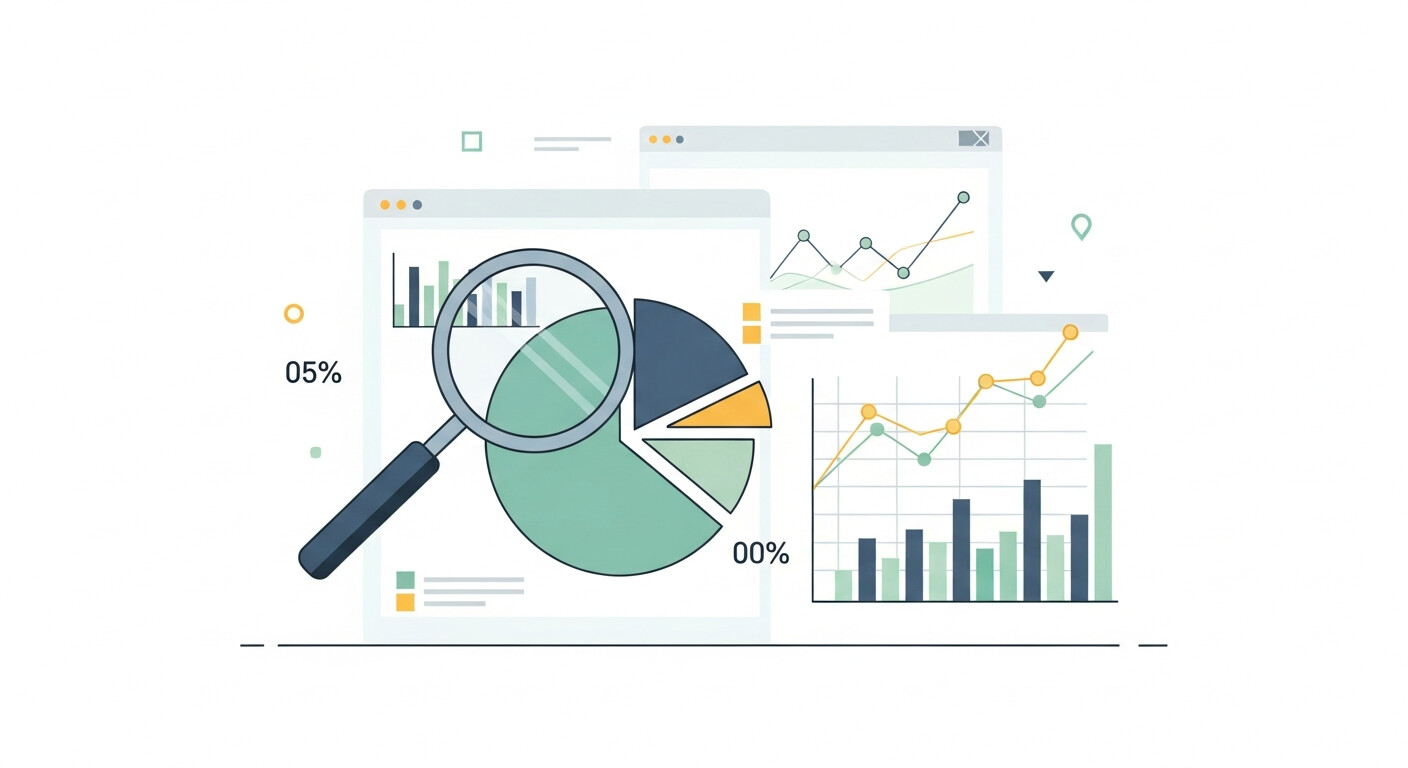
To effectively identify and address conversion bottlenecks, rely on analytics tools like Google Analytics or Hotjar. Track metrics such as:
- Bounce rate
- Time on site
- Drop-offs in conversion funnels
Analytics give valuable insights into what’s working and what’s not, allowing for more data-driven optimizations.
Final Thoughts on Boosting Conversions

Improving your conversion rate isn’t a one-time task; it’s an ongoing process that requires continuous testing, careful analysis, and consistent adaptation. By implementing effective ways to improve your conversion rate, you can systematically identify what works for your audience, refine your website experience, and optimize each step of the user journey. Focusing on core elements such as value, usability, personalization, and trust ensures that visitors feel confident engaging with your site, ultimately driving meaningful actions and long-term results.
Whether you’re managing an online store, running a SaaS business, or maintaining a content-focused website, applying just a few effective ways to improve your conversion rate can make a substantial impact on your performance. Even small adjustments—like simplifying your checkout process, improving CTA visibility, or adding personalized product recommendations—can lead to measurable increases in conversions and revenue.
Additionally, while improving conversion rates often emphasizes user behavior and website optimization, the concept of micro learning provides complementary insights. Delivering information in small, impactful units can enhance attention, retention, and engagement, creating a more interactive experience for visitors. To learn more about this approach, check out Micro Learning for Engagement and Retention, which explains how micro learning techniques can be applied to maximize engagement. Combining these techniques with effective ways to improve your conversion rate helps create a user-focused strategy that encourages both immediate actions and long-term loyalty.
By continuously applying these strategies, analyzing results, and adjusting your approach, you can ensure that your website doesn’t just attract visitors but actively converts them into customers, subscribers, or engaged users—maximizing the full potential of your online business.
Frequently Asked Questions (FAQs)
What is a conversion rate?
A conversion rate is the percentage of visitors who complete a desired action on your website, such as making a purchase, signing up for a newsletter, downloading a resource, or filling out a contact form. It’s a key metric to measure how effectively your site encourages users to take action.
Why is conversion rate important?
Conversion rate directly impacts revenue, customer acquisition costs, and overall business growth. Even small improvements in your conversion rate can lead to significant increases in profitability without needing additional traffic.
What are effective ways to improve your conversion rate?
Effective ways to improve your conversion rate include:
- Creating a clear and compelling value proposition
- Optimizing website usability and navigation
- Using high-quality visuals and videos
- Implementing strong, actionable CTAs
- Streamlining checkout or signup processes
- Leveraging social proof like reviews and testimonials
- Personalizing user experiences
- Conducting A/B testing
- Offering risk-free trials or guarantees
- Running retargeting campaigns
How can A/B testing help increase conversions?
A/B testing allows you to compare two versions of a webpage, email, or ad to see which performs better. This helps you make data-driven decisions, ensuring that your website elements—like headlines, CTAs, or layouts—are optimized for maximum conversions.
How does personalization improve conversion rates?
Personalization tailors content, offers, and recommendations to individual users based on their behavior, preferences, or past interactions. Personalized experiences, such as product suggestions or dynamic landing pages, can significantly boost engagement and conversion rates.
What role does social proof play in conversions?
Social proof, such as customer reviews, testimonials, or success stories, builds trust and reduces hesitation. When potential customers see that others have had positive experiences, they’re more likely to take the desired action.
Why is website speed and mobile optimization important for conversions?
A fast, mobile-friendly website enhances user experience, reduces bounce rates, and increases the likelihood that visitors will complete desired actions. Slow or unresponsive sites can lead to lost conversions.
How often should I review and optimize my website for conversions?
Conversion rate optimization is an ongoing process. Regularly analyzing data, updating content, refining UX, and testing strategies ensures your website continues to convert visitors effectively over time.
What analytics tools can help track conversion rates?
Tools like Google Analytics, Hotjar, Mixpanel, or Crazy Egg can track user behavior, identify drop-offs in conversion funnels, and highlight areas for improvement. Data-driven insights make effective ways to improve your conversion rate easier to implement.
Can guarantees or free trials really boost conversions?
Yes! Offering money-back guarantees, free trials, or easy return policies reduces perceived risk, making users more likely to take action and become paying customers.