

Creating high-converting landing pages is essential for turning visitors into leads or customers. By understanding how to create landing pages with clear goals, compelling visuals, and strong CTAs, marketers can maximize conversions. Continuous testing and optimization ensure every page delivers measurable results.
How to Create Landing Pages That Actually Convert
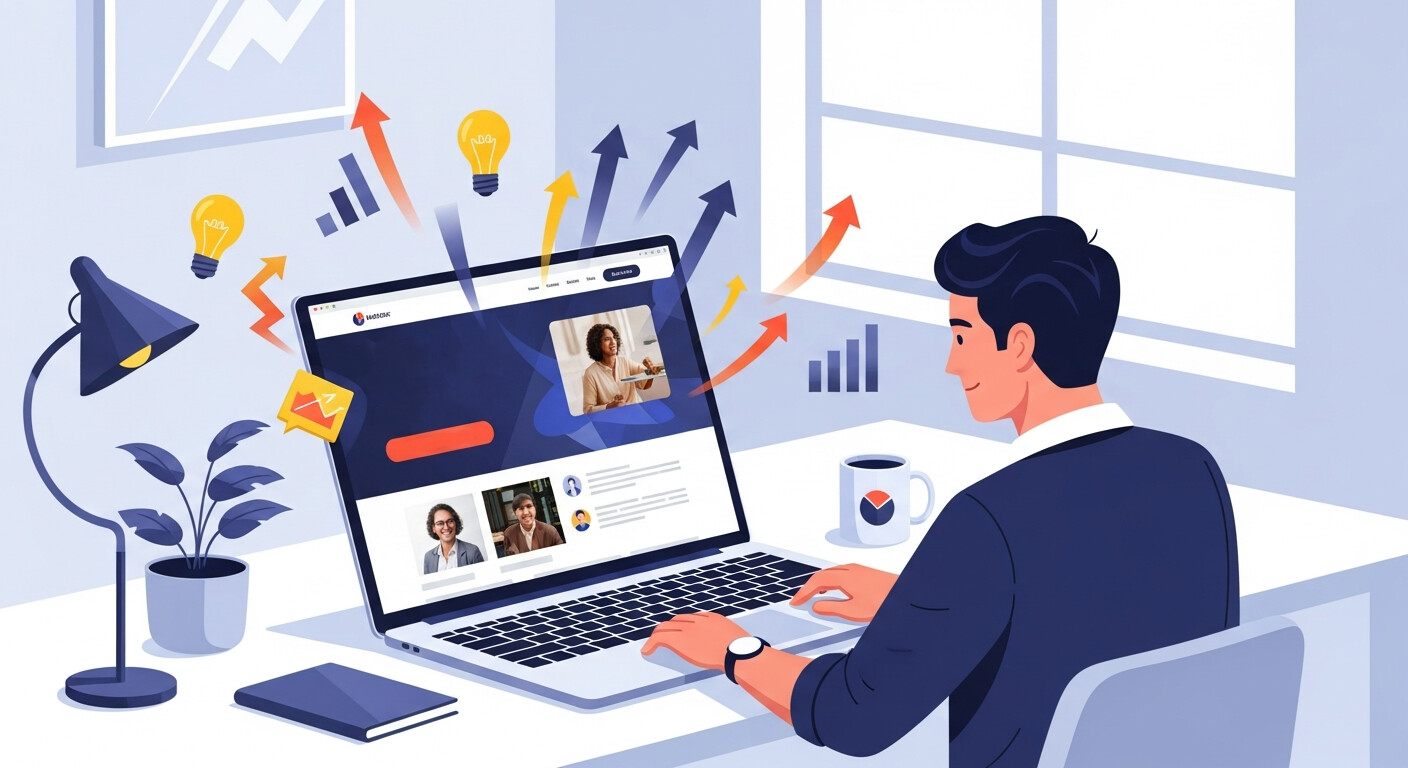
Visitors stay and become a lead or customer with careful design; if things are haphazard, they just glance through the page and go. As an internet marketer wanting to build your mailing list, promote a digital product, or acquire users for a service, the landing page is central to transforming clicks into meaningful action. With higher conversion rates in mind, we will guide you through designing, optimizing, and testing landing pages effectively. Understanding how to create landing pages that capture attention and drive results is essential for every online business.
What’s a Landing Page
A landing page is a dedicated web page designed specifically to capture leads or drive a particular action, such as signing up for a newsletter, downloading a free resource, or making a purchase. Unlike a homepage, which serves multiple purposes and links to many sections of your website, a landing page focuses on one clear objective—guiding the visitor toward completing that action. It removes distractions, emphasizes a compelling offer, and uses persuasive elements like headlines, visuals, and call-to-action buttons to maximize conversions.
For marketers looking to grow their email list, sell digital products, or acquire users for a service, understanding how to create landing pages that convert is essential. A well-crafted landing page acts as a bridge between your marketing campaigns and tangible results, ensuring that every click, ad, or social media post leads visitors toward meaningful engagement with your brand. By strategically designing and optimizing landing pages, businesses can improve conversion rates, generate higher-quality leads, and ultimately drive more revenue.
Why Does Landing Page Design Matter
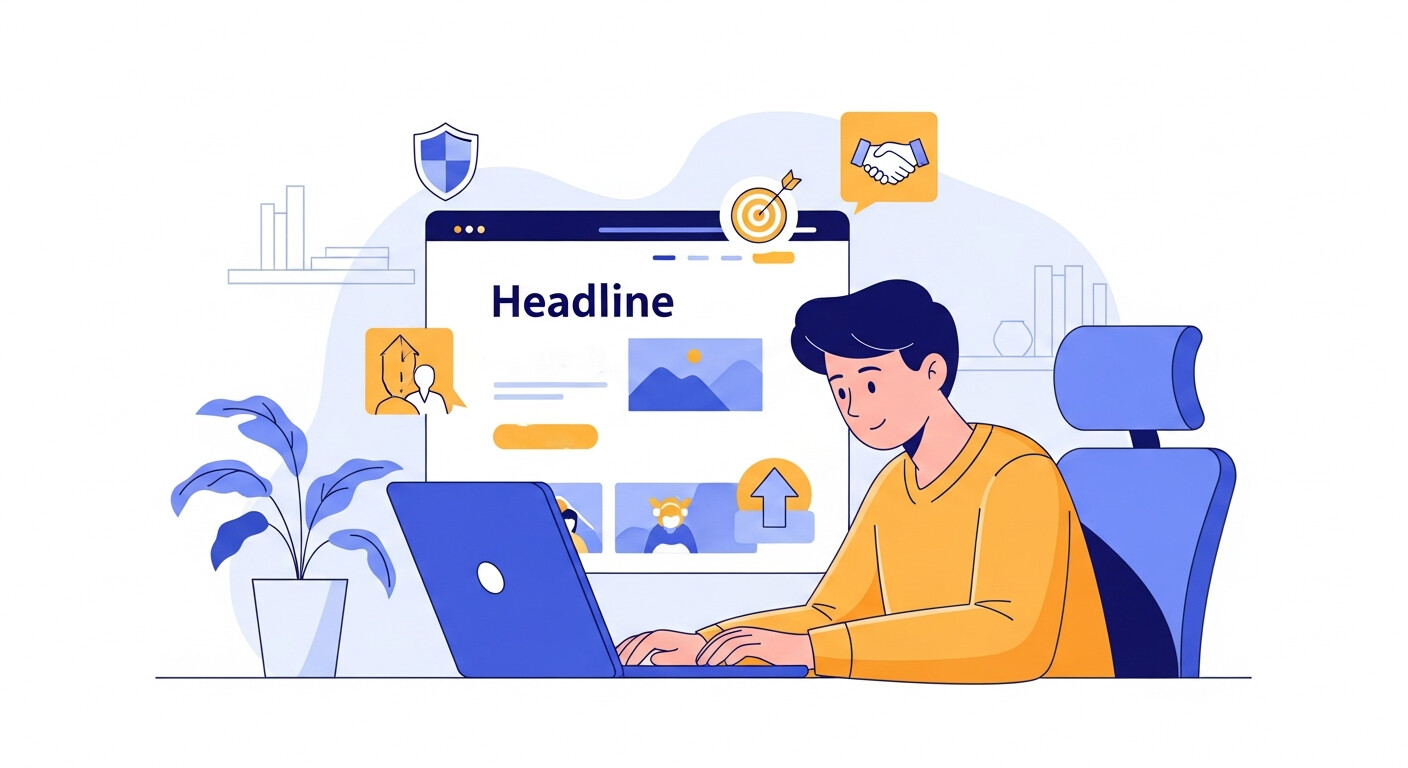
The design of your landing page can either kill it or make it. Why design is important:
-
First Impressions Count: People take 0.05 seconds on average to form an opinion about your website. A clean and beautiful design can earn trust immediately.
-
User Expectations: The layout is messy or confusing, which can have a terrible effect on users; people do not wish to stay around.
-
Usability Better: Website design influences how quickly users can get their heads around your offer and act on it.
With those two guidelines in mind, fixing up the design comes top of your priorities list.
Essential Elements of an Effective Landing Page
A Catchy Headline
The headline is the first thing visitors notice when they land on your page, and it plays a pivotal role in capturing their attention. Its primary mission is to communicate the core benefit of your offer immediately and clearly. A strong headline should answer the visitor’s unspoken question: “What’s in it for me?”
Engage visitors with a headline that is simple yet compelling, highlighting the unique value of your offer. Headlines focusing on benefits, outcomes, or solutions for the visitor reduce bounce rates. For more tips on persuasive copy and design, check Top CRO Strategies to Boost Your Conversion Rates.
Bringing Things to Life with Visuals
It also adds hierarchy and definition to your page design. This is called ‘chunking’ and is a really effective addition for headlines, using the larger font-size available in static web design images or videos makes a huge difference. If they’re high-quality too, then user engagement will be of course even further enhanced!
Use images or videos that show your product’s value or application.
Avoid stock photos that look like they’ve been randomly thrown in; it’s much better to choose action shots and stills for an individual feel.
Nice Big Call-to-Action Button Classical CTA
Your call-to-action is the heart of your landing page—it directs visitors toward the action you want them to take. A clear, bold CTA eliminates confusion and gives users a straightforward path, whether it’s “Buy Now,” “Get Your Free Guide,” or “Sign Up Today.”
Use active, persuasive language and complement your CTA with design elements like a contrasting color or prominent placement to make it stand out. Consider using whitespace around the button to draw attention. A strong CTA, combined with clear value messaging, often drives the biggest impact on conversion rates.
Pro tip: Use active language and don’t forget to coat your CTA buttons with a dash of color.
Language Must Be Concise and to the Point
The copy should communicate your offer quickly and effectively. Focus on benefits rather than features. Breaking long paragraphs into bullet points, using subheadings, and emphasizing key phrases improves readability. For actionable writing tips, refer to Conversion Tips for Business.
Breaking long paragraphs into bullet points, using subheadings, and emphasizing key phrases makes the page easier to scan. Every word should contribute to persuading the visitor to act, reducing friction and guiding them toward your CTA.
Social Proof
Trust is one of the most important factors influencing conversions. Social proof—such as testimonials, reviews, ratings, client logos, or success stories—helps validate your offer and reassure visitors. People are more likely to take action when they see that others have successfully benefited from your product or service. Including authentic social proof on your landing page can dramatically improve credibility and drive engagement.
Simplistic Design
Keep your landing page clean and free from distractions. If you have too many photos or videos, or even just a lot of text then viewers will become overwhelmed. The primary aim of your page should be tangible to its users. Ask yourself: Is there anywhere I can simplify my copy, layout, or navigation?
Mobile Is Where It’s at Now
With a majority of users accessing the web via mobile devices, responsive design is no longer optional—it’s essential.A mobile-optimized landing page ensures that buttons are tappable, text is legible, and visuals scale correctly across screen sizes. For insights on mobile-focused strategies, check small business digital marketing strategies.
Test your landing pages on multiple devices, including smartphones, tablets, and desktops, to ensure consistency in both appearance and functionality. A seamless mobile experience not only improves usability but also strengthens your brand perception and conversion potential.
Optimization Tips for Higher Conversion Rates
Having a visually appealing landing page is only the first step—optimization is what unlocks its full potential. Even a well-designed page can underperform if elements like headlines, calls-to-action, or layout are not tested and refined. Optimization involves analyzing visitor behavior, experimenting with different approaches, and continuously improving the page to increase conversions.
By focusing on factors such as headline clarity, CTA placement, visual hierarchy, and page speed, you can create a landing page that not only attracts attention but also guides users seamlessly toward taking action. Small adjustments, like tweaking the wording of a button, rearranging sections, or testing different images, can have a significant impact on conversion rates. For marketers looking to maximize results, understanding how to create landing pages that are continuously optimized is key to turning more clicks into leads and customers.
Even a well-designed page can underperform without proper optimization. Analyze visitor behavior, experiment with different approaches, and refine elements continuously. Use analytics to track metrics like bounce rates, conversion rates, and time on page. Tools like How to Master Conversion Rate Optimization Marketing can guide you through this process.
A/B Testing
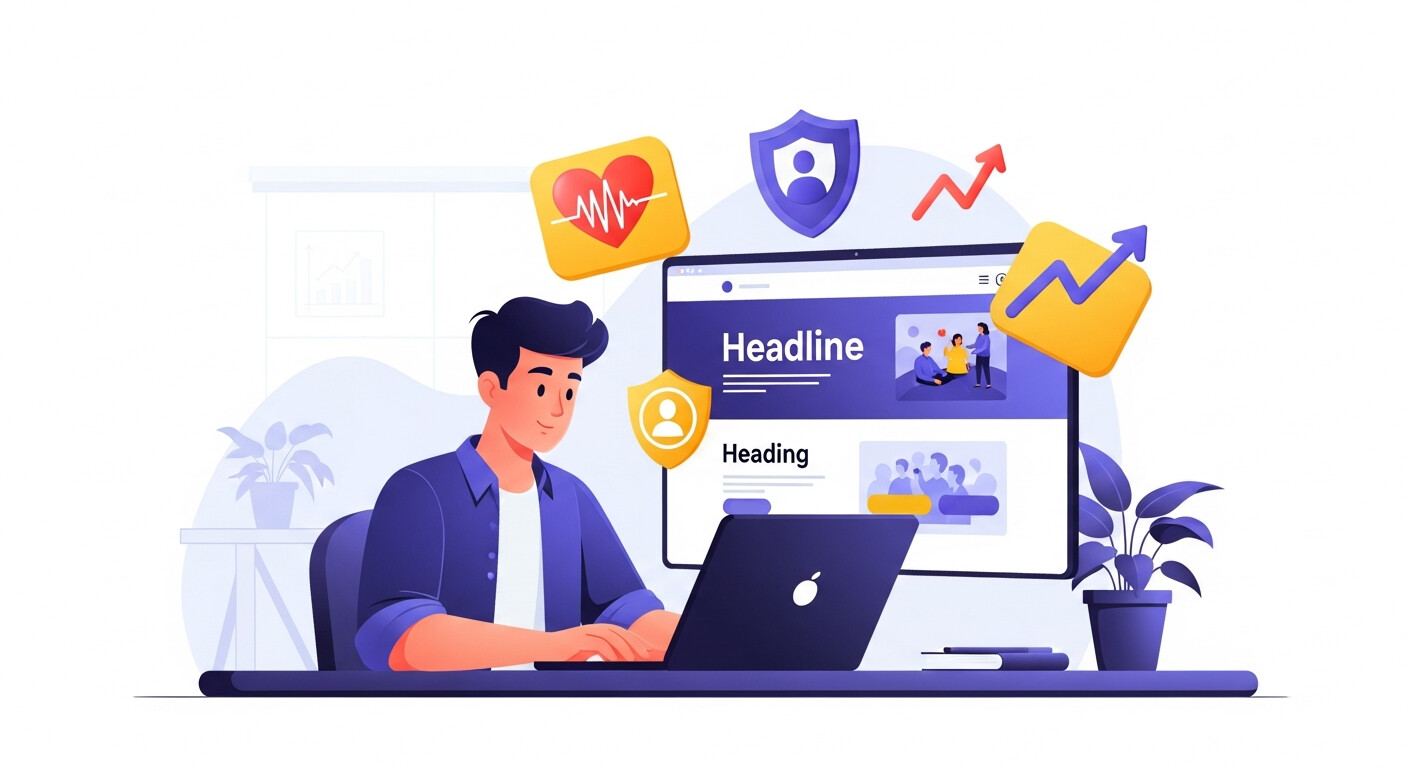
Try different versions of your landing page and see which works best. To experiment with things like headlines, CTAs, layouts or colors–and find out the impact on conversions from each experiment. Tools such as Google Optimize and Optimizely can make this process seamless.
Use Strong Analytics
Keep an eye on how your landing page is doing by using analytics tools. Pay attention to metrics like bounce rates, conversion rates and time on page. These kinds of insights indicate where improvement is needed.
Page Speed Is Key
Almost half of users abandon a website which takes longer than 3 seconds to load. Compress images, minify CSS/HTML, use a server offered by reliable vendor’s hosting to ensure that your landing pages load quickly.
Leverage Scarcity and Urgency
Phrases like “Limited Time Offer” or “Only 3 Spots Left” can induce users to act faster. Just make sure it’s genuine and not misleading.
Common Mistakes to Avoid
Even a well-designed landing page can underperform due to common mistakes. Keep an eye out for the following pitfalls:
-
Too Much Text: Overloading visitors with information can feel overwhelming. Trim the fluff and focus on essentials.
-
Lack of a Clear Goal: A landing page with too much goals can confuse users. Stick to one goal and one CTA.
-
Poor Readability: Avoid small fonts, convoluted language or poor contrast between text and background.
Examples of Great Landing Pages
Here are some brands getting it right on their landing page and what you can learn from them:
-
Dropbox: Simple, visually clean landing page with a standout CTA. Its design immediately fixes the eye on the most important thing to do–sign up.
-
Airbnb: They use aspirational images and personal details to appeal to their audience on landing pages.
-
HubSpot: Their messages are concise and highly targeted, in perfect agreement with the products they offer.
Trust-Building and Social Proof
Building trust is crucial for any landing page. Users are more likely to convert when they see evidence that others have successfully engaged with your offer. Testimonials, case studies, user reviews, and client logos are classic ways to establish credibility.
You can also use data-driven proof: for example, “Join 20,000 marketers who have grown their email list with our guide.” Adding these trust signals subtly throughout your page reinforces confidence, making visitors more comfortable taking action. This is a core principle when considering how to create landing pages that consistently convert leads into customers.
Build Your Biggest Landing Pages Win
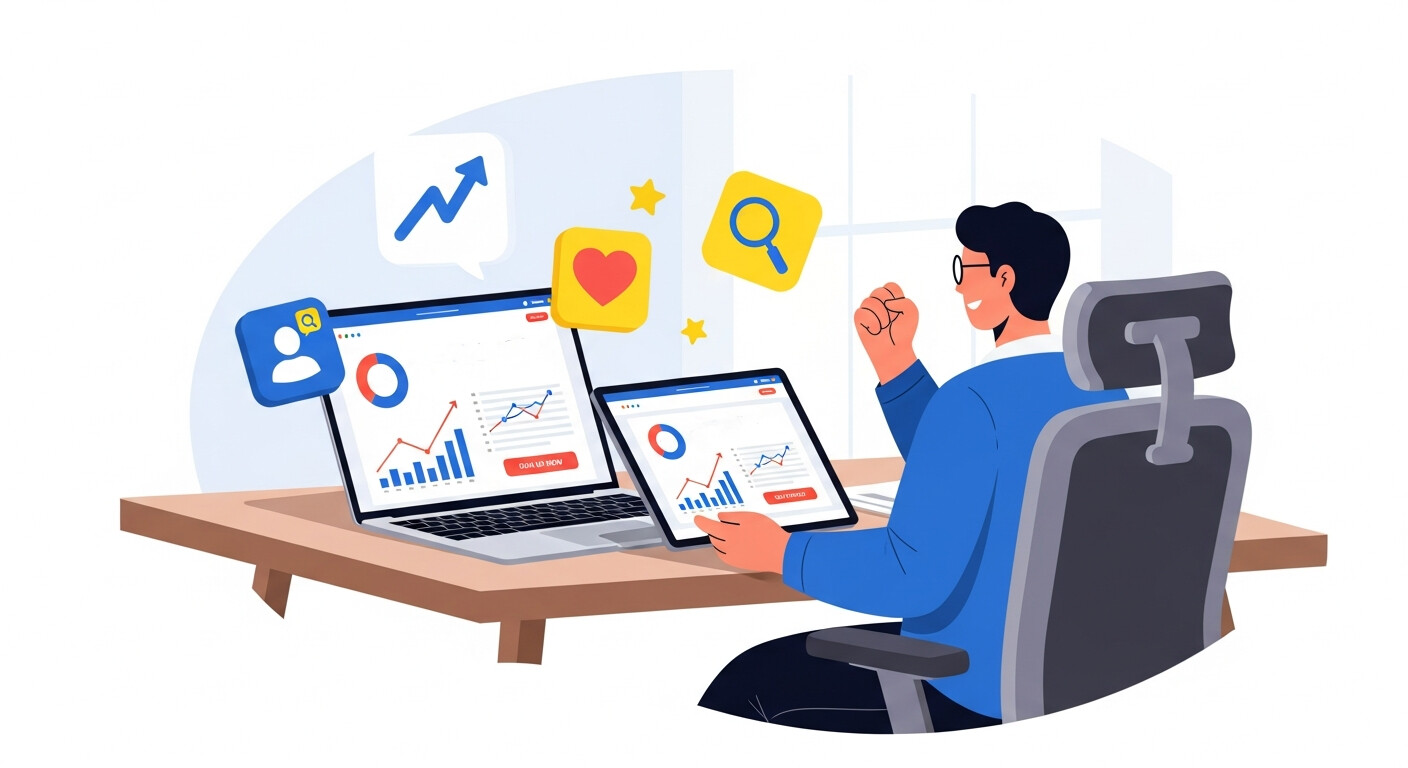
A well-designed landing page can dramatically improve your conversion rates. If you intentionally design and constantly optimize every portion, then more visitors will be converted to leads and customers.
Looking for some inspiration or tools to get started with this? Take the first step. Try A/B testing software, templates or an agency specializing in landing pages focused on conversions.
Just remember, each click on your landing page holds potential. The better the design, the nearer you’ll get to reaching your goals.
Frequently Asked Questions (FAQs)
What is the main purpose of a landing page?
A landing page is designed with a single goal: to convert visitors into leads or customers by prompting a specific action, such as signing up, downloading a resource, or purchasing a product.
How long should a landing page be?
There’s no one-size-fits-all answer. The page should provide enough information to persuade the visitor without overwhelming them. Focus on clarity, benefits, and a strong CTA.
Do images really improve conversions?
Yes, high-quality visuals that illustrate your offer, product, or benefits can significantly increase engagement and conversions. Avoid generic stock photos—they rarely build trust.
How often should I test my landing pages?
Landing pages should be continuously tested. Use A/B testing for headlines, CTAs, visuals, and layout changes to identify what resonates best with your audience.
Can mobile optimization impact conversions?
Absolutely. With the majority of web traffic coming from mobile devices, a responsive, fast-loading landing page is critical for converting visitors effectively.
What makes a landing page different from a regular webpage?
A landing page is focused on one specific goal, such as collecting leads or driving sales, while regular webpages often have multiple purposes and links. Knowing how to create landing pages that remove distractions and guide visitors toward a single action is key to increasing conversions.
How important is A/B testing for landing pages?
A/B testing is essential for optimizing conversions. By testing different headlines, images, CTAs, or layouts, you can determine which combination resonates best with your audience. Learning how to create landing pages with built-in testing strategies ensures continuous improvement.
Can I use a template to build a landing page?
Yes, templates can save time and provide a proven structure, but they should be customized for your audience. Understanding how to create landing pages that align with your brand, offer, and messaging is more effective than using a generic template without adjustments.
How do I know if my landing page is successful?
Success is measured by conversion metrics, such as sign-ups, downloads, or purchases. Monitoring analytics, bounce rates, and time on page helps evaluate performance. Learning how to create landing pages that track these metrics from the start allows for better data-driven improvements.
Should landing pages be mobile-friendly?
Absolutely. Most web traffic now comes from mobile devices, and a responsive design is crucial for conversions. Knowing how to create landing pages that look and function perfectly on smartphones and tablets ensures you don’t miss opportunities from mobile visitors.