
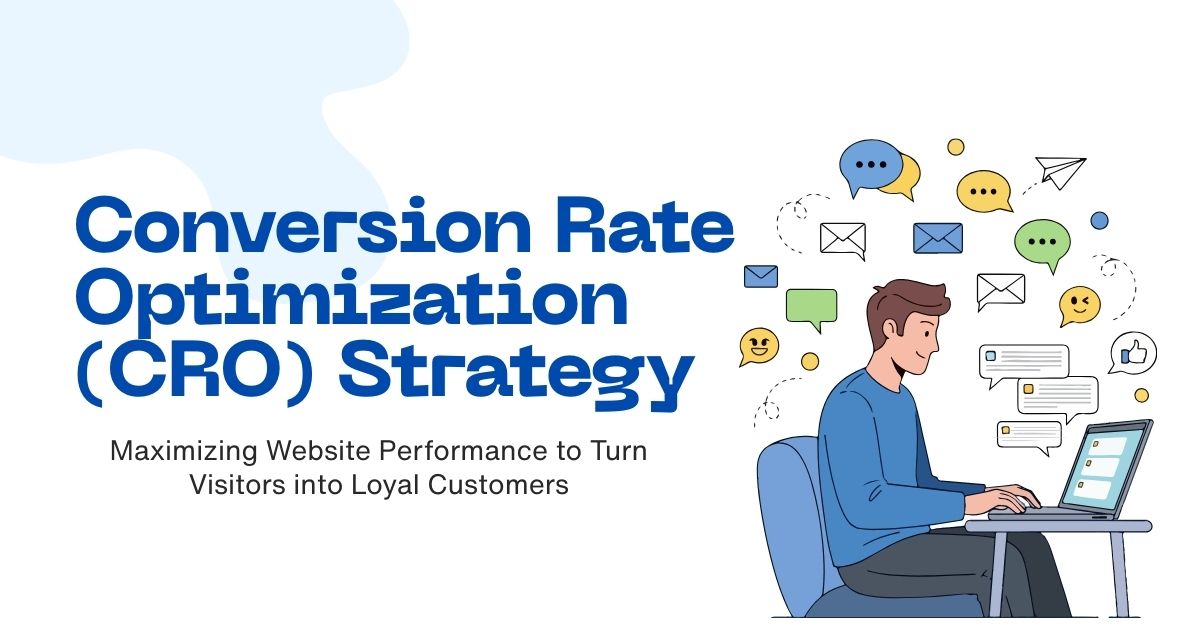
This Conversion Rate Optimization (CRO) Strategy Guide explains how businesses can systematically improve website performance, user experience, and conversions. It covers data analysis, A/B testing, user behavior insights, and continuous optimization for measurable results. By following this guide, companies can boost ROI, reduce friction, and turn more visitors into loyal customers.
Understanding the Psychology Behind Conversions

A successful Conversion Rate Optimization (CRO) Strategy Guide is not only about data and testing but also about understanding human behavior. Every click, scroll, and action taken by a visitor is influenced by psychological triggers such as trust, urgency, clarity, and perceived value. When users land on a website, they quickly decide whether to stay or leave based on how clearly the message resonates with their needs. Elements like social proof, testimonials, guarantees, and clear value propositions reduce uncertainty and build confidence. By aligning your website experience with user expectations and motivations, your CRO program becomes more effective and produces consistent, measurable improvements.
Post navigation
What Is a Conversion Rate Optimization Program?
Conversion rate optimization (CRO) is a strategic approach aimed at increasing the percentage of website visitors who complete a desired action, whether that’s making a purchase, signing up for a newsletter, requesting a demo, or any other meaningful engagement. Rather than focusing solely on driving more traffic to your site, CRO prioritizes making the most of the visitors you already have, turning casual browsers into loyal customers through improved user experience, clear messaging, and data-driven design decisions.
A conversion rate optimization program goes beyond ad-hoc changes—it is a systematic, structured process. It typically involves careful pretreatment testing, including quality assurance (QA) and quality control (QC), to ensure that all site elements function correctly and provide a seamless user experience. Advanced programs may also use predictive models or “black-box” algorithms to anticipate user behavior, combined with real-time implementation of changes based on testing results. By continuously analyzing data, testing hypotheses, and refining user interactions, a CRO program ensures that optimization is an ongoing process rather than a one-time fix.
Ultimately, a well-executed conversion rate optimization program relies on evidence, not guesswork. By applying science, psychology, and rigorous data analysis, your website can become a central point in the user experience—guiding visitors toward actions that benefit both them and your business. This approach transforms a website from a static informational space into a dynamic engine for engagement and growth.
Core Elements of CRO Programs
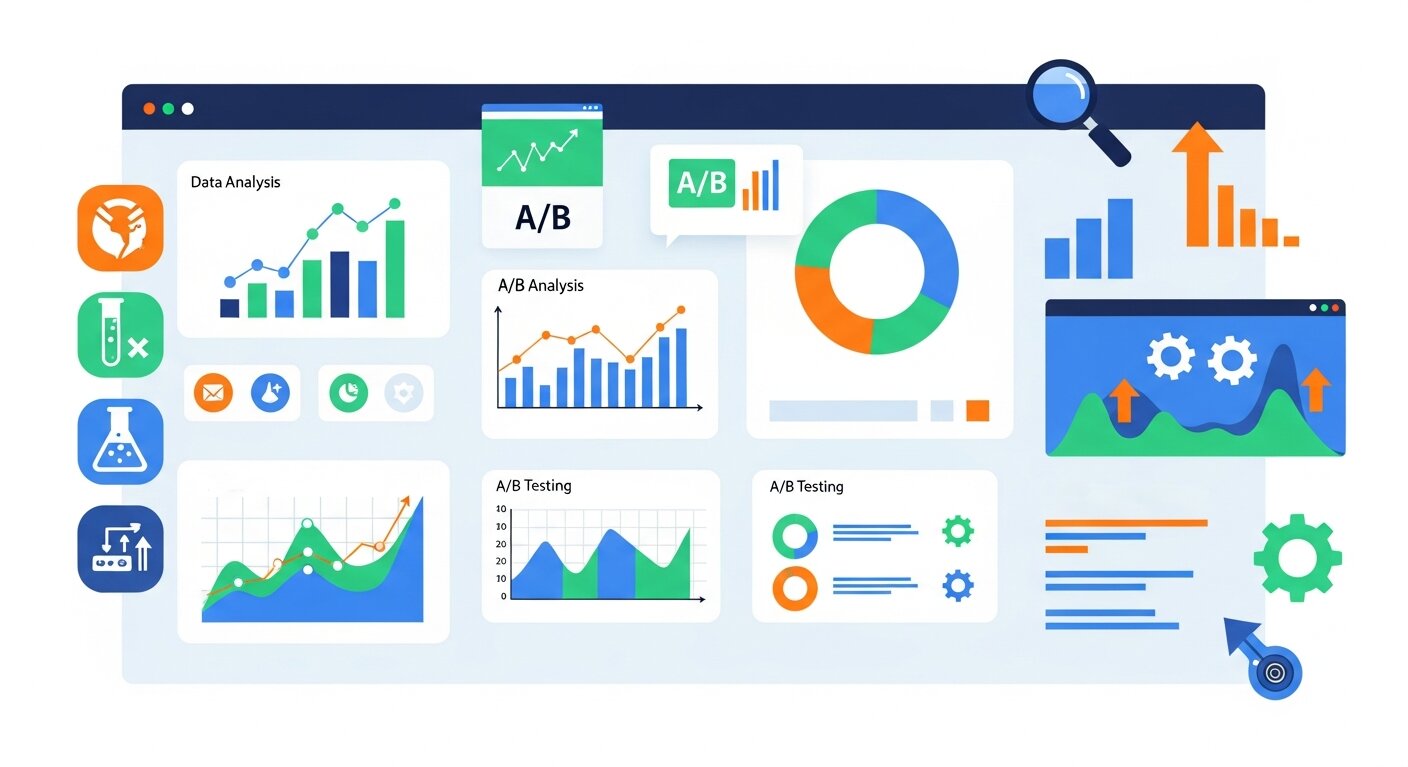
The Following Foundational Elements Underlie Effective CRO Attempt
- Quantitative and qualitative data analysis
Data on user behavior is picked up by tools such as Google Analytics while heatmaps and customer surveys tell us why they behave that way. You can explore advanced tools in Best CRO Tools for Affiliates to Boost Conversions. - Systematic experiment
A/B testing website changes allows businesses to understand what really matters to their audience. - Making improvements
CRO is an ongoing process. Regular optimization ensures your site continues to perform well in an evolving digital landscape.
Why CRO Programs Are Essential for Businesses Nowadays:
- ROI Increase with Return Improvement
Improve conversion rates and ROI could grow immeasurably. CRO can help you obtain more value from the same traffic, rather than incurring extra costs.
Example:
Your website has 10,000 visitors a month. the conversion rate is 2%, and there are 200 conversions. A CRO program raises the rate to 3%. With an unchanged number of visitors, you now receive 300 conversions. Without having spent a single dollar extra on attracting traffic, that’s 50% gain over previous results. - Enhance User Experience
A CRO program helps detect the friction points that keep users from performing desired actions. Smooth navigation and speed in processes lead to greater customer satisfaction. Learn how personalized data-driven marketing works to further enhance UX. - Gain Competitive Advantage
Companies that practice CRO consistently outperform businesses in their field by increasing site performance and adapting to market demands. Your carefully refined CRO process means competitors who may concentrate only on traffic generation are best left behind. - Data-Driven Decision Making Means Better Decisions
CRO programs make hypotheses that can be measured. You won’t be stymied by a million signal-to-noise problems but base decisions on what’s empirically provable to work, not the poor advice of so-called gurus.
Designing a Successful CRO Program
Here’s a six-step process to help get you started:
Conduct a Current Performance Audit
Review the current website performance before you optimize. Check out your bounce rates, much loved pages, abandoned cart stats and user behaviour on-site. Identify any obstacles standing in the way of more business or where improvements can be made.
Tools used:
- Google Analytics
- Tools like Hotjar or Crazy Egg to see maps of heat
- Customer polls through Typeform and Google Forms
Define Tangible Goals and Sources of Income
Measurement is essential for CRO success. We need to identify clearly-defined goals that are achievable in order to promote conversion rates.
Typical objectives include:
- Increasing the rate at which people click on a call-to-action (CTA) button
- Reducing abandonment rates for shopping carts
- Improving average visit duration of site
Make sure these goals align with larger corporate aims – whether that is revenue growth, lead generation, or increased user engagement.
Establish User Personas for Conversion Optimization
If you want to improve conversions, you also need to understand your audience better. What drives them? What problems are they trying to get rid of?
Develop very detailed user personas that delineate their requirements, demographics and behavioural patterns. These can guide your test and design choices.
Element Testing Using A/B Tests
A/B testing compares two versions of the same element on a page (such as button colour, headline, layout) to see which performs better.
Try tests on features such as:
- Headlines or writing
- The form and position of CTAs
- Page layout and decoration
- Images and videos
Utilize instruments like Optimizely, VWO, Google Optimize to handle split tests.
Make Adjustments and Oversee the Results
Having collected information, implement changes that lead to better conversions. Always monitor how things are really going, to ensure the changes line up with the long-term CRO goals.
Keep Moving On
CRO is not just about tweaking a few things forever. Businesses evolve, users change and markets move. Regular evaluations help you keep your CRO strategy up-to-date and effective.
Metrics Companies Use to Track CRO Success
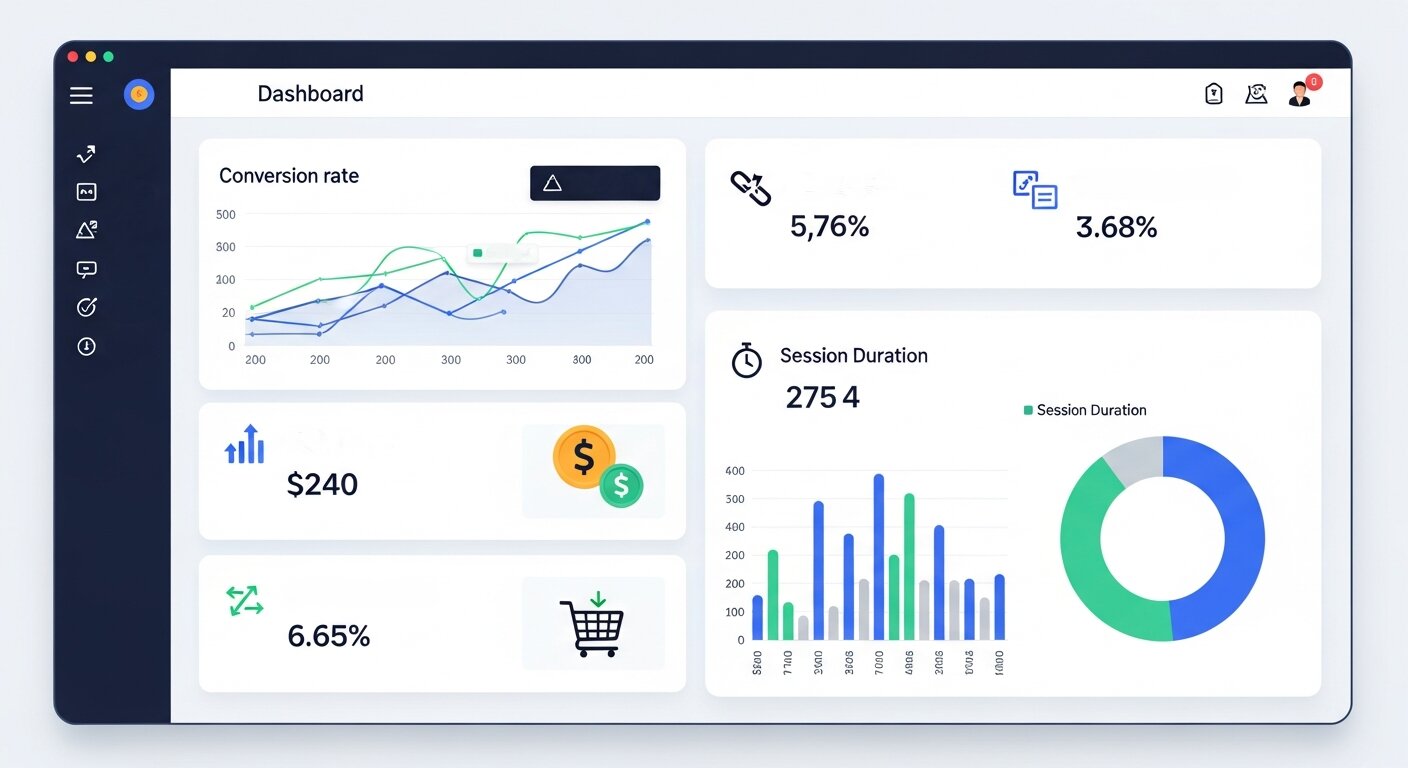
It’s not about making changes and hoping for the best; CRO is evidence-based. Key metrics include click-through rate (CTR), bounce rate, average session duration, cart abandonment rate, and page load time. Regularly reviewing these metrics means transparency in the optimization process.
For detailed metric tracking tips, check How to Calculate Conversion Rate Optimization.
Key metrics to keep an eye on include:
- Click-through rate (CTR)
- Bounce rate
- Average session duration
- Cart abandonment rate
- Page load time
Regularly reviewing these metrics means transparency in the optimization process.
Examples of Successful CRO
The Exploding Tips Newsletter
The Exploding Tips newsletter managed to achieve a remarkable 28% increase in sign-ups by implementing a single, targeted change—adding social proof to its landing page. By including a clear statement like “Join 70k+ marketers”, the team immediately built trust and credibility, signaling to potential subscribers that the newsletter was widely respected and valuable. Beyond simply adding this line, the team also ensured that the sign-up form was prominently visible, the copy was concise and benefit-driven, and the call-to-action (CTA) clearly communicated the value of subscribing. This combination of social validation and user-centric design reduced hesitation among visitors, encouraged more sign-ups, and highlighted how small, thoughtful adjustments can have a major impact on conversion rates without requiring additional traffic or ad spend.
Optimization of an E-commerce Site
An online e-commerce store successfully reduced its cart abandonment rate by 15% through a series of data-driven improvements. By analyzing user behavior and collecting feedback, the team identified key pain points in the checkout process: a complicated form, mandatory account creation, and unclear shipping information were discouraging potential buyers. To address this, the store implemented a guest checkout option, simplified form fields, and made shipping costs and delivery times transparent before checkout. A/B testing was conducted to compare the new checkout flow with the previous one, confirming that these changes made the purchasing process faster, smoother, and more user-friendly. The results were significant: more visitors completed their purchases, overall sales increased, and customer satisfaction improved. This case demonstrates that even minor, carefully targeted tweaks—grounded in user data—can lead to substantial improvements in conversion and revenue.
The Future of Conversion Rate Optimization

As technology continues to advance, conversion rate optimization is evolving into a more intelligent, automated, and user-centric discipline. Modern tools powered by artificial intelligence and machine learning can now analyze vast amounts of behavioral data, identify hidden patterns, and predict user intent with remarkable accuracy. This allows businesses to deliver highly relevant experiences in real time, adjusting content, layout, and offers based on how users interact with a website. Predictive analytics is also helping companies anticipate customer needs before they are explicitly expressed, enabling proactive engagement rather than reactive optimization.
Modern tools powered by AI and machine learning can now analyze vast amounts of behavioral data, predict user intent, and optimize experiences in real time. Automation allows multiple experiments simultaneously, with deeper tracking providing a complete picture of the customer journey. Ethical data use and transparency are becoming increasingly important in future CRO strategies.
For insights on AI and automation in CRO, visit AI & Machine Learning in CRO.
At the same time, automation is transforming how experiments are conducted. Testing platforms can now run multiple experiments simultaneously, allocate traffic dynamically, and automatically implement winning variations, significantly reducing manual effort and human error. Deeper behavioral tracking, including scroll depth, interaction patterns, and micro-conversions, provides a more complete picture of the customer journey, allowing businesses to optimize not just for clicks, but for meaningful engagement and long-term value. As privacy standards and user expectations continue to evolve, future optimization strategies will also focus more on ethical data use, transparency, and trust-building. Businesses that embrace these technological and strategic shifts will be better positioned to create seamless digital experiences, adapt quickly to changing user behavior, and sustain consistent growth in an increasingly competitive environment.
Advance Your CRO
Conversion Rate Optimization (CRO) is about unlocking the hidden potential of your website. It’s not just about attracting more visitors; it’s about making the most of the traffic you already have by creating an experience that encourages users to take meaningful actions. By systematically analyzing user behavior, identifying friction points, and testing targeted improvements, businesses can enhance usability, streamline navigation, and deliver content and offers that resonate with their audience. The result is a smoother, more engaging user experience that naturally leads to higher conversions, stronger brand loyalty, and a measurable increase in return on investment.
Getting started with CRO begins with a comprehensive website performance audit. This means evaluating key metrics such as bounce rates, page load times, conversion funnels, and user engagement patterns to identify areas where visitors may be dropping off or experiencing friction. Tools like [Your Tool Name] can help gather this data efficiently, providing insights into what works and what needs improvement.
From there, a structured approach—setting clear goals, creating hypotheses, running A/B tests, and continuously analyzing results—ensures that every optimization effort is deliberate and effective. With the right strategy, persistence, and commitment to data-driven improvement, CRO allows businesses to transform casual visitors into loyal customers, increase revenue without additional traffic costs, and maintain a competitive advantage in today’s crowded digital marketplace.
Frequently Asked Questions (FAQ)
What is a Conversion Rate Optimization (CRO) Strategy Guide?
A Conversion Rate Optimization (CRO) Strategy Guide is a structured approach that helps businesses improve the percentage of website visitors who take desired actions, such as making a purchase or signing up. It focuses on data analysis, testing, and continuous improvement to increase conversions and ROI.
Why is a Conversion Rate Optimization (CRO) Strategy Guide important?
A Conversion Rate Optimization (CRO) Strategy Guide helps businesses maximize results from existing traffic, improve user experience, and make data-driven decisions. Instead of spending more on acquiring visitors, CRO ensures better performance from current users.
How long does it take to see results from a Conversion Rate Optimization (CRO) Strategy Guide?
Results vary depending on traffic, testing frequency, and implementation quality. Some improvements can show results within weeks, while a comprehensive Conversion Rate Optimization (CRO) Strategy Guide delivers significant long-term growth through continuous optimization.
What tools are commonly used in a Conversion Rate Optimization (CRO) Strategy Guide?
Common tools include analytics platforms, heatmaps, user behavior tracking, and A/B testing software. These tools help identify friction points, measure performance, and validate optimization strategies.
Can small businesses benefit from a Conversion Rate Optimization (CRO) Strategy Guide?
Yes, businesses of all sizes can benefit. Even small improvements in conversion rates can significantly increase revenue, making a Conversion Rate Optimization (CRO) Strategy Guide valuable for startups, e-commerce brands, SaaS companies, and marketing websites.
What is the most important factor in a successful Conversion Rate Optimization (CRO) Strategy Guide?
The most important factor is a data-driven and user-focused approach. Understanding user behavior, continuously testing improvements, and optimizing the entire conversion funnel are key to long-term CRO success.
How do you measure success in a Conversion Rate Optimization (CRO) Strategy Guide?
Success in a Conversion Rate Optimization (CRO) Strategy Guide is measured through key performance indicators such as conversion rate, click-through rate, bounce rate, revenue per visitor, and customer engagement. Consistent tracking and analysis help determine whether optimization efforts are producing meaningful improvements.
What role does A/B testing play in a Conversion Rate Optimization (CRO) Strategy Guide?
A/B testing is a core component of any Conversion Rate Optimization (CRO) Strategy Guide. It allows businesses to compare two versions of a webpage or element to identify which performs better. This ensures that decisions are based on real user behavior rather than assumptions.
Is Conversion Rate Optimization a one-time process or ongoing?
A Conversion Rate Optimization (CRO) Strategy Guide is built on continuous improvement. User behavior, technology, and market trends constantly evolve, so ongoing testing, monitoring, and refinement are necessary to maintain and improve conversion performance over time.
How does a Conversion Rate Optimization (CRO) Strategy Guide improve user experience?
A Conversion Rate Optimization (CRO) Strategy Guide focuses on removing friction, improving navigation, speeding up page load times, and delivering relevant content. These improvements create a smoother and more engaging experience, which naturally encourages users to take desired actions and increases overall satisfaction.