
Every website has a purpose—whether it’s driving sales, generating leads, or encouraging sign-ups. But what happens when your traffic numbers look great, yet the results fall flat? That’s where Conversion Rate Optimization (CRO) comes in. CRO isn’t just about attracting visitors; it’s about turning those visitors into active participants—customers, subscribers, or engaged users—without spending extra on driving more traffic.
Think of CRO as the art and science of making your website work smarter, not harder. By fine-tuning key elements like CTAs, landing pages, and user experience, you can unlock the full potential of your existing audience. The best part? It’s a cost-effective way to boost your ROI and achieve measurable results.
If you’re ready to transform your website into a conversion powerhouse, this guide will walk you through the essentials of CRO. From actionable tips to key areas of focus, you’ll learn how to optimize your site and start seeing real results.
What Does CRO (Conversion Rate Optimization) Mean?
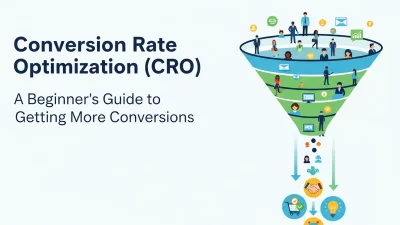
Before diving into the “how” of Conversion Rate Optimization (CRO), it’s essential to understand the “what.” CRO is the process of improving your website or landing pages to ensure that a higher percentage of visitors take a desired action. These actions could include filling out a form, making a purchase, signing up for a newsletter, or clicking on a specific button.
Breaking Down CRO with an Example
Let’s say your e-commerce website attracts 1,000 visitors in a month, and 20 of them make a purchase. Your conversion rate would be calculated as follows:
Conversion Rate = (Number of Conversions ÷ Total Visitors) × 100
In this case: (20 ÷ 1,000) × 100 = 2%
CRO focuses on increasing this percentage. For instance, by optimizing your website’s design, CTAs, or user experience, you could potentially double your conversion rate to 4%, meaning 40 purchases instead of 20, without needing to attract additional traffic.
Why CRO Matters
CRO is not just about numbers; it’s about making your website work smarter, not harder. By improving the efficiency of your site, you can achieve better results from the same amount of traffic, saving on advertising costs and maximizing ROI.
Key Areas of Focus in CRO
To improve your conversion rate, you’ll need to optimize several elements of your website, such as:
- Landing Pages: Ensure they are clear, compelling, and focused on a single goal.
- Call-to-Actions (CTAs): Make them visually distinct and action-oriented.
- Forms: Simplify them to reduce friction and encourage submissions.
- Trust Signals: Build credibility with testimonials, reviews, and security badges.
By understanding what CRO is and focusing on these key areas, you can create a more effective website that turns visitors into loyal customers. CRO is not just a one-time effort; it’s an ongoing process of testing, learning, and improving to achieve sustainable growth.
Why Conversion Rate Optimization (CRO) is Important
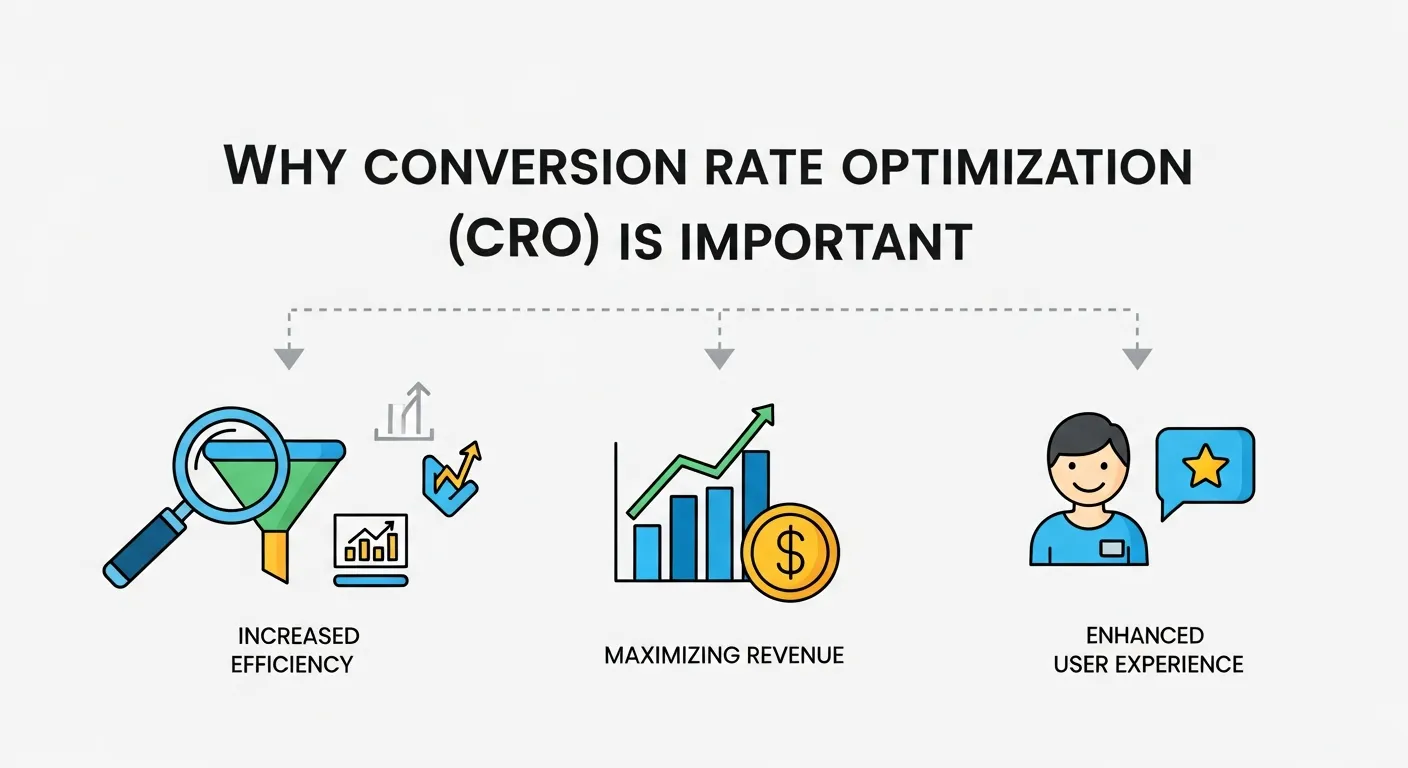
Conversion Rate Optimization (CRO) is a critical strategy for businesses looking to maximize the value of their existing website traffic. Instead of focusing solely on driving more visitors to your site, CRO ensures that the visitors you already have are more likely to take desired actions, such as making a purchase, signing up for a newsletter, or filling out a form. Here are two key reasons why CRO is essential:
1. Greater ROI
CRO allows you to achieve the highest possible returns from your current audience. By improving your website’s ability to convert visitors, you can reduce the need for expensive advertising campaigns or efforts to drive more traffic. For example, instead of spending additional resources on paid ads, optimizing your CTAs, landing pages, and forms can yield better results with the same audience. This makes CRO a cost-effective and high-efficiency measure for boosting revenue.
2. Better User Friendliness
CRO often involves making your website more user-friendly, which enhances the overall browsing experience. A well-optimized site is easier to navigate, faster to load, and more visually appealing, leading to higher user satisfaction. When visitors enjoy their experience on your site, they are more likely to trust your brand and take action, whether that’s completing a purchase or signing up for a service.
3. Call-to-Action (CTA)

CTAs are the gateways to conversions. Whether it’s a “Buy Now” button or a “Learn More” link, the design, text, and placement of CTAs play a crucial role in driving user actions. Here’s how to optimize your CTAs for better conversion rates:
- Be Clear and Concise: Use direct, action-oriented phrases like “Get Started” or “Claim Your Free Trial.” These phrases clearly communicate what the user will gain by clicking.
- Stand Out Visually: Use contrasting colors to make your CTA buttons pop. Ensure they don’t blend into the background, as this can make them easy to overlook.
- Strategic Placement: Position your CTAs above the fold to ensure they are immediately visible. Additionally, repeat them naturally throughout your content to reinforce the action you want users to take.
Quick Tip: Test different CTA wordings. For instance, “Start Free Trial” might perform better than “Sign Up Now.” A/B testing can help you determine which phrasing resonates most with your audience.
4. Landing Pages
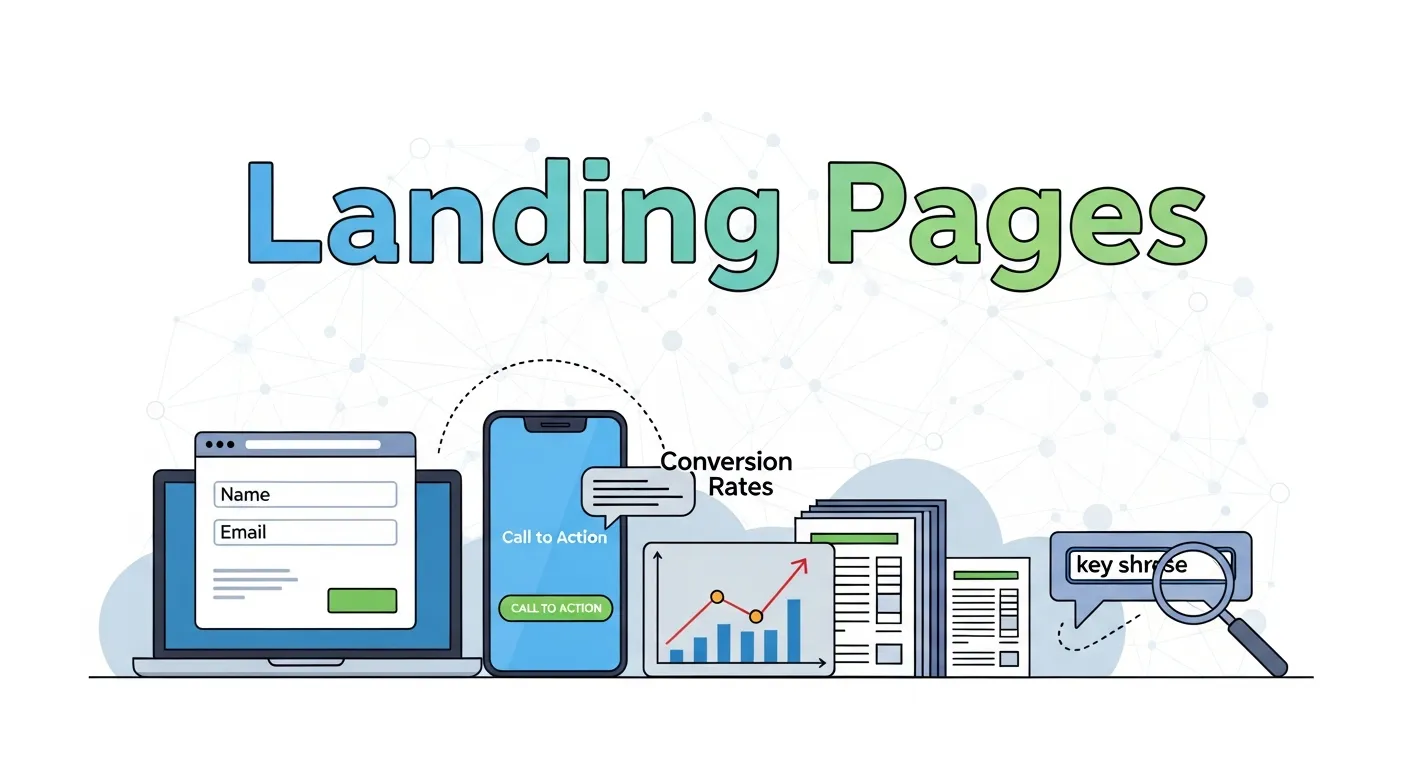
Landing pages are often the first point of contact for visitors arriving from ads, search engines, or email campaigns. They play a pivotal role in Conversion Rate Optimization, as they are designed to drive specific actions. To create high-converting landing pages, follow these best practices:
- Keep the Design Simple: Minimize distractions and focus on the primary goal of the page. A clutter-free design helps users understand what action they need to take.
- Craft Compelling Headlines: Your headline should immediately communicate the benefit of your offer. For example, “Save 50% with Our Back-to-School Sale” is clear, direct, and enticing.
- State the Value Proposition: Clearly explain what you’re offering and why it’s worth the user’s time or money. Highlight the unique benefits of your product or service.
5. Forms
Forms are a critical part of many conversion paths, whether it’s for lead generation, sign-ups, or purchases. However, poorly designed forms can discourage users and hurt your conversion rates. Here’s how to optimize your forms for better results:
- Remove Unnecessary Fields: Only ask for the information you truly need. Long or complicated forms can overwhelm users and lead to drop-offs.
- Display a Progress Bar: If your form spans multiple steps, include a progress indicator to keep users engaged and informed about how much is left.
- Provide Autofill Options: Enable autofill functionality to save users time and reduce friction during the form-filling process.
By simplifying your forms and making them user-friendly, you can significantly improve your conversion rates.
6. Trust Signals and Social Proof
Building trust is essential for Conversion Rate Optimization. Visitors are more likely to convert when they feel confident in your business’s credibility and reliability. Incorporate the following trust-building elements into your website:
- Client Reviews and Testimonials: Display positive customer feedback prominently on high-traffic pages. Testimonials provide social proof and reassure potential customers about the quality of your product or service.
- Security Badges: Include security badges on checkout pages to make users feel safe when entering their payment information. This can reduce cart abandonment rates.
- Case Studies: Showcase real-world examples of how your product or service has helped others achieve success. Case studies are particularly effective for B2B businesses looking to build trust with potential clients.
Quick Tip: Micro-conversions, such as downloading a case study or reading a testimonial, can also help build trust and guide users toward larger conversions.
How to Carry Out Conversion Rate Optimization (CRO) in 6 Steps
Conversion Rate Optimization (CRO) can seem overwhelming at first glance, but breaking it down into manageable steps makes the process much more approachable. By following these six steps, you can systematically improve your website’s performance and achieve your conversion goals.
Step 1: Analyze Your Present Performance
The first step in CRO is to understand how users currently interact with your website. Collecting and analyzing data will help you identify areas for improvement. Key metrics to track include:
- Bounce Rates: The percentage of visitors who leave your site after viewing only one page.
- Conversion Rates for Individual Pages: Measure how well each page is performing in driving desired actions.
- Average Session Time: Understand how long users are staying on your site.
- Click Heat Maps: Visualize where users are clicking and which areas of your site are being ignored.
Tools to Use: Platforms like Google Analytics, Hotjar, and Crazy Egg are indispensable for gathering these insights. For example, Crazy Egg provides heatmaps and user behavior analysis, helping you pinpoint friction points and optimize accordingly.
Step 2: Establish Your Goals
Before making any changes, it’s crucial to define what you want to achieve. Clear, measurable goals will guide your optimization efforts and help you track progress. Typical CRO objectives include:
- Increasing Purchases: For e-commerce stores, boosting sales is often the primary goal.
- Raising Form Submissions: For B2B service providers, getting more leads through form submissions is key.
- Generating More Leads: For businesses with a sales funnel, increasing the number of qualified leads is essential.
By setting specific goals, you can focus your efforts on the areas that matter most to your business.
Step 3: Identify Funnel Blockers
Once you’ve analyzed your data and established your goals, the next step is to identify the obstacles preventing users from converting. These are often referred to as “funnel blockers.” Common issues include:
- High Drop-Off Rates: Are visitors leaving the checkout page prematurely?
- Low Engagement: Are users failing to interact with key elements on your landing pages?
- Confusing Navigation: Is your site structure making it difficult for users to find what they need?
Pinpointing these problem areas will help you prioritize your optimization efforts.
Step 4: Develop Solutions
For each problem identified in Step 3, brainstorm potential solutions. The key is to address the specific issues that are hindering conversions. Here are some examples:
- Underperforming CTAs: If a CTA button isn’t driving clicks, try a more prominent design, better wording, or a different placement.
- Checkout Abandonment: If users are dropping off at checkout, streamline the process by reducing the number of steps, offering guest checkout, or adding trust seals to reassure customers.
- Low Engagement on Landing Pages: Simplify the design, craft compelling headlines, and clearly state your value proposition to capture attention.
Step 5: Conduct A/B Tests (Split Testing)
A/B testing is a cornerstone of CRO. It involves comparing two versions of a webpage or element to determine which performs better. For example, you might test two different headlines, CTA designs, or page layouts. Follow these best practices for A/B testing:
- Start Small: Test one element at a time to isolate its impact.
- Measure Results Over Time: Allow enough time to gather statistically significant data.
- Use Reliable Tools: Platforms like Google Optimize and Optimizely make it easy to set up and run A/B tests.
By systematically testing changes, you can make data-driven decisions that improve your conversion rates.
Step 6: Monitor and Iterate
CRO is not a one-time project; it’s an ongoing process. Continuously monitor the results of your optimization efforts and make adjustments as needed. Key activities include:
- Tracking Performance: Use analytics tools to measure the impact of your changes.
- Identifying New Opportunities: As user behavior evolves, new areas for improvement may emerge.
- Iterating on Success: Build on what works by applying successful strategies to other areas of your site.
The most efficient way to approach CRO is to treat it as a continuous cycle of testing, learning, and improving.
Summary of the 6 Steps
| Step | Action | Outcome |
|---|---|---|
| 1. Analyze Performance | Collect data on user behavior | Identify areas for improvement |
| 2. Establish Goals | Define clear, measurable objectives | Focus efforts on key priorities |
| 3. Identify Funnel Blockers | Pinpoint obstacles in the user journey | Prioritize optimization efforts |
| 4. Develop Solutions | Brainstorm and implement fixes | Address specific issues hindering conversions |
| 5. Conduct A/B Tests | Test variations of elements | Make data-driven decisions |
| 6. Monitor and Iterate | Continuously track and refine | Achieve ongoing improvements |
By following these six steps, you can simplify the CRO process and achieve meaningful results. Start small, stay consistent, and watch your conversion rates climb!
Personalization for Better Engagement
Personalization is no longer a luxury; it’s a necessity for businesses aiming to improve their conversion rates. By tailoring the user experience to individual preferences, you can create a more engaging and relevant journey for your visitors. Personalization helps users feel valued, which in turn increases their likelihood of converting. Here’s how you can implement personalization effectively:
- Dynamic Content: Use tools to display personalized content based on user behavior. For example, if a user has browsed a specific product category, show them related products or offers when they return to your site.
- Segmented Email Campaigns: Divide your email list into segments based on demographics, purchase history, or browsing patterns. Sending targeted emails with personalized offers or recommendations can significantly boost open and click-through rates.
- Chatbots for Assistance: AI-powered chatbots can provide real-time, personalized recommendations and support. For instance, in e-commerce, chatbots can guide users to products they’re likely to buy, answer their questions, and even assist with checkout. Learn more about how e-commerce chatbots can drive higher sales.
| Personalization Tactics | Benefits |
|---|---|
| Dynamic Content | Increases relevance and interest |
| Segmented Emails | Boosts open and click-through rates |
| Chatbots | Enhances user experience and sales |
By implementing these strategies, you can create a more engaging and conversion-friendly experience for your users, ensuring that they feel understood and valued.
Reputation Management and Trust Building
Your website’s reputation is one of the most critical factors influencing conversion rates. A strong, positive reputation builds trust, which is essential for encouraging users to take action. In today’s digital landscape, where users have countless options, trust can be the deciding factor between a conversion and a bounce. Here’s how to effectively manage and enhance your reputation:
- Showcase Reviews and Testimonials: Positive customer feedback is a powerful trust signal. Display reviews and testimonials prominently on your website, especially on high-traffic pages like product pages or landing pages.
- Respond to Feedback: Addressing negative reviews or concerns promptly shows that you care about your customers and are committed to improving their experience. This can turn dissatisfied customers into loyal advocates.
- Leverage Thought Leadership: Position your brand as an authority in your industry by sharing expert insights, case studies, or whitepapers. For example, mastering personal reputation management can help you make a lasting impact on your audience. Explore more about personal reputation management here.
| Reputation Strategies | Impact |
|---|---|
| Display Reviews | Builds trust and credibility |
| Address Feedback | Improves customer satisfaction |
| Thought Leadership | Establishes authority |
Building and maintaining a strong reputation requires consistent effort, but the rewards in terms of increased conversions and customer loyalty are well worth it.
Optimizing Paid Advertising for Conversions
Paid advertising is a powerful tool for driving traffic to your website, but without proper optimization, it can quickly become a drain on your budget. To maximize ROI and ensure your ads contribute to higher conversion rates, you need to focus on targeting, messaging, and cost management. Here’s how to optimize your paid campaigns for better results:
- Target the Right Audience: Use detailed audience segmentation to ensure your ads reach the people most likely to convert. Platforms like Google Ads and Facebook Ads allow you to target users based on demographics, interests, and behaviors.
- Craft Compelling Ad Copy: Your ad copy should be clear, action-oriented, and tailored to your audience’s needs. Highlight the unique value proposition of your product or service and include a strong call-to-action.
- Monitor CPC (Cost Per Click): Keeping an eye on your CPC is crucial to ensure your campaigns remain cost-effective. Regularly analyze your ad performance and adjust your bids to maximize ROI. For e-commerce businesses, CPC advertising can be a fast and effective way to boost sales. Discover more about CPC advertising for e-commerce here.
| Ad Optimization Tips | Benefits |
|---|---|
| Audience Targeting | Increases relevance and ROI |
| Compelling Ad Copy | Boosts click-through rates |
| CPC Monitoring | Ensures cost efficiency |
By optimizing your paid advertising campaigns, you can drive high-quality traffic to your site and convert more visitors into customers, all while keeping your costs under control.
Tools That Can Be Used for Conversion Rate Optimization (CRO)
Conversion Rate Optimization (CRO) is a data-driven process that requires the right tools to identify opportunities, test changes, and implement improvements effectively. By leveraging these tools, you can streamline your optimization efforts and achieve better results without unnecessary guesswork. Here’s a detailed look at some of the most effective tools for CRO:
1. A/B Testing Tools
A/B testing is a cornerstone of CRO, allowing you to compare two versions of a webpage or element to determine which performs better. Tools like Google Optimize are invaluable for running experiments and testing variations of headlines, CTAs, layouts, and more. With A/B testing, you can make data-backed decisions that directly impact your conversion rates.
2. Personalization Tools
Personalization is key to engaging users and driving conversions. Tools like Optimize not only allow you to run experiments but also help you personalize content for different audience segments. By tailoring the user experience, you can make your website more relevant and appealing to visitors.
3. CTA Monitoring Tools
Your call-to-action (CTA) buttons are critical for driving conversions. HubSpot’s CTA-following tool is designed to monitor the performance of your CTAs, providing insights into click-through rates and campaign effectiveness. This tool helps you identify which CTAs are working and which need improvement.
4. Landing Page Builders
Landing pages are often the first point of contact for visitors, making them a crucial element of CRO. Unbounce is a powerful tool for creating high-converting landing pages. Its drag-and-drop builder, pre-designed templates, and A/B testing capabilities make it easy to optimize your landing pages for better results.
5. Heatmap and Behavior Analysis Tools
Understanding how users interact with your website is essential for identifying areas of improvement. Crazy Egg provides heatmaps and user behavior analysis, showing you where visitors click, scroll, and spend the most time. This tool helps you pinpoint friction points and optimize your site accordingly. (Pro tip: Ensure Crazy Egg is refreshed regularly to keep your data up-to-date.)
| Tool | Purpose | Key Benefit |
|---|---|---|
| Google Optimize | A/B testing and experiments | Data-driven decision-making |
| Optimize | Personalization and content experiments | Tailored user experiences |
| HubSpot CTA Tool | Monitoring CTA performance | Improved click-through rates |
| Unbounce | Landing page creation and optimization | High-converting landing pages |
| Crazy Egg | Heatmaps and user behavior analysis | Identifies friction points and opportunities |
Common Mistakes to Avoid in Conversion Rate Optimization
While Conversion Rate Optimization can yield significant results, it’s important to approach it strategically. Avoiding common pitfalls will save you time, effort, and resources while ensuring your optimization efforts are effective. Here are some mistakes to steer clear of:
1. Making Assumptions Without Data
One of the biggest mistakes in CRO is relying on assumptions rather than data. For example, assuming a certain design or CTA will work better without testing it can lead to poor results. Always base your decisions on analytics, user feedback, and testing.
2. Testing Too Many Elements at Once
Trying to test multiple elements simultaneously can muddy your results and make it difficult to identify what’s working. Focus on testing one element at a time, such as a headline, CTA, or form field, to get clear and actionable insights.
3. Ignoring Mobile Optimization
With the majority of web traffic coming from mobile devices, neglecting mobile optimization is a costly mistake. Ensure your site is mobile-friendly by optimizing loading times, images, and navigation for smaller screens.
4. Overlooking User Experience
CRO isn’t just about increasing conversions; it’s about improving the overall user experience. If your site is difficult to navigate or visually unappealing, visitors are less likely to convert. Prioritize usability and design alongside conversion-focused changes.
| Mistake | Why It’s a Problem | Solution |
|---|---|---|
| Making assumptions | Leads to ineffective changes | Use data and testing to guide decisions |
| Testing too many elements | Results become unclear | Test one element at a time |
| Ignoring mobile optimization | Misses out on a large audience | Ensure your site is mobile-friendly |
| Overlooking user experience | Reduces visitor satisfaction | Prioritize usability and design |
Smooth Out Your Conversion Rates by Implementing Mini-Conversions
Conversion Rate Optimization isn’t just about big changes; small, incremental improvements can make a significant difference over time. These “mini-conversions” are smaller actions that guide users toward your ultimate goal, such as signing up for a newsletter, downloading a resource, or adding a product to their cart. Here’s how to implement mini-conversions effectively:
- Optimize CTAs: Ensure your CTAs are clear, visually distinct, and strategically placed to encourage action.
- Streamline Forms: Simplify your forms by removing unnecessary fields and providing autofill options to reduce friction.
- Adopt A/B Testing: Test small changes, such as button colors or headline wording, to see what resonates with your audience.
By focusing on these smaller steps, you can create a smoother user journey that naturally leads to higher conversion rates. Remember, CRO is all about the user. Addressing their needs, eliminating friction, and creating a seamless experience will result in lasting positive results.
Frequently Asked Questions (FAQ) About Conversion Rate Optimization (CRO)
1. What is Conversion Rate Optimization (CRO), and why is it important?
Conversion Rate Optimization (CRO) is the process of improving your website or landing pages to increase the percentage of visitors who take a desired action, such as making a purchase, signing up for a newsletter, or filling out a form. CRO is important because it helps you maximize the value of your existing traffic, leading to higher ROI without the need for additional advertising spend. By focusing on CRO, you can improve user experience, build trust, and achieve your business goals more efficiently.
2. How do I calculate my website’s conversion rate?
To calculate your conversion rate, divide the number of conversions (e.g., purchases, sign-ups) by the total number of visitors, then multiply by 100. For example, if your website had 1,000 visitors in a month and 50 of them made a purchase, your conversion rate would be 5% (50/1,000 × 100 = 5%). Regularly tracking this metric is essential for understanding the effectiveness of your CRO efforts.
3. What are micro-conversions, and how do they help with CRO?
Micro-conversions are smaller actions that users take on their journey toward a primary conversion goal. Examples include signing up for a newsletter, downloading a free resource, or adding a product to their cart. These actions indicate user engagement and intent, helping you identify areas for improvement. Learn more about how micro-conversions can boost engagement here.
4. What are the key elements of a high-converting landing page?
A high-converting landing page typically includes the following elements:
- Compelling Headline: Clearly communicate the value proposition.
- Strong Call-to-Action (CTA): Use action-oriented language and make the CTA visually distinct.
- Minimal Distractions: Keep the design clean and focused on the conversion goal.
- Trust Signals: Include testimonials, reviews, or security badges to build credibility.
For a detailed guide on creating effective landing pages.
5. How can I use A/B testing to improve my conversion rates?
A/B testing involves comparing two versions of a webpage or element (e.g., headlines, CTAs, images) to see which performs better. Start by identifying a specific element to test, create two variations, and measure their performance over time. Use tools like Google Optimize or Optimizely to run your tests. Remember to test one element at a time to ensure clear results.
6. What role does user experience (UX) play in CRO?
User experience (UX) is a critical component of CRO. A website that is easy to navigate, visually appealing, and fast-loading creates a positive experience for visitors, making them more likely to convert. Key UX improvements include:
- Simplifying navigation
- Optimizing for mobile devices
- Reducing page load times
By focusing on UX, you can eliminate friction points and create a seamless journey for your users.
7. How do trust signals impact conversion rates?
Trust signals, such as customer reviews, testimonials, case studies, and security badges, help build credibility and reassure visitors that your website is reliable. For example, displaying a security badge on your checkout page can reduce cart abandonment rates by making users feel their payment information is safe. Trust signals are especially important for first-time visitors who may be unfamiliar with your brand.
8. What are some common mistakes to avoid in CRO?
Some common mistakes in CRO include:
- Making Assumptions Without Data: Always base decisions on analytics and user feedback.
- Testing Too Many Elements at Once: Focus on one element at a time to get clear results.
- Ignoring Mobile Optimization: Ensure your site is mobile-friendly, as a significant portion of traffic comes from mobile devices.
- Overlooking User Intent: Understand what your visitors are looking for and align your website’s content and design with their needs.
9. How can I create a CRO strategy for my business?
Creating a CRO strategy involves several steps:
- Analyze Current Performance: Use tools like Google Analytics and heatmaps to understand user behavior.
- Set Clear Goals: Define what you want to achieve, such as increasing purchases or form submissions.
- Identify Problem Areas: Pinpoint where users drop off or face friction.
- Test and Optimize: Use A/B testing to experiment with changes and measure their impact.
For a comprehensive guide to CRO marketing strategies.
10. What tools should I use for Conversion Rate Optimization?
There are several tools available to help with CRO, including:
- Google Optimize: For A/B testing and experiments.
- Crazy Egg: For heatmaps and user behavior analysis.
- HubSpot: For monitoring CTA performance and campaign tracking.
- Unbounce: For creating high-converting landing pages.
Each tool serves a specific purpose, so choose the ones that align with your goals and needs.