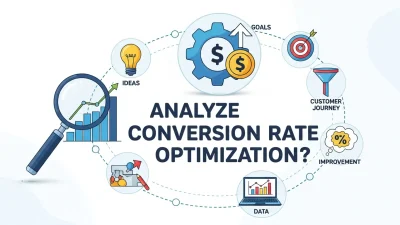


Conversion Rate Optimization (CRO) helps businesses maximize the value of existing website traffic by improving user experience, optimizing CTAs, testing strategies, and leveraging analytics. Effective CRO increases conversions, boosts revenue, and strengthens customer engagement sustainably.
When it comes to running a website, it’s easy to assume that traffic is the ultimate measure of success—the more visitors, the better. But high traffic alone doesn’t guarantee growth. If visitors arrive and leave without taking meaningful action, all those clicks are essentially wasted. This is where Conversion Rate Optimization (CRO) becomes a game-changer.
CRO is all about turning your existing traffic into tangible results. Whether your goal is to increase newsletter subscriptions, drive product purchases, boost free trial sign-ups, or encourage downloads of lead magnets, CRO ensures that every visitor has the best chance to engage and convert. Instead of endlessly chasing more visitors, you learn to make the ones you already have far more valuable.
By understanding user behavior, identifying friction points, and strategically optimizing your website, CRO allows you to extract maximum value from your audience. Not only does this increase revenue, but it also improves user experience, builds trust, and helps your brand stand out in a crowded digital landscape. In short, CRO doesn’t just drive numbers—it creates meaningful interactions that grow your business sustainably.
What is Conversion Rate Optimization (CRO)?
Conversion Rate Optimization (CRO) is the strategic process of enhancing your website to encourage visitors to take meaningful, goal-oriented actions—commonly known as conversions. These conversions vary depending on the type of website and business objectives:
- E-commerce websites aiming to increase product sales
- SaaS platforms seeking more free trial or subscription sign-ups
- Content creators working to grow newsletter subscribers or downloads
- Nonprofits looking to generate donations or petition signatures
Your conversion rate is simply the percentage of visitors who complete these desired actions. For example, if 1,000 visitors land on your website and 50 of them make a purchase, your conversion rate is 5%. Conversion Rate Optimization involves carefully analyzing user behavior, identifying pain points, and implementing targeted improvements to boost this percentage effectively.
Why Conversion Rate Optimization Matters
Implementing a strong CRO strategy can transform your website’s performance in multiple ways:
- Boost Revenue Without Extra Traffic: Instead of spending more on advertising, Conversion Rate Optimization helps you extract greater value from the visitors you already have. Every click becomes more impactful.
- Enhance User Experience (UX): CRO strategies often focus on streamlining navigation, clarifying calls-to-action, and fixing usability issues, making your website more intuitive and enjoyable for visitors.
- Gain a Competitive Edge: While competitors focus solely on driving traffic, Conversion Rate Optimization allows you to convert visitors into loyal customers, giving your business a measurable advantage in the marketplace.
- Make Data-Driven Decisions: By studying user interactions and testing changes, CRO ensures that improvements are based on real insights rather than guesswork, leading to more predictable and sustainable growth.
In short, Conversion Rate Optimization is not just about increasing numbers—it’s about creating a smarter, more effective website that drives meaningful results. Whether your goal is sales, subscriptions, or lead generation, CRO ensures that your website works harder and smarter for your business.
Optimize Your Paid Media for Conversions

Running paid campaigns without optimizing for conversions can be a costly mistake. Many businesses focus solely on driving traffic but overlook how effectively that traffic converts. Conversion Rate Optimization applies not just to your website but also to your advertising and media buying strategies. By optimizing every step of your paid campaigns—from targeting to landing pages—you can turn clicks into loyal customers and maximize ROI.
Why Paid Media CRO Matters:
Paid ads bring visitors to your site, but if the landing page isn’t optimized, those clicks are wasted. CRO ensures that the traffic you pay for is more likely to take meaningful action, increasing sales without increasing ad spend.
Key Strategies to Boost Paid Media Conversions:
- Target the Right Audience: Use demographic, behavioral, and retargeting data to reach users most likely to convert. Avoid generic audiences to minimize wasted ad spend.
- Align Ads with Landing Pages: Ensure that the ad copy, imagery, and call-to-action (CTA) reflect exactly what users see when they arrive on the page. Misalignment reduces trust and conversions.
- Test Ad Formats and Placements: Run A/B tests for display ads, social media campaigns, and search ads to identify which formats perform best. Even small changes can significantly affect conversion rates.
- Use Conversion Tracking: Tools like Google Ads Conversion Tracking or Facebook Pixel allow you to see which campaigns drive actual results, not just clicks.
- Optimize Landing Page Load Speed: Ads often bring traffic from mobile devices. A fast-loading landing page ensures visitors don’t bounce before converting.
Paid Media Metrics to Track
| Metric | What It Measures | Why It Matters |
|---|---|---|
| CTR (Click-Through Rate) | % of people who click your ad | Indicates ad relevance and appeal |
| CPA (Cost Per Acquisition) | Cost of acquiring a customer | Helps manage budget and ROI |
| Conversion Rate | % of clicks that convert | Shows the effectiveness of landing pages |
| ROAS (Return on Ad Spend) | Revenue per dollar spent | Measures campaign profitability |
Pro Tip: Implementing a media buying strategy that emphasizes conversion, rather than just traffic, ensures a better ROI. Learn more at From Clicks to Conversions.
Email Marketing for Higher Conversions

Email marketing remains one of the most reliable channels for Conversion Rate Optimization. Unlike general traffic, email audiences have already expressed interest in your brand, making them more likely to convert. The key is to craft emails that are relevant, personalized, and actionable.
Why Email CRO is Critical:
Even if you have thousands of subscribers, poor email optimization can result in low engagement and minimal conversions. With proper CRO, emails become a revenue-driving channel that nurtures leads and strengthens customer relationships.
Effective Strategies for Email Conversion:
- Segment Your List: Divide subscribers by behavior, demographics, or purchase history. Targeted messages perform far better than generic emails.
- Craft Compelling Subject Lines: The subject line determines whether your email gets opened. Use personalization and urgency to increase open rates.
- Clear and Actionable CTAs: Every email should have one primary goal, such as signing up for a webinar, downloading a guide, or making a purchase.
- Optimize for Mobile: Over half of emails are opened on mobile devices. Ensure responsive design and easy-to-tap buttons.
- Test Send Times and Frequency: Experiment with different sending times to maximize engagement without overwhelming subscribers.
- Leverage Personalization: Include the recipient’s name, previous purchases, or content preferences to make emails feel unique.
Email Metrics to Measure Conversion Impact
| Metric | What It Measures | Target Goal |
|---|---|---|
| Open Rate | % of recipients who open emails | >20% for B2B, >25% for B2C |
| Click-Through Rate | % clicking on links inside emails | >2-5% depending on campaign |
| Conversion Rate | % completing desired action after click | Track against baseline CRO metrics |
| Bounce Rate | % of emails undelivered | Keep below 2% for healthy lists |
| Unsubscribe Rate | % unsubscribed | Should remain below 1% |
Pro Tip: By analyzing B2B email marketing performance, you can understand how open rates translate into conversions. Use this insight to fine-tune campaigns and improve overall CRO. Learn more at B2B Email Marketing Open Rates.
Emerging Trends That Impact Conversions

Conversion Rate Optimization is not static—it evolves alongside user behavior, technology, and search trends. Businesses that adapt quickly to emerging trends often see significant gains in conversions. Ignoring these trends can leave you behind your competitors, even if your current CRO practices are strong.
Trends Shaping CRO Today:
- Voice Search Optimization: With smart speakers and voice assistants becoming ubiquitous, more users search by voice. Optimizing for natural language queries improves discoverability and traffic quality.
- AI-Powered Personalization: Machine learning algorithms can analyze visitor behavior and display tailored offers or content, increasing relevance and likelihood of conversion.
- Chatbots and Live Support: Instant assistance reduces friction, answering user questions in real-time and preventing drop-offs during critical decision points.
- Video and Interactive Content: Engaging content such as explainer videos, quizzes, and interactive calculators keeps users on the page longer, which positively impacts conversion rates.
- Progressive Web Apps (PWAs) & Mobile UX: PWAs offer app-like experiences without downloads, making mobile conversions smoother and faster.
Conversion Impact of Emerging Trends
| Trend | How It Impacts Conversions | Implementation Tip |
|---|---|---|
| Voice Search | Increases discoverability | Optimize for natural-language, question-based queries |
| AI Personalization | Boosts relevance | Test product recommendations and dynamic landing pages |
| Chatbots | Reduces drop-offs | Provide instant support on high-exit pages |
| Video Content | Enhances engagement | Use short, informative, and interactive videos |
| PWAs | Improves mobile conversions | Offer an app-like experience on mobile browsers |
Pro Tip: Optimizing for emerging trends like voice search ensures your brand stays relevant and accessible to a wider audience. Explore actionable guidance at Voice Search Optimization.
How to Perform Conversion Rate Optimization (CRO) Effectively

Implementing a successful Conversion Rate Optimization (CRO) strategy requires a systematic approach. It’s not just about making random changes to your website—it’s about understanding user behavior, identifying obstacles, and testing improvements to boost conversions consistently. Below are the key steps to performing CRO effectively.
1. Understand Your Current Conversion Rate
Before you can optimize, you must first know where your website stands. Use analytics tools such as Google Analytics, Hotjar, or Mixpanel to gather data on your site’s performance. Key metrics to monitor include:
- Bounce Rate: Are visitors leaving your site without taking action? A high bounce rate indicates potential issues with content or usability.
- Exit Rates: Identify pages where users abandon your site to pinpoint funnel leaks.
- Time on Site: Are visitors engaging with your content or skipping past it too quickly?
- Current Conversion Rate: Calculate the number of conversions divided by total visitors to understand baseline performance.
Setting benchmarks based on these metrics is essential. Conversion Rate Optimization relies on data-driven insights, so tracking these metrics allows you to measure the impact of every change accurately.
2. Pinpoint Problem Areas in the Funnel
Identifying where visitors drop off is critical to effective CRO. Tools like Google Analytics’ Funnel Visualization or Hotjar Heatmaps help visualize user behavior and locate problem areas. Common pain points include:
- Slow Loading Pages: Every additional second of load time can reduce conversions by roughly 7%. Optimizing site speed is crucial for retention.
- Confusing CTAs (Calls-to-Action): Visitors need clear guidance on the next step. Ambiguous or hidden CTAs reduce conversions.
- Cluttered Landing Pages: Overly busy designs or multiple competing CTAs confuse users and decrease the likelihood of action.
Once you identify these obstacles, prioritize fixes based on impact and feasibility. Conversion Rate Optimization is most effective when changes directly address user pain points.
3. Optimize for Mobile
With more than half of global web traffic coming from mobile devices, a desktop-first approach limits your conversion potential. To ensure mobile visitors convert as easily as desktop users:
- Use Responsive Design: Ensure your site adapts seamlessly to different screen sizes.
- Simplify Navigation: Make buttons and links easy to tap without zooming.
- Streamline Forms: Reduce the number of fields, enable autofill, and simplify checkout forms.
- Test Mobile Load Times: Even minor speed improvements can significantly boost mobile conversions.
A mobile-optimized site is not optional—it’s a core part of Conversion Rate Optimization in today’s digital landscape.
4. Focus on Clear, Compelling CTAs
A strong Call-to-Action (CTA) is critical for driving conversions. To maximize effectiveness:
- Be Specific: Replace vague CTAs like “Learn More” with actionable phrases such as “Download Your Free Guide” or “Start Your Free Trial.”
- Use Contrasting Colors: Make your CTA button visually distinct while aligning with your brand’s style.
- Place Strategically: Position CTAs where they are easily visible—ideally above the fold or after engaging content.
- Limit Choices: Too many CTAs can overwhelm users; focus on guiding them toward a single, primary action.
Clear, well-placed CTAs are a cornerstone of Conversion Rate Optimization, ensuring that visitors know exactly what step to take next.
5. Leverage A/B Testing
A/B testing is a core component of Conversion Rate Optimization. By comparing two versions of a page or content element, you can determine which drives better results. Key tests include:
- Headlines: Test two different headlines to see which attracts more clicks.
- CTA Placement and Design: Evaluate which button location or color performs best.
- Imagery and Layout: Determine whether different visuals or content arrangements increase engagement.
Tools like VWO, Google Optimize, and Optimizely provide robust analytics to measure test results. Pro Tip: Always test one variable at a time to isolate the impact of each change.
6. Highlight Social Proof
Social proof builds trust and significantly impacts conversion rates. Integrate these elements to reassure hesitant visitors:
- Customer Reviews and Testimonials: Showcase real experiences front and center.
- Industry Awards and Accolades: Display recognitions or media mentions prominently.
- User Statistics: Numbers like “500,000 happy customers served!” provide credibility at a glance.
Adding social proof is an essential part of Conversion Rate Optimization, as it reduces friction and makes visitors feel confident in taking action.
7. Simplify the Checkout Process
For e-commerce websites, a complicated checkout process can kill conversions. To optimize the funnel:
- Offer Guest Checkout Options: Not all users want to create an account.
- Minimize Checkout Steps: Each additional step increases abandonment risk.
- Provide Clear Progress Indicators: Multi-step forms should clearly show users how close they are to completing the purchase.
- Easy Cart Modifications: Users should easily edit quantities, remove items, and see payment options.
A smooth, intuitive checkout process is a key driver of successful Conversion Rate Optimization, ensuring more visitors complete purchases with minimal friction.
Tips for Measuring the Success of Your Conversion Rate Optimization (CRO) Efforts
Implementing Conversion Rate Optimization (CRO) strategies is only half the battle—measuring their effectiveness is equally important. Without tracking results, it’s impossible to know which changes are driving real impact and which need further refinement.
To evaluate your CRO initiatives, focus on the following key metrics:
- Conversion Rate: This is the core metric for CRO. Track the percentage of visitors completing your desired actions—whether that’s making a purchase, signing up for a newsletter, or downloading a lead magnet. An increase in conversion rate indicates that your optimizations are effectively encouraging user engagement.
- Traffic-to-Sale Ratio: Assess how well your website is turning traffic into revenue. If sales increase without a corresponding rise in traffic, it’s a strong sign that your Conversion Rate Optimization efforts are paying off.
- User Behavior Trends: Monitor how visitors interact with your site. Are they spending more time on key pages, scrolling deeper into content, or engaging with CTAs? Tools like Hotjar, Crazy Egg, and Google Analytics can help visualize user journeys and highlight areas of improvement.
- Bounce Rate and Exit Pages: Identify pages where users leave without converting. A decrease in bounce rate or fewer exits from critical pages signals that CRO changes are helping retain visitors.
- Revenue per Visitor (RPV) and Average Order Value (AOV): For e-commerce, these metrics show whether optimized pages and funnels are driving not just conversions, but higher-value actions.
Best Practices for Measuring CRO Success:
- Set Baselines Before Changes: Track your existing conversion rates and related metrics to measure improvements accurately.
- Test One Variable at a Time: When running A/B tests, isolate variables to clearly understand what’s driving changes.
- Analyze Trends Over Time: Short-term spikes can be misleading; consistent improvement over weeks or months indicates meaningful CRO impact.
- Leverage Heatmaps and Session Recordings: Visual insights into user behavior can help you identify subtle issues and uncover hidden opportunities for optimization.
- Continuously Iterate: Conversion Rate Optimization is an ongoing process. Use the insights you gather to refine content, CTAs, page layouts, and funnels regularly.
By tracking these metrics and following a structured measurement process, you can ensure your Conversion Rate Optimization strategies deliver measurable results. Over time, this approach not only increases conversions but also enhances the overall user experience, builds trust with your audience, and drives sustainable business growth.
Invest in Conversion Rate Optimization Now
Simply increasing website traffic is no longer enough to guarantee business growth. While attracting more visitors can be helpful, Conversion Rate Optimization (CRO) allows you to maximize the value of the traffic you already have. By focusing on turning existing visitors into engaged users and loyal customers, CRO ensures that every click, form submission, or product page view contributes meaningfully to your bottom line.
Conversion Rate Optimization is more than just a marketing tactic—it’s a mindset that prioritizes efficiency, user experience, and measurable results. By carefully analyzing how users interact with your website, identifying friction points, and implementing targeted improvements, you can create a seamless online experience that encourages action. Whether it’s simplifying navigation, refining calls-to-action, or optimizing checkout processes, every change can have a significant impact on your conversion rate.
One of the most powerful aspects of Conversion Rate Optimization is its ability to benefit both new and returning visitors. First-time visitors can be guided toward taking their first meaningful action, while repeat visitors can be nurtured into loyal customers or subscribers. This dual focus helps businesses increase revenue without necessarily spending more on acquiring traffic, making CRO a cost-effective strategy for sustainable growth.
Moreover, investing in CRO adds real value for your audience. By addressing pain points, streamlining the user journey, and providing relevant, engaging content, you improve the overall experience for visitors. Happy, satisfied users are more likely to convert, recommend your brand, and return in the future.
The key to successful Conversion Rate Optimization lies in consistent testing and iteration. Start with small changes, measure their impact, and refine your strategies based on data-driven insights. Over time, these incremental improvements compound, resulting in exponentially higher conversion rates, better user engagement, and increased revenue.
In today’s competitive digital landscape, businesses that prioritize Conversion Rate Optimization gain a distinct advantage. They not only maximize their marketing ROI but also foster stronger relationships with their audience. By making CRO a core part of your growth strategy, you can transform your website from a simple informational platform into a powerful conversion engine that drives measurable business success.
Frequently Asked Questions About Conversion Rate Optimization (CRO)
1. What is Conversion Rate Optimization (CRO) and why is it important?
Conversion Rate Optimization is the process of improving your website or landing pages to encourage visitors to take meaningful actions, such as making purchases, subscribing to newsletters, or downloading resources. CRO helps you maximize the value of your existing traffic, improve user experience, and ultimately increase revenue without relying solely on attracting more visitors.
2. How do I calculate my website’s conversion rate?
To calculate your conversion rate, divide the number of conversions by the total number of visitors and multiply by 100. For example, if 50 visitors out of 1,000 complete a purchase, your conversion rate is 5%. This metric is foundational in measuring the effectiveness of your Conversion Rate Optimization efforts.
3. Which tools are most useful for Conversion Rate Optimization?
Popular tools for CRO include Google Analytics (for traffic and funnel insights), Hotjar (for heatmaps and session recordings), and VWO or Google Optimize (for A/B testing). These tools help you understand user behavior, identify pain points, and measure the impact of changes accurately.
4. How can CRO improve my e-commerce sales?
CRO strategies for e-commerce focus on optimizing product pages, simplifying checkout processes, and using persuasive CTAs. By reducing friction and highlighting value, more visitors complete purchases. Advanced CRO techniques can even increase average order value and repeat purchases, boosting revenue from your existing traffic. For detailed strategies, check out CRO Strategies to Take Your Business to the Next Level.
5. Is Conversion Rate Optimization only for big businesses?
Not at all. CRO is valuable for businesses of all sizes. Small businesses can maximize the value of limited traffic, while larger enterprises can scale conversions more efficiently. Optimizing existing visitors is always more cost-effective than acquiring new ones.
6. How long does it take to see results from CRO?
The timeline varies depending on traffic volume, testing frequency, and the complexity of changes. Some improvements, like simplifying CTAs or improving page speed, can show results in weeks. More complex A/B testing or funnel optimizations may take several months to produce statistically significant outcomes.
7. Can I build a career in Conversion Rate Optimization?
Yes! CRO is a growing field in digital marketing and analytics. Professionals with skills in user behavior analysis, A/B testing, and UX design are in high demand. For anyone looking to start a career, learn more at Build a Career in CRO Strategies.
8. How do I measure the success of my CRO efforts?
Success is measured through metrics like conversion rate, traffic-to-sales ratio, average order value, and user behavior trends. Tracking these over time shows which strategies are effective and where further adjustments are needed.
9. What are some advanced Conversion Rate Optimization strategies?
Beyond basic tactics like improving CTAs and forms, advanced CRO strategies include personalization based on user behavior, multi-step funnel optimization, AI-driven content recommendations, and dynamic landing pages. These approaches can dramatically increase conversions for businesses with established traffic. Learn more at Advanced CRO Strategies for Business Growth.
10. How does CRO complement other digital marketing efforts?
CRO enhances the ROI of other marketing channels such as SEO, paid ads, and email campaigns. By optimizing landing pages and funnels, you ensure that every visitor driven by your campaigns has a higher likelihood of converting, making your overall marketing strategy more efficient and effective.