
Increasing your conversion rate turns website visitors into paying customers without extra ad spend. This guide offers actionable strategies for marketers and business owners to optimize websites or apps, improve user experience, and maximize revenue efficiently.
While attracting visitors to your website is important, traffic alone won’t drive revenue if those visitors aren’t taking meaningful actions. If people reach your site but fail to make a purchase, sign up for a newsletter, or complete any other desired action, your conversion rate is underperforming. Increasing your conversion rate is one of the most effective ways to grow revenue without spending more on advertising or SEO.
The challenge many businesses face is balancing creativity with measurable results. Instead of overwhelming visitors with charts or trying to impress them with clever design, conversion rate optimization (CRO) focuses on turning the traffic you already have into paying customers. It’s about maximizing value from every visitor and making the most of your existing marketing efforts.
This guide provides practical strategies and insights to improve website or app conversions. It’s designed for marketers, business owners, and service providers alike. Whether you run an online store, a restaurant, or a service-based business, you’ll find actionable tips that can increase your conversion rate, enhance user experience, and ultimately grow your bottom line.
What Is Conversion Rate?
Before we explore ways to improve it, it’s essential to understand the conversion rate.
Your conversion rate is the percentage of visitors who complete a desired action, such as making a purchase, filling out a form, or subscribing to your service. It’s calculated as:
Conversion Rate (%) = (Number of Conversions ÷ Total Visitors) × 100
For example, if 1,000 people visit your website and 50 of them make a purchase, your conversion rate is 5%.
Why Does Conversion Rate Optimization Matter?
Improving conversion rates isn’t just a numbers game; it’s about maximizing the value of every visitor. Here are some reasons CRO should be a priority for your business:
- Reduced Customer Acquisition Costs (CAC): Increased conversions mean higher revenue without spending extra on traffic acquisition.
- Better ROI: You’re already paying for ads, SEO, or other marketing efforts; CRO ensures you get the most out of these investments.
- Enhanced User Experience: Many conversion strategies double as ways to give users a better experience, which boosts customer loyalty.
Simplify Your Website’s Navigation
Nothing kills a conversion faster than a website that confuses the user. A cluttered interface or poor site navigation will drive your visitors away before they even explore your offer. Here’s how to fix it:
- Use a clear and simple navigation menu. Limit categories and options so users don’t feel overwhelmed.
- Make your call-to-action (CTA) prominent. Whether it’s a “Buy Now” button or “Sign Up” link, don’t make people hunt for it.
- Optimize your website for mobile. Over 50% of web traffic comes from mobile devices, yet many websites are still desktop-first.
Create Compelling, Clear Calls-to-Action (CTA)
Your CTA is the tipping point between interest and action. A weak, vague, or poorly placed CTA can cost you conversions. Here’s how to craft an effective one:
- Use action-oriented language. Instead of “Submit,” try phrases like “Get Started,” “Claim Your Discount,” or “Start Free Trial.”
- Create urgency with time-sensitive offers. Phrases like “Only 2 days left!” or “Limited spots available!” encourage immediate action.
- Test your CTA design. Experiment with button placement, color, and size. Colors like orange or green often perform well because they stand out.
Leverage Social Proof
People trust other people’s experiences more than a brand’s promises. Adding social proof to your website can be a powerful way to boost credibility and conversions:
- Include customer reviews and testimonials. Highlight how your product or service has solved problems for others.
- Display statistics (e.g., “Over 10,000 happy customers”). Numbers can be very persuasive.
- Showcase certifications or awards your business has received.
Optimize Your Landing Pages
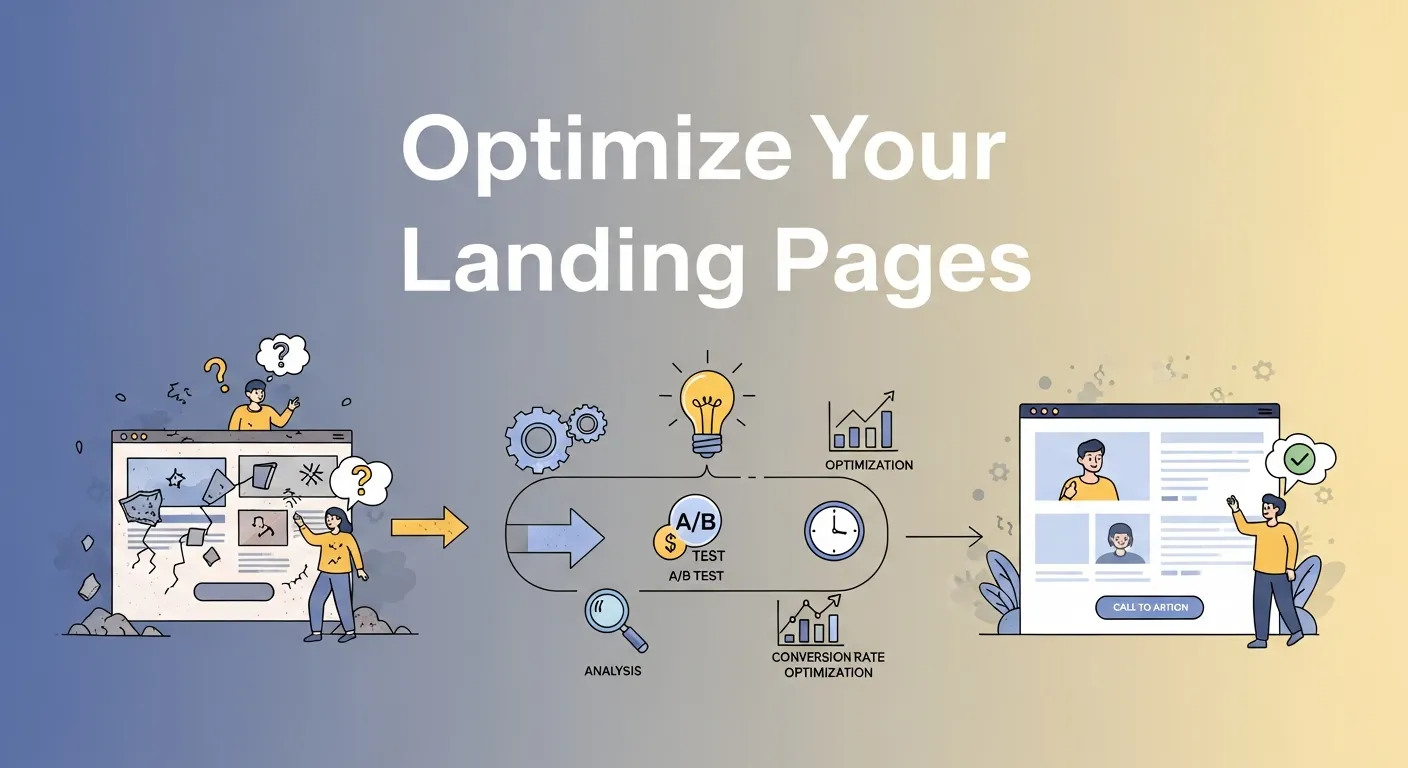
Landing pages are where the magic happens—that is, if they’re properly optimized. Address key pain points and focus every inch of the page on driving a single, clear action:
- Limit distractions: Have one primary CTA and remove unnecessary navigation elements that pull visitors away from the page.
- Match messaging: Ensure the ad or email copy aligns perfectly with the landing page content to create a seamless user experience.
- A/B test: Experiment with headlines, images, form fields, and CTA buttons to see what resonates best with your audience.
Improve Your Page Load Speed
It’s 2024, and no one has patience for a slow website. If your site takes longer than 3 seconds to load, you’re losing potential customers. Optimize loading times with these tips:
- Compress images without sacrificing quality. Tools like TinyPNG are great for this.
- Use a content delivery network (CDN) like Cloud flare to distribute site content quickly worldwide.
- Minimize heavy scripts or plugins that can bog down your site.
Enhance Conversions with Media Buying Strategies
Media buying is more than just purchasing ad space—it’s a science of reaching the right audience at the right time and guiding them toward conversion. Done correctly, it maximizes the return on every marketing dollar by ensuring that your ads aren’t just seen, but acted upon. By combining strategic targeting, audience segmentation, and performance tracking, businesses can turn potential visitors into paying customers more efficiently.
Key Strategies for Effective Media Buying:
- Audience Segmentation: Identify your high-value prospects and focus your budget on them rather than a broad audience.
- Budget Allocation Based on Performance: Continuously analyze which channels and campaigns generate the best ROI and allocate resources accordingly.
- Retargeting Campaigns: Re-engage visitors who didn’t convert on their first visit using personalized ads to remind them of your offer.
- Cross-Channel Integration: Coordinate ads across search, social media, and display networks for maximum reach and consistent messaging.
- Conversion Tracking: Measure every click, lead, and sale to optimize campaigns and avoid wasting ad spend.
Learn how media buying can drive results here: How Media Buying Services Drive Growth.
| Strategy | Benefit | Example |
|---|---|---|
| Audience Segmentation | Reaches relevant prospects efficiently | Targeting buyers who viewed similar products |
| Retargeting Campaigns | Brings back lost visitors | Ads for abandoned shopping carts |
| Multi-channel Approach | Expands reach while maintaining ROI | Ads across social, search, and display |
| Performance Tracking | Optimizes marketing spend | Adjusting bids based on ROI data |
| Budget Reallocation | Focuses resources where it matters | Shifting spend to high-converting campaigns |
Boost Conversions with B2B Email Marketing
Email marketing continues to be one of the most cost-effective ways to drive B2B conversions. But success depends on more than sending newsletters—it requires thoughtful segmentation, engaging content, and measurable actions. High-performing B2B emails resonate with recipients, prompt them to click through, and ultimately convert them into leads or customers.
Actionable Tips for B2B Email Marketing Success:
- Craft Engaging Subject Lines: Use concise, attention-grabbing lines that spark curiosity. Avoid clickbait, but make it irresistible to open.
- Segment Your Audience: Tailor content to specific industries, roles, or stages in the buyer journey. Relevant emails drive more conversions.
- Strong, Clear CTAs: Each email should have a single purpose and a clear CTA, e.g., “Schedule a Demo” or “Download Whitepaper.”
- A/B Testing: Experiment with sending times, subject lines, email formats, and messaging to find the highest-performing combinations.
- Optimize for Mobile: Over 50% of emails are opened on mobile devices, so responsive design is essential.
- Analyze and Refine: Track open rates, click-through rates, conversions, and unsubscribes to continuously improve your strategy.
Discover actionable insights on B2B email performance here: Open Rates and Conversions.
B2B Email Metrics :
| Metric | Why It Matters | Goal Example |
|---|---|---|
| Open Rate | Measures initial interest | 25-30% |
| Click-through Rate | Indicates content relevance | 10-15% |
| Conversion Rate | Shows effectiveness of CTA | 5-10% |
| Bounce Rate | Monitors list quality | <2% |
| Unsubscribe Rate | Evaluates content relevance | <1% |
Prepare Your Website for Voice Search Optimization
With the rise of AI assistants and smart speakers, voice search is rapidly changing the way people find products and services online. Voice queries are usually conversational, often local, and reflect high purchase intent. Optimizing your website for voice search not only improves your visibility but can also increase conversion rates by capturing ready-to-act users.
Key Practices for Voice Search CRO:
- Use Conversational Keywords: Focus on long-tail phrases and natural language, e.g., “Where can I find a vegan bakery near me?” instead of “vegan bakery.”
- Optimize FAQ Sections: Answer common questions directly with concise responses that voice assistants can read aloud.
- Mobile and Page Speed Optimization: Voice searches are mostly mobile; ensure your site loads quickly and adapts to smaller screens.
- Structured Data Implementation: Schema markup helps search engines understand your content, improving chances of being featured in voice results.
- Local SEO Integration: Most voice searches have local intent, so optimize your Google Business Profile and include location-based keywords.
- Content Adaptation: Include how-to guides, lists, and conversational blogs that match natural speech patterns.
Learn how to prepare your brand for voice search here: Preparing Your Brand.
Voice Search Optimization :
| Optimization Factor | Why It Matters | Example Implementation |
|---|---|---|
| Long-tail Keywords | Matches natural speech queries | “Best Italian restaurant near me” |
| Mobile Optimization | Voice searches are mostly mobile | Responsive design, fast-loading pages |
| FAQ Content | Answers user questions directly | Q&A sections for common queries |
| Structured Data | Helps search engines understand content | Schema markup for products or reviews |
| Local SEO | Captures location-specific traffic | Google Business Profile optimization |
| Conversational Content | Aligns with how people speak naturally | Blogs written in Q&A or step-by-step format |
Personalize User Experiences to Boost Conversion Rate
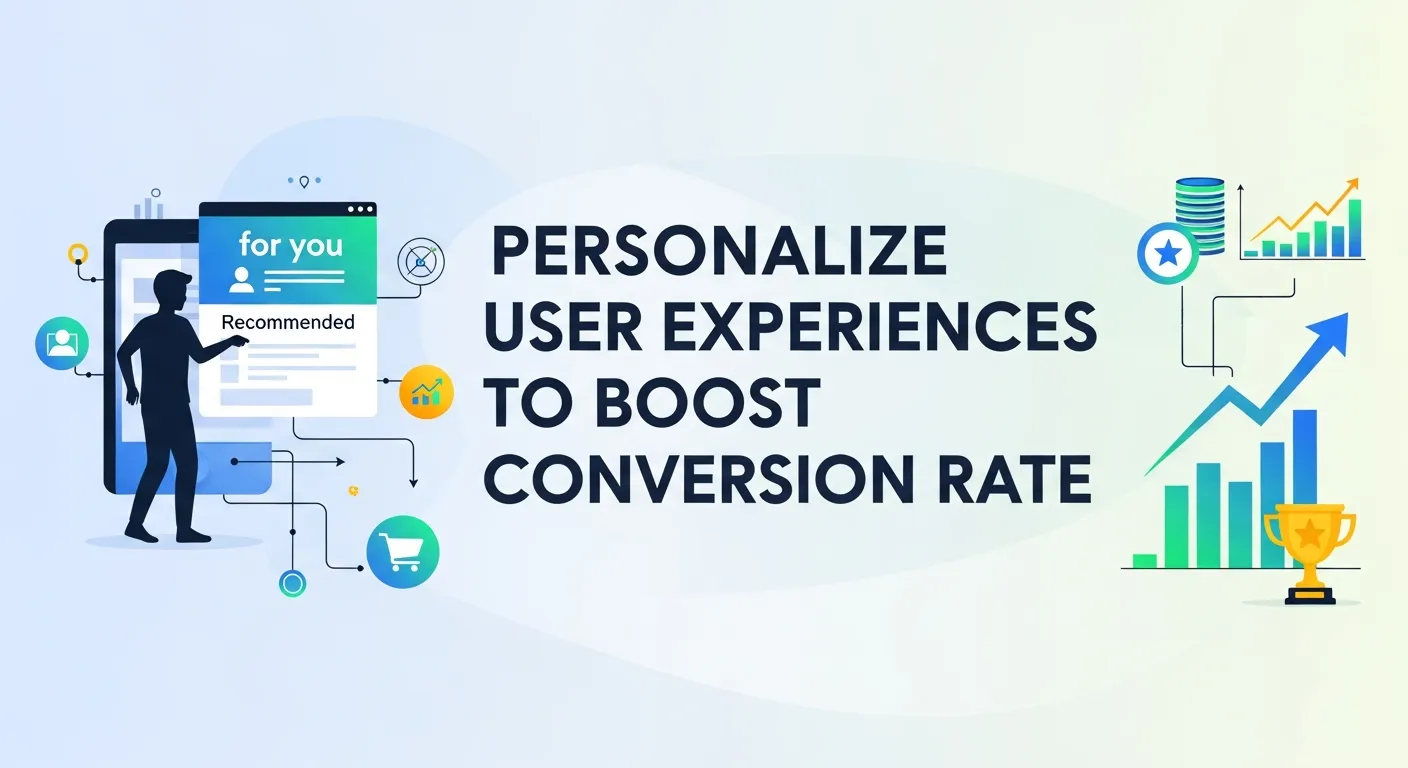
Today’s customers expect personalized interactions. Tailoring the experience for each visitor not only improves engagement but also directly increases your conversion rate. By leveraging AI and data, you can provide content, offers, and recommendations that resonate individually with each user.
Strategies to Personalize User Experiences:
- Implement personalized product recommendations: Platforms like Amazon excel at this, using browsing history and purchase behavior to suggest items. Personalized recommendations can significantly improve your conversion rate.
- Use dynamic headlines: Modern tools allow you to change your messaging based on user demographics, location, or referral source, making visitors feel directly addressed.
- Send personalized emails or offers: Re-engage potential leads after they visit your website with tailored offers or content, improving your conversion rate by turning casual visitors into customers.
Use Retargeting to Bring Visitors Back and Increase Conversion Rate
Not every visitor will convert the first time they visit your website—but that doesn’t mean the opportunity is lost. Retargeting is a powerful way to bring visitors back and improve your conversion rate.
Effective Retargeting Strategies:
- Highlight previously viewed products or services: Show ads with items the visitor explored, optionally adding an incentive like a limited-time discount to boost conversion rate.
- Use testimonials in retargeting ads: Social proof builds trust, making users more likely to return and complete their purchase.
- Adjust ad frequency: Don’t bombard users with repeated ads; tailor timing based on when they last visited to maintain engagement without annoying potential customers.
Offer Guarantees or Risk-Free Trials to Increase Conversion Rate
A major barrier to conversions is customer hesitation or fear of making the wrong choice. Introducing guarantees or risk-free trials can dramatically improve your conversion rate by reducing perceived risk.
Ways to Reduce Purchase Anxiety:
- Add a money-back guarantee statement: Clearly communicate your guarantee on your landing pages to reassure visitors.
- Offer free samples or trial periods: SaaS companies, for example, often use 7-day or 30-day free trials to let users experience the product before committing, effectively boosting conversion rate.
- Highlight risk-free benefits in CTAs: Phrases like “Try 30 Days Free” or “Risk-Free Guarantee” create confidence and encourage action.
Analyze and Refine Your Strategy Over Time
Conversion rate optimization isn’t a one-and-done task. Consistently analyzing and improving your efforts is key:
- Use tools like Google Analytics to track your performance metrics.
- Look for areas in your funnel that have a high drop-off rate and prioritize optimizing them.
- Regularly test new ideas, from copy changes to design tweaks.
Turn Visitors Into Customers
One of the most rate efficient ways of growing your business is by improving conversions, not adding more advertising money. Focusing on website usability — including on mobile devices–personalization and customization, clear CTAs (Calls-To-Action), as well as ongoing analysis, means that you can change an increasing number of visitors into customers in less than a he Eleven to One ratio.
With a few changes, you can see immediate benefits. Perhaps your website has a bottleneck or two? Use free tools like Google Analytics to find out or ask an expert Please review your CRO strategy.
FAQ: Conversion Rate Optimization (CRO)
1. What is the best way to start improving my website’s conversion rate?
Start by analyzing your current conversion funnel. Identify where visitors drop off and prioritize optimizing those areas. Tools like Google Analytics can help pinpoint bottlenecks. Once you understand user behavior, focus on clear CTAs, fast page loads, and simplified navigation.
2. How do I create an effective Call-to-Action (CTA) that drives conversions?
An effective CTA should be clear, action-oriented, and placed prominently. Use words that trigger urgency like “Start Free Trial” or “Claim Your Offer Today.” A/B testing different colors, sizes, and placements can reveal which CTA performs best.
3. Why is social proof important for increasing conversions?
Social proof builds trust. Reviews, testimonials, awards, and usage statistics reassure potential customers that your product or service delivers on its promises. Displaying real examples and numbers can dramatically improve conversion rates.
4. How can landing pages influence my conversion rate?
Optimized landing pages focus on a single goal, eliminating distractions, and aligning messaging with ads or emails. A/B testing headlines, images, and form fields ensures you find the combination that resonates most with your audience.
5. What role does website speed play in CRO?
Page load speed is critical. Visitors abandon websites that take more than 3 seconds to load. Compress images, reduce heavy scripts, and use a CDN like Cloudflare to ensure fast, consistent performance across devices.
6. Can personalized experiences really boost conversions?
Yes! Personalized experiences make users feel understood. Tools that tailor recommendations, dynamic headlines, and personalized emails based on behavior can significantly increase engagement and conversions. Learn more about personalized CRO strategies here: Advanced CRO Strategies for Business Growth.
7. How does retargeting help recover lost visitors?
Retargeting reminds users of your product after they leave your website. Ads showing products they viewed, along with testimonials or small incentives, can encourage them to return and complete their purchase. Proper timing prevents ad fatigue and improves results.
8. Are guarantees or risk-free trials really effective?
Absolutely. Guarantees, free trials, or sample offers reduce purchase hesitation. They signal confidence in your product and lower the perceived risk, making visitors more likely to convert. Many SaaS companies use 7- or 30-day trials to great effect.
9. How do I measure if my CRO efforts are successful?
Track conversion rates, bounce rates, average session duration, and other KPIs using analytics tools. Test changes incrementally and compare results to baseline metrics. Continuous monitoring and refinement are key to long-term success.
10. Can I build a career in Conversion Rate Optimization?
Yes, CRO is a growing field with strong demand. Professionals skilled in analytics, A/B testing, UX, and marketing can build a successful career. If you’re interested, explore a structured guide here: Build a Career in CRO Strategies. Additionally, businesses looking to improve can learn actionable CRO strategies here: CRO Strategies to Take Your Business.