
Getting people to visit your website is just the first step of the marketing puzzle, but the real challenge lies in turning those visitors into customers. This is where conversion rate optimization (CRO) comes into play. If you’re struggling with getting website visitors to take the desired action, this guide will walk you through practical steps to boost your CRO and achieve measurable results.
Whether your goal is to increase sales, capture more emails, or encourage sign-ups, we’ll cover actionable tips that will help you see improvements, fast.
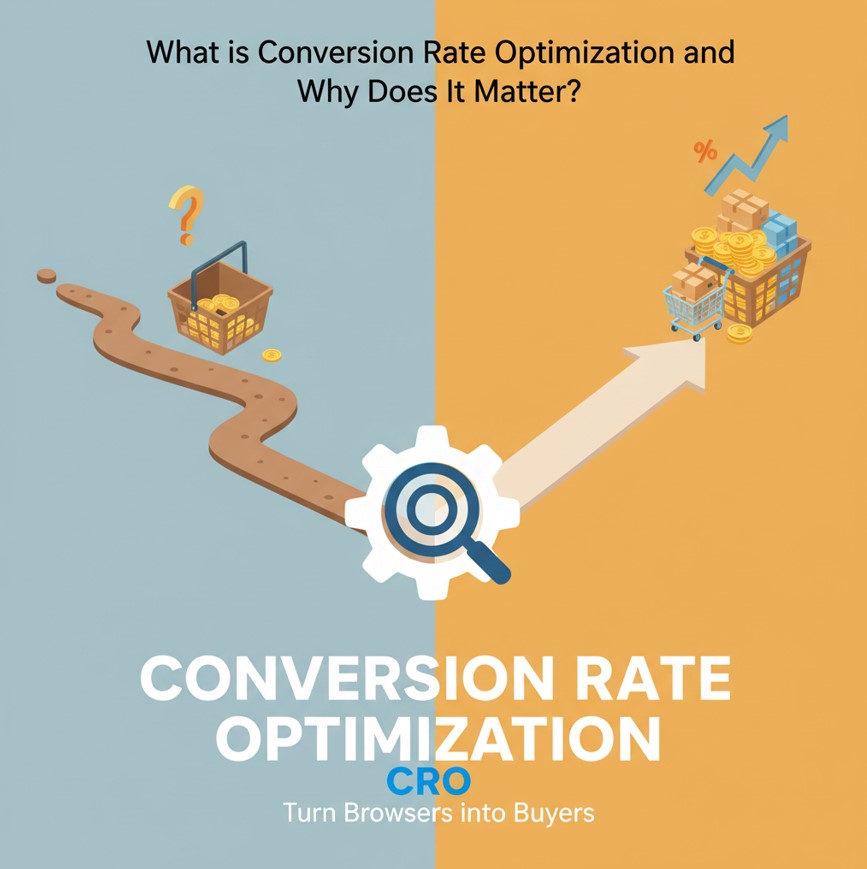
What is Conversion Rate Optimization and Why Does It Matter?
Conversion rate optimization, or CRO, is the process of increasing the percentage of users who take a specific action on your website. This “conversion” could mean anything from making a purchase to signing up for a newsletter.
Why is CRO important?
- Maximize ROI: If you’re already driving traffic to your site through paid ads or organic means, CRO helps you get the most value from that traffic.
- Improve User Experience: When you optimize for conversions, you’re also making your website intuitive and user-friendly.
- Stay Competitive: If your website isn’t optimized for conversions, you’re leaving potential revenue on the table.
For example, imagine you operate an eCommerce site. If your current conversion rate is 2% and your average monthly traffic is 10,000 visitors, optimizing to a 3% conversion rate means increasing your sales by 50% without increasing your traffic.
Now that you fully understand why conversion rate optimization (CRO) is crucial for your business success, it’s time to take a closer look at actionable strategies to implement it effectively—beginning with essential insights on good conversion rates for digital marketing.
Steps to Improve Conversion Rates Quickly
Understand Your Audience
One of the biggest reasons behind low conversion rates is a disconnect between what your audience wants and what your website offers.
Use Analytics Tools
Platforms like Google Analytics provide insights into user behaviors, such as page views, bounce rates, and time spent on different sections of your website.
For example, if you notice users dropping off on a specific product page, it could indicate unclear content or a missing call-to-action (CTA).
Conduct Surveys
Ask current customers or website visitors what works for them and what doesn’t. Tools like Type form or Google Forms make it easy.
Create Personas
Develop detailed user personas to better understand your audience’s needs, pain points, and preferences. Knowing your target audience means you can craft more tailored content and offers.
Optimize Your Landing Pages
Landing pages are critical to the success of CRO. They guide users toward specific actions and need to be as clear and compelling as possible.
Use Clear Headlines
Your headline should communicate value instantly. Avoid jargon and keep it direct. For example:
- Before optimization: “Revolutionary Solutions for Workflow Efficiency”
- After optimization: “Save 5 Hours a Week with Our Workflow Tool”
Make Your CTAs Stand Out
Ensure your call-to-action buttons are easy to find. Use contrasting colors, action-oriented text (“Get Started Today”), and place them prominently.
Create Mobile-Friendly Experiences
With more than half of all website traffic coming from mobile devices, a poorly optimized mobile experience can seriously impact your CRO. Make sure buttons are easy to tap, forms are simple to complete, and navigation is seamless on smaller screens—learn why your next campaign must be mobile-first.
Reduce Friction in the Buyer Journey
A lengthy or confusing process can deter customers from converting. Keep the hurdle to conversion as low as possible.
Simplify Forms
Ask only for essential information. For example, requiring just a name and email instead of 10 unnecessary fields.
Offer Guest Checkout Options
If you run an eCommerce site, don’t make account creation mandatory. Allow guest checkouts to simplify the purchase process.
Streamline Navigation
Make it easy for visitors to find what they need. Use clean menus, clear navigational buttons, and consistent site architecture.
Leverage Social Proof
People trust the opinions of others, which is why social proof significantly influences conversions.
Display Testimonials
Showcase authentic testimonials from satisfied customers. Include photos of the customers if possible for added credibility.
Showcase Reviews and Ratings
Positive reviews and ratings increase trust. Platforms like Trust pilot or Google Reviews allow you to easily collect and display feedback.
Highlight Real-time Data
Metrics like “5,000 clients trust us” or “256 people purchased this product today” can create urgency and increase credibility.
Use A/B Testing to Experiment
What works best for your website might not be immediately obvious, which is why A/B testing is such a valuable tool.
Tweak One Variable at a Time
Test changes to one element (e.g., CTA text, headline wording, button color) to isolate what truly works.
Analyze and Act on Results
Use tools like Optimizely or Google Optimize to implement A/B tests. Monitor the data and apply winning changes quickly.
Don’t Assume Anything
Just because something worked on another website doesn’t mean it will work for you. Test to see data-driven results.
Provide Value Through Content
Your website’s content needs to resonate with your audience. Visitors should immediately understand how your product or service solves their problem.
Create Benefit-Focused Copy
Avoid focusing solely on product features. Instead, emphasize how those features benefit the user. For instance:
- Feature-focused copy: “10-ounce stainless steel water bottle.”
- Benefit-focused copy: “Stay hydrated longer with a durable, perfectly sized water bottle that fits in your bag.”
Include FAQs
Address common questions to reduce hesitation. These FAQs work especially well on product or pricing pages.
Offer Free Resources
Whether it’s a free trial, eBook, or webinar, free resources can encourage visitors to take the first step toward conversion.
Create a Sense of Urgency
Encourage immediate action by presenting time-sensitive offers or benefits.
Countdown Timers
Highlight limited-time deals with visible countdowns to create urgency.
Scarcity Messaging
Use phrases like “Only 3 left in stock!” to nudge visitors toward making a decision quickly.
Exclusive Deals
Offer time-limited promotions for first-time visitors or email sign-ups.
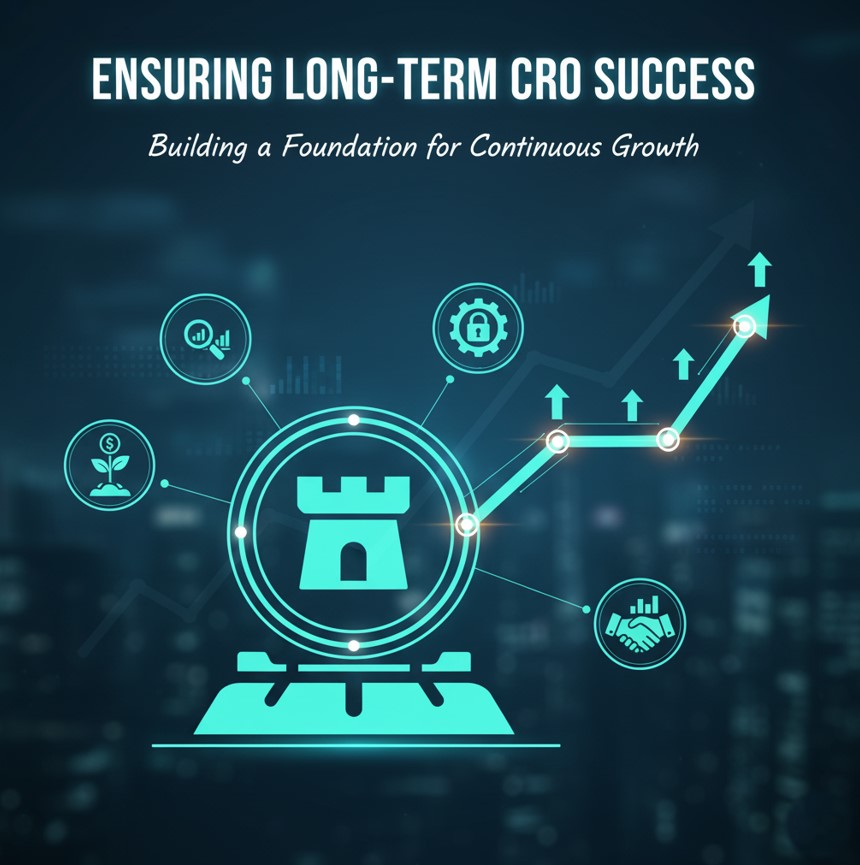
Ensuring Long-Term CRO Success
Improving your conversion rates is not a one-and-done process. It requires ongoing monitoring and adjustments as your audience evolves.
- Continuously evaluate your website’s performance through analytics.
- Regularly test new strategies to stay ahead of the competition.
- Keep up with industry trends to ensure your content and design remain relevant.
Take Your CRO to the Next Level
Implementing these conversion rate optimization strategies can significantly impact your business, but putting them into practice may feel overwhelming. Start small, focus on one area at a time, and you’ll begin to see positive results.
For continued improvements and additional support, reach out to our team of CRO experts. They’re ready to help you realize your business goals faster than you thought possible.