
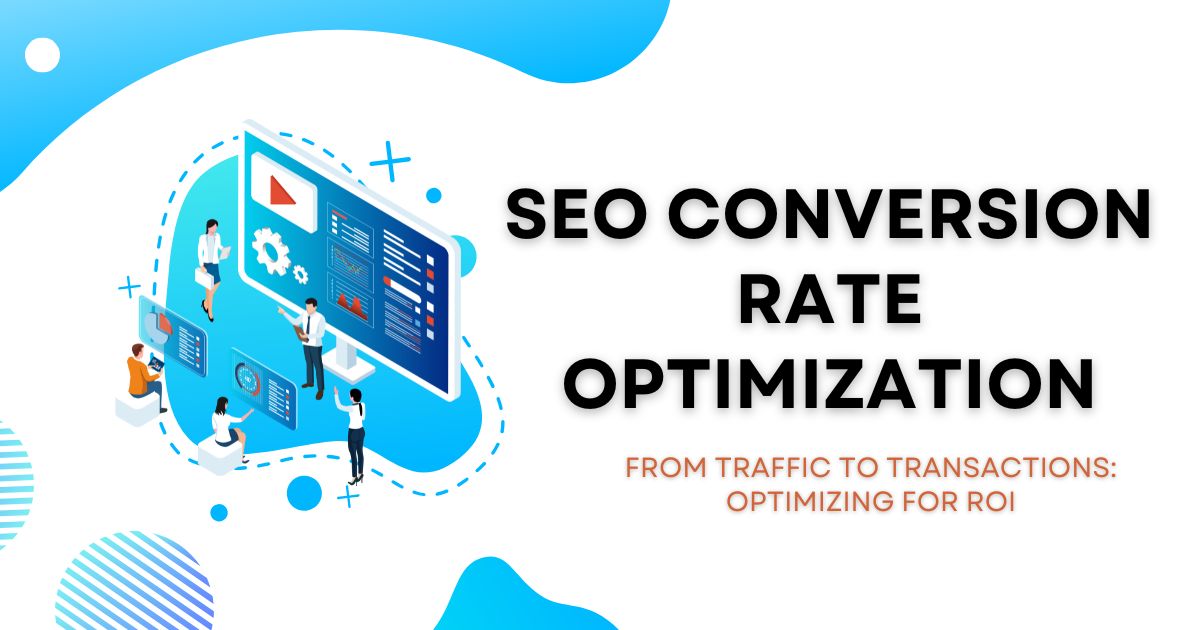
SEO conversion rate optimization combines SEO and CRO to turn organic traffic into real results. By aligning search intent, user experience, and conversion-focused content, businesses can improve rankings, increase engagement, and drive more leads or sales from the traffic they already have.
What is SEO Conversion Rate Optimization?
SEO conversion rate optimization is the strategic process of improving both your search engine rankings and your website’s ability to convert organic visitors into desired actions. Rather than treating SEO and conversion rate optimization as separate disciplines, this approach recognizes that they work best when integrated.
Traditional SEO focuses on driving traffic through improved rankings, keyword targeting, and technical optimization. Conversion rate optimization, meanwhile, concentrates on persuading visitors to take specific actions once they arrive. SEO conversion rate optimization combines these approaches to create a comprehensive strategy that attracts the right visitors and compels them to convert.
The key difference lies in the holistic approach. Instead of optimizing for traffic alone, you’re optimizing for profitable traffic that’s more likely to convert based on search intent, user experience, and conversion-focused content.
Why SEO and CRO Work Better Together

Combining SEO with conversion rate optimization creates a multiplier effect that benefits both disciplines. Here’s why this integrated approach delivers superior results:
Enhanced User Experience Signals
Search engines increasingly prioritize user experience in their ranking algorithms. When you optimize for conversions, you naturally improve metrics like bounce rate, time on page, and pages per session. These positive user signals tell search engines that your content provides value, potentially boosting your rankings.
Intent-Driven Optimization
SEO conversion rate optimization forces you to understand search intent at a deeper level. When you know why people are searching for specific terms, you can create content and landing pages that match their expectations and guide them toward conversion. This alignment improves both rankings and conversion rates. Learn how CRO SEO can double your website’s performance
Improved Quality Score for Paid Search
While this guide focuses on organic traffic, the principles apply to paid search as well. Higher conversion rates improve your Quality Score in Google Ads, reducing costs and improving ad positions for your paid campaigns.
Better Resource Allocation
Instead of choosing between SEO and CRO investments, an integrated approach helps you allocate resources more effectively. Every optimization effort serves dual purposes, maximizing your return on investment.
Key Strategies for SEO Conversion Rate Optimization

Understand and Match Search Intent
Search intent forms the foundation of successful SEO conversion rate optimization. To optimize for intent, analyze search results for your target keywords. What types of content rank well? Are they blog posts, product pages, or comparison guides? Create content that matches the dominant intent while incorporating conversion elements appropriate to that stage of the buyer’s journey. See our when to invest in conversion rate optimization article to understand timing and priorities.
The four main types of search intent are:
Informational intent occurs when users seek knowledge or answers. These searchers might not be ready to buy immediately, but they represent opportunities for lead generation through valuable content.
Navigational intent happens when users search for a specific brand or website. These visitors often have higher conversion potential since they’re actively seeking your company.
Commercial investigation intent applies to users comparing options before making a decision. These searchers are prime conversion candidates when presented with compelling information and clear next steps.
Transactional intent represents users ready to take action, whether that’s making a purchase, signing up, or downloading something.
To optimize for intent, analyze the search results for your target keywords. What types of content rank well? Are they blog posts, product pages, or comparison guides? Create content that matches the dominant intent while incorporating conversion elements appropriate to that stage of the buyer’s journey.
Optimize Landing Pages for Both Search and Conversion
Your landing pages must satisfy both search engine algorithms and human visitors. This dual optimization requires careful balance but delivers powerful results.
Start with on-page SEO fundamentals. Include your target keyword in the title tag, meta description, H1 heading, and naturally throughout the content. However, avoid keyword stuffing, which hurts both user experience and rankings.
Structure your content with clear headings that incorporate related keywords and guide visitors through your message. Use H2 and H3 tags to break up content and make it scannable for both users and search engines.
For conversion optimization, implement clear value propositions above the fold. Visitors should immediately understand what you offer and why they should care. Use compelling headlines, benefit-focused copy, and prominent calls-to-action.
Trust signals play a crucial role in conversions. Include customer testimonials, security badges, money-back guarantees, or industry certifications. These elements reduce friction and encourage action.
Create High-Converting, SEO-Friendly Content
Content serves as the bridge between search visibility and conversions. Effective SEO conversion rate optimization content attracts organic traffic while persuading visitors to take action.
Begin with comprehensive keyword research that goes beyond search volume. Look for keywords that indicate buying intent or problem-solving needs. Long-tail keywords often convert better than broad terms because they represent more specific searches.
Structure your content to serve both SEO and conversion goals. Start with an engaging introduction that addresses the searcher’s primary concern. Use subheadings to organize information logically and include your target keywords naturally.
Throughout your content, incorporate conversion elements like:
- Relevant product mentions with links to purchase pages
- Email signup forms for lead generation
- Social proof through case studies or testimonials
- Clear calls-to-action that align with the content topic
Improve Site Speed and Mobile Experience
Technical performance directly impacts both search rankings and conversion rates. Slow-loading pages frustrate visitors and send negative signals to search engines.
Google’s Core Web Vitals provide specific metrics to optimize: Largest Contentful Paint (LCP), First Input Delay (FID), and Cumulative Layout Shift (CLS). Use Google PageSpeed Insights to identify improvement opportunities.
Common speed optimization techniques include:
- Compressing and optimizing images
- Minimizing CSS and JavaScript files
- Using browser caching
- Choosing a reliable hosting provider
- Implementing a content delivery network (CDN)
Mobile optimization deserves special attention since most searches now occur on mobile devices. Ensure your site uses responsive design, loads quickly on mobile networks, and provides easy navigation with touch-friendly buttons.
Leverage Internal Linking Strategically
Internal linking helps search engines understand your site structure while guiding visitors toward conversion-focused pages. Create topic clusters by linking related content together and use descriptive anchor text. For guidance on maximizing conversions through internal linking, check conversion rate optimization CRO guide.
Create topic clusters by linking related content together. This approach demonstrates topical authority to search engines while keeping visitors engaged with your site longer.
Use descriptive anchor text that includes relevant keywords when appropriate. However, prioritize natural, helpful link text that clearly indicates what visitors will find on the linked page.
Strategic internal linking can guide visitors through your conversion funnel. Link from informational content to related product pages, or from blog posts to relevant case studies that build trust.
Measuring Success in SEO Conversion Rate Optimization

Effective measurement requires tracking both SEO and conversion metrics to understand the complete picture of your performance.
Essential SEO Metrics
Monitor organic traffic growth, keyword rankings, and click-through rates from search results. Use Google Search Console to track impressions, clicks, and average position for your target keywords.
Pay attention to featured snippet opportunities and other SERP features that could increase visibility and traffic. Track your presence in these enhanced results as they often drive higher-quality traffic.
Critical Conversion Metrics
Track conversion rate by traffic source to understand how organic visitors perform compared to other channels. Organic traffic often converts differently than paid traffic due to different intent levels.
Monitor specific conversion actions relevant to your business: purchases, lead form submissions, email signups, or content downloads. Set up goal tracking in Google Analytics to measure these actions consistently.
Calculate the lifetime value of organic conversions to understand the true impact of your SEO conversion rate optimization efforts. Organic visitors often have higher lifetime values due to the trust built through content consumption.
Advanced Analytics Setup
Implement enhanced ecommerce tracking if you run an online store. This setup provides detailed insights into user behavior, product performance, and the complete conversion path.
Use UTM parameters to track organic traffic from different content types and pages. This granular tracking helps identify which SEO conversion rate optimization strategies work best.
Set up custom segments in Google Analytics to analyze organic traffic behavior separately from other sources. Create segments for different stages of the conversion funnel to identify optimization opportunities.
Common Mistakes to Avoid
Many businesses make critical errors when implementing SEO conversion rate optimization. Avoiding these mistakes can accelerate your success.
Don’t sacrifice user experience for search rankings. Keyword stuffing, intrusive pop-ups, and slow-loading pages hurt both conversions and SEO performance. Always prioritize user experience while incorporating SEO best practices naturally.
Avoid creating separate mobile and desktop sites. Responsive design provides a better user experience and avoids duplicate content issues that can hurt search rankings.
Don’t ignore local SEO if you serve local customers. Optimize for local search terms and maintain consistent NAP (Name, Address, Phone) information across all platforms.
Resist the temptation to copy competitors’ strategies exactly. While competitive analysis provides valuable insights, your unique value proposition and audience may require different approaches.
Your Path to SEO Conversion Rate Optimization Success
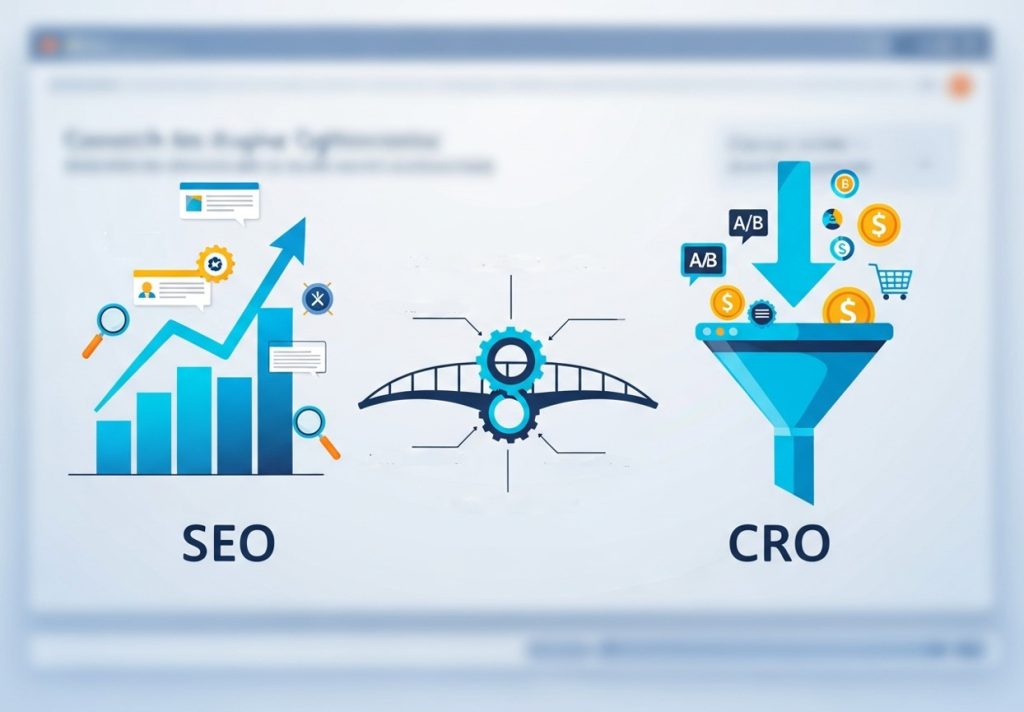
SEO conversion rate optimization represents the evolution of digital marketing from traffic-focused to results-focused strategies. By combining the traffic-driving power of SEO with the persuasive techniques of conversion optimization, you create a sustainable competitive advantage.
Start by auditing your current performance in both areas. Identify pages that receive significant organic traffic but have low conversion rates—these represent your biggest opportunities for improvement.
Focus on understanding search intent for your target keywords, then create content and landing pages that fulfill that intent while guiding visitors toward conversion. Remember that this process requires ongoing testing and refinement as search algorithms and user behavior continue evolving.
The businesses that master SEO conversion rate optimization will capture more market share while spending less on customer acquisition. Begin implementing these strategies today, and watch as your organic traffic transforms from a vanity metric into a powerful driver of business growth.
Frequently Asked Questions (FAQ)
What is the difference between SEO and SEO conversion rate optimization?
SEO focuses on increasing visibility and traffic from search engines, while SEO conversion rate optimization goes a step further by ensuring that organic visitors take meaningful actions once they arrive. Instead of treating traffic as the final goal, SEO conversion rate optimization treats traffic as the starting point for conversions and revenue.
Can improving conversion rates help SEO rankings?
Yes, improving conversion-related user experience metrics can indirectly support SEO performance. Higher engagement, longer dwell time, and lower bounce rates signal content relevance and quality to search engines, which may contribute to improved rankings over time.
How long does it take to see results from SEO conversion rate optimization?
Results vary depending on traffic volume, competition, and the scope of changes. Conversion improvements can often be seen within weeks, while SEO-related gains may take several months. The combined approach typically delivers faster ROI than focusing on SEO alone.
Should I prioritize SEO or CRO first?
Neither should exist in isolation. SEO conversion rate optimization works best when both are addressed simultaneously. However, pages with high organic traffic but low conversions should usually be prioritized first, as they offer the quickest wins.
Does SEO conversion rate optimization work for service-based businesses?
Absolutely. Service-based businesses often benefit even more because organic visitors tend to research extensively before converting. Optimizing content for intent, trust, and lead generation can significantly increase qualified inquiries and booked consultations.
What tools are best for SEO conversion rate optimization?
Successful SEO conversion rate optimization typically involves a combination of SEO tools, analytics platforms, and behavioral tracking software. Search performance data, user behavior insights, and conversion tracking together provide the clarity needed to make impactful improvements.